
Legislative Activity
Track Melanie's sponsored bills, co-sponsored legislation, and voting record
This Act expands eligibility for certain SNAP benefits for veterans based on specific disability ratings or pension status, effective October 1, 2030.
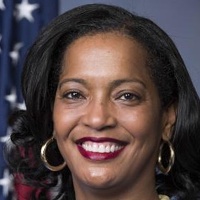
Jahana Hayes
Representative
CT
Jahana Hayes
Representative
CT
The Feed Hungry Veterans Act of 2025 expands eligibility for certain food assistance benefits for veterans. It updates the criteria for veterans based on service-connected disability ratings and adds specific categories of disabled or pensioned veterans who will now qualify. These changes are scheduled to take effect on October 1, 2030.
The Air America Act of 2025 authorizes one-time monetary awards to former Air America employees or their survivors for service supporting the CIA between 1950 and 1976.
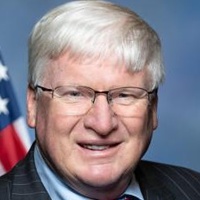
Glenn Grothman
Representative
WI
Glenn Grothman
Representative
WI
The Air America Act of 2025 recognizes the sacrifices of former Air America employees who served the U.S. Government between 1950 and 1976. This Act authorizes a one-time monetary award, up to $40,000 plus potential additional amounts, for qualifying service members or their survivors. The CIA Director is responsible for administering these payments, which are capped at a total of $60 million, and establishing the application procedures. Decisions made by the Director regarding these awards are final and not subject to judicial review.
The Protect Our Watchdogs Act of 2025 establishes a "for cause" removal standard, requiring documented proof of specific misconduct or incapacity before an Inspector General can be fired or transferred.

Gerald Connolly
Representative
VA
Gerald Connolly
Representative
VA
The Protect Our Watchdogs Act of 2025 establishes a "for cause" removal standard for Inspectors General (IGs). This legislation mandates that the President must provide specific, documented reasons—such as documented neglect of duty or gross mismanagement—to remove or transfer an Inspector General. The bill aims to strengthen the independence and tenure of IGs by limiting arbitrary dismissals.
The WOLF Act of 2025 increases livestock indemnity payments to 100% of market value for animals killed by Mexican gray wolves and establishes a new formula for annual emergency relief payments to affected producers.

Greg Stanton
Representative
AZ
Greg Stanton
Representative
AZ
The WOLF Act of 2025 aims to increase financial support for livestock producers affected by Mexican gray wolf depredation. This legislation mandates that farmers receive 100% of the market value for livestock killed by these wolves. Additionally, it establishes a new emergency relief program to help producers mitigate ongoing negative impacts, such as increased management costs and reduced birth rates.
The PARA-EMT Act of 2025 establishes pilot grant programs to combat the national shortage of EMTs and paramedics by funding recruitment, training, and veteran credentialing, alongside mandating a comprehensive study of the workforce crisis.

Marie Gluesenkamp Perez
Representative
WA
Marie Gluesenkamp Perez
Representative
WA
The PARA-EMT Act of 2025 addresses the critical national shortage of EMTs and paramedics by establishing a pilot grant program to help agencies hire, train, and support their emergency medical workforce. It also creates a federal grant program to assist states in streamlining the transition of veterans with military medical training into civilian EMS roles. Finally, the bill mandates a comprehensive study to quantify the current and projected workforce shortage and recommend solutions, including potential visa considerations.
This Act ensures that Inspectors General can continue to fund and operate their offices during a lapse in government appropriations to maintain oversight.
Gerald Connolly
Representative
VA
Gerald Connolly
Representative
VA
The Keep the Watchdogs Running Act ensures that Inspectors General (IGs) can continue essential oversight functions even during a lapse in government appropriations. This legislation allows IGs to use existing funding levels to maintain operations and monitor any government activities that remain active despite a budget shortfall. Essentially, it prevents critical watchdog functions from being halted when Congress fails to pass a new budget.
The Major Richard Star Act ensures that military retirees with combat-related disabilities can concurrently receive their full military retirement pay and VA disability compensation without reduction.

Gus Bilirakis
Representative
FL
Gus Bilirakis
Representative
FL
The Major Richard Star Act ensures that military retirees with combat-related disabilities can receive both their military retirement pay and VA disability compensation concurrently without reduction. This law removes previous restrictions that caused military retirement pay to be offset by VA disability payments for these specific cases. The changes take effect on the first day of the month following the Act's enactment.
This bill expands eligibility for veterans who served in Guam between August 15, 1958, and July 31, 1980, to receive a presumption of service connection for diseases associated with herbicide exposure.
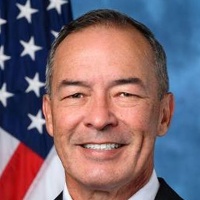
James (Jim) Moylan
Representative
GU
James (Jim) Moylan
Representative
GU
The Correcting Guam's History in the PACT Act expands eligibility for veterans who served in Guam to receive a presumption of service connection for diseases linked to herbicide exposure. This change specifically covers service in Guam between August 15, 1958, and July 31, 1980. Coverage for veterans who served in American Samoa remains unchanged.
The REDI Act allows medical and dental interns and residents to defer both principal and interest payments on their student loans while in training.
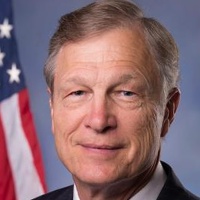
Brian Babin
Representative
TX
Brian Babin
Representative
TX
The Resident Education Deferred Interest (REDI) Act amends federal student loan regulations to provide a specific deferment for medical and dental residents. This allows borrowers currently serving in an internship or residency program to pause principal payments and prevent interest accrual on their student loans during that training period.
This Act establishes a statutory right to access Assisted Reproductive Technology (ART) services and prohibits overly burdensome state or local regulations that interfere with that access.
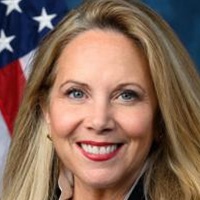
Laura Gillen
Representative
NY
Laura Gillen
Representative
NY
The Access to Family Building Act aims to guarantee that patients can access Assisted Reproductive Technology (ART) services and that healthcare providers can offer them without unreasonable interference. This legislation preempts state and local laws that impose burdens on ART services not required for similar medical procedures or that hinder access without improving safety. The Act establishes the right to access ART and provides robust legal avenues for individuals, providers, and the government to challenge and strike down restrictive regulations.
This bill prohibits the export of specified defense articles to the United Arab Emirates until the President certifies that the UAE has ceased providing material support to the Rapid Support Forces in Sudan.

Sara Jacobs
Representative
CA
Sara Jacobs
Representative
CA
This bill prohibits the issuance of licenses for the exportation of specified defense articles to the United Arab Emirates (UAE). The ban remains in effect until the President certifies to Congress that the UAE has ceased providing material support to the Rapid Support Forces operating in Sudan. This effectively halts the sale or transfer of a wide range of major U.S. military equipment to the UAE.
This Act converts Transportation Security Administration (TSA) personnel to standard federal employment rules under Title 5, establishes transition protections, mandates workforce reviews, and addresses labor relations and employee safety.
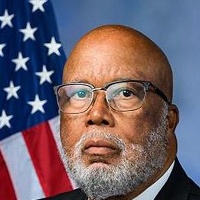
Bennie Thompson
Representative
MS
Bennie Thompson
Representative
MS
The Rights for the Transportation Security Administration Workforce Act transitions TSA personnel to standard federal employment rules under Title 5 of the U.S. Code by a set date no later than December 31, 2025. This mandates the freezing of current personnel policies during the transition while protecting current employee pay and benefits. The bill also requires extensive reviews by the Comptroller General on hiring, diversity, and workplace safety, and mandates consultation with employee representatives regarding labor relations. Finally, it ensures that screening agents retain collective bargaining rights and addresses specific concerns for Federal Air Marshals.
Condemns House Republican leadership for allowing a xenophobic post questioning a Congressman's citizenship.
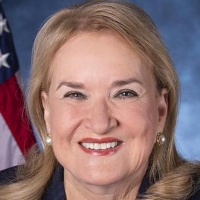
Sylvia Garcia
Representative
TX
Sylvia Garcia
Representative
TX
This bill condemns the House Republican Conference for a xenophobic social media post questioning Congressman Adriano Espaillat's immigration status and patriotism. It specifically condemns the House Republican leadership team for allowing the false statement that questioned Congressman Espaillat's citizenship.
The Medicare Dental, Vision, and Hearing Benefit Act of 2025 adds comprehensive dental, vision, and hearing care, including hearing aids, to Medicare coverage starting in 2026 while also mandating the inclusion of an oral health professional on the U.S. Preventive Services Task Force.

Lloyd Doggett
Representative
TX
Lloyd Doggett
Representative
TX
The Medicare Dental, Vision, and Hearing Benefit Act of 2025 significantly expands Medicare coverage to include comprehensive dental, vision, and hearing services starting in 2026. This legislation outlines specific payment schedules, frequency limits, and coverage percentages for routine exams, procedures, eyeglasses, contact lenses, and hearing aids. Furthermore, the bill mandates the inclusion of an oral health professional on the United States Preventive Services Task Force.
The Home of Your Own Act of 2025 establishes a federal grant program administered by HUD to provide up to $30,000 in down payment and closing cost assistance to eligible first-time homebuyers through states and Indian tribes, contingent upon mandatory financial counseling and a five-year residency requirement.
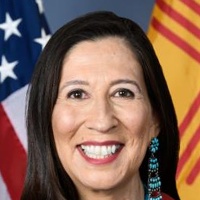
Teresa Leger Fernandez
Representative
NM
Teresa Leger Fernandez
Representative
NM
The Home of Your Own Act of 2025 establishes a new federal grant program administered by HUD to provide up to \$30,000 in assistance to eligible first-time homebuyers via states and Indian tribes. Funds are intended to cover down payments, closing costs, or necessary pre-move-in repairs, provided recipients complete mandatory financial counseling. Recipients must occupy the home for five years to avoid repayment, and the assistance received is not counted as taxable income. The Act authorizes \$6.7 billion annually from fiscal years 2026 through 2030 to support this initiative.
The Stop Comstock Act streamlines federal statutes by removing outdated and redundant language concerning "indecent" or "immoral" materials, focusing legal definitions on "obscene materials."

Becca Balint
Representative
VT
Becca Balint
Representative
VT
The Stop Comstock Act aims to modernize and streamline federal statutes concerning obscene materials. It revises several sections of federal law, including those related to crimes, transportation, and importation, by removing outdated or redundant language like "indecent" or "immoral." This legislative cleanup focuses the legal definitions to center specifically on "obscene materials."
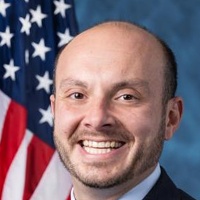
This Act eliminates the waiting periods for Social Security disability benefits and Medicare coverage for individuals diagnosed with metastatic breast cancer.
Andrew Garbarino
Representative
NY
Andrew Garbarino
Representative
NY
The Metastatic Breast Cancer Access to Care Act aims to improve support for individuals diagnosed with metastatic breast cancer. This bill eliminates the standard waiting period for receiving Social Security disability insurance benefits and waives the 24-month waiting period for Medicare coverage. These changes ensure immediate access to crucial financial and healthcare support upon diagnosis.
The Caring for Survivors Act of 2025 increases dependency and indemnity compensation for surviving spouses and lowers the required period of total disability rating before death for survivors to qualify for certain benefits.
Jahana Hayes
Representative
CT
Jahana Hayes
Representative
CT
The Caring for Survivors Act of 2025 aims to increase financial support for surviving spouses of veterans. This bill raises the monthly Dependency and Indemnity Compensation (DIC) payment rate for surviving spouses. Additionally, it lowers the required duration of total disability rating before death from ten years to five years for survivors to qualify for certain DIC benefits. If the disability period was between five and ten years, the benefit amount will be proportionally adjusted.
This act automatically appropriates necessary funds to ensure the Supplemental Nutrition Assistance Program (SNAP) continues operating for the first 90 days of any fiscal year lapse in appropriations.

Emilia Sykes
Representative
OH
Emilia Sykes
Representative
OH
The Feed Our Families Act of 2025 ensures the continuity of the Supplemental Nutrition Assistance Program (SNAP) during the initial phase of a government shutdown. This bill automatically reserves necessary funding to operate SNAP for the first 90 days following a lapse in appropriations at the start of a fiscal year. These funds are held in reserve and released only as needed to maintain essential program services.
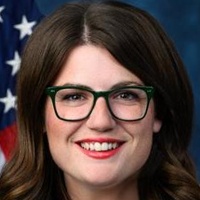
This Act resets the probationary period for certain federal employees unfairly separated between January 20, 2025, and January 20, 2029, by crediting them for time already served.
Sarah Elfreth
Representative
MD
Sarah Elfreth
Representative
MD
The Protect Our Probationary Employees Act resets the probationary period for certain federal employees who were involuntarily separated between January 20, 2025, and January 20, 2029. If these employees are rehired into a similar role at the same agency, their new probationary period will be reduced by the time they already served previously. This provision is temporary and will expire on January 20, 2029.