Legislative Activity
Track W.'s sponsored bills, co-sponsored legislation, and voting record
The Freight RAILCAR Act of 2025 incentivizes freight railcar modernization by establishing a tax credit for qualified newly built replacement railcars and qualified railcar modernization expenditures.
Darin LaHood
Representative
IL
Darin LaHood
Representative
IL
The "Freight RAILCAR Act of 2025" introduces a tax credit for modernizing freight railcars, encouraging investments in newer, more efficient railcars. Taxpayers can claim a credit equal to 10% of their freight railcar fleet modernization expenses, with a limit of 1,000 qualified freight railcars per year. The credit applies to railcars that increase capacity, improve fuel efficiency, or meet updated performance standards, and is available for three years after the Act's enactment. The Secretary of the Treasury is required to submit a report to Congress detailing the credit's usage and impact on railcar modernization and scrapping.
Prohibits designating Big Cypress National Preserve as wilderness.
C. Franklin
Representative
FL
C. Franklin
Representative
FL
This bill prohibits the Big Cypress National Preserve in Florida from being designated as wilderness or included in the National Wilderness Preservation System. This ensures the area will not receive the specific protections and management guidelines associated with wilderness areas.
The "No More Funding for NPR Act of 2025" prohibits federal funding to National Public Radio, with exceptions for FEMA disaster response and urgent public safety information.
Dale Strong
Representative
AL
Dale Strong
Representative
AL
The "No More Funding for NPR Act of 2025" prohibits any direct or indirect federal funding to National Public Radio (NPR), including through public broadcast stations, with exceptions only for FEMA disaster response and urgent public safety information dissemination. It also rescinds any unspent federal funds allocated to NPR for fiscal years 2025 and 2026.
The "Freedom to Invest in Tomorrow's Workforce Act" expands the use of 529 savings accounts to cover expenses related to postsecondary credentialing programs, including tuition, fees, books, supplies, equipment, and testing fees.

Robert Wittman
Representative
VA
Robert Wittman
Representative
VA
The "Freedom to Invest in Tomorrow's Workforce Act" amends Section 529 savings accounts to include expenses related to postsecondary credentialing programs. This allows 529 funds to cover costs like tuition, fees, books, supplies, and testing fees for recognized programs and credentials, as defined by the bill. These changes would apply to distributions made after the bill is enacted.
This joint resolution seeks to disapprove and nullify the Environmental Protection Agency’s rule regarding the phasedown and management of hydrofluorocarbons.
Neal Dunn
Representative
FL
Neal Dunn
Representative
FL
This joint resolution seeks to invoke the Congressional Review Act to disapprove and nullify the Environmental Protection Agency’s recent rule regarding the phasedown and management of hydrofluorocarbons. If enacted, the rule would have no force or effect, effectively blocking the EPA's regulatory framework for these substances.
Repeals a mandate requiring kill switches in cars.
Scott Perry
Representative
PA
Scott Perry
Representative
PA
The "No Kill Switches in Cars Act" repeals a section of the Infrastructure Investment and Jobs Act. The repealed section required the Department of Transportation to create a rule mandating that all new cars have advanced drunk and impaired driving prevention technology. This bill prohibits the government from requiring car manufacturers to install kill switches in vehicles.
Mandates the disclosure of third parties entitled to payment from civil action settlements or judgments to ensure transparency.
Darrell Issa
Representative
CA
Darrell Issa
Representative
CA
The Litigation Transparency Act of 2025 requires parties in civil actions to disclose the identity of any third party entitled to payment contingent on the outcome of the case, along with the relevant agreements. This disclosure aims to increase transparency in civil litigation by revealing who financially benefits from the lawsuit's outcome. Certain payments, such as loan repayments and attorney's fees, are exempt from this disclosure requirement. The Act applies to both ongoing and future court cases.
The CARGO Act of 2025 prohibits the NIH from funding any research using live animals outside of the United States.
Troy Nehls
Representative
TX
Troy Nehls
Representative
TX
The CARGO Act of 2025 prohibits the National Institutes of Health (NIH) from funding research or programs involving live animals outside of the United States. This bill addresses concerns over the lack of oversight and potential mistreatment of animals in foreign research projects funded by American taxpayers. The Act ensures that NIH funding for animal research is restricted to projects conducted within the U.S. and its territories.
Permanently extends the New Markets Tax Credit, provides inflation adjustments, and includes it for alternative minimum tax relief.
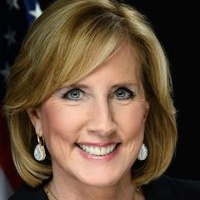
Claudia Tenney
Representative
NY
Claudia Tenney
Representative
NY
The New Markets Tax Credit Extension Act of 2025 permanently extends the New Markets Tax Credit, which incentivizes investment in low-income communities. It removes the credit's expiration date and adjusts the credit amount for inflation after 2025. The act also provides alternative minimum tax relief for qualified equity investments made after December 31, 2024.
This bill prohibits businesses with significant ties to the People's Republic of China from receiving assistance from the Small Business Administration.
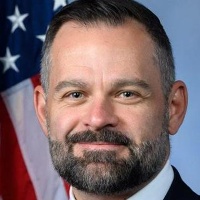
Cory Mills
Representative
FL
Cory Mills
Representative
FL
The "Preventing SBA Assistance from Going to China Act" amends the Small Business Act to prevent businesses with significant ties to the People's Republic of China from being classified as a small business. A business is ineligible if it is based or incorporated in China, or if more than 25% of its voting stock is owned by Chinese citizens or entities. This ensures that SBA assistance is not directed towards businesses affiliated with the Chinese government.
This bill prohibits federal agencies from providing funding for research conducted by the Chinese government, the Chinese Communist Party, or their controlled entities.
Claudia Tenney
Representative
NY
Claudia Tenney
Representative
NY
The Stop Funding Our Adversaries Act of 2023 prohibits federal agencies from providing direct or indirect funding for research conducted by the Chinese government, the Chinese Communist Party, or their controlled entities. This legislation aims to ensure that U.S. taxpayer dollars are not used to support research efforts linked to the People’s Republic of China.
This resolution prohibits the distribution of Chinese Communist Party-controlled publications within all U.S. House of Representatives facilities.
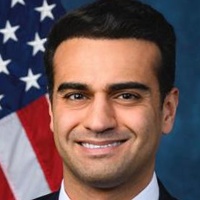
Abraham Hamadeh
Representative
AZ
Abraham Hamadeh
Representative
AZ
This resolution directs the Chief Administrative Officer of the House to immediately cease the distribution of *China Daily* and other Chinese Communist Party-controlled publications within all House facilities and mail systems. By prohibiting these materials, the bill aims to protect the institution from foreign propaganda and influence operations. The policy does not restrict private receipt of these materials by Members or staff, nor does it affect access through research facilities or the Library of Congress.
The Fair Access to Banking Act prohibits large financial institutions and payment networks from denying services to law-abiding businesses based on subjective, non-financial, or political criteria.
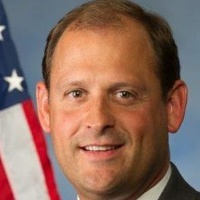
Garland Barr
Representative
KY
Garland Barr
Representative
KY
The Fair Access to Banking Act prohibits large financial institutions and payment networks from denying services to law-abiding businesses based on subjective, politically motivated, or reputational criteria. The bill mandates that financial institutions use impartial, quantitative, risk-based standards to evaluate customers rather than category-based exclusions. To ensure compliance, the legislation establishes enforcement mechanisms through federal regulators and provides a legal pathway for businesses to sue for damages if they are unfairly denied access to financial services.
The Stop the Censorship Act amends Section 230 to limit liability protections for online platforms, restricting their ability to remove content unless it is unlawful while preserving tools that allow users to filter their own experience.

Paul Gosar
Representative
AZ
Paul Gosar
Representative
AZ
The Stop the Censorship Act amends Section 230 to limit the liability protections of online service providers, restricting their ability to unilaterally remove content to only that which is unlawful. While narrowing provider-initiated censorship, the bill preserves immunity for platforms that provide users with the tools to personally filter and curate their own online experience.
This bill prohibits state and local governments from imposing special taxes, insurance requirements, or user fees as a condition for the ownership, manufacture, or transfer of firearms and ammunition.
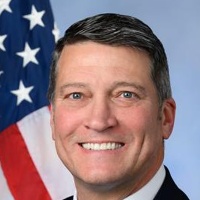
Ronny Jackson
Representative
TX
Ronny Jackson
Representative
TX
The "No User Fees for Gun Owners Act" prohibits state and local governments from imposing special taxes, insurance requirements, or user fees as a condition for owning, manufacturing, or transferring firearms and ammunition. The bill ensures that firearms are only subject to standard, generally applicable sales taxes, preventing discriminatory financial barriers to gun ownership.
This bill establishes a federal standard requiring pasteurized orange juice to contain at least 10.0 percent orange juice soluble solids by weight.
C. Franklin
Representative
FL
C. Franklin
Representative
FL
The Defending Domestic Orange Juice Production Act of 2025 establishes a federal quality standard requiring pasteurized orange juice to contain at least 10.0 percent orange juice soluble solids by weight. This measure ensures product consistency by excluding added sweeteners from the calculation of these solids.
The Dismantle DEI Act of 2025 immediately rescinds federal diversity, equity, and inclusion (DEI) mandates across executive offices, contracting, grants, and education, while banning related training and imposing penalties for non-compliance.
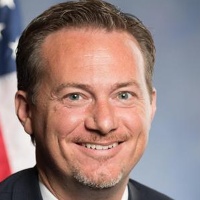
Michael Cloud
Representative
TX
Michael Cloud
Representative
TX
The Dismantle DEI Act of 2025 aims to immediately rescind diversity, equity, and inclusion (DEI) mandates across the federal government, including shutting down related offices and banning specific ideological training for federal personnel and contractors. The bill prohibits the use of federal funds for DEI activities by grant recipients and mandates that federal advisory committees cease all such practices or face termination. Furthermore, it establishes strong enforcement mechanisms, allowing individuals to sue violators and seek financial penalties for non-compliance.
The Disaster Assistance Fairness Act expands federal disaster relief eligibility to cover debris removal and essential repairs for residential common interest communities, condominiums, housing cooperatives, and manufactured housing communities.
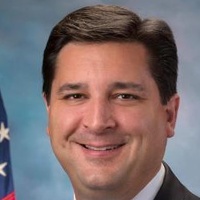
David Rouzer
Representative
NC
David Rouzer
Representative
NC
The Disaster Assistance Fairness Act amends the Stafford Act to ensure that residential common interest communities—including condominiums, housing cooperatives, and manufactured housing communities—can access federal disaster relief. The bill authorizes federal assistance for debris removal on private community property and allows for the repair of essential shared infrastructure following a major disaster.
This bill mandates the termination of the U.S. Department of Education effective December 31, 2026.
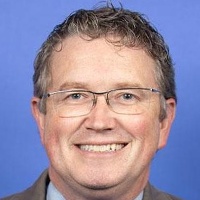
Thomas Massie
Representative
KY
Thomas Massie
Representative
KY
This bill proposes the complete termination of the United States Department of Education. If enacted, the agency would be officially dissolved on December 31, 2026.
This bill provides a 6.62 percent Medicare payment increase for physicians and practitioners from April through December 2025 to help stabilize medical practices.
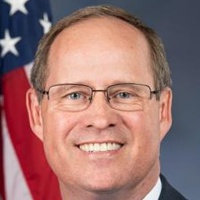
Gregory Murphy
Representative
NC
Gregory Murphy
Representative
NC
The Medicare Patient Access and Practice Stabilization Act of 2025 aims to support healthcare providers by extending Medicare payment adjustments through the end of 2025. Specifically, the bill provides a 6.62 percent payment increase for services rendered between April 1, 2025, and December 31, 2025, to help practitioners adjust to evolving Medicare payment policies.