Legislative Activity
Track Pete's sponsored bills, co-sponsored legislation, and voting record
This Act mandates a comprehensive report to Congress detailing emerging military, cyber, and political threats to the Baltic states and recommending strategies to enhance their security and U.S. partnership.
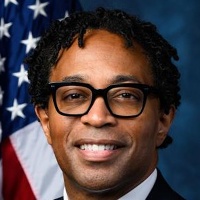
Wesley Bell
Representative
MO
Wesley Bell
Representative
MO
The Baltic Security Assessment Act of 2025 affirms the critical importance of Estonia, Latvia, and Lithuania to U.S. national security amidst Russian aggression. This bill mandates that the Secretary of State and Secretary of Defense deliver a comprehensive report to Congress detailing emerging military, cyber, and political threats to the Baltic states. The report must also recommend specific actions to enhance U.S. and NATO defense cooperation and bolster Baltic resilience.
This Act repeals the federal beneficial ownership information reporting requirements for domestic persons and entities, limiting them only to foreign individuals and foreign-connected companies, and mandates the deletion of existing domestic data.
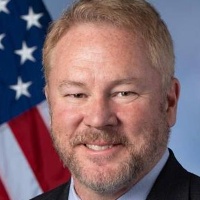
Warren Davidson
Representative
OH
Warren Davidson
Representative
OH
The Repealing Big Brother Overreach Act significantly narrows the federal beneficial ownership information reporting requirements. This legislation limits reporting obligations exclusively to foreign individuals and foreign-connected companies. Furthermore, it mandates the deletion of all previously collected data pertaining to domestic persons and entities.
This bill prohibits liability against energy businesses for damages or relief related to the use of their products, effectively banning climate-related lawsuits in federal and state courts.
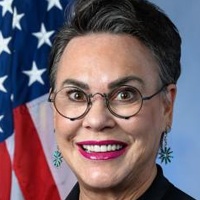
Harriet Hageman
Representative
WY
Harriet Hageman
Representative
WY
This bill, the Stop Climate Shakedowns Act of 2026, prohibits federal and state courts from hearing lawsuits seeking damages or relief against energy companies for harms related to climate change. It voids existing state laws that impose liability on energy businesses for climate-related issues, asserting that the regulation of emissions falls under exclusive federal jurisdiction. The Act aims to protect the energy industry from litigation and ensure affordable, reliable energy.
This bill mandates comprehensive safety upgrades for civilian and military aviation, focusing on collision avoidance technology, air traffic control training, and enhanced airspace transparency, particularly around high-traffic airports.
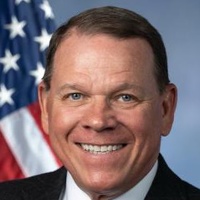
Sam Graves
Representative
MO
Sam Graves
Representative
MO
The Airspace Location and Enhanced Risk Transparency Act of 2026 mandates significant safety upgrades across both civilian and military aviation to prevent midair collisions. It requires the FAA to implement advanced collision avoidance systems and new air traffic controller training, while also compelling the Department of Defense to equip most military helicopters with transponders for increased visibility. The bill establishes new transparency measures, including public tracking of safety rule implementation and enhanced reporting on near-miss incidents, particularly around major airports like Reagan National.
This bill restricts noncitizens receiving federal benefits to repatriating no more than \$1,000 annually, enforced through a new Treasury verification database and penalties for individuals and financial institutions.
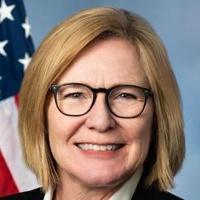
Michelle Fischbach
Representative
MN
Michelle Fischbach
Representative
MN
The Federal Benefits Repatriation Verification Act of 2026 restricts noncitizens receiving federal benefits from sending more than \$1,000 abroad annually. This bill establishes a Treasury database to track these repatriation transfers and requires financial institutions to verify compliance before processing transactions. Violations by individuals result in benefit ineligibility, while non-compliant institutions face significant civil penalties.
This resolution commemorates the 100th anniversary of the Sporting Arms and Ammunition Manufacturers' Institute (SAAMI) and honors its century-long commitment to establishing safety and technical standards for the firearms industry.
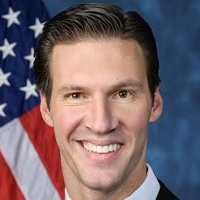
Pat Harrigan
Representative
NC
Pat Harrigan
Representative
NC
This resolution commemorates the 100th anniversary of the Sporting Arms and Ammunition Manufacturers' Institute, Inc. (SAAMI). It honors the organization’s century-long commitment to establishing technical and safety standards that ensure the reliable interoperability of firearms and ammunition. Furthermore, it recognizes SAAMI’s ongoing contributions to public safety, industry innovation, and responsible firearm practices.
The Federal Working Animal Protection Act makes non-citizens who harm law enforcement animals inadmissible to the United States and subject to deportation.
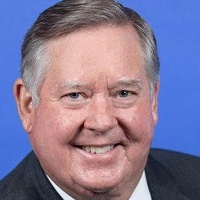
Ken Calvert
Representative
CA
Ken Calvert
Representative
CA
The Federal Working Animal Protection Act amends the Immigration and Nationality Act to make individuals who harm law enforcement animals inadmissible to the United States. Additionally, the bill establishes that such individuals are subject to deportation if they have been convicted of or admit to committing these offenses.
This bill establishes a task force to study the use of AI speech-to-text and automatic speech recognition technologies in U.S. courts and provide recommendations to ensure their use protects constitutional rights and the accuracy of official court records.
Harriet Hageman
Representative
WY
Harriet Hageman
Representative
WY
The Research and Oversight of AI in Courts Act of 2026 establishes a task force to evaluate the use of AI-driven speech-to-text and transcription technologies within the U.S. judicial system. This body will assess the impact of these tools on court record accuracy, cybersecurity, and constitutional rights. Ultimately, the task force will provide Congress with comprehensive recommendations to ensure that the integration of these technologies maintains the integrity of legal proceedings.
This bill prohibits federal agencies from banning the use of lead ammunition and tackle on federal lands and waters unless specific, evidence-based criteria and state-level coordination requirements are met.

Robert Wittman
Representative
VA
Robert Wittman
Representative
VA
The Protecting Access for Hunters and Anglers Act prevents federal agencies from banning the use of lead ammunition and tackle on federal lands and waters open to hunting and fishing. Exceptions to this rule are only permitted if specific, site-based field data proves lead is causing a wildlife population decline and the action is approved by or consistent with state wildlife policies.
The Enhanced Iran Sanctions Act of 2025 mandates broad economic and immigration sanctions on foreign individuals, entities, and financial institutions that support Iran’s nuclear, missile, drone, or terrorist activities, while specifically targeting the country's petroleum and petrochemical sectors.
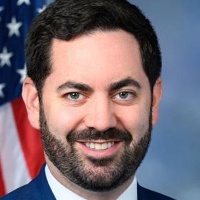
Michael Lawler
Representative
NY
Michael Lawler
Representative
NY
The Enhanced Iran Sanctions Act of 2025 strengthens U.S. policy by imposing mandatory sanctions on foreign persons and financial institutions that support Iran’s nuclear, ballistic missile, drone, and terrorist activities. The bill specifically targets Iran’s petroleum and petrochemical sectors to cut off funding for these malign programs. Additionally, it expands the State Department’s "Rewards for Justice" program to incentivize the reporting of individuals who evade these sanctions.
This bill extends federal whistleblower protections, including criminal penalties for retaliation, to individuals reporting fraud or abuse related to state-administered federal funds.
Michelle Fischbach
Representative
MN
Michelle Fischbach
Representative
MN
This bill extends federal whistleblower protections to individuals who report fraud, waste, or abuse related to state-administered federal funds. It prohibits retaliation against these whistleblowers by state or local officials overseeing federal assistance. Furthermore, the legislation establishes criminal penalties for officials who retaliate and makes compliance a condition for receiving federal funding.
The GEO Act mandates the Secretary of the Interior to continue processing geothermal leasing applications despite pending civil actions, unless a court specifically vacates the lease or issues an injunction.

Celeste Maloy
Representative
UT
Celeste Maloy
Representative
UT
The Geothermal Energy Opportunity (GEO) Act mandates that the Secretary of the Interior must continue processing geothermal leasing applications, including permits and rights-of-way, even if a related civil lawsuit is pending. This requirement remains in effect unless a federal court has specifically enjoined or vacated the lease or authorization. The bill ensures that administrative review proceeds unless explicitly halted by a court order.
This bill seeks to disapprove the Bureau of Land Management's rule regarding the Grand Staircase-Escalante National Monument Resource Management Plan.
Celeste Maloy
Representative
UT
Celeste Maloy
Representative
UT
This bill seeks to disapprove the Bureau of Land Management's recent rule regarding the Grand Staircase-Escalante National Monument Record of Decision and Approved Resource Management Plan. If enacted, this disapproval would nullify the BLM's rule, preventing it from taking effect.
The Dalilah Law restricts commercial driver's license (CDL) eligibility to U.S. citizens, permanent residents, and specific visa holders, while mandating English-language proficiency and imposing federal funding penalties on non-compliant states.
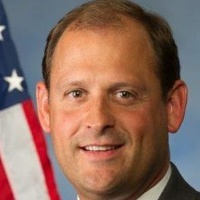
Garland Barr
Representative
KY
Garland Barr
Representative
KY
The Dalilah Law restricts the issuance of commercial driver's licenses (CDLs) to U.S. citizens, lawful permanent residents, and specific work visa holders. The bill mandates English language proficiency for all CDL applicants and requires states to recertify existing license holders. States that fail to comply with these eligibility and testing requirements face the loss of federal transportation funding.
This bill eliminates the income-based tax limitation on the value of medals and prize money awarded to Olympic and Paralympic athletes.
Michelle Fischbach
Representative
MN
Michelle Fischbach
Representative
MN
This bill amends the Internal Revenue Code to permanently exempt all Olympic and Paralympic medals and prize money from federal income tax. By removing previous income-based limitations, this legislation ensures that athletes are not taxed on their competition winnings. These changes will apply to all awards received after December 31, 2025.
This bill nullifies the 2001 Roadless Area Conservation rule and mandates that the Secretary of Agriculture construct necessary roads on National Forest System lands for restoration and fire mitigation purposes.
Harriet Hageman
Representative
WY
Harriet Hageman
Representative
WY
This bill seeks to nullify the 2001 "Roadless Area Conservation" rule, effectively removing existing federal restrictions on road construction within National Forest System lands. It mandates that the Secretary of Agriculture construct new roads to facilitate forest restoration, hazardous fuels reduction, and improved watershed health. All such construction projects would remain subject to existing environmental laws, including the National Environmental Policy Act.
This bill prohibits state and local law enforcement agencies from hiring or retaining non-citizen or non-lawful permanent resident individuals and amends federal firearm restrictions for government entities.
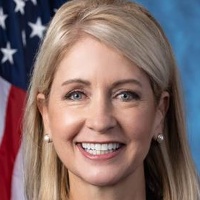
Mary Miller
Representative
IL
Mary Miller
Representative
IL
This bill, the "Stop Illegal Alien Cops Act," prohibits state and local law enforcement agencies from hiring or retaining individuals who are not U.S. citizens or lawful permanent residents. It also amends federal law regarding which firearm restrictions apply to government entities, updating specific exemptions related to firearm sales and possession.
This bill prohibits federal agencies from providing funding or support for the creation or maintenance of state-level firearm ownership databases, with exceptions for records of lost or stolen weapons.

Paul Gosar
Representative
AZ
Paul Gosar
Representative
AZ
The Gun Owner Registration Information Protection Act prohibits federal agencies from providing funding or support for the creation and maintenance of state-level firearm ownership databases. This legislation ensures that federal resources cannot be used to track lawful gun owners, with a specific exception for databases tracking lost or stolen firearms.
This resolution recognizes the 10th anniversary of the first U.S. liquefied natural gas export shipment, celebrating its impact on American energy leadership and global security.
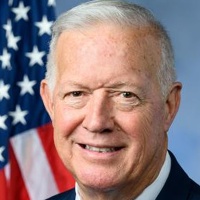
Randy Weber
Representative
TX
Randy Weber
Representative
TX
This resolution recognizes the 10th anniversary of the first liquefied natural gas (LNG) export shipment from the lower 48 states in February 2016. It celebrates this milestone as a turning point that established the U.S. as a leading global LNG supplier, significantly boosting economic growth and strengthening international energy security. The bill honors the innovation and hard work that supported this vital sector.
The Iran Human Rights, Internet Freedom, and Accountability Act of 2026 aims to support the Iranian people by expanding internet access, strengthening sanctions against regime officials, and establishing a Treasury initiative to combat Iranian government corruption and kleptocracy.
Michael Lawler
Representative
NY
Michael Lawler
Representative
NY
The Iran Human Rights, Internet Freedom, and Accountability Act of 2026 aims to support the Iranian people by expanding access to uncensored internet and communication technologies. The bill strengthens U.S. policy against regime repression by mandating investigations into human rights abuses and establishing a new Treasury initiative to combat corruption and money laundering by Iranian officials. Additionally, it enhances congressional oversight of sanctions and promotes independent media to counter state-sponsored censorship.