This Act establishes federal requirements for state-developed concussion safety and management plans for student athletes, mandating immediate removal from play and written medical clearance for return.
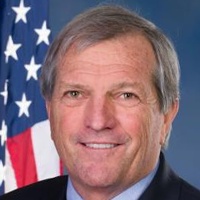
Mark DeSaulnier
Representative
CA-10
The Protecting Student Athletes from Concussions Act mandates that states develop and implement comprehensive concussion safety and management plans for all public schools. These plans require immediate removal from play for suspected concussions and written medical clearance before a student can return to athletics. The bill also establishes annual training requirements and supports for students returning to academics after a concussion, with federal funding tied to state compliance.
Protecting Student Athletes from Concussions Act: New Federal Standards for Return-to-Play and Classroom Support
This bill establishes a nationwide safety net for student athletes by requiring states to implement standardized concussion management plans. It mandates that any student suspected of a concussion during school sports, gym class, or even recess must be immediately pulled from the activity. To get back on the field, the student must receive written clearance from a healthcare professional trained in pediatric brain injuries. Beyond the game, the bill requires schools to provide academic adjustments—like modified assignments or cognitive rest—to help students recover mentally before diving back into full-time schoolwork.
The Sideline Safety Check
The bill changes the 'tough it out' culture by making immediate removal from play a legal requirement across all public schools. Under Section 1, if a coach or school employee even suspects a concussion, the student is done for the day. This applies to everything from varsity football to a game of tag at recess. For a busy parent, this means you won't have to wonder if a coach is qualified to make a medical call; the law requires they bench the student and notify you with details about the injury and the treatment provided. The bill also authorizes $5 million annually through 2028 to help states set up these training and reporting systems.
Back to the Books and the Ball
Recovery isn't just about physical rest; Section 2 focuses on 'Return to Academics.' Schools must form a concussion management team—which might include the school nurse, parents, and teachers—to guide the student back into the classroom. For a student, this could mean shorter school days or a temporary break from big exams while their brain heals. If symptoms linger, the school is encouraged to evaluate the student for more formal support services. To ensure everyone is on the same page, schools are required to post concussion signs, symptoms, and risks visibly on campus and on their websites.
Accountability and the Fine Print
To make sure states actually follow through, the bill uses federal funding as leverage. If a state doesn't submit or implement its plan, the Secretary of Education can withhold 5% of its Title I funding in the first year, jumping to 10% for continued non-compliance. While the bill defines a 'health care professional' strictly as someone with pediatric brain injury experience, the actual implementation of 'academic supports' is left somewhat flexible. This means while the safety floor is higher, the specific help a student gets in the classroom might still vary depending on their school district's resources.