Legislative Activity
Track Mary's sponsored bills, co-sponsored legislation, and voting record
This bill reauthorizes funding for programs supporting the mental health and treatment of officers in crisis for an additional five years, from 2025 through 2029.
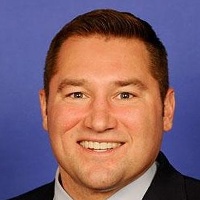
Guy Reschenthaler
Representative
PA
Guy Reschenthaler
Representative
PA
The Reauthorizing Support and Treatment for Officers in Crisis Act of 2025 extends crucial federal funding for programs supporting law enforcement officers in crisis. This bill specifically reauthorizes existing support and treatment initiatives for an additional five years, running from 2025 through 2029. It ensures continued resources are available for officers needing mental health and wellness assistance.
This act removes a federal payment limitation for certain state Medicaid home and community-based services (HCBS) waivers.

Debbie Dingell
Representative
MI
Debbie Dingell
Representative
MI
The HCBS Worker Protection Act of 2025 removes a federal payment limitation for certain home and community-based services (HCBS) waivers under Medicaid. This change grants states greater flexibility in receiving federal matching funds for these essential community services.
This Act establishes a framework for striking workers to access unemployment insurance benefits after a two-week waiting period or the hiring of permanent replacements.
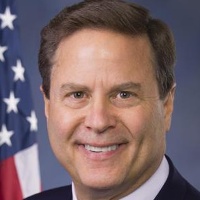
Donald Norcross
Representative
NJ
Donald Norcross
Representative
NJ
The Empowering Striking Workers Act of 2025 establishes a pathway for workers involved in a strike or lockout to receive unemployment insurance benefits after a mandatory 14-day waiting period. This legislation also exempts striking workers from the standard requirement to actively search for new employment while they are unable to work due to the labor dispute.
This Act bans Members of Congress and their immediate families from trading or owning specific investments while in office, requiring divestment within 90 to 180 days or facing significant financial penalties.
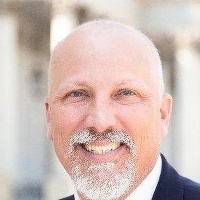
Chip Roy
Representative
TX
Chip Roy
Representative
TX
The Restore Trust in Congress Act establishes strict new rules prohibiting Members of Congress and their immediate families from owning or trading specific financial assets, referred to as "covered investments," while in office. Covered individuals must divest existing prohibited holdings within a set timeframe or face significant financial penalties, including fines and forfeiture of profits. The legislation aims to eliminate conflicts of interest arising from personal financial trading while serving in federal office.
This act prohibits discrimination in federal jury service based on disability or age, ensuring individuals are not excluded if they can perform the essential functions of jury duty with reasonable accommodation.
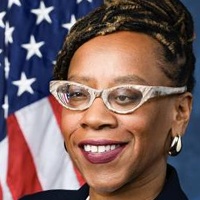
Lateefah Simon
Representative
CA
Lateefah Simon
Representative
CA
This Act prohibits discrimination against individuals based on disability or age in federal jury service. It amends federal law to ensure that a disability cannot be used as a basis for exclusion from a jury unless the individual cannot perform the essential functions of service even with a reasonable accommodation. The legislation updates existing jury qualification standards to reflect this nondiscrimination principle.
The MORE Act seeks to federally decriminalize cannabis, expunge past non-violent federal cannabis convictions, establish reinvestment programs, and open up SBA access for cannabis-related businesses.
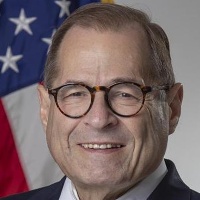
Jerrold Nadler
Representative
NY
Jerrold Nadler
Representative
NY
The Marijuana Opportunity Reinvestment and Expungement (MORE) Act seeks to federally decriminalize cannabis by removing it from the Controlled Substances Act, which will retroactively apply to past offenses. The bill establishes an Opportunity Trust Fund, financed by new cannabis taxes, to reinvest in communities harmed by prohibition. Furthermore, it mandates the expungement of non-violent federal cannabis convictions and opens up Small Business Administration (SBA) programs to legitimate cannabis businesses.
This bill mandates the reinstatement of involuntarily terminated FEMA employees and requires the continuation of existing critical weather preparedness and recovery programs.
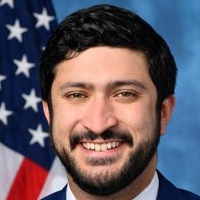
Gregorio Casar
Representative
TX
Gregorio Casar
Representative
TX
The FEMA Critical Staffing Act aims to address increased disaster frequency by immediately reinstating involuntarily separated FEMA employees who wish to return to their positions. This legislation also mandates that the FEMA Administrator must continue all existing, authorized disaster preparedness and recovery programs without making them harder to access. Specifically, the bill requires the immediate restart of the Building Resilient Infrastructure and Communities (BRIC) and flood mitigation assistance programs.
The SUN Act mandates timely and detailed congressional reporting and oversight for the domestic deployment of National Guard and reserve forces by the President, excluding deployments solely for natural disaster relief.
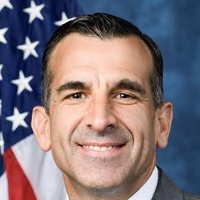
Sam Liccardo
Representative
CA
Sam Liccardo
Representative
CA
The Safeguarding the Use of the National Guard Act (SUN Act) enhances Congressional oversight of the President's domestic deployment of National Guard and reserve forces. It requires the President to submit a detailed report to Congress within 15 days outlining the legal justification, goals, costs, and impact of any domestic deployment. This reporting requirement is waived only when reserve forces are deployed specifically following a Presidential declaration under the Robert T. Stafford Act for a natural disaster.
This resolution terminates the President's declared crime emergency in the District of Columbia, asserting that the emergency is unwarranted and the legal basis for federal MPD control is flawed.
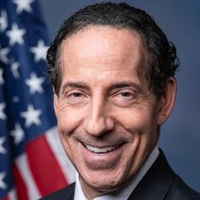
Jamie Raskin
Representative
MD
Jamie Raskin
Representative
MD
This resolution terminates the President's August 11, 2025, declaration of a crime emergency in the District of Columbia. Congress asserts that the President lacks the legal authority under the D.C. Home Rule Act to take operational control of the Metropolitan Police Department. Furthermore, the bill notes that local violent crime rates have been declining significantly.
The Keep Seniors Fed Act amends the Food and Nutrition Act of 2008 to include Title II Social Security payments when calculating eligibility for food assistance benefits.
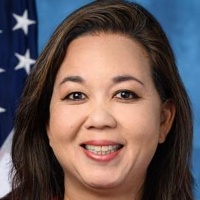
Jill Tokuda
Representative
HI
Jill Tokuda
Representative
HI
The Keep Seniors Fed Act makes technical amendments to the Food and Nutrition Act of 2008 regarding how income is calculated for food assistance eligibility. Specifically, it mandates that income received under Title II of the Social Security Act must now be counted when determining eligibility for benefits. These changes will take effect 90 days after the bill is signed into law.
This Act prohibits grocery stores from price gouging, using personal surveillance data to set individualized prices, and mandates disclosure of facial recognition use, while banning electronic shelf labels in larger stores.
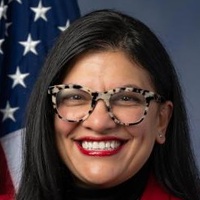
Rashida Tlaib
Representative
MI
Rashida Tlaib
Representative
MI
The Stop Price Gouging in Grocery Stores Act of 2025 aims to protect consumers by prohibiting grocery stores from charging "grossly excessive" prices for food items. The bill also bans stores from adjusting prices based on personal tracking data, such as facial recognition, and requires clear signage if facial recognition technology is used. Furthermore, it mandates that large physical grocery stores must use printed signs instead of electronic shelf labels for displaying prices.
The Land of the Free Act of 2025 repeals the provision of the Immigration and Nationality Act that made certain protected speech activities grounds for deportability.
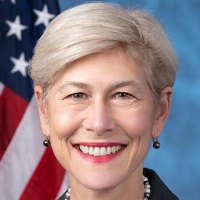
Deborah Ross
Representative
NC
Deborah Ross
Representative
NC
The Land of the Free Act of 2025 repeals a section of the Immigration and Nationality Act that previously made certain protected speech activities grounds for making an alien deportable. This legislation removes a specific restriction, ensuring that engaging in protected speech will no longer be a basis for removal from the United States under that provision.
This bill establishes grants for local election offices to procure and maintain electronic pollbooks and develop systems for reporting real-time voter wait times for federal elections.

Jasmine Crockett
Representative
TX
Jasmine Crockett
Representative
TX
The SWIFT VOTE Act establishes a \$120 million grant program through the Election Assistance Commission (EAC) to help local election offices procure and maintain electronic pollbooks (e-pollbooks). These funds prioritize offices that commit to using the technology to track and publicly report voter wait times for federal elections. Grantees must ensure e-pollbooks meet certification standards and develop training programs focused on accessible technology use.
This act mandates that the Department of Veterans Affairs must provide abortion care, counseling, and related services and medication to eligible veterans and certain other individuals.
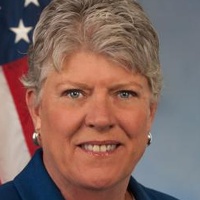
Julia Brownley
Representative
CA
Julia Brownley
Representative
CA
The Reproductive Freedom for Veterans Act mandates that the Department of Veterans Affairs (VA) must now provide abortion care, counseling, and related medication as part of the medical services offered to eligible veterans and certain other beneficiaries. This legislation formally amends existing VA health care provisions to include these reproductive health services.
The ETHICS Act mandates that Members of Congress and their families divest from or place specific stock holdings into qualified blind trusts, increases penalties for STOCK Act noncompliance, and requires publicly searchable online filing of financial disclosure forms.
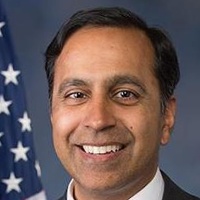
Raja Krishnamoorthi
Representative
IL
Raja Krishnamoorthi
Representative
IL
The Ending Trading and Holdings in Congressional Stocks (ETHICS) Act mandates that Members of Congress and their immediate families divest from or place specific stock holdings into qualified blind trusts to prevent conflicts of interest. The bill also establishes new civil penalties for failing to comply with existing stock trading disclosure laws (the STOCK Act). Furthermore, it requires that congressional financial disclosure forms be made publicly available online in a searchable, machine-readable format.
This bill repeals specific prior health reconciliation provisions and expands eligibility for the Premium Tax Credit by removing the 400% income cap and adjusting the subsidy calculation formula.
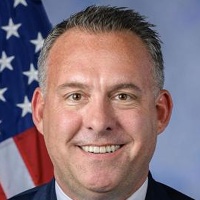
Adam Gray
Representative
CA
Adam Gray
Representative
CA
The Protecting Health Care and Lowering Costs Act of 2025 repeals specific prior reconciliation health provisions. This bill significantly expands eligibility for the Premium Tax Credit by eliminating the 400% Federal Poverty Level income cap. It also updates the subsidy calculation formula to ensure a smoother, linear adjustment of assistance across various income levels.
The EATS Act of 2025 expands eligibility for SNAP benefits by removing previous restrictions for students enrolled at least half-time in recognized educational programs.
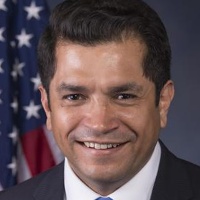
Jimmy Gomez
Representative
CA
Jimmy Gomez
Representative
CA
The EATS Act of 2025 significantly updates eligibility for the Supplemental Nutrition Assistance Program (SNAP) by removing previous restrictions that often disqualified students. This legislation explicitly includes bona fide students enrolled at least half-time in recognized educational programs as eligible participants for food assistance. These changes take effect on January 2, 2026.
This act repeals the prohibition on Medicaid payments to certain healthcare entities and mandates retroactive payment for services already rendered under the repealed ban.
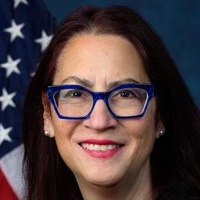
Laura Friedman
Representative
CA
Laura Friedman
Representative
CA
The Restoring Essential Healthcare Act repeals an outdated ban that prevented Medicaid from making payments to certain healthcare providers. This legislation ensures that these previously prohibited entities will now be reimbursed for medical services rendered between the enactment of the original ban and the passage of this Act. In short, it restores payment eligibility and retroactively covers past services.
The Medical Debt Relief Act of 2025 prohibits reporting medical debt to credit bureaus and bans lenders from using medical debt information when making credit decisions.
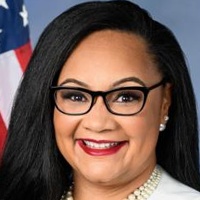
Nikema Williams
Representative
GA
Nikema Williams
Representative
GA
The Medical Debt Relief Act of 2025 aims to shield consumers from the negative impact of medical bills on their financial standing. This legislation prohibits the reporting of any adverse information related to medical debt on consumer credit reports under the Fair Credit Reporting Act. Furthermore, it bans lenders from using a consumer's medical debt history when making decisions about granting credit.
This Act expands FEMA disaster assistance to cover all moisture damage in flood-damaged basements and increases coverage under the Group Flood Insurance Policy.
Rashida Tlaib
Representative
MI
Rashida Tlaib
Representative
MI
The Fix Our Flooded Basements Act of 2025 significantly expands FEMA disaster assistance for flood-damaged basements, covering mold and moisture damage beyond just habitable areas. It mandates increased personal property aid for basement contents, aligning it with Standard Flood Insurance Policy levels. Furthermore, the bill updates the Group Flood Insurance Policy to offer broader eligibility and comprehensive coverage for real and personal property within basements.