
Legislative Activity
Track Tina's sponsored bills, co-sponsored legislation, and voting record
This act increases the federal reimbursement rate for meals and snacks served through the Child and Adult Care Food Program by an additional 10 cents per serving.
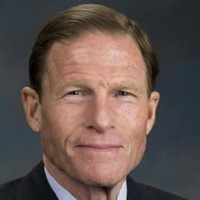
Richard Blumenthal
Senator
CT
Richard Blumenthal
Senator
CT
The Child Care Nutrition Enhancement Act of 2025 increases federal support for meals served through the Child and Adult Care Food Program. This legislation mandates an immediate 10-cent increase for every meal or snack reimbursed under the program. The bill also simplifies the existing reimbursement calculation structure for sponsoring organizations supporting day care homes.
The FIGHT Act of 2025 strengthens federal prohibitions against animal fighting ventures, particularly involving roosters, enhances enforcement mechanisms, and grants citizens the right to sue violators.

John Kennedy
Senator
LA
John Kennedy
Senator
LA
The FIGHT Act of 2025 significantly strengthens federal prohibitions against animal fighting ventures, particularly those involving roosters, by expanding illegal activities to include attendance by minors and gambling. This bill enhances enforcement by tightening restrictions on interstate transport and advertising, while also empowering private citizens to file lawsuits to enjoin violations. Furthermore, the Act allows for the seizure of real property used to facilitate these illegal fighting activities.
The Historic Tax Credit Growth and Opportunity Act of 2025 enhances rehabilitation tax credits by increasing rates for small projects, eliminating the mandatory basis adjustment, and modifying rules for tax-exempt use property.

Bill Cassidy
Senator
LA
Bill Cassidy
Senator
LA
The Historic Tax Credit Growth and Opportunity Act of 2025 significantly enhances the rehabilitation tax credit by setting a standard 20% credit rate and introducing a new, higher 30% rate for qualifying small projects, including special provisions for rural areas. The bill also allows for the transfer of these credits and eliminates the requirement to reduce a property's cost basis when claiming the credit. These changes aim to incentivize the rehabilitation and placement in service of historic properties after the enactment date.
This bill reauthorizes the Trade Adjustment Assistance (TAA) program for workers, firms, and farmers until December 31, 2031, and clarifies the application of TAA rules for petitions filed since mid-2021.
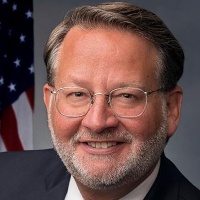
Gary Peters
Senator
MI
Gary Peters
Senator
MI
The Trade Adjustment Assistance Reauthorization Act of 2025 officially extends the Trade Adjustment Assistance (TAA) program, which supports workers, firms, and farmers negatively impacted by trade, through December 31, 2031. This legislation also clarifies the application of TAA rules for petitions filed between July 1, 2021, and the date of enactment, often requiring reconsideration under current standards. Furthermore, it updates the funding and training calculation windows to align with the new program extension dates.
This resolution supports designating Black Maternal Health Week to highlight the crisis of maternal mortality and morbidity among Black women and call for systemic investments to achieve health equity.
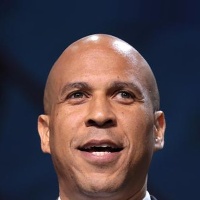
Cory Booker
Senator
NJ
Cory Booker
Senator
NJ
This resolution supports designating a week in April as Black Maternal Health Week to raise national awareness of the severe maternal health crisis facing Black women and birthing people in the U.S. It highlights that systemic racism and discrimination drive unacceptable disparities in maternal mortality and morbidity rates. The resolution calls for specific investments and policy changes, including expanded postpartum coverage and culturally competent care, guided by the voices of the affected community.
This bill expands eligibility for the Noninsured Crop Disaster Assistance Program (NAP) by removing exclusions for crops and grasses used for grazing.
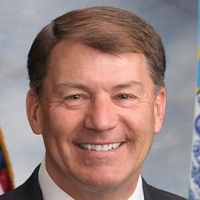
Mike Rounds
Senator
SD
Mike Rounds
Senator
SD
The Noninsured Crop Disaster Assistance Program Enhancement Act of 2025 expands eligibility for disaster assistance under the NAP. This legislation removes the previous exception that excluded certain crops and grasses used for grazing from receiving aid. Consequently, grazing crops will now be treated equally with other crops when seeking disaster relief through the program.
The Pursuing Equity in Mental Health Act increases funding for mental health grants and research, mandates studies on racial and ethnic minority mental health disparities, and establishes culturally competent outreach strategies.

Mazie Hirono
Senator
HI
Mazie Hirono
Senator
HI
The Pursuing Equity in Mental Health Act aims to address mental health disparities affecting racial and ethnic minority groups through several key actions. It increases funding for existing grant programs, mandates a comprehensive study by the National Academies to identify mental health research gaps in minority populations, and supports the development of culturally competent health professional training. Finally, the bill establishes a national outreach and education strategy while providing significant new funding to the NIH and NIMHD to advance relevant research and community engagement.
This Act revises eligibility criteria for child care centers, streamlines serious deficiency reviews, adjusts meal reimbursement limits, changes funding benchmarks, and establishes an advisory committee to reduce administrative paperwork.
Richard Blumenthal
Senator
CT
Richard Blumenthal
Senator
CT
The Early Childhood Nutrition Improvement Act aims to strengthen federal meal programs for child care centers by clarifying eligibility rules and mandating annual reviews for certain providers. It directs the Secretary of Agriculture to review and update procedures for handling serious deficiencies, ensuring fairness and distinguishing between minor errors and systemic failures. Furthermore, the bill limits reimbursement caps for extra meals, changes the inflation metric used for funding adjustments, and establishes an advisory committee to significantly reduce administrative paperwork.
This resolution officially designates the week of April 19 through April 27, 2025, as "National Park Week" to celebrate the history, value, and importance of the National Park System.
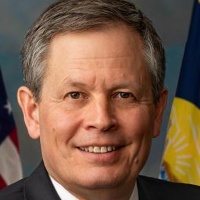
Steve Daines
Senator
MT
Steve Daines
Senator
MT
This resolution officially designates the week of April 19 through April 27, 2025, as "National Park Week." It recognizes the historical significance and vital mission of the National Park Service in preserving America's natural and cultural treasures. The bill encourages the public to visit, experience, and support these cherished sites during this designated week.
This Act establishes a new CDC center to declare racism a public health crisis and funds research and programs to dismantle structural racism and study the public health impacts of police violence.

Elizabeth Warren
Senator
MA
Elizabeth Warren
Senator
MA
The Anti-Racism in Public Health Act of 2025 establishes the National Center on Antiracism and Health within the CDC to declare racism a public health crisis and research its impacts. This Act mandates the creation of a new CDC program dedicated to researching police violence and developing public health strategies to prevent related injuries and deaths. Ultimately, the bill aims to dismantle structural racism in health systems through dedicated research, data collection, and community investment.
This Act expands market access for state-inspected meat and poultry by allowing their products to be shipped across state lines under federal approval.
Mike Rounds
Senator
SD
Mike Rounds
Senator
SD
The New Markets for State-Inspected Meat and Poultry Act of 2025 updates federal law to allow meat and poultry inspected under approved state programs to be sold across state lines. This legislation grants the Secretary authority to permit interstate commerce for these state-inspected products. Furthermore, it prevents individual states or localities from blocking the entry or sale of products already deemed compliant for interstate commerce.
This bill establishes a new refundable Child Tax Credit system providing advance monthly payments and creates a separate credit for other dependents, replacing the existing annual credit structure.

Michael Bennet
Senator
CO
Michael Bennet
Senator
CO
The American Family Act fundamentally restructures the Child Tax Credit by replacing the annual lump sum with advance monthly payments for qualifying children. This legislation establishes a new refundable monthly credit of up to $360 per child, alongside a separate $500 non-refundable credit for other dependents. These advance payments are subject to income phase-outs and will reconcile with the final tax return. The old annual Child Tax Credit is terminated for tax years beginning after December 31, 2024.
This Act mandates annual reporting and risk-based testing of imported organic animal feedstuffs for prohibited residues, with immediate consequences for shipments that fail testing.
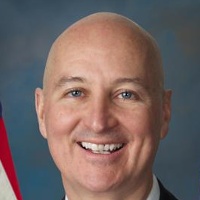
Pete Ricketts
Senator
NE
Pete Ricketts
Senator
NE
The Organic Imports Verification Act of 2025 mandates annual reporting to Congress on residue testing for imported organic animal feedstuffs, especially those shipped in bulk. The Secretary of Agriculture must develop a risk-based plan to determine which imported organic feeds will undergo annual residue testing. If testing reveals prohibited substances above established organic limits, the affected feedstuff cannot be sold or labeled as organic.
The Tax Cut for Workers Act of 2025 permanently expands and significantly boosts the Earned Income Tax Credit for workers without qualifying children, lowers the minimum age for eligibility, and allows taxpayers to elect to use prior year income for the credit calculation.

Catherine Cortez Masto
Senator
NV
Catherine Cortez Masto
Senator
NV
The Tax Cut for Workers Act of 2025 significantly expands and makes permanent the Earned Income Tax Credit (EITC) for workers without qualifying children by lowering the minimum age, substantially increasing the credit amount, and raising income thresholds. It also allows taxpayers to elect to use higher prior-year earned income to calculate their current EITC benefit. Furthermore, the bill permanently extends current EITC application rules for U.S. territories like Puerto Rico.
This bill bans the manufacture, transfer, and possession of devices and modified firearms designed to significantly increase the firing rate of semiautomatic weapons, requiring registration for existing modified firearms.

Martin Heinrich
Senator
NM
Martin Heinrich
Senator
NM
The Banning Unlawful Machinegun Parts Act (BUMP Act) prohibits the manufacture, sale, and possession of devices or modifications that significantly increase the firing rate of semiautomatic firearms to mimic machinegun function. Existing owners of such modified firearms must register them within 120 days of enactment to maintain lawful possession. This legislation updates federal law by classifying these rate-of-fire-enhancing modifications as regulated items under the National Firearms Act.
The REPAIR Act mandates that automakers provide independent mechanics and consumers with fair access to vehicle data, tools, and parts to ensure competitive and accessible auto repair options.
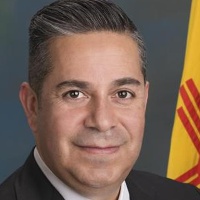
Ben Luján
Senator
NM
Ben Luján
Senator
NM
The REPAIR Act aims to ensure consumers and independent mechanics have fair access to the necessary vehicle data, tools, and parts required to service modern vehicles. This legislation prevents manufacturers from creating technological or contractual barriers that restrict competition in the automotive repair market. The Federal Trade Commission (FTC) is tasked with enforcing these new standards and creating rules to protect consumer data rights. Ultimately, the bill promotes consumer choice and fosters a competitive environment for vehicle maintenance and repair services.
This Act establishes initiatives to coordinate and expand USDA organic research, update the Organic Research and Extension Initiative, fund research on the transition to organic farming, and mandate a comprehensive economic study of organic production and markets.
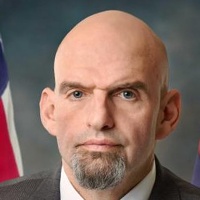
John Fetterman
Senator
PA
John Fetterman
Senator
PA
The Organic Science and Research Investment Act of 2025 aims to significantly boost federal support for organic agriculture. It establishes a new initiative to coordinate and strategically plan USDA organic research efforts across multiple agencies. The bill also increases funding and updates focus areas for the existing Organic Research and Extension Initiative, including climate change mitigation and traditional ecological knowledge. Finally, it mandates new research programs focused on the transition to organic farming and comprehensive economic studies of the organic sector.
This Act establishes federal minimum standards for collective bargaining rights for public employees, allowing states to maintain their existing laws if they meet or exceed these standards, with the Federal Labor Relations Authority overseeing compliance.
Mazie Hirono
Senator
HI
Mazie Hirono
Senator
HI
The Public Service Freedom to Negotiate Act of 2025 establishes federal minimum standards for collective bargaining rights for public employees across the nation. It tasks the Federal Labor Relations Authority (FLRA) with reviewing state laws to ensure they substantially provide these minimum rights, taking over administration where state laws fall short. The Act explicitly protects existing labor agreements while prohibiting strikes or lockouts that would endanger public safety services. Finally, it ensures that existing state or local laws providing equal or greater protections are not preempted by this federal minimum standard.
The Jobs in the Woods Act establishes a competitive grant program through the Secretary of Agriculture to fund forestry workforce training in eligible low-income rural areas with reliable internet access.
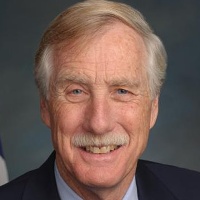
Angus King
Senator
ME
Angus King
Senator
ME
The Jobs in the Woods Act establishes a new competitive grant program administered by the Secretary of Agriculture to fund forestry workforce development. These grants aim to support training programs for forestry jobs specifically within eligible, low-income rural communities that meet certain broadband standards. Eligible entities can apply for grants between $\$500,000$ and $\$2$ million over four years, with priority given to programs addressing workforce shortages and ensuring job placement.
The Raise the Wage Act of 2025 phases in increases to the federal minimum wage, eliminates subminimum wages for tipped employees and workers with disabilities, and sets a timeline for ending the subminimum wage for young workers.

Bernard Sanders
Senator
VT
Bernard Sanders
Senator
VT
The Raise the Wage Act of 2025 systematically increases the federal minimum wage to \$17.00 per hour over five years, after which it will be indexed to median wage growth. This legislation also phases out the subminimum wage for tipped employees and workers with disabilities, requiring them to eventually earn the standard federal minimum wage. Furthermore, the bill repeals the special minimum wage for workers under 20 once their rate catches up to the standard minimum.