
Legislative Activity
Track Tina's sponsored bills, co-sponsored legislation, and voting record
This bill establishes advance appropriations for the Bureau of Indian Affairs, Bureau of Indian Education, and Indian Health Service starting in fiscal year 2026, while also requiring more detailed, forward-looking budget justifications from these agencies.
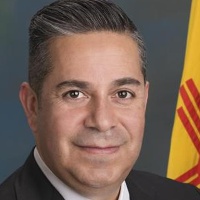
Ben Luján
Senator
NM
Ben Luján
Senator
NM
The Indian Programs Advance Appropriations Act of 2025 establishes advance funding mechanisms for the Bureau of Indian Affairs (BIA), Bureau of Indian Education (BIE), and the Indian Health Service (IHS), beginning in fiscal year 2026. This legislation requires these agencies to provide Congress with detailed budget estimates looking one year ahead of the proposed budget year. Additionally, the bill mandates annual consultation with Tribal nations and reporting on resource sufficiency for the upcoming fiscal year.
The Keep Billionaires Out of Social Security Act aims to protect Social Security from external government agencies, restrict political access to sensitive data, stabilize office operations, reestablish key oversight offices, and increase funding for customer service and disability applicant assistance.
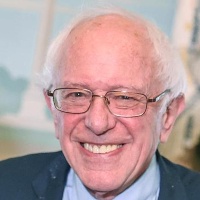
Bernard Sanders
Senator
VT
Bernard Sanders
Senator
VT
The Keep Billionaires Out of Social Security Act aims to protect Social Security from external government interference, specifically exempting it from the jurisdiction of the new Department of Government Efficiency (DOGE). The bill also tightens restrictions on political appointees accessing beneficiary data, mandates that only verified deceased individuals are added to the Death Master File, and locks in current SSA office levels. Finally, it allocates significant new funding for improving customer service, modernizing technology, and establishing state and community grants to assist disability applicants.
This resolution honors the victims and survivors of the August 27, 2025, mass shooting at Annunciation Catholic Church and School in Minneapolis while commending the bravery of first responders and the resilience of the affected community.

Amy Klobuchar
Senator
MN
Amy Klobuchar
Senator
MN
This resolution formally honors the victims and survivors of the August 27, 2025, mass shooting at the Annunciation Catholic Church and School in Minneapolis. It recognizes the tragic loss of life and injuries sustained during the attack. Furthermore, the resolution commends the bravery of first responders and community members who assisted during the crisis. Finally, it expresses the Senate's solidarity with the affected community and condemns all acts of violence.
The Telehealth Modernization Act extends key Medicare telehealth flexibilities until 2027, extends the Acute Hospital Care at Home waiver until 2030, enhances DME program integrity, and mandates guidance for LEP telehealth access.

Tim Scott
Senator
SC
Tim Scott
Senator
SC
The Telehealth Modernization Act primarily extends key Medicare telehealth flexibilities, such as geographic and audio-only options, until September 30, 2027. The bill also extends the Acute Hospital Care at Home waiver through 2030 and mandates a comprehensive study comparing home-based and traditional hospital care. Additionally, it introduces new program integrity measures for Durable Medical Equipment (DME) and requires guidance to ensure language access for Limited English Proficiency patients utilizing telehealth.
This act repeals the federal allowance for state right-to-work laws to override the National Labor Relations Act.

Elizabeth Warren
Senator
MA
Elizabeth Warren
Senator
MA
The Nationwide Right To Unionize Act seeks to strengthen union organizing rights across the country. It achieves this by repealing the section of federal law that currently allows state "right-to-work" laws to override federal labor protections. This change effectively removes the federal permission for states to enforce laws prohibiting mandatory union membership or fee payment as a condition of employment.
This Senate resolution declares a lack of confidence in Secretary of Health and Human Services Robert F. Kennedy Jr. due to alleged undermining of public health, scientific integrity, and unlawful actions, demanding his removal from office.

Angela Alsobrooks
Senator
MD
Angela Alsobrooks
Senator
MD
This Senate resolution expresses a profound lack of confidence in Secretary of Health and Human Services Robert F. Kennedy Jr., citing numerous actions that allegedly undermine public health, scientific integrity, and the legal duties of his office. The resolution details accusations of illegal funding cuts, mass firings of career staff, and the dismantling of key advisory committees. Therefore, the Senate declares that the Secretary should be removed from his position.
This bill amends the Community Development Banking and Financial Institutions Act to significantly increase capitalization assistance for Community Development Financial Institutions (CDFIs) to enhance their liquidity.
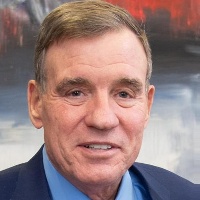
Mark Warner
Senator
VA
Mark Warner
Senator
VA
This bill amends the Community Development Banking and Financial Institutions Act to enhance liquidity for Community Development Financial Institutions (CDFIs). It authorizes the Fund to provide capitalization assistance, such as purchasing loans or offering guarantees, to organizations that support CDFIs. The legislation significantly raises the funding cap for this assistance and mandates annual reporting to Congress on its impact.
This bill increases the maximum microloan amount, allows loan funds for building costs, adjusts the required matching percentage, and extends the authorization timeline for the Rural Microentrepreneur Assistance Program.
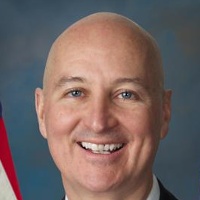
Pete Ricketts
Senator
NE
Pete Ricketts
Senator
NE
The Rural Microentrepreneur Assistance Act of 2025 aims to strengthen support for small businesses in rural areas by increasing the maximum microloan amount to $\$75,000$ and allowing loan funds to cover building and construction costs. This legislation also extends the program's authorization through 2030. A key change requires microloan organizations to now match 100 percent of federal funds received.
This Act extends key clean energy tax credits for homeowners and producers while adjusting the phase-out timeline for electricity production credits based on emissions targets.
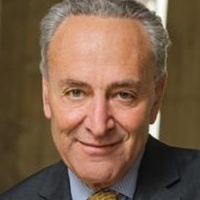
Charles Schumer
Senator
NY
Charles Schumer
Senator
NY
The Lowering Electric Bills Act extends crucial tax credits for residential clean energy installations until 2034. It also modifies the phase-out schedule for the Clean Electricity Production and Investment Credits, tying their continuation to achieving specific emissions reduction targets or the year 2032. These changes aim to provide long-term stability for clean energy investments.
This resolution recognizes the 20th anniversary of the Renewable Fuel Standard and affirms its foundational role in strengthening American energy security, supporting rural economies, and improving environmental performance.
Pete Ricketts
Senator
NE
Pete Ricketts
Senator
NE
This resolution celebrates the 20th anniversary of the Renewable Fuel Standard (RFS), recognizing its foundational role in strengthening American energy security and supporting rural economies. It affirms that the RFS has successfully driven innovation, reduced greenhouse gas emissions, and provided significant economic benefits nationwide. The bill concludes by supporting the continued diversification of the nation's transportation fuel supply through the RFS.
This concurrent resolution recognizes the 50th anniversary of the Helsinki Final Act and reaffirms the United States' enduring commitment to its foundational principles of security, cooperation, and human rights.
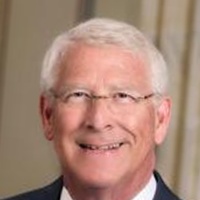
Roger Wicker
Senator
MS
Roger Wicker
Senator
MS
This concurrent resolution commemorates the 50th anniversary of the Helsinki Final Act, a landmark 1975 agreement establishing principles for security, economic cooperation, and human rights among signatory nations. Congress reaffirms the United States' enduring commitment to these foundational principles, especially in light of current violations by some states. The resolution urges all signatories to uphold their commitments and calls for public observance of this diplomatic milestone.
This Act authorizes the President to impose asset freezes and visa bans on foreign individuals and groups whose actions threaten the peace, security, or stability of the West Bank.
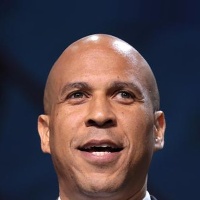
Cory Booker
Senator
NJ
Cory Booker
Senator
NJ
The West Bank Violence Prevention Act of 2025 mandates the President to impose targeted sanctions, including asset freezes and visa bans, on foreign individuals or groups whose actions threaten the peace and stability of the West Bank. These penalties specifically target those involved in violence against civilians, property destruction, or terrorism. The law requires regular reporting to Congress detailing those sanctioned and the steps being taken to mitigate violence in the region.
The Drug Shortage Prevention Act of 2025 strengthens requirements for drug makers to notify the government about potential supply disruptions for critical medicines and mandates more frequent, detailed reporting on their active pharmaceutical ingredient supply chains.
Amy Klobuchar
Senator
MN
Amy Klobuchar
Senator
MN
The Drug Shortage Prevention Act of 2025 aims to strengthen the nation's drug supply chain by improving how manufacturers report potential disruptions for critical medicines. This legislation mandates earlier and more detailed notifications to the government regarding production halts, demand spikes, or supply interruptions for life-supporting drugs. Furthermore, it requires drug makers to report their active pharmaceutical ingredient (API) suppliers twice annually, increasing transparency into the entire supply chain.
This Act amends federal law to ensure the Ysleta del Sur Pueblo and the Alabama-Coushatta Tribe of Texas are regulated solely under the Indian Gaming Regulatory Act (IGRA), aligning them with all other tribal gaming operations nationwide.
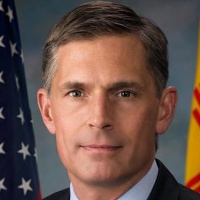
Martin Heinrich
Senator
NM
Martin Heinrich
Senator
NM
The Tribal Gaming Regulatory Compliance Act aims to streamline gaming regulations for the Ysleta del Sur Pueblo and the Alabama-Coushatta Tribe of Texas. This legislation ensures that these two Tribes are governed exclusively by the Indian Gaming Regulatory Act (IGRA), just like all other federally recognized Tribes. By removing conflicting provisions from their restoration acts, the bill resolves overlapping regulatory authority. This provides regulatory consistency for Tribal gaming operations in Texas.
This Act establishes a new federal program to provide dedicated, long-term funding to states for improving election administration, security, and accessibility, overseen by a new federal office.
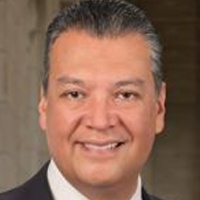
Alejandro Padilla
Senator
CA
Alejandro Padilla
Senator
CA
The Sustaining Our Democracy Act establishes a new federal program to provide annual funding to states specifically for improving election administration, security, and accessibility. This funding is sourced from a dedicated Trust Fund and administered by a new federal office. States must submit detailed plans outlining how they will use the money for upgrades like cybersecurity and expanded voting options, while being prohibited from using funds for voter intimidation or other prohibited activities.
The Warehouse Worker Protection Act establishes new federal standards for warehouse worker quotas, safety, and break requirements, while strengthening protections against retaliation for organizing.
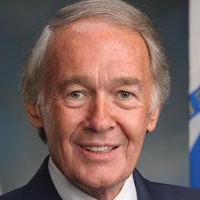
Edward Markey
Senator
MA
Edward Markey
Senator
MA
The Warehouse Worker Protection Act establishes new federal standards to safeguard warehouse employees from excessive performance quotas and unsafe working conditions. It creates a dedicated office within the Department of Labor to enforce transparency requirements regarding quotas and mandates new OSHA standards to prevent musculoskeletal injuries. Furthermore, the bill strengthens labor protections by clarifying when performance targets unlawfully interfere with workers' rights to organize.
This Act increases the tax credit percentage for rehabilitation expenditures on existing buildings that achieve enhanced energy performance through energy efficiency upgrades.
Amy Klobuchar
Senator
MN
Amy Klobuchar
Senator
MN
The Energy Efficiency for Affordable Housing Act increases the tax credit available for rehabilitating existing affordable housing to make it significantly more energy-efficient. This legislation allows eligible projects that achieve "enhanced energy performance" to count 130% of their rehabilitation spending toward the credit, or 160% in high-cost areas. Enhanced performance is defined by meeting new Department of Energy standards or following a qualified retrofit plan designed to cut energy use by 50% or more. These increased credit incentives generally apply to projects allocated after December 31, 2025.
This bill clarifies existing language assistance requirements for elections, provides incentives for voluntary language services, and directs a study on potential threshold changes for mandatory translation coverage.
Alejandro Padilla
Senator
CA
Alejandro Padilla
Senator
CA
The Expanding the VOTE Act clarifies existing requirements for providing voting materials in minority languages under the Voting Rights Act. It establishes a new grant program to incentivize jurisdictions to offer language assistance beyond current mandates. Furthermore, the bill addresses specific provisions for American Indian and Alaska Native languages and directs a study on lowering language assistance thresholds.
This Act improves the Conservation Reserve Program by allowing continuous enrollment for wildlife enhancement land, establishing specific rules for emergency haying during nesting season, providing cost-sharing for grazing infrastructure, and increasing the annual rental payment cap.
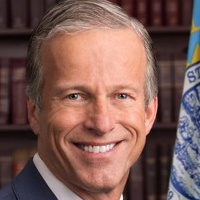
John Thune
Senator
SD
John Thune
Senator
SD
The CRP Improvement and Flexibility Act of 2025 updates the Conservation Reserve Program to enhance flexibility for farmers, particularly regarding land management. Key changes include allowing continuous enrollment for certain wildlife enhancement lands and establishing specific, limited conditions under which emergency haying may occur during the final weeks of nesting season. Furthermore, the bill introduces cost-sharing for necessary grazing infrastructure and significantly raises the maximum annual CRP rental payment cap to \$125,000.
This bill reauthorizes support for state maternal mortality review committees and directs the HHS Secretary to disseminate best practices for preventing maternal deaths.

Shelley Capito
Senator
WV
Shelley Capito
Senator
WV
This bill aims to strengthen efforts to prevent maternal deaths by reauthorizing support for State-based Maternal Mortality Review Committees. It directs the Secretary of Health and Human Services to regularly disseminate proven best practices for maternal mortality prevention to hospitals and professional societies. Furthermore, the legislation increases federal funding dedicated to these crucial prevention initiatives.