
Legislative Activity
Track Tina's sponsored bills, co-sponsored legislation, and voting record
The Child Care for Working Families Act establishes federal entitlements and grants to guarantee access to affordable, high-quality child care and universal preschool while mandating significant wage increases for early childhood educators.
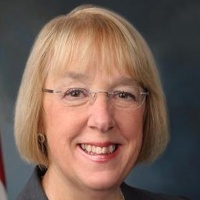
Patty Murray
Senator
WA
Patty Murray
Senator
WA
The Child Care for Working Families Act establishes comprehensive federal programs to guarantee access to high-quality, affordable child care for young children of working families. It mandates significant investments to stabilize the child care workforce by requiring higher provider pay and sets strict caps on costs for parents based on income. Additionally, the bill creates a framework for universal, free preschool for three- and four-year-olds and extends service hours and raises compensation for Head Start staff.
This act reauthorizes and modifies federal programs and funding levels for combating tick-borne diseases through 2030.

Susan Collins
Senator
ME
Susan Collins
Senator
ME
The Kay Hagan Tick Reauthorization Act updates and continues funding for federal programs addressing tick-borne diseases. This legislation modifies the composition of the Vector-Borne Disease Strategy Group and adjusts the authorized funding levels for the national strategy and local health department support through fiscal year 2030.
The Farmers First Act of 2025 expands funding and formalizes partnerships for the Farm and Ranch Stress Assistance Network to better support farmer and rancher mental health.

Tammy Baldwin
Senator
WI
Tammy Baldwin
Senator
WI
The Farmers First Act of 2025 aims to enhance mental health support for agricultural producers. This legislation increases funding for the Farm and Ranch Stress Assistance Network and mandates the inclusion of dedicated crisis lines within its services. Furthermore, it formalizes partnerships between network recipients and various certified healthcare providers to improve access to mental health and substance use treatment.
This bill establishes grant programs and initiatives to expand education, training, research, and public awareness for palliative care and hospice services across the healthcare system.
Tammy Baldwin
Senator
WI
Tammy Baldwin
Senator
WI
The Palliative Care and Hospice Education and Training Act aims to significantly expand the palliative care and hospice workforce through new federal grant and award programs for education, training, and career incentives. The bill also mandates the dissemination of information about palliative care services to patients, families, and providers, while enhancing palliative care research efforts at the National Institutes of Health (NIH). Importantly, the legislation clarifies that funds cannot support activities intended to cause death, ensuring alignment with existing federal funding restrictions.
This bill authorizes the creation and sale of commemorative coins for the 2028 Los Angeles Olympic and Paralympic Games and the 2034 Salt Lake City Winter Olympic and Paralympic Games to help fund their hosting and legacy programs.

Alejandro Padilla
Senator
CA
Alejandro Padilla
Senator
CA
This Act authorizes the creation and sale of commemorative coins to celebrate the upcoming 2028 Summer Olympic and Paralympic Games in Los Angeles and the 2034 Winter Olympic and Paralympic Games in Salt Lake City. The Secretary of the Treasury is empowered to mint various denominations of gold, silver, and clad coins for each event, with designs reflecting American participation. A mandatory surcharge on each coin sold will directly fund the respective organizing committees for the Games and their legacy programs, provided the government recovers all minting costs first.
This Act extends flexibilities for the "Hospital at Home" program until 2030 and mandates a comprehensive comparative study on the quality and cost of acute hospital care provided in the home versus traditional hospital settings.

Tim Scott
Senator
SC
Tim Scott
Senator
SC
The Hospital Inpatient Services Modernization Act extends the flexibility for hospitals to provide acute care services in a patient's home through 2030. The bill also mandates a comprehensive, subsequent study comparing the quality, cost, and patient experience of hospital-at-home care versus traditional inpatient settings. This follow-up report must be submitted to key Congressional committees by September 2028.
This concurrent resolution officially recognizes Black Women's Equal Pay Day to highlight the significant and persistent wage disparity Black women face compared to White, non-Hispanic men.

Lisa Blunt Rochester
Senator
DE
Lisa Blunt Rochester
Senator
DE
This concurrent resolution officially recognizes the significance of equal pay and highlights the persistent wage disparity faced by Black women compared to White, non-Hispanic men. It designates July 10, 2025, as Black Women's Equal Pay Day to draw attention to the economic losses caused by this gap. The resolution underscores that closing this disparity is vital for the economic stability and wealth-building of Black women and their families.
This Act reforms federal homelessness assistance programs by increasing administrative cost caps, modernizing Continuum of Care and Housing Choice Voucher rules, funding technology upgrades, and establishing new coordination and advisory efforts.

Mike Rounds
Senator
SD
Mike Rounds
Senator
SD
The Reducing Homelessness Through Program Reform Act aims to improve federal efforts to combat homelessness by reforming key programs like the Emergency Solutions Grants and Continuum of Care. This bill increases administrative funding caps, introduces greater flexibility in program administration and inspections, and mandates new studies and technology upgrades. Furthermore, it establishes an Advisory Committee on Homelessness and focuses on better coordination between housing, healthcare, and justice systems to improve outcomes.
The VISIBLE Act mandates that federal immigration officers clearly display their agency and identification number or name on their outermost clothing during public enforcement activities to enhance transparency and accountability.
Alejandro Padilla
Senator
CA
Alejandro Padilla
Senator
CA
The VISIBLE Act mandates that federal immigration officers (CBP and ICE) clearly display their agency and name/badge number on their outermost clothing during all public-facing enforcement activities. This law aims to increase transparency and public trust by ensuring officers are easily identifiable from a distance. The Department of Homeland Security must report annually to Congress on compliance rates and disciplinary actions taken for violations. Furthermore, the DHS Office for Civil Rights and Civil Liberties will investigate public complaints regarding these new identification standards.
This bill establishes federal funding and programs through HHS and the Department of Labor to support community-based violence intervention and provide job training for opportunity youth in high-violence areas.
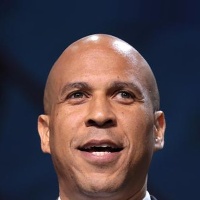
Cory Booker
Senator
NJ
Cory Booker
Senator
NJ
The Break the Cycle of Violence Act establishes a comprehensive federal strategy to reduce community violence through non-carceral, evidence-based interventions. Title I creates a new grant program within HHS to fund local violence intervention programs focused on high-risk individuals and trauma-responsive care. Title II authorizes $1.5 billion in Department of Labor grants to fund year-round job training and workforce development specifically for opportunity youth in high-violence areas. Overall, the bill directs significant federal resources toward community-led solutions that prioritize public health, economic opportunity, and violence reduction.
This act prohibits the use of a victim's sexual orientation or gender identity as a basis for a "panic defense" in federal criminal cases, while requiring annual reporting on bias-motivated crimes against LGBTQ+ individuals.
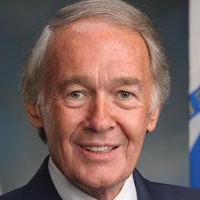
Edward Markey
Senator
MA
Edward Markey
Senator
MA
The LGBTQ+ Panic Defense Prohibition Act of 2025 bans the use of a victim's sexual orientation or gender identity as a justification or mitigation for committing a violent crime in federal court. This legislation aims to eliminate "panic defenses" that wrongly suggest a person's identity can excuse criminal behavior. The bill also mandates an annual report from the Attorney General detailing federal prosecutions of bias-motivated crimes against LGBTQ+ individuals.
The Equal Dignity for Married Taxpayers Act of 2025 systematically updates the Internal Revenue Code to use gender-neutral language when referring to married couples and spouses, without altering existing tax rules.

Ron Wyden
Senator
OR
Ron Wyden
Senator
OR
The Equal Dignity for Married Taxpayers Act of 2025 is a legislative update designed to modernize the Internal Revenue Code by ensuring gender-neutral language is used when referencing married taxpayers and their spouses. This bill systematically replaces outdated gendered terms like "husband and wife" or "his" with inclusive terms such as "married couple" and "spouse." The changes are purely linguistic, ensuring consistency across tax rules without altering any existing tax liabilities or deductions.
This Act extends the deadline for certain legally married couples to amend past tax filings to claim joint filing benefits based on Revenue Ruling 2013-17.

Elizabeth Warren
Senator
MA
Elizabeth Warren
Senator
MA
The Refund Equality Act of 2025 extends the deadline for certain legally married couples to amend past tax returns filed separately before September 16, 2013, based on Revenue Ruling 2013-17. This allows these couples to now file jointly for those years, extending the statute of limitations for filing the joint return and claiming related refunds or credits. These extensions are strictly limited to changes resulting from recognizing their marital status for federal tax purposes.
This Act strengthens protections for domestic violence and stalking survivors by expanding the definition of an intimate partner, clarifying dating relationships, protecting children from dating partners, and prohibiting firearm possession for those convicted of misdemeanor stalking.

Amy Klobuchar
Senator
MN
Amy Klobuchar
Senator
MN
The Strengthening Protections for Domestic Violence and Stalking Survivors Act of 2025 updates definitions to expand protections for victims of intimate partner violence, including broadening who qualifies as an intimate partner. This legislation clarifies what constitutes a "dating relationship" and extends misdemeanor domestic violence protections to children harmed by a parent's dating partner. Crucially, the Act also creates a new federal prohibition preventing individuals convicted of misdemeanor stalking from owning or possessing firearms.
This bill awards the Congressional Gold Medal to honor the extraordinary service and bravery of Army and Navy nurses who served during World War II.
Tammy Baldwin
Senator
WI
Tammy Baldwin
Senator
WI
This bill authorizes the creation and presentation of a Congressional Gold Medal to honor the extraordinary service and sacrifice of Army and Navy nurses who served during World War II. The medal recognizes their bravery in combat zones, dedication despite facing discrimination, and critical role in saving countless lives. The Secretary of the Treasury will strike the medal, which will ultimately be housed at the Smithsonian Institution. The Act also permits the sale of bronze duplicates to cover production costs.
The Global Respect Act of 2025 mandates the identification and inadmissibility of foreign persons responsible for human rights abuses against LGBTQI individuals and enhances related U.S. reporting requirements.

Jeanne Shaheen
Senator
NH
Jeanne Shaheen
Senator
NH
The Global Respect Act of 2025 mandates the President to publicly identify foreign individuals responsible for serious human rights abuses against LGBTQI individuals. Those identified will be deemed inadmissible to the United States, and their visas will be subject to cancellation. The Act also requires enhanced reporting to Congress regarding the identification process and strengthens the State Department's tracking of discrimination based on sexual orientation or gender identity abroad.
This resolution condemns the recent political violence against Minnesota lawmakers and calls for unity and the rejection of political violence nationwide.
Amy Klobuchar
Senator
MN
Amy Klobuchar
Senator
MN
This resolution formally condemns the recent deadly attacks on Minnesota lawmakers and their families, honoring the victims and praising first responders. It serves as a strong statement rejecting political violence as fundamentally incompatible with American democracy. The resolution calls upon all leaders to denounce such acts and urges unity in upholding civil discourse.
This resolution expresses Congressional support for LGBTQI+ equality and designates June 26th as "LGBTQI+ Equality Day" to commemorate key Supreme Court victories and highlight the need for further legislative protections.
Tammy Baldwin
Senator
WI
Tammy Baldwin
Senator
WI
This resolution expresses the Senate's support for the rights and freedoms of LGBTQI+ individuals across the United States. It recognizes key Supreme Court victories that advanced equality while acknowledging the ongoing need for federal legislation to combat discrimination. The bill specifically supports designating June 26th as "LGBTQI+ Equality Day" to commemorate these legal milestones.
This act prohibits the intentional sharing of digital files that program 3D printers to manufacture firearms or essential firearm components.
Edward Markey
Senator
MA
Edward Markey
Senator
MA
The 3D Printed Gun Safety Act of 2025 aims to prevent the proliferation of untraceable firearms manufactured using 3D printing technology. This legislation makes it illegal to intentionally distribute digital files or instructions online that can program a device to manufacture a complete firearm or key firearm components. The goal is to preserve existing gun tracing capabilities and enhance public safety against the threat of ghost guns.
The Women’s Health Protection Act of 2025 establishes a federal right to access abortion services without medically unnecessary state restrictions and protects the right to travel for care.
Tammy Baldwin
Senator
WI
Tammy Baldwin
Senator
WI
The Women’s Health Protection Act of 2025 establishes a federal right to access abortion services without facing state-imposed restrictions that are not medically necessary for comparable procedures. This Act prohibits states from enacting targeted regulations that create hurdles for abortion access, protects the right to travel out of state for care, and allows individuals and the Attorney General to sue to enforce these protections. Ultimately, the bill aims to ensure equitable access to reproductive healthcare decisions based on a provider's good-faith medical judgment.