Legislative Activity
Track Thomas's sponsored bills, co-sponsored legislation, and voting record
This resolution urges the President to prioritize securing the release of specific unjustly detained religious and political figures during future engagements with the President of the People's Republic of China.
Christopher Smith
Representative
NJ
Christopher Smith
Representative
NJ
This resolution urges the President to prioritize securing the release of several specific religious and political detainees, including Pastor Jin Mingri, Pastor Gao Quanfu and his wife Pang Yu, Dr. Gulshan Abbas, and Jimmy Lai, during future engagements with the President of China. It condemns the ongoing detention of these and other individuals by the People's Republic of China. The bill calls for the President to seek proof of life, legal counsel, and medical access for those unjustly held.
This resolution designates specific dates to honor law enforcement officers killed in the line of duty and expresses support for all officers.
Michael Guest
Representative
MS
Michael Guest
Representative
MS
This resolution officially designates May 15, 2026, as Peace Officers Memorial Day and the week of May 10-16, 2026, as National Police Week. It honors the service and sacrifice of law enforcement officers killed in the line of duty, specifically recognizing 363 officers lost in 2025. The bill expresses unwavering support for law enforcement and acknowledges the need for proper resources to ensure officer safety.
This Act establishes a fund administered by a Special Master to compensate law enforcement officers injured or killed while defending the U.S. Capitol on January 6, 2021.
Jamie Raskin
Representative
MD
Jamie Raskin
Representative
MD
This Act establishes the January 6th Law Enforcement Heroes Compensation Fund to provide financial compensation for injuries and deaths sustained by law enforcement officers defending the U.S. Capitol on January 6, 2021. The program will be administered by a Special Master appointed by the Attorney General, who will review claims for economic and noneconomic losses. The bill also mandates an additional, guaranteed payment for all eligible officers, funded in part by certain government settlement amounts related to the attack. Determinations made by the Special Master regarding compensation are final and not subject to judicial review.
This act establishes a new federal income tax credit of up to $2,000 per qualifying child born during the tax year, with options for advance payment.
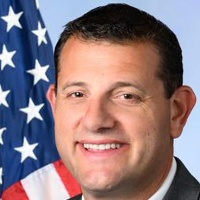
David Valadao
Representative
CA
David Valadao
Representative
CA
The Supporting Newborn Parents Act of 2026 establishes a new federal income tax credit of up to $2,000 for each qualifying child born during the tax year. This credit includes an option for parents to receive an advance payment shortly after the child's birth. The bill also streamlines the application process by collecting necessary election information directly through the Social Security application for a newborn's number.
The GUARD Act expands federal grant funding for state, local, and tribal law enforcement to investigate elder financial fraud, "pig butchering" scams, and general financial fraud, while also mandating comprehensive federal reports on scam trends and enforcement efforts.
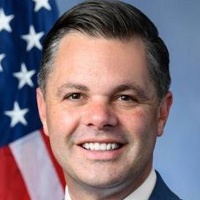
Zachary (Zach) Nunn
Representative
IA
Zachary (Zach) Nunn
Representative
IA
The GUARD Act expands the use of federal grant funds to help state, local, and tribal law enforcement investigate elder financial fraud, "pig butchering" scams, and general financial fraud. This legislation allows agencies to hire specialized staff, receive advanced training on emerging technologies, and acquire necessary investigative tools. Furthermore, the Act mandates comprehensive federal reports to Congress detailing the scope of these scams and the effectiveness of current enforcement efforts.
This Act grants Temporary Protected Status and work authorization to eligible Iranian nationals lawfully present in the U.S. whose immigration applications were halted by the December 2025 adjudication pause.
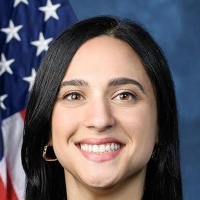
Yassamin Ansari
Representative
AZ
Yassamin Ansari
Representative
AZ
The Iranian Temporary Immigration Relief Act provides temporary protected status and work authorization specifically to Iranian nationals lawfully present in the U.S. whose immigration applications were stalled by a USCIS adjudication pause beginning in late 2025. This designation shields eligible individuals from accruing unlawful presence and protects them from removal while their underlying applications remain unprocessed. The Act mandates swift processing of these temporary status applications and requires regular reporting on the resolution of the paused cases.
This Act prohibits the sale or importation of connected vehicles and components containing hardware or software from covered adversarial countries like China, Russia, Iran, and North Korea, starting in 2027.
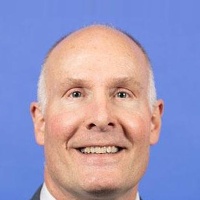
John Moolenaar
Representative
MI
John Moolenaar
Representative
MI
The Connected Vehicle Security Act of 2026 prohibits the sale or importation of connected vehicles, hardware, or software originating from or controlled by designated "covered countries" (North Korea, China, Russia, or Iran). This measure aims to safeguard U.S. economic and national security against risks like espionage and cyber intrusion posed by foreign adversaries exploiting vehicle connectivity technology. The Secretary of Commerce is tasked with issuing regulations to enforce these bans, which begin phasing in starting in 2027, though waivers may be granted under specific national security conditions.
This bill mandates that companies registering securities on U.S. exchanges must disclose their use of goods or materials linked to forced labor in the Xinjiang Uyghur Autonomous Region, subject to independent verification and public availability.
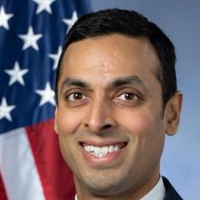
Suhas Subramanyam
Representative
VA
Suhas Subramanyam
Representative
VA
The Uyghur Forced Labor Disclosure Act requires companies listing securities on U.S. exchanges to disclose their supply chain links to goods produced using forced labor in the Xinjiang Uyghur Autonomous Region (XUAR). This mandates detailed public reporting, independent verification of sourcing documentation, and penalties for noncompliance. These disclosure requirements are set to be repealed after eight years or sooner if the President certifies that China has ended human rights abuses in the region.
This resolution condemns antisemitic rhetoric from prominent online figures like Hasan Piker and Candace Owens and urges platforms and leaders to address this hate speech.
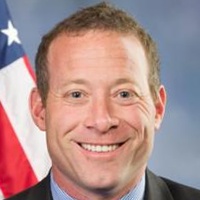
Josh Gottheimer
Representative
NJ
Josh Gottheimer
Representative
NJ
This resolution condemns the antisemitic rhetoric spread by prominent online personalities, citing specific examples from Hasan Piker and Candace Owens. It urges social media platforms and public leaders to denounce this hate-filled content and take action against its dissemination. The bill emphasizes that such online narratives contribute to real-world harm against Jewish communities.
This resolution demands the President provide the House with records concerning the alleged copying and sharing of sensitive Social Security Administration data by a Department of Government Efficiency individual, and any related statements about a presidential pardon.
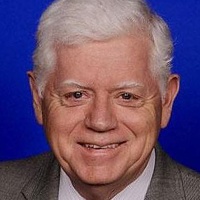
John Larson
Representative
CT
John Larson
Representative
CT
This resolution demands the President provide the House of Representatives with specific records concerning the alleged unauthorized copying and sharing of sensitive Social Security Administration data (like NUMIDENT and death information) by an individual associated with the Department of Government Efficiency. It also seeks documents related to any reported expectations of a presidential pardon concerning these actions. The requested materials must be delivered within 14 days of the resolution's adoption.
This bill officially renames the U.S. Postal Service facility at 2200 South Salina Street in Syracuse, New York, as the "Wallie Howard Jr. Post Office Building."
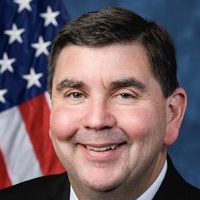
John Mannion
Representative
NY
John Mannion
Representative
NY
This bill officially designates the United States Postal Service facility at 2200 South Salina Street in Syracuse, New York, as the "Wallie Howard Jr. Post Office Building." This renaming standardizes all future references to the building across federal documents and records.
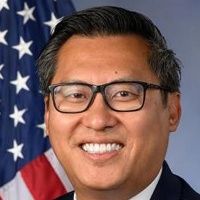
This Act clarifies that clergy are considered employees for Social Security and Medicare tax purposes, mandates employer withholding, and allows previously exempt clergy to revoke their opt-out status.
Vince Fong
Representative
CA
Vince Fong
Representative
CA
This bill amends federal law to reclassify clergy and religious workers as employees for Social Security and Medicare tax purposes, requiring churches to withhold these taxes. It also repeals the existing religious exemption that allows clergy to opt out of Social Security coverage. Furthermore, the Act establishes a process for currently exempt clergy to revoke their exemption and mandates the IRS to report on informing these workers of their new options.
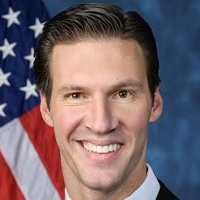
This bill modifies investment credit rules to provide nuclear energy facilities with the same tax credit treatment as energy storage technologies and removes limitations on transferring progress expenditures.
Pat Harrigan
Representative
NC
Pat Harrigan
Representative
NC
This bill amends the Internal Revenue Code to modify investment credit rules specifically for nuclear energy facilities. It grants nuclear power facilities the same investment credit treatment currently available to energy storage technologies, removing prior limitations on public utility property. Additionally, the legislation removes the limitation on transferring progress expenditures for these eligible nuclear credits.
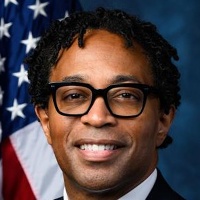
This Act mandates a comprehensive report to Congress detailing emerging military, cyber, and political threats to the Baltic states and recommending strategies to enhance their security and U.S. partnership.
Wesley Bell
Representative
MO
Wesley Bell
Representative
MO
The Baltic Security Assessment Act of 2025 affirms the critical importance of Estonia, Latvia, and Lithuania to U.S. national security amidst Russian aggression. This bill mandates that the Secretary of State and Secretary of Defense deliver a comprehensive report to Congress detailing emerging military, cyber, and political threats to the Baltic states. The report must also recommend specific actions to enhance U.S. and NATO defense cooperation and bolster Baltic resilience.
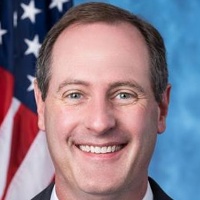
This bill designates April as Distracted Driving Awareness Month to promote efforts to prevent crashes, deaths, and injuries caused by distracted driving.
Tracey Mann
Representative
KS
Tracey Mann
Representative
KS
This bill officially designates April as National Distracted Driving Awareness Month to combat the rising number of tragic crashes caused by distracted driving. It highlights the severe dangers of visual, manual, and cognitive distractions, such as texting while driving. The resolution supports ongoing public education and enforcement efforts aimed at encouraging drivers to put away their phones and focus solely on the road.
This resolution expresses support for recognizing open water lifeguards as first responders and emergency response providers.
Christopher Smith
Representative
NJ
Christopher Smith
Representative
NJ
This resolution expresses strong support for open water lifeguards, recognizing their critical role as first responders and emergency response providers. It urges federal agencies to formally acknowledge the essential, lifesaving work these individuals perform, often at great personal risk. The bill calls for lifeguards to be treated as emergency responders, including eligibility for priority access to resources during public health emergencies.
This bill mandates the Secretary of Homeland Security to designate Haiti for Temporary Protected Status (TPS) until early 2029, overriding other legal requirements.
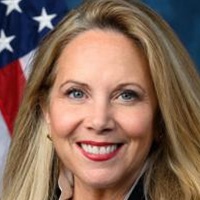
Laura Gillen
Representative
NY
Laura Gillen
Representative
NY
This bill mandates the Secretary of Homeland Security to immediately designate Haiti for Temporary Protected Status (TPS). This designation overrides other legal requirements and will remain in effect until early 2029.
This bill directs the President to comply with the War Powers Resolution's 60-day time limit and 30-day phased withdrawal requirements for U.S. Armed Forces involved in Operation Epic Fury in Iran.
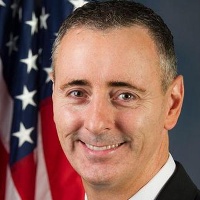
Brian Fitzpatrick
Representative
PA
Brian Fitzpatrick
Representative
PA
This bill directs the President to comply with the 60-day time limit and 30-day phased withdrawal requirements of the War Powers Resolution concerning the use of U.S. Armed Forces in Operation Epic Fury in Iran. It mandates the termination of military force in that operation unless Congress explicitly authorizes continued engagement. The resolution also protects ongoing intelligence sharing activities related to Iranian threats.
This resolution commemorates the 5-year remembrance of the Indianapolis FedEx mass shooting, denounces all forms of anti-Asian hate, and calls for enhanced federal support to combat hate crimes and protect targeted communities.
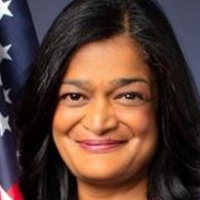
Pramila Jayapal
Representative
WA
Pramila Jayapal
Representative
WA
This resolution commemorates the five-year remembrance of the 2021 Indianapolis FedEx mass shooting, which tragically killed eight people, many of whom were Sikh. It strongly denounces all forms of anti-Asian hate, discrimination, and violence targeting South Asian communities. Furthermore, the resolution calls for strengthening federal programs to combat hate crimes and reaffirms the commitment to protecting the civil rights of all communities.
This bill officially renames the United States Postal Service facility at 1200 William Street in Buffalo, New York, as the William J. Donovan Post Office Building.
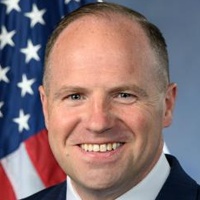
Timothy Kennedy
Representative
NY
Timothy Kennedy
Representative
NY
This bill officially renames the United States Postal Service facility located at 1200 William Street in Buffalo, New York. The facility will now be known as the William J. Donovan Post Office Building. This designation will apply to all federal references to the building.