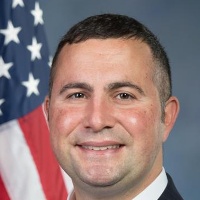
Legislative Activity
Track Darren's sponsored bills, co-sponsored legislation, and voting record
The BALL Act prohibits the use of federal funds for any construction or renovation at the White House or its grounds during a lapse in appropriations, except for essential health and safety repairs.
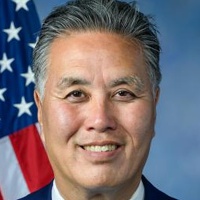
Mark Takano
Representative
CA
Mark Takano
Representative
CA
The BALL Act, or White House Building Activities Locked-out in Lapse Act, prohibits the use of federal funds for any construction or renovation projects at the White House or its grounds during a government shutdown caused by a lapse in appropriations. This spending ban remains in effect until new funding is enacted. The only exception allows for work deemed immediately necessary for health or safety reasons.
This Act ensures the Transportation Security Administration (TSA) can continue its operations during a government funding lapse by utilizing prior-year unobligated balances at the previous spending rate.

Debbie Dingell
Representative
MI
Debbie Dingell
Representative
MI
The Keep Air Travel Safe Act ensures the Transportation Security Administration (TSA) can continue all essential operations during a Congressional funding lapse. It allows the TSA Administrator to use unobligated prior-year funds to maintain activities at the previous year's spending rate. This temporary funding remains active until a new budget is passed or for a maximum of 180 days.
This Act mandates that all states must operate the WIC program and guarantees necessary funding through permanent appropriation starting in fiscal year 2026.
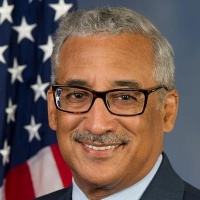
Robert Scott
Representative
VA
Robert Scott
Representative
VA
The WIC Benefits Protection Act mandates that all states must operate the Special Supplemental Nutrition Program for Women, Infants, and Children (WIC). This legislation also guarantees permanent, mandatory funding for WIC starting in fiscal year 2026, ensuring the program has the necessary resources annually. Furthermore, it clarifies eligibility language within the program's governing statute.
This resolution condemns the October 7th Hamas attacks, demands the immediate and unconditional surrender of Hamas and the release of all hostages, and reaffirms support for Israel's right to self-defense while condemning global antisemitism.
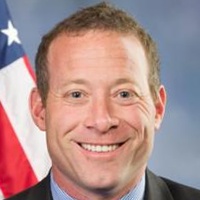
Josh Gottheimer
Representative
NJ
Josh Gottheimer
Representative
NJ
This resolution strongly condemns the brutal October 7th attacks by Hamas, demanding the immediate and unconditional surrender of the terrorist group and the release of all hostages, including Americans. It reaffirms Israel's right to self-defense while urging international action against Hamas and condemning the global surge in antisemitism. The measure serves as a formal statement of U.S. policy and support following the attacks.
This Act authorizes the presentation of a Congressional Gold Medal to recognize the American hostages and victims of the October 7, 2023, attacks by Hamas.
Josh Gottheimer
Representative
NJ
Josh Gottheimer
Representative
NJ
The October 7 Gold Medal Act authorizes Congress to award a Congressional Gold Medal to recognize the American hostages and victims of the brutal October 7, 2023, terrorist attacks in Israel. This medal honors their suffering, sacrifice, and the resilience shown by their families. The Secretary of the Treasury will strike the medal, and bronze duplicates may be sold to cover production costs. The official gold medal will ultimately be displayed at the Weitzman National Museum of American Jewish History.
This Act mandates the creation of a high school curriculum, developed by the U.S. Holocaust Memorial Museum, detailing the antisemitism surrounding the Hamas October 7, 2023, terrorist attacks against Israel.
Josh Gottheimer
Representative
NJ
Josh Gottheimer
Representative
NJ
The October 7 Remembrance Education Act mandates the creation of a high school curriculum focused on the Hamas terrorist attacks against Israel on October 7, 2023. This educational tool must detail the attacks, explore the history of antisemitism leading up to them, and address the spread of related antisemitic rhetoric in the U.S. afterward. The curriculum will be developed by the Director of the U.S. Holocaust Memorial Museum and must adhere to established definitions of antisemitism.
This Act modernizes recreational fishing data collection, mandates regular stock assessments, and increases transparency in fishery management decisions.
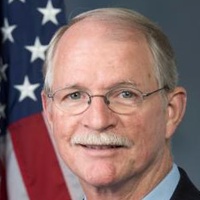
John Rutherford
Representative
FL
John Rutherford
Representative
FL
The Fisheries Data Modernization and Accuracy Act of 2025 aims to significantly improve the reliability and utility of U.S. fisheries data. It mandates reforms to the recreational data collection program (MRIP) by establishing an independent review process when data accuracy falls below set standards. The bill also empowers states to develop and implement their own data collection programs, shifting the federal reliance away from the MRIP baseline. Finally, it requires the establishment of a regular schedule for updating crucial fish stock assessments and promotes the use of independent, external scientific surveys in federal management decisions.
This bill prohibits the termination or layoff of career federal civil service employees during a government shutdown due to a lapse in discretionary funding.
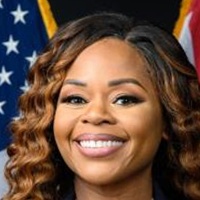
Sheila Cherfilus-McCormick
Representative
FL
Sheila Cherfilus-McCormick
Representative
FL
The Stop Stealing Our Jobs Act prohibits the President or agency heads from firing, laying off, or removing career civil service employees during a government shutdown caused by a lapse in discretionary funding. This protection ensures job security for the career federal workforce, while explicitly excluding political appointees from coverage. The bill clarifies definitions to specify which employees are shielded and which are not.
This Act waives the 10% early withdrawal penalty on Thrift Savings Plan distributions up to $30,000 during a federal government shutdown and provides special provisions for TSP hardship withdrawals and loan payments affected by the lapse in appropriations.
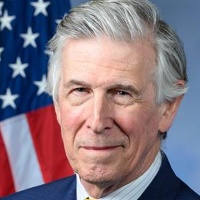
Donald Beyer
Representative
VA
Donald Beyer
Representative
VA
The Emergency Relief for Federal Workers Act of 2025 provides financial relief to federal employees affected by government shutdowns. This bill waives the 10% early withdrawal penalty on Thrift Savings Plan (TSP) distributions up to $30,000 during a qualifying shutdown. Additionally, it allows affected employees greater access to TSP hardship withdrawals and loans, and prevents missed TSP loan payments due to a shutdown from being treated as a taxable distribution.
This Act provides appropriations and mandates contract price adjustments to compensate federal contractor employees for losses incurred due to funding lapses or government shutdowns.
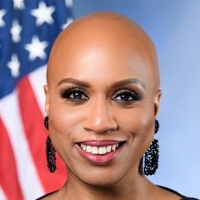
Ayanna Pressley
Representative
MA
Ayanna Pressley
Representative
MA
The Fair Pay for Federal Contractors Act of 2025 ensures that employees of federal contractors are compensated for losses incurred due to government funding lapses or shutdowns. It requires federal agencies to adjust existing contracts to cover reasonable costs associated with furloughs, pay cuts, or mandatory leave taken by contractor employees. The bill appropriates necessary funds to cover these contract price adjustments and mandates public reporting on the compensation provided.
This bill ensures federal firefighters receive uninterrupted pay during fiscal year 2026 budget delays and protects them from layoffs during government shutdowns.
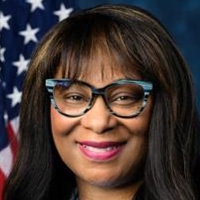
Janelle Bynum
Representative
OR
Janelle Bynum
Representative
OR
The Federal Firefighter Paycheck Protection Act ensures that federal firefighters continue to receive their pay and allowances if Congress delays passing the budget for fiscal year 2026. This legislation also prohibits the reduction in force or layoffs of federal firefighters specifically due to government shutdowns caused by funding lapses. Essentially, this bill protects the paychecks and employment stability of federal firefighters during budget uncertainty.
This bill ensures that essential, furloughed federal employees receive unemployment compensation during government shutdowns in fiscal years 2026 or 2027, with the federal government reimbursing states for all paid benefits and administrative costs.
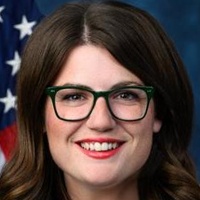
Sarah Elfreth
Representative
MD
Sarah Elfreth
Representative
MD
The Help Federal Employees During Shutdowns Act (Help FEDS Act) ensures that essential, non-paid federal employees working during a government shutdown can receive state unemployment compensation for the weeks they are actively working. This legislation mandates that the federal government fully reimburse states for all benefits paid out, plus administrative costs, directly from the Unemployment Trust Fund. Any employee who receives retroactive pay for a period they were also paid unemployment must repay those benefits to the state.
This bill prohibits the removal of Federal employees during a lapse in discretionary appropriations, ensuring job security for civil servants during government shutdowns.
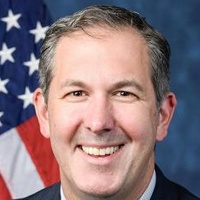
Johnny Olszewski
Representative
MD
Johnny Olszewski
Representative
MD
This bill prohibits federal agencies from removing civil service employees during any lapse in discretionary appropriations, commonly known as a government shutdown. If an employee is terminated in violation of this rule during a shutdown, they will have the option to be reinstated with full back pay once funding resumes. This measure aims to protect federal workers from job loss caused by budget impasses.
This resolution officially designates the week of September 22 through September 28, 2025, as National Falls Prevention Awareness Week to raise public awareness and encourage the prevention of falls among older adults.
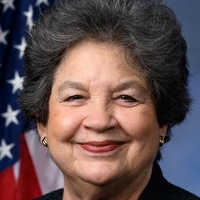
Lois Frankel
Representative
FL
Lois Frankel
Representative
FL
This resolution officially designates the week of September 22 through September 28, 2025, as "National Falls Prevention Awareness Week." The goal is to raise public awareness about the significant dangers of falls among older adults. By highlighting this issue, the measure encourages widespread efforts to promote proven, cost-effective prevention strategies.
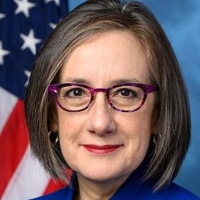
This Act establishes federal grants to fund comprehensive, trauma-informed mental health services and support programs in schools for students facing significant challenges.
Andrea Salinas
Representative
OR
Andrea Salinas
Representative
OR
The Mental Health Services for Students Act of 2025 establishes a new federal program to provide comprehensive, trauma-informed mental health services and supports in schools through grants and contracts. These funds will support partnerships to implement awareness campaigns, staff training on trauma and suicide risk, and direct student and family treatment. The Secretary must ensure equitable distribution of funding, which is capped at \$2 million per award, with Congress authorized to appropriate \$300 million annually for the initial years.
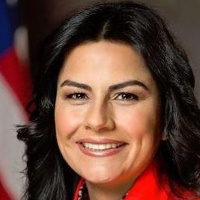
This resolution expresses support for designating September 22, 2025, as "National Hispanic Nurses Day" to recognize the vital contributions of Hispanic nurses and the advocacy work of the National Association of Hispanic Nurses (NAHN).
Nanette Barragán
Representative
CA
Nanette Barragán
Representative
CA
This resolution expresses support for designating September 22, 2025, as "National Hispanic Nurses Day" to recognize the vital contributions of Hispanic nurses to the U.S. healthcare system. It specifically honors the National Association of Hispanic Nurses (NAHN) as the leading organization advocating for this essential group. The designation aims to raise awareness about the role Hispanic nurses play in providing culturally sensitive care and addressing health disparities in diverse communities.
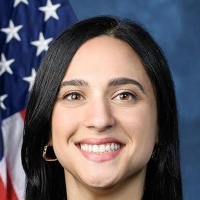
This resolution condemns using federal regulatory power or litigation to suppress lawful political speech critical of a party or the President, warning against authoritarianism.
Yassamin Ansari
Representative
AZ
Yassamin Ansari
Representative
AZ
This resolution strongly condemns attempts to use federal regulatory power or litigation to suppress lawful speech critical of a political party or the President. It reaffirms the fundamental importance of the First Amendment and warns that such actions resemble tactics used by authoritarian regimes. The bill urges government agencies to protect free expression and ensure accountability, not political censorship.
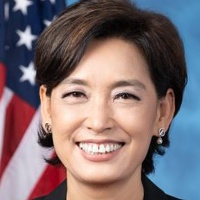
The SHINE for Autumn Act of 2025 establishes federal grants for states to improve stillbirth surveillance, data collection, and risk factor research while mandating the development of standardized educational guidelines on stillbirth.
Young Kim
Representative
CA
Young Kim
Representative
CA
The SHINE for Autumn Act of 2025 aims to significantly improve federal support for state-level stillbirth research and data collection. It authorizes grants for states to enhance surveillance, track risk factors, and build local capacity for analyzing stillbirth data, provided the information remains de-identified. Furthermore, the bill mandates the development of standardized guidelines and educational materials regarding stillbirth awareness and risk factors, developed in consultation with experts and bereaved families.
This bill establishes a mechanism to ensure the Federal Aviation Administration remains funded and operational during a lapse in appropriations.
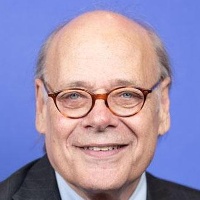
Steve Cohen
Representative
TN
Steve Cohen
Representative
TN
The Aviation Funding Stability Act of 2025 establishes an automatic mechanism to ensure the Federal Aviation Administration (FAA) remains funded during a lapse in appropriations. This allows the FAA to continue essential operations using existing funds from the Airport and Airway Trust Fund until a new budget or continuing resolution is enacted. Funding will cease after 30 days if no new appropriations are passed. This ensures continuity for core FAA programs, including operations, infrastructure, and grants.
This Act mandates that most health insurance plans, Medicare Part D, Medicaid, and CHIP must cover specific, currently recommended vaccines without out-of-pocket costs for a limited time.
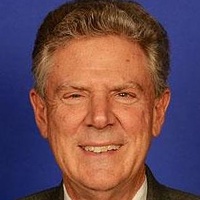
Frank Pallone
Representative
NJ
Frank Pallone
Representative
NJ
The Protecting Free Vaccines Act mandates that most private health insurance plans must cover specific vaccines recommended by the CDC's Advisory Committee on Immunization Practices (ACIP) without any out-of-pocket costs until January 1, 2030. This requirement also updates coverage rules for Medicare Part D, Medicaid, and CHIP to ensure continuity of coverage for these recommended immunizations. The bill locks in coverage based on the ACIP recommendations in place as of October 25, 2024, across various federal health programs.