Legislative Activity
Track Brad's sponsored bills, co-sponsored legislation, and voting record
This bill establishes an Office of Gun Violence Prevention within the Department of Justice to coordinate gun violence prevention efforts, evaluate related programs and policies, recommend evidence-based strategies, and assist communities affected by gun violence.

Maxwell Frost
Representative
FL
Maxwell Frost
Representative
FL
The "Office of Gun Violence Prevention Act of 2025" establishes an Office of Gun Violence Prevention within the Department of Justice, led by a Director appointed by the Attorney General, to coordinate gun violence prevention efforts, evaluate related laws and programs, and recommend evidence-based policies to Congress and the President. The Director will also convene an advisory council comprising various officials and at least 12 additional individuals representing gun violence survivors, community violence intervention service providers, and other relevant groups. The Office will also assist communities affected by gun violence with crisis response activities, such as providing access to mental health services and suicide prevention resources. Finally, the act authorizes the appropriation of necessary funds to carry out the provisions of the bill.
This resolution expresses Congressional opposition to imposing new performance fees or royalties on local radio stations and businesses for broadcasting or playing music.
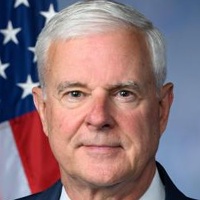
Steve Womack
Representative
AR
Steve Womack
Representative
AR
The Local Radio Freedom Act expresses Congressional opposition to imposing new performance fees, taxes, or royalties on local radio stations and businesses for playing music. It argues that the current system of free airplay provides essential promotional value to artists and that new fees would threaten the financial viability of local broadcasters and the vital community services they provide.
The Honoring Our Fallen Heroes Act of 2025 expands public safety officer benefits to include disability and death coverage for certain cancers presumed to be caused by on-duty exposure to carcinogens, and clarifies "line of duty" definitions for first responder benefits.

Mary Scanlon
Representative
PA
Mary Scanlon
Representative
PA
The Honoring Our Fallen Heroes Act of 2025 expands public safety officer benefits to include deaths and disabilities caused by exposure-related cancers, presuming that certain cancers diagnosed within 15 years of service are line-of-duty injuries if the officer served for at least 5 years. It defines "exposure-related cancer" and allows for updates to the list based on medical evidence, while also permitting individuals to petition for additions. The Act also clarifies "line of duty action" and applies retroactively to claims dating back to January 1, 2020, with a three-year window for filing claims based on these amendments.
The United States-Israel Defense Partnership Act of 2025 bolsters defense cooperation between the U.S. and Israel through joint programs, funding increases, and extended authorities related to countering unmanned systems, anti-tunnel technology, emerging technologies, and war reserve stockpiles, while also exploring Israel's inclusion in the national technology and industrial base and assessing integrated air and missile defense in the CENTCOM region.
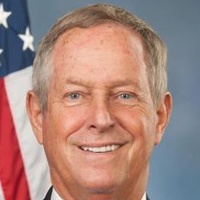
Joe Wilson
Representative
SC
Joe Wilson
Representative
SC
The United States-Israel Defense Partnership Act of 2025 seeks to bolster the defense relationship between the United States and Israel through joint initiatives and increased cooperation. It establishes programs to counter unmanned systems, extend anti-tunnel and counter-UAS cooperation, and promote collaboration in emerging technologies like AI and cybersecurity. The act also mandates the establishment of a Defense Innovation Unit office in Israel and assesses integrated air and missile defense in the U.S. Central Command region. Finally, it explores Israel's potential inclusion in the national technology and industrial base.
The Freight RAILCAR Act of 2025 incentivizes freight railcar modernization by establishing a tax credit for qualified newly built replacement railcars and qualified railcar modernization expenditures.
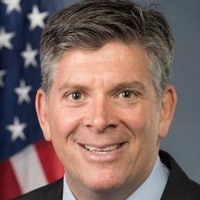
Darin LaHood
Representative
IL
Darin LaHood
Representative
IL
The "Freight RAILCAR Act of 2025" introduces a tax credit for modernizing freight railcars, encouraging investments in newer, more efficient railcars. Taxpayers can claim a credit equal to 10% of their freight railcar fleet modernization expenses, with a limit of 1,000 qualified freight railcars per year. The credit applies to railcars that increase capacity, improve fuel efficiency, or meet updated performance standards, and is available for three years after the Act's enactment. The Secretary of the Treasury is required to submit a report to Congress detailing the credit's usage and impact on railcar modernization and scrapping.
This bill expands tax-advantaged health savings accounts to include over-the-counter oral health products like toothbrushes and floss.
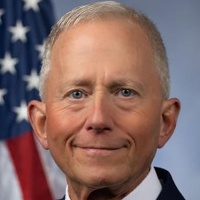
Jefferson Van Drew
Representative
NJ
Jefferson Van Drew
Representative
NJ
The Oral Health Products Inclusion Act allows health savings accounts (HSAs) and Archer MSAs to include over-the-counter oral healthcare products like toothbrushes and water flossers as qualified medical expenses. It also permits health flexible spending arrangements and health reimbursement arrangements to cover these expenses. This applies to expenses incurred after the Act's enactment.
This bill excludes certain veterans’ disability benefits from income calculations for HUD-VASH and other housing assistance programs to increase eligibility for unhoused disabled veterans.
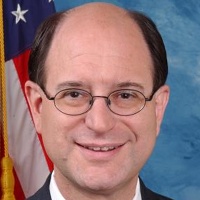
Brad Sherman
Representative
CA
Brad Sherman
Representative
CA
The Housing Unhoused Disabled Veterans Act aims to increase housing accessibility for veterans by excluding VA disability benefits from income calculations for HUD-VASH and other specific housing programs. By disregarding these benefits when determining eligibility, the bill ensures that disabled veterans can more easily qualify for essential housing assistance.
The "Taxpayer Data Protection Act" limits access to the Treasury Department's payment systems to authorized personnel and requires investigation and reporting of unauthorized access.

Haley Stevens
Representative
MI
Haley Stevens
Representative
MI
The Taxpayer Data Protection Act limits access to the Treasury Department's payment systems to Treasury employees or contractors with satisfactory performance reviews and security clearances. It sets specific criteria for individuals accessing the system, including conflict of interest restrictions, training, and ethics agreements. The Act also mandates the Treasury Department's Inspector General to investigate and report to Congress on any unauthorized system use.
The Tax Administration Simplification Act streamlines tax processes by applying the "mailbox rule" to electronic submissions, extends the deadline for S corporation elections, and adjusts quarterly estimated income tax payment dates for individuals.
Darin LaHood
Representative
IL
Darin LaHood
Representative
IL
The Tax Administration Simplification Act aims to modernize and simplify tax processes by applying the "mailbox rule" to electronically submitted documents and payments, allowing more flexibility in S corporation elections, and adjusting the due dates for quarterly estimated income tax payments.
This resolution condemns the wrongful detention and mistreatment of Dr. Gubad Ibadoghlu by the Azerbaijani government and calls for his immediate and unconditional release.
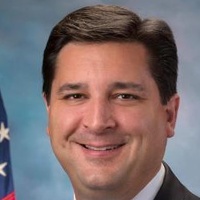
David Rouzer
Representative
NC
David Rouzer
Representative
NC
This resolution condemns the Government of Azerbaijan for the wrongful detention, abuse, and suppression of academic freedom regarding Dr. Gubad Ibadoghlu. It demands his immediate and unconditional release, the provision of necessary medical care, and an end to the harassment of his family. Furthermore, it urges the U.S. Secretary of State to prioritize Dr. Ibadoghlu’s well-being and release in all diplomatic engagements.
The "Agriculture Export Promotion Act of 2025" aims to boost U.S. agricultural exports by increasing funding for the Market Access Program and the Foreign Market Development Cooperator Program.
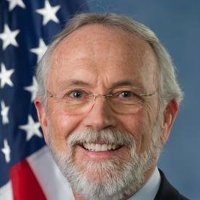
Dan Newhouse
Representative
WA
Dan Newhouse
Representative
WA
The "Agriculture Export Promotion Act of 2025" aims to bolster U.S. agricultural exports by increasing funding for the Market Access Program and the Foreign Market Development Cooperator Program. It amends the Agricultural Trade Act of 1978 to extend and significantly increase financial support for these programs through 2029. These changes seek to address the competitive disadvantage faced by U.S. producers due to increased foreign competition and the impact of inflation on static funding levels. By increasing funding, the Act strives to enhance access to foreign markets, stimulate economic growth, and create jobs within the agricultural sector.
The Protect Our Letter Carriers Act of 2025 authorizes $7 billion to upgrade postal security infrastructure while mandating dedicated federal prosecutors for postal crimes and increasing sentencing guidelines for assaults against postal employees.
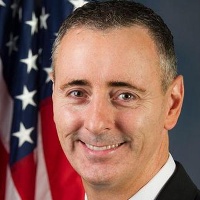
Brian Fitzpatrick
Representative
PA
Brian Fitzpatrick
Representative
PA
The Protect Our Letter Carriers Act of 2025 aims to enhance the safety of postal workers by funding high-security infrastructure upgrades, including electronic mailbox keys. The bill also mandates the appointment of dedicated federal prosecutors for postal crimes in every judicial district and requires stricter sentencing guidelines for those who assault or rob postal employees.
The Scientific Integrity Act mandates federal agencies to establish and enforce scientific integrity policies that protect scientific research from political interference, ensure open communication of scientific findings, and provide whistleblower protection for scientists.
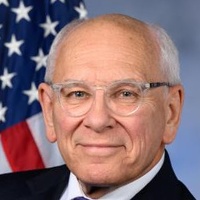
Paul Tonko
Representative
NY
Paul Tonko
Representative
NY
The Scientific Integrity Act mandates that federal agencies that fund, conduct, or oversee scientific research establish and enforce scientific integrity policies. These policies aim to protect scientists from political interference, ensure the open communication of scientific findings, and establish clear processes for reporting and addressing scientific misconduct. The Act requires agencies to appoint Scientific Integrity Officers, provide regular training, and report on misconduct complaints, with oversight from the Office of Science and Technology Policy and Congress. It also protects the rights of federal employees and contractors to share their findings and prevents the suppression or distortion of scientific data.
The "Protecting Sensitive Locations Act" restricts immigration enforcement actions at sensitive locations like schools and places of worship, requiring discretion and oversight.
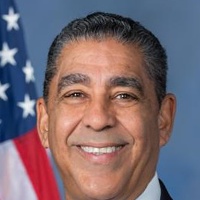
Adriano Espaillat
Representative
NY
Adriano Espaillat
Representative
NY
The "Protecting Sensitive Locations Act" amends the Immigration and Nationality Act to restrict immigration enforcement actions within 1,000 feet of sensitive locations like schools, hospitals, and places of worship, except in exigent circumstances. It mandates training, reporting, and oversight for enforcement activities near these locations, and invalidates evidence obtained in violation of the Act. The Act aims to ensure discretion and limit enforcement impact on sensitive community spaces, while also requiring annual reports to Congress on enforcement actions taken in sensitive locations.
This bill directs the Department of Education to consider the International Holocaust Remembrance Alliance's definition of antisemitism when evaluating discrimination complaints under Title VI of the Civil Rights Act of 1964, while also protecting First Amendment rights.
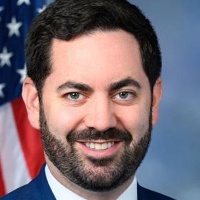
Michael Lawler
Representative
NY
Michael Lawler
Representative
NY
The Antisemitism Awareness Act of 2025 requires the Department of Education to consider the International Holocaust Remembrance Alliance's definition of antisemitism when evaluating discrimination complaints under Title VI of the Civil Rights Act of 1964, concerning race, color, and national origin. This aims to address rising antisemitism in educational settings. The Act clarifies that it does not expand the Department of Education's authority, change existing discrimination standards, reduce existing rights, or infringe upon First Amendment rights.
The Right to Contraception Act establishes a federal right to obtain and use contraception and prohibits government interference with access to contraceptive services and information.

Lizzie Fletcher
Representative
TX
Lizzie Fletcher
Representative
TX
The Right to Contraception Act establishes a federal right for individuals to access and use contraception without government interference. It prohibits federal and state governments from enacting laws that restrict access to contraceptives or the provision of related services. The Act provides clear enforcement mechanisms, allowing individuals and the Attorney General to sue to strike down any rule that violates these protections.
The "Primary Care Enhancement Act of 2025" clarifies the tax treatment of direct primary care (DPC) arrangements, excluding them from being considered a health plan for HSA purposes under certain conditions, and allowing DPC fees to be considered medical expenses.
Lloyd Smucker
Representative
PA
Lloyd Smucker
Representative
PA
The "Primary Care Enhancement Act of 2025" modifies the treatment of direct primary care (DPC) arrangements for health savings account (HSA) purposes. It excludes DPC arrangements from being considered a health plan under certain conditions, such as DPC arrangements solely covering primary care services from primary care practitioners for a fixed periodic fee, with limits on monthly fees, and it treats DPC fees as medical expenses. This act also mandates the reporting of DPC fees on W-2 forms and adjusts fee limits for inflation.
This resolution expresses the House of Representatives' formal disapproval of granting pardons to individuals convicted of assaulting Capitol Police officers.
Bonnie Watson Coleman
Representative
NJ
Bonnie Watson Coleman
Representative
NJ
This resolution expresses the formal disapproval of the House of Representatives regarding the granting of pardons to individuals convicted of assaulting Capitol Police officers. It serves as a clear statement of opposition toward clemency for those who committed violent acts against law enforcement during the attack on the U.S. Capitol.
This bill prohibits the export or sale of petroleum from the Strategic Petroleum Reserve to China, Russia, Iran, North Korea, or any entities controlled by those nations.
Chrissy Houlahan
Representative
PA
Chrissy Houlahan
Representative
PA
The Banning SPR Oil Exports to Foreign Adversaries Act prohibits the sale or export of petroleum from the U.S. Strategic Petroleum Reserve to China, Russia, Iran, North Korea, or entities controlled by these nations. This legislation aims to protect national security by ensuring that emergency oil reserves are not diverted to foreign adversaries. The Secretary of Energy may only waive this prohibition if it is certified to be in the national security interest of the United States.
The NO BAN Act prohibits religious discrimination in immigration and establishes stricter oversight and evidentiary requirements for the President’s authority to suspend or restrict entry into the United States.
Judy Chu
Representative
CA
Judy Chu
Representative
CA
The NO BAN Act prohibits discrimination in immigration based on religion, race, sex, nationality, or place of birth. It also places strict limitations on the President’s authority to suspend or restrict entry into the United States, requiring evidence-based justification, congressional oversight, and public reporting. These measures ensure that any future immigration restrictions are narrowly tailored and subject to judicial review.