Legislative Activity
Track Brad's sponsored bills, co-sponsored legislation, and voting record
This Act establishes a bipartisan Fiscal Commission tasked with developing and reporting legislative recommendations to reduce the national debt, followed by an expedited congressional process for considering those recommendations.
Bill Huizenga
Representative
MI
Bill Huizenga
Representative
MI
The Fiscal Commission Act establishes a bipartisan commission tasked with developing legislative recommendations to improve the nation's long-term fiscal health, aiming to reduce the national debt ratio to 100% of GDP by 2039. This Commission, composed of appointed members from both chambers of Congress and outside experts, must submit its final report and proposed legislation within a specific timeframe. The Act also creates an expedited, amendment-free process for Congress to consider and vote on any resulting "implementing bills."
This Act prohibits the advertising and provision of paid conversion therapy intended to change an individual's sexual orientation or gender identity, empowering the FTC and State Attorneys General to enforce these prohibitions.
Ted Lieu
Representative
CA
Ted Lieu
Representative
CA
The Therapeutic Fraud Prevention Act of 2025 declares that practices attempting to change an individual's sexual orientation or gender identity for payment constitute an unfair and deceptive business practice. Citing professional consensus on the ineffectiveness and harm of such "conversion therapy," the bill prohibits its provision and advertising. Enforcement authority is granted to the Federal Trade Commission (FTC), and the law allows both the U.S. Attorney General and State Attorneys General to file civil actions against violators.
This bill establishes procedures for attributing errors and liabilities between employers and third-party payroll tax payors when filing payroll taxes.
Mike Thompson
Representative
CA
Mike Thompson
Representative
CA
This bill establishes new procedures for the IRS when errors occur in payroll tax filings made by third-party payors, such as Professional Employer Organizations (PEOs). It clarifies the responsibility for resulting tax liabilities or penalties based on whether the payor relied on erroneous information provided by the employer. The legislation aims to fairly allocate responsibility between the employer and the third-party payor when mistakes happen during tax certification and filing.
This act establishes research grants and training programs to develop and implement PFAS-free, next-generation turnout gear to protect firefighters from occupational illness and injury.
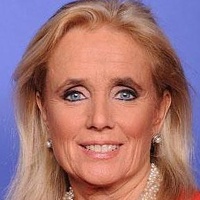
Debbie Dingell
Representative
MI
Debbie Dingell
Representative
MI
The PFAS Alternatives Act aims to protect firefighters by funding research and development for next-generation turnout gear that eliminates harmful PFAS chemicals. The bill establishes grants through NIOSH to create safer, PFAS-free protective equipment and separate funding for training programs on the proper care of this new gear. Ultimately, this legislation seeks to reduce occupational illness and injury among fire and EMS personnel.
This Act establishes federal penalties for assaulting hospital personnel and creates a grant program to help medical facilities improve workforce safety.
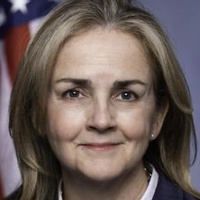
Madeleine Dean
Representative
PA
Madeleine Dean
Representative
PA
The Save Healthcare Workers Act aims to protect hospital personnel by making assault against them a federal crime with severe penalties. It also establishes a new federal grant program to help hospitals implement crucial safety measures, such as violence prevention training and physical security upgrades. This legislation seeks to reduce workplace violence in healthcare settings across the nation.
The Better CARE for Animals Act of 2025 strengthens the enforcement of the Animal Welfare Act by expanding investigative authority, establishing new civil penalties up to \$10,000 per day, and explicitly granting the Attorney General power to file civil actions, including seeking seizure and forfeiture of animals.
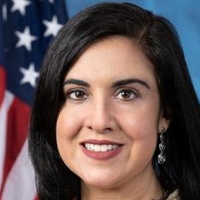
Nicole Malliotakis
Representative
NY
Nicole Malliotakis
Representative
NY
The Better CARE for Animals Act of 2025 significantly strengthens enforcement of the Animal Welfare Act by clarifying definitions and expanding the scope of investigations. It grants the Attorney General explicit authority to file civil actions seeking penalties up to $10,000 per day, and mandates that collected fines help cover temporary animal care costs. The bill also requires the Secretary of Agriculture and the Attorney General to establish a formal agreement for coordinated enforcement.
This Act promotes private employee ownership by extending tax deferrals for S corporation ESOP sales, ensuring ESOP-owned businesses retain small business status, and establishing new Treasury and Labor offices to provide assistance and advocacy.
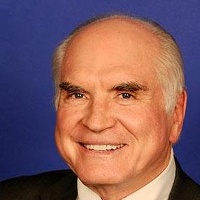
Mike Kelly
Representative
PA
Mike Kelly
Representative
PA
The Promotion and Expansion of Private Employee Ownership Act of 2025 aims to significantly boost employee ownership in S corporations through Employee Stock Ownership Plans (ESOPs). The bill extends key tax deferral benefits for stock sales to ESOPs and removes a major restriction on this tax treatment. Furthermore, it establishes new government offices and an Advocate for Employee Ownership to provide technical assistance and resolve disputes, while ensuring ESOP-owned businesses retain small business status for federal programs.
This bill bans the manufacture, sale, and transfer of specific semiautomatic assault weapons and large-capacity ammunition feeding devices while grandfathering existing possessions and establishing new transfer requirements.
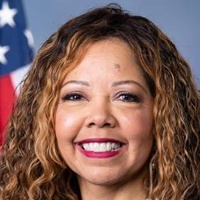
Lucy McBath
Representative
GA
Lucy McBath
Representative
GA
The Assault Weapons Ban of 2025 comprehensively defines and bans the manufacture, sale, and transfer of specific semiautomatic assault weapons and large capacity ammunition feeding devices. The bill grandfathers existing weapons but imposes new requirements for their secure storage and mandates dealer involvement for future private transfers. It also allows federal grant money to be used by states for buy-back programs targeting these banned items.
The Equality Act comprehensively prohibits discrimination based on sex, sexual orientation, and gender identity across key areas including public accommodations, employment, housing, credit, and jury service.
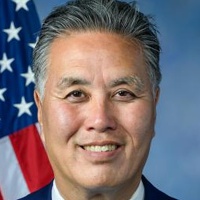
Mark Takano
Representative
CA
Mark Takano
Representative
CA
The Equality Act comprehensively expands federal civil rights protections against discrimination based on sex, sexual orientation, and gender identity across key areas of American life. It amends existing laws to prohibit discrimination in public accommodations, housing, credit, employment, and federal funding. The purpose of the bill is to provide consistent, explicit, and comprehensive remedies for individuals facing bias in these essential sectors.
This bill repeals the Arctic National Wildlife Refuge oil and gas program and designates over 1.5 million acres of the refuge as protected wilderness.
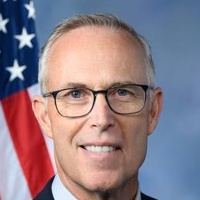
Jared Huffman
Representative
CA
Jared Huffman
Representative
CA
The Arctic Refuge Protection Act officially repeals the previous law authorizing oil and gas leasing in the Arctic National Wildlife Refuge. This legislation simultaneously designates approximately 1.56 million acres within the Refuge as protected wilderness under the National Wilderness Preservation System. The Secretary of the Interior is now required to manage this newly designated land according to strict wilderness preservation standards.
This resolution expresses support for honoring Earth Day, recognizes past environmental achievements, warns against undermining current climate laws, and urges the President to issue a proclamation encouraging environmental action.

Doris Matsui
Representative
CA
Doris Matsui
Representative
CA
This resolution expresses strong support for honoring Earth Day and recognizes its historical importance in launching the modern environmental movement. It highlights ongoing challenges like climate change while celebrating recent landmark investments in clean energy and infrastructure. Ultimately, the bill urges the President to issue a proclamation recognizing Earth Day and encourages all Americans to take sustained action to protect the environment for future generations.
This Act establishes a 30% tax credit for businesses investing in qualifying on-site or municipal water reuse projects to encourage the use of recycled water.
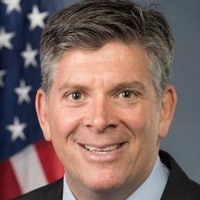
Darin LaHood
Representative
IL
Darin LaHood
Representative
IL
The Advancing Water Reuse Act establishes a new "qualifying water reuse project credit" to incentivize businesses to recycle water. This credit offers a 30% tax break on qualified investments in on-site water recycling systems or infrastructure that supports industrial or commercial water reuse. The tax incentive is designed to encourage the adoption of water conservation technologies until the end of 2032.
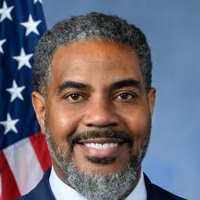
This resolution demands the President provide the House with information regarding recent operational changes at the Social Security Administration, including the cessation of phone applications, office closures, and staffing reductions.
Steven Horsford
Representative
NV
Steven Horsford
Representative
NV
This resolution is an official request from the House of Representatives demanding the President provide specific information regarding recent operational changes at the Social Security Administration (SSA). Congress seeks documents detailing the cessation of phone applications for benefits, any SSA office closures or mergers, and information concerning recent staffing reductions. The inquiry also specifically requests details about the Department of Government Efficiency's access to SSA operations and data.
This bill removes the current restriction preventing direct charitable rollovers from Individual Retirement Accounts (IRAs) to Donor Advised Funds (DAFs).

Adrian Smith
Representative
NE
Adrian Smith
Representative
NE
The IRA Charitable Rollover Facilitation and Enhancement Act of 2025 removes the current restriction preventing individuals from making direct charitable rollovers from their Individual Retirement Accounts (IRAs) to Donor Advised Funds (DAFs). This change immediately allows IRA owners to transfer retirement assets directly to DAFs for charitable purposes. The bill simplifies and enhances charitable giving options for IRA holders.
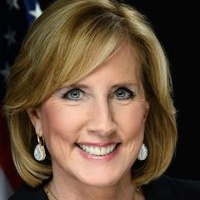
The PACE Act increases the Child and Dependent Care Tax Credit rate, makes it potentially refundable, and raises the exclusion for employer-provided dependent care assistance, with most changes taking effect after 2025.
Claudia Tenney
Representative
NY
Claudia Tenney
Representative
NY
The Promoting Affordable Childcare for Everyone (PACE) Act aims to significantly enhance childcare financial support for families. It restructures the Child and Dependent Care Tax Credit, potentially making it refundable and increasing its maximum rate, while also raising the tax-free exclusion limit for employer-provided dependent care assistance to \$7,500. These key provisions are scheduled to take effect for tax years beginning after December 31, 2025, with future adjustments for inflation built into the new rules.
This bill terminates specific prior presidential tariff orders and requires Congressional approval for the President to impose new trade barriers or withdraw existing trade agreement concessions.

Linda Sánchez
Representative
CA
Linda Sánchez
Representative
CA
This Act immediately terminates specific existing presidential executive orders imposing tariffs. It requires Congressional approval via a fast-tracked joint resolution before the President can impose new trade barriers or withdraw existing trade agreement concessions. This ensures major new trade restrictions require legislative authorization, except in cases involving existing anti-dumping enforcement or specific trade dispute rulings.
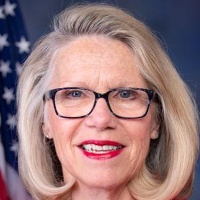
The RESILIENCE Act of 2025 modifies tax rules to allow public utility companies to reduce their adjusted financial statement income by deductions taken for property repair and maintenance costs.
Carol Miller
Representative
WV
Carol Miller
Representative
WV
The Repair Expenditures Support Infrastructure, Labor Investment, Energy Needs, and Creates Equity Act of 2025, or the RESILIENCE Act of 2025, modifies tax rules for public utility companies. This legislation allows utility companies to reduce their adjusted financial statement income by deductions taken for repairing and maintaining their property. The goal is to align these specific repair deductions with existing depreciation rules for tax purposes, effective for tax years beginning after 2024.
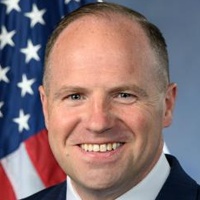
This Act prohibits the transfer or deferral of federal funds specifically appropriated for the National Weather Service and the Great Lakes region within NOAA.
Timothy Kennedy
Representative
NY
Timothy Kennedy
Representative
NY
This Act, the Great Lakes and National Weather Service Funding Protection Act, prohibits the deferral, transfer, or reprogramming of federal funds specifically allocated to the National Weather Service (NWS) and the Great Lakes region. These dedicated funds cannot be moved for other uses unless a subsequent law explicitly overrides this protection. The NOAA Administrator must annually certify compliance with this funding restriction to key Congressional committees.
This act increases the maximum loan amounts available to small businesses under certain SBA programs and mandates annual reporting on the distribution of those enhanced loans.
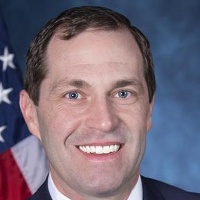
Jason Crow
Representative
CO
Jason Crow
Representative
CO
The Small Business Energy Loan Enhancement Act significantly increases the maximum loan amounts available to eligible small businesses under specific Small Business Administration (SBA) programs, raising the limit from $\$5.5$ million to $\$10$ million. This legislation also mandates that the SBA report annually to Congress detailing the industries and geographic areas benefiting from these enhanced loan categories. The goal is to provide greater financial resources for small businesses through SBA lending.
This resolution demands the President and HHS Secretary provide Congress with documents regarding the "Department of Government Efficiency's" access to sensitive taxpayer and child privacy data from federal hiring and locator services.
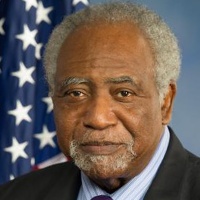
Danny Davis
Representative
IL
Danny Davis
Representative
IL
This resolution is an official request demanding the President and the Secretary of Health and Human Services immediately provide Congress with documents concerning the seizure of legally-protected taxpayer and child privacy data by the "Department of Government Efficiency" (DOGE). Specifically, it seeks records detailing DOGE's access to sensitive worker and financial data stored in the National Directory of New Hires and the Federal Parent Locator Service. The inquiry focuses on the legality, security protocols, and scope of these large-scale data requests, particularly those exceeding 40 million records.