Legislative Activity
Track Marlin's sponsored bills, co-sponsored legislation, and voting record
The Kayleigh’s Law Act of 2026 mandates lifetime no-contact injunctions for defendants convicted of federal violent or sexual crimes to ensure the ongoing protection of victims.

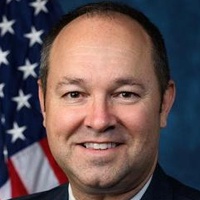
Abraham Hamadeh
Representative
AZ
Abraham Hamadeh
Representative
AZ
The Kayleigh’s Law Act of 2026 mandates that federal courts issue lifetime no-contact orders for defendants convicted of specific violent or sexual offenses. These permanent protections ensure victims are shielded from further harassment without incurring any legal fees. The legislation provides a clear framework for these orders to remain in effect unless a conviction is overturned or specific legal conditions for termination are met.
The Consumer Financial Protection Accountability and Reform Act of 2026 seeks to increase the CFPB’s transparency and accountability by restructuring its funding, refining its enforcement and rulemaking standards, and establishing clearer regulatory oversight for financial institutions and consumer products.
Garland Barr
Representative
KY
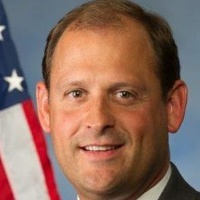
Garland Barr
Representative
KY
The Consumer Financial Protection Accountability and Reform Act of 2026 seeks to restructure the Consumer Financial Protection Bureau (CFPB) by bringing it under congressional appropriations and establishing more rigorous oversight and transparency requirements. The bill introduces stricter standards for enforcement actions, clarifies definitions of abusive practices, and provides new regulatory frameworks for emerging financial products like earned wage access. Additionally, it adjusts supervisory thresholds and limits the Bureau’s ability to use market-monitoring data for enforcement, aiming to increase procedural fairness for both financial institutions and consumers.
The Permanent CBDC Ban Act prohibits the Federal Reserve from issuing a central bank digital currency.
Michael Cloud
Representative
TX
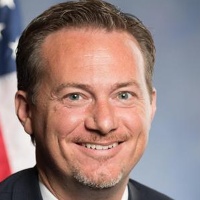
Michael Cloud
Representative
TX
The Permanent CBDC Ban Act seeks to codify a long-term prohibition on the issuance of a Central Bank Digital Currency (CBDC) by the Federal Reserve. By amending the Federal Reserve Act, this legislation aims to permanently restrict the government from implementing a digital dollar.
The Main Street Act aims to foster economic growth by reducing regulatory burdens on community banks, streamlining the application and merger processes, and enhancing transparency in financial supervision.

J. Hill
Representative
AR
J. Hill
Representative
AR
The Main Street Act is comprehensive legislation designed to foster a more competitive and accessible banking environment by reducing regulatory burdens on community banks and credit unions. The bill streamlines application processes, modernizes supervision standards, and enhances transparency across federal financial agencies to encourage local lending and economic growth. Additionally, it promotes innovation and financial stability by facilitating bank-fintech partnerships and improving the tools available for managing liquidity and bank resolutions.
This resolution expresses support for the inaugural Freedom 250 Grand Prix in Washington, D.C., while honoring the historic legacy and cultural impact of American INDYCAR racing.

Jefferson Shreve
Representative
IN
Jefferson Shreve
Representative
IN
This resolution expresses official support for the inaugural Freedom 250 Grand Prix, an INDYCAR race scheduled to take place in Washington, D.C., in August 2026. It honors the historic legacy of American INDYCAR racing while celebrating the upcoming event as a centerpiece for the nation’s 250th birthday commemoration. The race will feature a unique course near the National Mall, highlighting American innovation and sporting tradition.
This bill prohibits the Department of Labor from finalizing, implementing, or enforcing the proposed rule regarding heat injury and illness prevention in outdoor and indoor work settings.
Mark Messmer
Representative
IN
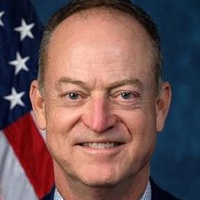
Mark Messmer
Representative
IN
This act, the Heat Workforce Standards Act of 2025, prohibits the Secretary of Labor from finalizing, implementing, or enforcing the proposed rule regarding heat injury and illness prevention published in August 2024. This restriction extends to any future standard substantially similar to the one proposed.
The TRUTH in Coverage Act of 2026 mandates that health insurance plans covering sex-rejecting procedures must also provide comprehensive, non-restrictive coverage for restorative care to address the resulting health complications.

Diana Harshbarger
Representative
TN
Diana Harshbarger
Representative
TN
The TRUTH in Coverage Act of 2026 mandates that group health plans and insurance issuers covering "sex-rejecting procedures" must also provide comprehensive coverage for restorative care to address the resulting physical and psychological harms. The bill establishes strict standards to ensure that such restorative services are not subject to more restrictive financial requirements or treatment limitations than other standard medical and surgical benefits.
The Chloe Cole Act of 2026 establishes a private right of action allowing individuals to sue healthcare providers for damages resulting from gender-transition medical interventions performed on them as minors.
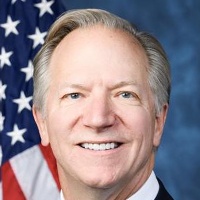
Robert Onder
Representative
MO
Robert Onder
Representative
MO
The Chloe Cole Act of 2026 establishes a federal private right of action allowing individuals to sue healthcare professionals and institutions for damages related to gender-transition medical interventions performed on them as minors. The bill permits lawsuits regardless of when the intervention occurred and sets a statute of limitations extending 25 years past the individual's 18th birthday. Additionally, it mandates strict liability for such interventions performed after the Act's enactment.
This bill amends the federal charter of the Daughters of the American Revolution to restrict membership eligibility to individuals who meet the organization's genealogical requirements and are defined as adult human females.

Ben Cline
Representative
VA
Ben Cline
Representative
VA
The Daughters of the American Revolution Membership Integrity Act amends the organization’s federal charter to formally define membership eligibility. The bill restricts membership to adult human females, establishing a biological definition for the term "female" based on reproductive system development.
This Act prohibits payment card networks and processors from assigning specific merchant category codes to identify firearms retailers, protecting the privacy of firearm and ammunition purchases.
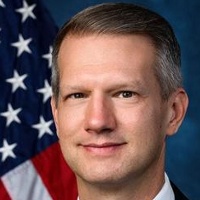
Riley Moore
Representative
WV
Riley Moore
Representative
WV
The Protecting Privacy in Purchases Act prohibits payment card networks and processors from assigning specific merchant category codes to firearms retailers. This legislation aims to protect consumer privacy by preventing the tracking of firearm and ammunition purchases through specialized financial classification. The Attorney General is tasked with enforcing these provisions and reporting annually on compliance.
The **21st Century ROAD to Housing Act** aims to significantly increase housing supply and affordability through regulatory reforms, new financing tools, increased transparency, and restrictions on large institutional home purchases.
J. Hill
Representative
AR
J. Hill
Representative
AR
The **21st Century ROAD to Housing Act** is a comprehensive bill designed to significantly increase housing supply, improve affordability, and modernize federal housing programs. It tackles issues from streamlining construction regulations and incentivizing local zoning reform to restricting large corporate home purchases and enhancing financing for manufactured homes. Ultimately, the Act aims to create more pathways to homeownership and ensure safer, more stable rental conditions across the country.
The Clarity for Compensation Act amends the Securities Exchange Act of 1934 to allow registered representatives to receive compensation through personal services entities without those entities being classified as brokers.
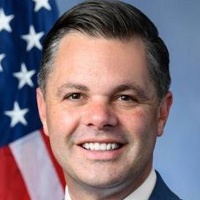
Zachary (Zach) Nunn
Representative
IA
Zachary (Zach) Nunn
Representative
IA
The Clarity for Compensation Act amends the Securities Exchange Act of 1934 to allow registered representatives to receive compensation through personal services entities without those entities being classified as brokers. This legislation establishes clear regulatory guardrails, including strict oversight, supervision, and liability requirements, to ensure these entities remain accountable for securities-related activities.
The Securing Agriculture's Workforce Act of 2026 modernizes the H-2A visa program by streamlining the application process through a centralized online platform, updating labor and housing requirements, and expanding the definition of eligible agricultural work.
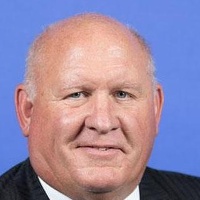
Glenn Thompson
Representative
PA
Glenn Thompson
Representative
PA
The Securing Agriculture's Workforce Act of 2026 modernizes the H-2A visa program to better support the agricultural industry by streamlining application processes and establishing a centralized online portal for employers. The bill updates labor certification, housing, and wage requirements while expanding the definition of eligible agricultural work to include a broader range of activities. Additionally, it enhances worker protections—including new heat illness prevention standards—and provides greater administrative efficiency for federal agencies managing the program.
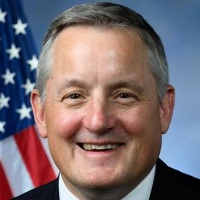
This bill renames and revises the Great American Outdoors Act's maintenance fund, increases dedicated funding through new, higher fees for foreign visitors, and sets spending priorities for deferred maintenance across public lands agencies.
Bruce Westerman
Representative
AR
Bruce Westerman
Representative
AR
This bill, the Great American Outdoors Act 250, significantly reforms and renames the existing public lands restoration fund to the America’s Legacy Restoration Fund. It secures dedicated funding streams, primarily from energy revenues and new fees on foreign visitors, to address critical deferred maintenance across the National Park Service, Forest Service, and other public land agencies. The legislation establishes strict spending priorities for infrastructure repair while also creating pilot programs for enhancing outdoor recreation and sportsmen's access. Finally, it mandates increased transparency and accountability through standardized metrics and public reporting on all funded projects.
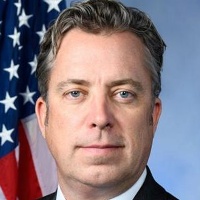
The Saving FACE Act of 2026 removes federal criminal penalties for obstructing access to abortion services while establishing federal penalties for obstructing access to churches.
Andrew Ogles
Representative
TN
Andrew Ogles
Representative
TN
The Saving FACE Act of 2026 redefines federal law concerning access obstruction, removing criminal penalties for blocking access to abortion services. This bill shifts the focus of the law to protect access to churches, renaming the offense to "Freedom of access to church entrances." It also inserts a federal definition of "abortion" and explicitly excludes abortion services from the category of protected medical services under this statute.
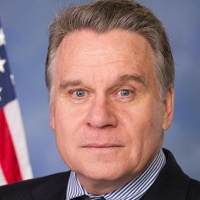
This bill celebrates the Supreme Court's *Dobbs* decision, affirms the right to life as the foremost right, and commits the House to protecting unborn life and supporting families.
Christopher Smith
Representative
NJ
Christopher Smith
Representative
NJ
This resolution celebrates the anniversary of the Supreme Court's *Dobbs* decision, which overturned *Roe v. Wade* and returned authority over abortion to the states. It affirms the right to life as the foremost unalienable right and commits the House to protecting unborn lives. Furthermore, the resolution resolves to support families and uphold the authority of elected representatives to enact laws protecting unborn life.
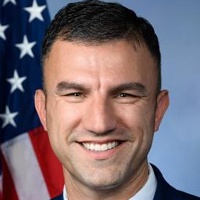
The HAILEY Act of 2026 establishes that AMBER Alerts must only be issued for individuals under 18 who law enforcement reasonably believes to be a high-risk missing person.
Rudy Yakym
Representative
IN
Rudy Yakym
Representative
IN
The HAILEY Act of 2026 establishes new minimum standards for issuing AMBER Alerts through the national network. Specifically, it mandates that an alert can only be issued for an individual under the age of 18. Furthermore, the bill requires law enforcement to reasonably believe the missing person meets the criteria of a high-risk missing person before an alert is disseminated.
This resolution supports designating June as Family Month to recognize the traditional nuclear family as the foundation of a healthy society and to rededicate the nation to its importance, while also opposing the observance of Pride Month.

Mary Miller
Representative
IL
Mary Miller
Representative
IL
This resolution supports designating June as Family Month to recognize the traditional nuclear family as the foundation of a healthy society. It calls for a national rededication to the importance of marriage and family, asserting that children thrive best in a home with a married mother and father. The bill also explicitly states that the House of Representatives no longer recognizes Pride Month.
This Act voids surrogacy agreements between U.S. surrogates and foreign national prospective parents and penalizes brokers who facilitate them to prevent exploitation and national security risks.
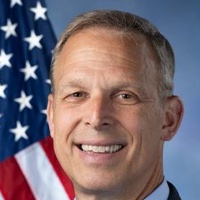
Scott Perry
Representative
PA
Scott Perry
Representative
PA
This Act invalidates surrogacy agreements between foreign national prospective parents and U.S. surrogate mothers, voiding such contracts. It imposes criminal penalties on surrogacy brokers who facilitate these arrangements for foreign nationals. Furthermore, the bill limits the ability of foreign national parents to gain immigration benefits through a child born under these voided agreements.
This bill designates the America 250 flag as a national symbol to commemorate the 250th anniversary of the Declaration of Independence.
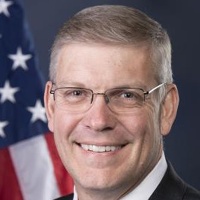
Barry Loudermilk
Representative
GA
Barry Loudermilk
Representative
GA
This bill officially designates the "America 250 flag" as a national symbol to commemorate the 250th anniversary of the Declaration of Independence. It authorizes this special flag, featuring the number 250 within the circle of stars, to be flown alongside the U.S. flag at government buildings worldwide during the Semiquincentennial celebration. The act recognizes the flag as a symbol of the nation's founding and commitment to liberty.