Legislative Activity
Track Terri's sponsored bills, co-sponsored legislation, and voting record
This bill urges the U.S. Postal Service to issue a commemorative postage stamp honoring Lieutenant Colonel Charity Adams Earley, the first Black officer in the Women's Army Corps.
Joyce Beatty
Representative
OH
Joyce Beatty
Representative
OH
This resolution expresses the sense of the House of Representatives that the U.S. Postal Service should issue a commemorative postage stamp honoring Lieutenant Colonel Charity Adams Earley. Earley was the first Black officer in the Women's Army Corps and commanded the distinguished 6888th Central Postal Directory Battalion during World War II. The bill urges the Citizens' Stamp Advisory Committee to recommend this honor for her significant military and community service.
The Healthy Hair Act prohibits the use of formaldehyde in hair straightening and smoothing products and mandates an FDA study on the associated health risks.
Shontel Brown
Representative
OH
Shontel Brown
Representative
OH
The Healthy Hair Act prohibits the sale of hair straightening and smoothing products that contain formaldehyde or formaldehyde-releasing substances. Additionally, the bill mandates that the FDA and NIOSH conduct comprehensive studies on the health impacts of these chemicals, particularly for salon workers, to inform future regulatory actions.
This resolution demands the President and HHS Secretary provide Congress with documents related to the "Defend the Spend" freeze on child care payments to states, tribes, and territories.
Judy Chu
Representative
CA
Judy Chu
Representative
CA
This resolution demands that the President and the Secretary of Health and Human Services provide the House of Representatives with specific documents. These documents must relate to the "Defend the Spend" freeze on child care payments distributed to states, tribes, and territories. The request seeks information regarding communications, payment delays, and contractual procedures surrounding these federal funds.
This resolution designates Black History Month 2026, honors the contributions of Black Americans through the "Unsung Souls" and "Righteous Intercessors" recognitions, and affirms the importance of a complete national narrative.
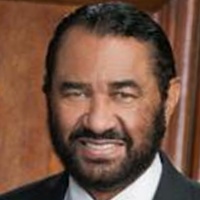
Al Green
Representative
TX
Al Green
Representative
TX
This resolution officially recognizes Black History Month and adopts "A Century of Black History Commemorations" as the theme for 2026. It honors the contributions of Black Americans by establishing categories for "Unsung Souls" and "Righteous Intercessors." Ultimately, the bill affirms that Black history commemorations are essential for a complete national narrative and inspiring future progress toward liberty and justice for all.
This bill prohibits immigration officers from interfering with federal elections and restricts immigration enforcement operations in the weeks leading up to an election, with limited exceptions.
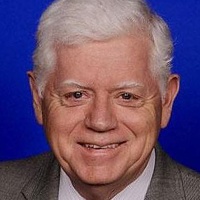
John Larson
Representative
CT
John Larson
Representative
CT
This bill, the Stop ICE Election Militarization Act, prohibits immigration officers from interfering with federal elections, such as intimidating voters or serving as election officials. It also restricts immigration enforcement and removal operations in the four weeks leading up to a federal election, except in cases involving specific criminal probable cause or to prevent imminent harm.
The RELIEF Act mandates that U.S. Customs and Border Protection automatically refund all tariffs collected under the International Emergency Economic Powers Act since January 1, 2025.
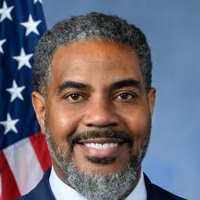
Steven Horsford
Representative
NV
Steven Horsford
Representative
NV
The RELIEF Act mandates that U.S. Customs and Border Protection refund all tariffs collected under the International Emergency Economic Powers Act since January 1, 2025. These refunds will be processed automatically for importers of record without the need for a formal application or protest. The agency is required to complete all disbursements within 90 days of the bill's enactment.
This Act establishes the Office of Men's Health within the Department of Health and Human Services and mandates a GAO study to address the growing national health crisis facing men.
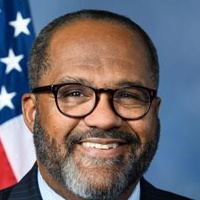
Troy Carter
Representative
LA
Troy Carter
Representative
LA
The State of Men's Health Act addresses the growing national health crisis among men, marked by shorter lifespans and higher mortality rates from leading causes of death. This legislation mandates a comprehensive study by the GAO to identify health disparities and recommend improvements. Furthermore, it establishes a dedicated Office of Men's Health within the Department of Health and Human Services to coordinate and promote programs focused on men's health education, screening, and research.
This bill establishes a federal process for Extreme Risk Protection Orders, creates a grant program to incentivize states to adopt similar laws, and mandates the recognition of such orders across state lines.
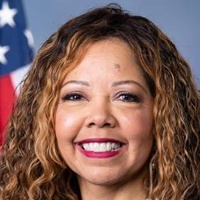
Lucy McBath
Representative
GA
Lucy McBath
Representative
GA
The Federal Extreme Risk Protection Order Act of 2026 establishes a federal process for issuing Extreme Risk Protection Orders (ERPOs) that temporarily prohibit individuals deemed a danger from possessing firearms. The bill allows family members or law enforcement to petition federal courts for temporary or long-term orders based on evidence of imminent risk of harm. Furthermore, it creates a federal grant program to incentivize and support states and tribes in implementing their own qualifying ERPO laws. Finally, it mandates that individuals subject to these federal orders surrender their firearms and ensures these orders are recognized across state lines.
This bill establishes a new category of tax-exempt scholarship grants for organizations that repay student loans for individuals who live and work in qualifying communities.
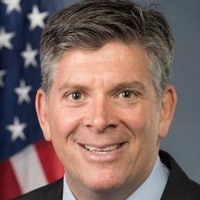
Darin LaHood
Representative
IL
Darin LaHood
Representative
IL
This Act establishes a new tax exclusion for "post-graduation scholarship grants" used to repay student loans. These grants must be provided by specific charitable organizations to individuals who agree to live and work in designated underserved communities. The legislation ensures these loan repayments are not counted as taxable income for the recipient, similar to traditional scholarships.
This bill reauthorizes and expands the RISE grant program to focus on creating high-wage jobs and new businesses in rural communities, particularly those with fewer than 20,000 residents.
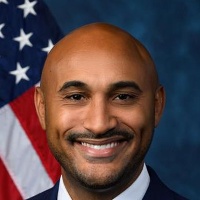
Shomari Figures
Representative
AL
Shomari Figures
Representative
AL
The RISE Reauthorization Act of 2026 reauthorizes and expands the Rural Innovation Stronger Economy (RISE) grant program through 2030, dedicating $50 million annually. This legislation refocuses the grants on creating high-wage jobs and new businesses in rural areas, with a specific emphasis on supporting smaller communities. It updates authorized activities to provide broader technical assistance and workforce training for rural businesses.
This bill establishes a politically balanced National Council on African American History and Culture within the National Endowment for the Humanities to advise on policy, monitor preservation efforts, and report on the celebration of African American history and culture.
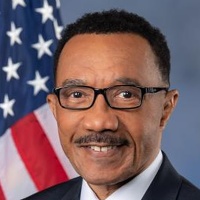
Kweisi Mfume
Representative
MD
Kweisi Mfume
Representative
MD
This bill establishes the National Council on African American History and Culture within the National Endowment for the Humanities. The Council will consist of 12 presidentially appointed members tasked with advising on national policy related to preserving and celebrating African American history and culture. Its duties include monitoring relevant efforts, evaluating NEH programs, and submitting annual reports. The Council is set to terminate ten years after the law's enactment.
This bill appropriates funding and establishes operational rules for the Department of Homeland Security for Fiscal Year 2026 across management, security, preparedness, and research functions, while imposing strict oversight and spending restrictions.
Rosa DeLauro
Representative
CT
Rosa DeLauro
Representative
CT
This bill provides the funding and establishes the operational rules for the Department of Homeland Security (DHS) for Fiscal Year 2026 across all major components, including intelligence, security operations, emergency management, and research. It allocates billions for agencies like TSA, Coast Guard, FEMA, and CISA while imposing strict new requirements for congressional oversight, spending transparency, and management of federal grants. The legislation also includes specific policy directives, such as mandating security screening for senior officials and restricting certain intelligence and contracting activities.
This act brings firearms under the regulatory authority of the Consumer Product Safety Commission by removing their exclusion from the definition of a "consumer product."
Robin Kelly
Representative
IL
Robin Kelly
Representative
IL
The Firearm Safety Act of 2025 removes the existing exclusion for firearms under the Consumer Product Safety Act. This action subjects firearms to regulation by the Consumer Product Safety Commission (CPSC) as consumer products.
This resolution demands the President provide the House with documents regarding the Department of Government Efficiency's access to and use of Social Security Administration personal data, including NUMIDENT.
John Larson
Representative
CT
John Larson
Representative
CT
This resolution of inquiry demands the President provide the House of Representatives with specific documents related to the Department of Government Efficiency's (DOGE) access to and use of Social Security Administration data, including NUMIDENT. The request focuses on communications concerning the sharing of personally identifiable information with external groups, the Department of Homeland Security, and any potential violations of court orders. The House requires these materials within 14 days of the resolution's adoption.
This bill establishes a grant program to fund evidence-based initiatives connecting schools with community systems to improve trauma support and mental health services for students and staff.
Jahana Hayes
Representative
CT
Jahana Hayes
Representative
CT
The Supporting Trauma-Informed Education Practices Act of 2026 establishes a grant program to enhance access to evidence-based trauma support and mental health services for students and school staff. This funding aims to foster stronger connections between schools and community mental health systems through collaboration, professional development, and direct student services. The bill authorizes $50 million annually from FY 2027 through 2031 to support these critical initiatives.
This bill officially recognizes the cultural and historical significance of Mardi Gras, designating it a day of special significance in Mobile, Alabama, as the oldest official home of Carnival in the United States.
Barry Moore
Representative
AL
Barry Moore
Representative
AL
This bill officially recognizes the deep cultural and historical significance of Mardi Gras in Mobile, Alabama, acknowledging it as the oldest official home of Carnival in the United States, celebrated since 1703. It designates Mardi Gras as a day of special significance to honor this long-standing tradition rooted in the city's history.
This bill authorizes the minting of special $2.50 commemorative coins for the 250th anniversary of the Declaration of Independence and mandates a study on the feasibility of issuing a $2.50 coin for general circulation.
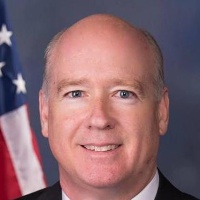
Robert Aderholt
Representative
AL
Robert Aderholt
Representative
AL
This act establishes the "$2.50 for America's 250th Act" to commemorate the 250th anniversary of the Declaration of Independence. It authorizes the Treasury to mint and issue special commemorative gold, silver, and clad $2.50 coins featuring designs from the 1926 Sesquicentennial coin. Additionally, the bill mandates a study on the feasibility of minting and issuing a $2.50 coin for wide circulation.
This Act allows businesses in federally or state-declared disaster areas to transfer certain unused general business credits from prior years to cover eligible operating expenses incurred after the disaster.
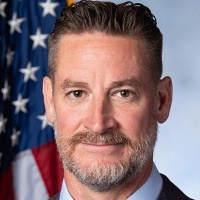
W. Steube
Representative
FL
W. Steube
Representative
FL
The Disaster Zone Energy Affordability and Investment Act allows businesses in federally or state-declared disaster areas to transfer certain unused general business tax credits from prior years. This provision is designed to help affected taxpayers by converting these credits into usable funds based on their eligible operating expenditures within the disaster zone. The credits apply to investments made following disasters declared after December 31, 2023.
This bill imposes an immediate freeze on all hiring and transfers within U.S. Immigration and Customs Enforcement (ICE) until Congress passes a new law explicitly superseding this measure.

Lizzie Fletcher
Representative
TX
Lizzie Fletcher
Representative
TX
This bill immediately halts all hiring and transfers of personnel to U.S. Immigration and Customs Enforcement (ICE) using federal funds. The hiring freeze will remain in effect until Congress passes and enacts a new law specifically designed to supersede this provision.
This bill recognizes the historic significance of the Greensboro Four sit-in, which launched a nationwide movement against racial inequality, and encourages its inclusion in educational curricula.
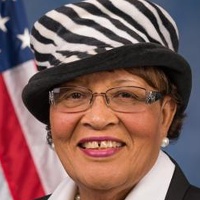
Alma Adams
Representative
NC
Alma Adams
Representative
NC
This bill recognizes the historic 1960 Greensboro Four sit-in, honoring the students whose peaceful protest launched a nationwide movement against segregation. It designates February 1, 2026, as the 66th anniversary, coinciding with the start of Black History Month. Furthermore, the bill encourages states to include the Greensboro Four's contributions in educational curricula.