Legislative Activity
Track David's sponsored bills, co-sponsored legislation, and voting record
The PAAF Act grants automatic U.S. citizenship to certain internationally adopted individuals who meet specific residency and age requirements, clarifying and expanding existing pathways to citizenship.
Adam Smith
Representative
WA
Adam Smith
Representative
WA
The Protect Adoptees and American Families Act (PAAF Act) aims to ensure that certain internationally adopted individuals automatically become U.S. citizens. This bill clarifies the requirements for automatic citizenship, particularly for adoptees who were physically present in the U.S. before turning 18. It also provides a pathway to citizenship for eligible adoptees residing abroad upon their legal entry into the United States.
This bill amends the Social Security Act to provide Medicare coverage for FDA-approved multi-cancer early detection screening tests starting in 2028.
Jodey Arrington
Representative
TX
Jodey Arrington
Representative
TX
The Nancy Gardner Sewell Medicare Multi-Cancer Early Detection Screening Coverage Act amends the Social Security Act to provide Medicare Part B coverage for multi-cancer early detection screening tests starting January 1, 2028. This legislation establishes clear criteria for qualifying tests and outlines payment structures to ensure beneficiaries have access to these advanced diagnostic tools. Importantly, this coverage is designed to complement, rather than replace, existing Medicare-covered cancer screenings.
This Act ensures the automatic continuation of pay for active duty military personnel and essential civilian support staff if Congress fails to pass a budget for fiscal year 2026.
Jennifer Kiggans
Representative
VA
Jennifer Kiggans
Representative
VA
The Pay Our Troops Act of 2026 ensures that active duty military personnel and essential civilian support staff continue to receive their pay if Congress has not yet passed the full budget for fiscal year 2026. This act provides automatic continuing appropriations from the Treasury to prevent a lapse in military salaries due to budget delays. The funding automatically terminates once a new budget or continuing resolution is passed, or on January 1, 2027, whichever comes first.
This resolution strongly condemns the assassination of Charlie Kirk and calls for national change inspired by his life and tragic death.
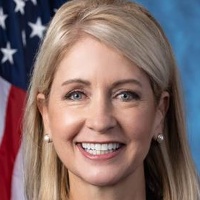
Mary Miller
Representative
IL
Mary Miller
Representative
IL
This resolution strongly condemns the assassination of conservative activist Charlie Kirk on September 10, 2025, during his national speaking tour. It honors his life, his founding of Turning Point USA, and his dedication to conservative principles. Ultimately, the document calls for national unity and reaffirms the commitment to protecting the right to peaceful assembly and free expression.
This resolution supports designating Telehealth Awareness Week and urges Congress to make expanded telehealth flexibilities permanent beyond September 30, 2025.
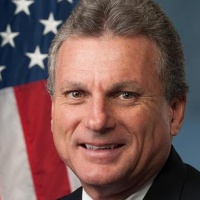
Earl Carter
Representative
GA
Earl Carter
Representative
GA
This resolution officially supports designating September 14–20, 2025, as "Telehealth Awareness Week." It recognizes the vital role remote healthcare has played, especially for millions of Medicare users. The bill strongly urges Congress to make permanent the expanded telehealth access rules currently set to expire in September 2025.
This bill prohibits male students from participating in female sports programs at schools operated by the Department of Defense Education Activity (DoDEA).
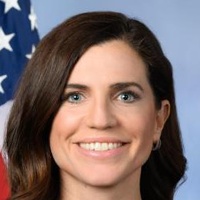
Nancy Mace
Representative
SC
Nancy Mace
Representative
SC
The Protecting Girls’ Sports for Military Kids Act prohibits male students from participating on female sports teams at schools operated by the Department of Defense Education Activity (DoDEA). This legislation establishes clear biological definitions for "male" and "female" within the context of DoDEA athletic programs. The goal is to ensure that sports designated for female students are exclusively for those who meet the defined biological criteria.
This Act bans Members of Congress and their immediate families from trading or owning specific investments while in office, requiring divestment within 90 to 180 days or facing significant financial penalties.

Chip Roy
Representative
TX
Chip Roy
Representative
TX
The Restore Trust in Congress Act establishes strict new rules prohibiting Members of Congress and their immediate families from owning or trading specific financial assets, referred to as "covered investments," while in office. Covered individuals must divest existing prohibited holdings within a set timeframe or face significant financial penalties, including fines and forfeiture of profits. The legislation aims to eliminate conflicts of interest arising from personal financial trading while serving in federal office.
The DETECT Act of 2025 mandates a report on the potential for the IRS to utilize artificial intelligence to detect tax fraud.
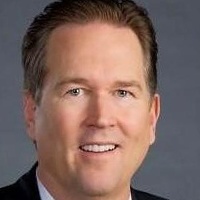
Vern Buchanan
Representative
FL
Vern Buchanan
Representative
FL
The DETECT Act of 2025 mandates a report from the Comptroller General assessing the potential for the IRS to utilize artificial intelligence (AI) to enhance the detection of tax fraud. This report must be delivered to key Congressional committees within 180 days of the Act's enactment. Essentially, the bill initiates a study on leveraging AI for improved tax compliance tracking.
This bill officially designates the United States Postal Service facility in Ash Fork, Arizona, as the "Fayrene Hume Post Office."
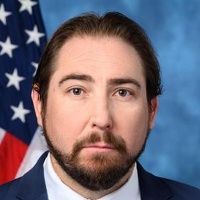
Eli Crane
Representative
AZ
Eli Crane
Representative
AZ
This bill officially designates the United States Postal Service facility located at 765 West Old Route 66 in Ash Fork, Arizona, as the "Fayrene Hume Post Office." This action ensures the post office is formally recognized under this new name in all official records.
The Afghan Adjustment Act creates pathways to conditional permanent residency for eligible Afghans already in the U.S. and establishes special refugee processing for at-risk Afghan allies who worked with U.S. interests.
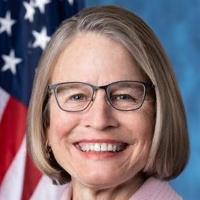
Mariannette Miller-Meeks
Representative
IA
Mariannette Miller-Meeks
Representative
IA
The Afghan Adjustment Act establishes new pathways for certain Afghan nationals already in the U.S. to obtain conditional permanent resident status, contingent upon rigorous security vetting. It also creates a special referral process for at-risk Afghan allies still outside the U.S. to access the U.S. Refugee Admissions Program remotely. Furthermore, the bill extends deadlines and expands eligibility for existing Special Immigrant Visas (SIVs) while mandating significant interagency coordination and reporting to Congress on processing efficiency.
The PROVE Act requires non-military U.S. citizens living overseas to provide proof of recent in-state residence to receive an absentee ballot for federal elections.
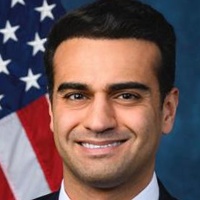
Abraham Hamadeh
Representative
AZ
Abraham Hamadeh
Representative
AZ
The PROVE Act establishes new requirements for non-military U.S. citizens living overseas who wish to vote in federal elections. These voters must now provide verifiable proof of a current in-state mailing address, which can belong to themselves, a spouse, parent, or legal guardian, to receive an absentee ballot. Voters who fail to provide this proof for a federal general election may instead vote in the District of Columbia election for that cycle. This new rule takes effect starting with elections held in 2026.
This bill authorizes the creation and sale of commemorative coins for the 2028 Los Angeles and 2034 Salt Lake City Olympic and Paralympic Games to help fund the events, with all surcharges going to the respective organizing committees after covering production costs.
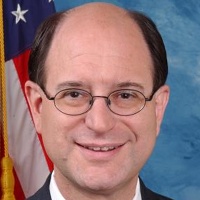
Brad Sherman
Representative
CA
Brad Sherman
Representative
CA
This Act authorizes the Secretary of the Treasury to mint and sell special commemorative coins for the 2028 Los Angeles Olympic and Paralympic Games and the 2034 Salt Lake City Winter Olympic and Paralympic Games. The coins will feature designs celebrating American athletes and the Games themselves. All surcharges collected from the sale of these coins will be directed to the respective organizing committees to help fund the events and related youth sports programs. The entire program must be conducted at no cost to the U.S. Government.
The Treat and Reduce Obesity Act of 2025 expands Medicare coverage for intensive behavioral therapy for obesity and mandates Part D coverage for certain weight management medications for eligible beneficiaries.
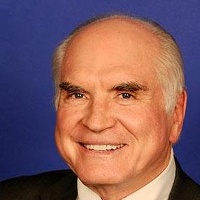
Mike Kelly
Representative
PA
Mike Kelly
Representative
PA
The Treat and Reduce Obesity Act of 2025 aims to combat the growing obesity epidemic, particularly among older adults, by expanding access to intensive behavioral therapy under Medicare. This bill mandates that Medicare Part D plans begin covering FDA-approved medications for obesity and weight management in individuals with related health conditions. Finally, it requires the Secretary of HHS to report regularly to Congress on the implementation and coordination of these new obesity treatment strategies.
The CONNECT for Health Act of 2025 permanently expands Medicare telehealth access by removing geographic restrictions, increasing practitioner flexibility, bolstering program integrity, and mandating supports for quality remote care delivery.
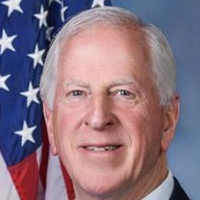
Mike Thompson
Representative
CA
Mike Thompson
Representative
CA
The CONNECT for Health Act of 2025 significantly expands and permanently secures access to Medicare telehealth services by eliminating outdated geographic restrictions and allowing more practitioners to offer remote care. The bill also strengthens program integrity by dedicating funds for telehealth oversight while clarifying rules around providing necessary technology to patients. Finally, it mandates the creation of tailored educational resources and public reporting to improve quality measurement and transparency in remote care delivery.
This bill officially designates the United States Postal Service facility in Patagonia, Arizona, as the "Jim Kolbe Memorial Post Office."
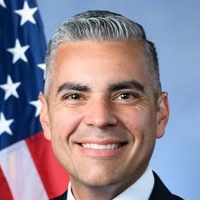
Juan Ciscomani
Representative
AZ
Juan Ciscomani
Representative
AZ
This bill officially designates the United States Postal Service facility located at 100 North Taylor Lane in Patagonia, Arizona, as the "Jim Kolbe Memorial Post Office." This action ensures all official records reflect the new name honoring Jim Kolbe.
This bill allows associations of employers to sponsor group health plans, treating them as a single employer under ERISA, with specific requirements for plan structure and premium rating.
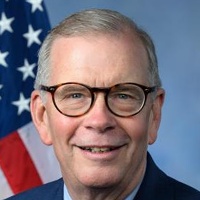
Tim Walberg
Representative
MI
Tim Walberg
Representative
MI
The Association Health Plans Act amends federal law to allow certain groups or associations of employers to sponsor a single group health plan, treating them as a single employer for coverage purposes. This aims to expand access to health coverage by enabling broader risk pooling across different industries. The bill establishes specific criteria these associations must meet to qualify, including minimum size and operational standards. Finally, it outlines rules for setting premium rates and prohibits discrimination based on health status for plans established under this Act.
The Protect RAIL Act makes non-citizens inadmissible to the U.S. and deportable if they commit or conspire to commit crimes involving theft or tampering with goods shipped across state or international lines.

Paul Gosar
Representative
AZ
Paul Gosar
Representative
AZ
The Protect RAIL Act amends immigration law to prevent non-citizens convicted of or admitting to crimes involving the theft or tampering of goods shipped across state or international lines from entering the United States. Furthermore, this bill makes non-citizens already in the U.S. deportable if they have committed such offenses related to interstate or foreign shipments.
This bill mandates that the VA must seek reimbursement from Medicare Advantage and Part D plans for covered care provided to veterans and establishes stricter timelines and penalties for third parties who fail to reimburse the government for care related to non-service-connected disabilities.

Lloyd Doggett
Representative
TX
Lloyd Doggett
Representative
TX
The Guarantee Utilization of All Reimbursements for Delivery of Veterans’ Health Care Act (GUARD Veterans Health Care Act) mandates that the Department of Veterans Affairs (VA) must seek reimbursement from Medicare Advantage and Medicare Part D prescription drug plans for healthcare services provided to eligible veterans. Additionally, the bill strengthens the government's authority to recover costs for non-service-connected disability care from responsible third parties. It establishes strict timelines and penalties for third parties who fail to promptly process and pay these recovery claims to the VA.
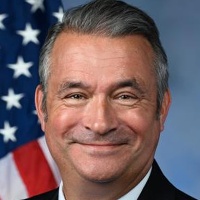
The FIGHT Act of 2025 strengthens federal prohibitions against animal fighting, enhances enforcement mechanisms, and allows citizens to sue violators of animal fighting provisions.
Don Bacon
Representative
NE
Don Bacon
Representative
NE
The FIGHT Act of 2025 significantly strengthens federal prohibitions against animal fighting ventures, specifically targeting the sponsorship, exhibition, and gambling associated with these events. This legislation clarifies the definition of a rooster for legal purposes and bans the interstate transport of roosters for fighting. Furthermore, it empowers private citizens to file lawsuits against violators, allowing for civil penalties and the potential seizure of property used to facilitate illegal animal fighting.
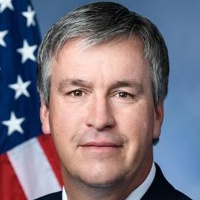
The STOP CSAM Act of 2025 strengthens protections for child victims in federal court, mandates technology companies to report suspected child sexual exploitation, and expands civil remedies for victims against perpetrators and online platforms.
Barry Moore
Representative
AL
Barry Moore
Representative
AL
The STOP CSAM Act of 2025 significantly strengthens protections for child victims and witnesses in federal court by expanding definitions of harm and restricting the public disclosure of their identities. It mandates new, strict reporting duties for tech providers regarding child sexual exploitation material, backed by substantial criminal and civil penalties for non-compliance. Furthermore, the Act creates broad new civil remedies allowing victims to sue responsible online platforms and app stores for damages related to exploitation that occurred during their childhood. Finally, it improves restitution procedures, particularly for vulnerable victims, while ensuring existing state and tribal protections remain intact.