Legislative Activity
Track Marilyn's sponsored bills, co-sponsored legislation, and voting record
The Puppy Protection Act of 2025 establishes stricter housing, daily care, veterinary, and breeding standards for dog dealers under the Animal Welfare Act.
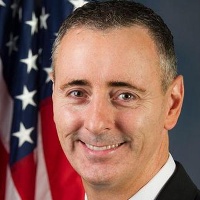
Brian Fitzpatrick
Representative
PA
Brian Fitzpatrick
Representative
PA
The Puppy Protection Act of 2025 significantly increases humane treatment standards for dog dealers under the Animal Welfare Act. This legislation mandates specific minimum space requirements, daily exercise access, and mandatory socialization for housed dogs. Furthermore, it establishes strict limits on female dog breeding frequency and age, alongside enhanced veterinary care protocols.
The House of Representatives affirms every person's basic right to emergency health care, including abortion care.

Emilia Sykes
Representative
OH
Emilia Sykes
Representative
OH
This bill affirms the House of Representatives' belief that every person has the right to emergency health care, including abortion care. It argues that abortion restrictions endanger lives, force doctors to make impossible choices, and disproportionately harm people of color, low-income individuals, and LGBTQI individuals. The bill emphasizes that delays in emergency care due to abortion bans can lead to life-threatening situations and that everyone, including pregnant individuals, should have access to necessary medical care without discrimination.
This bill requires the Coast Guard to retain enlisted members with 18 or more, but less than 20, years of service until they qualify for retirement, with specific provisions for Reserve members.
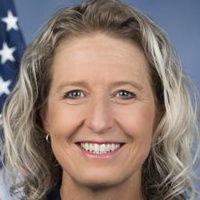
Jennifer Kiggans
Representative
VA
Jennifer Kiggans
Representative
VA
This bill amends federal law to require the Coast Guard to retain certain enlisted members who have served 18 or more, but less than 20, years of service. It prevents the involuntary separation or non-reenlistment of these long-serving members until they reach 20 years of service for retirement eligibility. This provision applies to both Regular and Reserve enlisted personnel serving on active duty.
The PARA-EMT Act of 2025 establishes pilot grant programs to combat the national shortage of EMTs and paramedics by funding recruitment, training, and veteran credentialing, alongside mandating a comprehensive study of the workforce crisis.

Marie Gluesenkamp Perez
Representative
WA
Marie Gluesenkamp Perez
Representative
WA
The PARA-EMT Act of 2025 addresses the critical national shortage of EMTs and paramedics by establishing a pilot grant program to help agencies hire, train, and support their emergency medical workforce. It also creates a federal grant program to assist states in streamlining the transition of veterans with military medical training into civilian EMS roles. Finally, the bill mandates a comprehensive study to quantify the current and projected workforce shortage and recommend solutions, including potential visa considerations.
The Air America Act of 2025 authorizes one-time monetary awards to former Air America employees or their survivors for service supporting the CIA between 1950 and 1976.
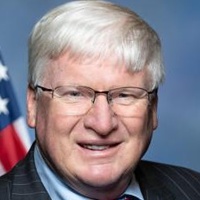
Glenn Grothman
Representative
WI
Glenn Grothman
Representative
WI
The Air America Act of 2025 recognizes the sacrifices of former Air America employees who served the U.S. Government between 1950 and 1976. This Act authorizes a one-time monetary award, up to $40,000 plus potential additional amounts, for qualifying service members or their survivors. The CIA Director is responsible for administering these payments, which are capped at a total of $60 million, and establishing the application procedures. Decisions made by the Director regarding these awards are final and not subject to judicial review.
The Major Richard Star Act ensures that military retirees with combat-related disabilities can concurrently receive their full military retirement pay and VA disability compensation without reduction.

Gus Bilirakis
Representative
FL
Gus Bilirakis
Representative
FL
The Major Richard Star Act ensures that military retirees with combat-related disabilities can receive both their military retirement pay and VA disability compensation concurrently without reduction. This law removes previous restrictions that caused military retirement pay to be offset by VA disability payments for these specific cases. The changes take effect on the first day of the month following the Act's enactment.
This bill grants temporary guest status and immediate work authorization to Ukrainians paroled into the U.S. under the "Uniting for Ukraine" program until it is safe for them to return home.
Brian Fitzpatrick
Representative
PA
Brian Fitzpatrick
Representative
PA
This Act establishes a special, temporary "Ukrainian guest status" for individuals paroled into the U.S. under the "Uniting for Ukraine" program. This status automatically grants immediate work authorization upon entry. The status will terminate 120 days after the Secretary of State certifies that hostilities in Ukraine have ceased and it is safe for civilians to return.
The HELPER Act of 2025 establishes a new FHA mortgage insurance program offering 100% financing with an upfront premium and no monthly premiums for eligible first responders, educators, and law enforcement officers.
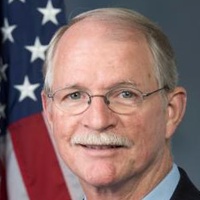
John Rutherford
Representative
FL
John Rutherford
Representative
FL
The HELPER Act of 2025 establishes a new FHA mortgage insurance program to assist first responders, educators, and law enforcement officers in purchasing homes. This program offers eligible first-time homebuyers 100% financing with no down payment required. Instead of monthly premiums, borrowers pay an upfront FHA insurance premium at closing.
The Caring for Survivors Act of 2025 increases dependency and indemnity compensation for surviving spouses and lowers the required period of total disability rating before death for survivors to qualify for certain benefits.
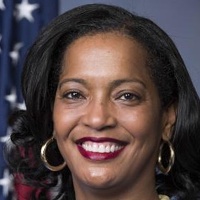
Jahana Hayes
Representative
CT
Jahana Hayes
Representative
CT
The Caring for Survivors Act of 2025 aims to increase financial support for surviving spouses of veterans. This bill raises the monthly Dependency and Indemnity Compensation (DIC) payment rate for surviving spouses. Additionally, it lowers the required duration of total disability rating before death from ten years to five years for survivors to qualify for certain DIC benefits. If the disability period was between five and ten years, the benefit amount will be proportionally adjusted.
This bill allows investors to defer taxes on capital gain dividends from mutual funds when those dividends are automatically reinvested until the shares are sold or the investor passes away.
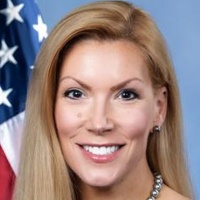
Beth Van Duyne
Representative
TX
Beth Van Duyne
Representative
TX
This bill, the Generating Retirement Ownership through Long-Term Holding Act, allows individual investors to defer paying taxes on capital gain dividends from mutual funds if those dividends are automatically reinvested into more fund shares. Taxes on these deferred gains are only due when the investor sells the shares or upon death. This provision aims to encourage long-term investment in mutual funds by providing immediate tax relief on reinvested earnings.
Condemns House Republican leadership for allowing a xenophobic post questioning a Congressman's citizenship.
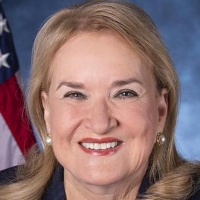
Sylvia Garcia
Representative
TX
Sylvia Garcia
Representative
TX
This bill condemns the House Republican Conference for a xenophobic social media post questioning Congressman Adriano Espaillat's immigration status and patriotism. It specifically condemns the House Republican leadership team for allowing the false statement that questioned Congressman Espaillat's citizenship.
This Act eliminates the waiting periods for Social Security disability benefits and Medicare coverage for individuals diagnosed with metastatic breast cancer.
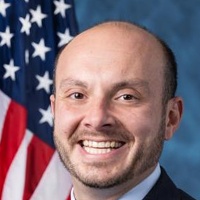
Andrew Garbarino
Representative
NY
Andrew Garbarino
Representative
NY
The Metastatic Breast Cancer Access to Care Act aims to improve support for individuals diagnosed with metastatic breast cancer. This bill eliminates the standard waiting period for receiving Social Security disability insurance benefits and waives the 24-month waiting period for Medicare coverage. These changes ensure immediate access to crucial financial and healthcare support upon diagnosis.
This act expands the Work Opportunity Tax Credit to include employers who hire qualified military spouses.
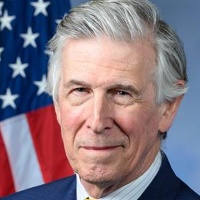
Donald Beyer
Representative
VA
Donald Beyer
Representative
VA
The Military Spouse Hiring Act amends the Internal Revenue Code to expand eligibility for the Work Opportunity Tax Credit (WOTC). This change allows employers to claim the tax credit for hiring qualified military spouses. A qualified military spouse is defined as someone certified as being married to a member of the U.S. Armed Forces.
The Stop Comstock Act streamlines federal statutes by removing outdated and redundant language concerning "indecent" or "immoral" materials, focusing legal definitions on "obscene materials."
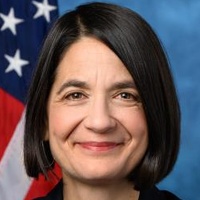
Becca Balint
Representative
VT
Becca Balint
Representative
VT
The Stop Comstock Act aims to modernize and streamline federal statutes concerning obscene materials. It revises several sections of federal law, including those related to crimes, transportation, and importation, by removing outdated or redundant language like "indecent" or "immoral." This legislative cleanup focuses the legal definitions to center specifically on "obscene materials."
This act allows State homes caring for veterans to choose between direct reimbursement or direct furnishing of high-cost medications.
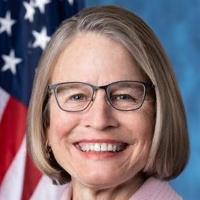
Mariannette Miller-Meeks
Representative
IA
Mariannette Miller-Meeks
Representative
IA
The Providing Veterans Essential Medications Act allows State homes caring for veterans to choose how they receive reimbursement for very high-cost medications. State homes can opt to be reimbursed directly for the medication's cost or have the Secretary of the VA furnish the drug directly. This provision applies only when the cost of a specific medication exceeds a defined threshold relative to the standard monthly payment for that veteran's care.
The "Children’s Health Insurance Program Permanency Act" permanently extends funding and support for key children's health programs, including CHIP, and allows states to expand Medicaid and CHIP eligibility.

Nanette Barragán
Representative
CA
Nanette Barragán
Representative
CA
The Children's Health Insurance Program Permanency Act (CHIPP Act) permanently extends funding for the Children's Health Insurance Program (CHIP) and other related programs. It also makes permanent several programs and demonstration projects under the Social Security Act, such as the Pediatric Quality Measures Program and the Express Lane Eligibility Option. Additionally, the act provides states with the option to increase children's eligibility for Medicaid and CHIP by allowing them to cover children whose family income exceeds the state's current maximum income level.
The "Do No Harm Act" clarifies that the Religious Freedom Restoration Act cannot be used to bypass federal laws protecting against discrimination, ensuring equal opportunity, or safeguarding access to healthcare and other essential services.
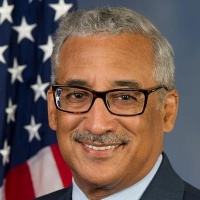
Robert Scott
Representative
VA
Robert Scott
Representative
VA
The "Do No Harm Act" amends the Religious Freedom Restoration Act of 1993 to ensure religious freedom is not used to justify discrimination or harm. It clarifies that the Act does not override federal laws protecting against discrimination, ensuring equal opportunity, or safeguarding access to healthcare and other essential services. This amendment confirms that the Religious Freedom Restoration Act applies only when the government is a party in a judicial proceeding.
This bill restricts political appointees and special government employees from accessing Social Security data, establishes civil damages for unauthorized access, mandates Inspector General investigations, and requires a GAO study on the changes.

John Larson
Representative
CT
John Larson
Representative
CT
The Protecting Americans’ Social Security Data Act restricts political appointees and special government employees from accessing sensitive Social Security beneficiary data systems. It establishes a right for individuals to sue the government or responsible parties for unauthorized access or disclosure of their private Social Security information, including specified minimum damages. Furthermore, the bill mandates the Inspector General to investigate such violations and report findings to Congress within 30 days. Finally, it requires the GAO to conduct a comprehensive study on the impact of these new privacy and enforcement measures.
The John R. Lewis Voting Rights Advancement Act of 2025 aims to strengthen and update the Voting Rights Act of 1965 by addressing vote dilution and denial, establishing updated criteria for federal oversight of states and political subdivisions with a history of voting rights violations, and promoting transparency in election-related changes.
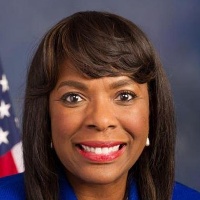
Terri Sewell
Representative
AL
Terri Sewell
Representative
AL
The John R. Lewis Voting Rights Advancement Act of 2025 amends the Voting Rights Act of 1965 to address vote dilution, denial, and abridgment claims, and to update which states and political subdivisions are subject to federal oversight based on a history of voting rights violations. It broadens the types of violations that allow a court to retain jurisdiction over a case, clarifies the Attorney General's authority to assign observers, and ensures transparency in voting-related changes. The Act also authorizes the Attorney General to demand documents and information to enforce voting rights and provides grants to small jurisdictions to assist with notification requirements.
The "Keeping Our Field Offices Open Act" prevents the Social Security Administration from closing or limiting access to field offices, hearing offices, and resident stations, ensuring continued service availability for the public.
John Larson
Representative
CT
John Larson
Representative
CT
The "Keeping Our Field Offices Open Act" prevents the Social Security Administration (SSA) from closing or consolidating field offices, hearing offices, and resident stations, ensuring continued access to services. It requires the SSA Commissioner to justify any planned closures to Congress with detailed analysis and cost-benefit assessments, considering the impact on vulnerable populations. The bill mandates public notice, hearings, and a final report to Congress before any changes, allowing appeals and maintaining the number of offices at or above the January 20, 2025 level, excluding temporary emergency closures.