Legislative Activity
Track Bernie's sponsored bills, co-sponsored legislation, and voting record
This act repeals the federal tax credit and gross income exclusion for contributions to and distributions from scholarship granting organizations.
Mark Kelly
Senator
AZ
Mark Kelly
Senator
AZ
The Keep Public Funds in Public Schools Act repeals federal tax incentives that encourage private donations to scholarship granting organizations. Specifically, it eliminates the tax credit for contributions and the exclusion of certain scholarship amounts from gross income. This legislation aims to redirect financial support toward public education systems.
The Stop CHEATERS Act provides significant new funding to the IRS for enforcement, taxpayer services, and technology upgrades to prevent tax avoidance by corporations and high earners.
Angus King
Senator
ME
Angus King
Senator
ME
The Stop CHEATERS Act aims to prevent tax avoidance by large corporations and high-income individuals. It provides significant, multi-year appropriations to the IRS for increased enforcement, improved taxpayer services, and technology modernization. Furthermore, the bill mandates regular reporting from the IRS and the Treasury Inspector General to Congress detailing efforts to audit high-earners and large businesses.
This act expands the Federal Trade Commission's authority to seek court orders, including restitution and disgorgement, against companies that have violated consumer protection laws.

Maria Cantwell
Senator
WA
Maria Cantwell
Senator
WA
The Consumer Protection Remedies Act of 2026 significantly expands the Federal Trade Commission's (FTC) power to protect consumers. This legislation authorizes the FTC to seek court orders against companies that have violated consumer protection laws, not just those currently violating them. Crucially, it grants the FTC new equitable remedies, including the ability to demand restitution, contract changes, and disgorgement of ill-gotten profits from violators. These new enforcement tools apply to legal actions initiated after the bill is enacted.
This comprehensive bill establishes grant programs and streamlines federal nutrition assistance to significantly reduce food insecurity among seniors and adults with disabilities.

Kirsten Gillibrand
Senator
NY
Kirsten Gillibrand
Senator
NY
The Senior Hunger Prevention Act of 2026 aims to significantly reduce food insecurity among older adults and adults with disabilities through multiple avenues. It establishes new grant programs to fund local anti-hunger initiatives and modernizes federal nutrition assistance programs like SNAP by streamlining applications and improving access. Furthermore, the bill expands eligibility for existing programs, such as the Commodity Supplemental Food Program and the Seniors Farmers' Market Nutrition Program, to include adults with disabilities.
The SAFE Act extends and reforms foreign surveillance authorities while implementing sweeping new privacy protections, mandatory audits, and increased transparency for government use of surveillance data.
Mike Lee
Senator
UT
Mike Lee
Senator
UT
The SAFE Act extends and reforms key foreign surveillance authorities under Section 702 of FISA through 2028 while significantly strengthening privacy protections for Americans. It mandates strict warrant requirements for the FBI to access U.S. persons' communications collected under this authority and introduces sweeping reforms across FISA to increase judicial oversight, transparency, and accountability for government misuse of surveillance powers. Furthermore, the bill bans intelligence agencies from purchasing Americans' sensitive data from commercial brokers without a court order.
This joint resolution seeks to disapprove and nullify the Department of Education's recent rule concerning the William D. Ford Federal Direct Loan Program.
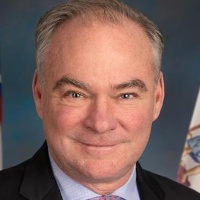
Timothy Kaine
Senator
VA
Timothy Kaine
Senator
VA
This joint resolution seeks to disapprove and nullify a specific rule recently issued by the Department of Education concerning the William D. Ford Federal Direct Loan Program. If enacted, this resolution would prevent the published rule from taking effect or being enforced.
This bill eliminates tax credits for enhanced oil recovery projects and removes the use of carbon oxide for oil extraction as a qualifying activity for carbon capture tax credits.

Jeff Merkley
Senator
OR
Jeff Merkley
Senator
OR
The End Polluter Welfare for Enhanced Oil Recovery Act of 2026 eliminates federal tax subsidies for oil and gas companies that use carbon capture technology to facilitate enhanced oil recovery. By repealing the Section 43 tax credit and restricting Section 45Q eligibility for new facilities, this bill ends taxpayer-funded incentives for oil extraction processes.
This bill repeals recent changes to student loan limits, repayment programs, Pell Grants, and borrower defense rules, while also modifying the excise tax on private college endowments.
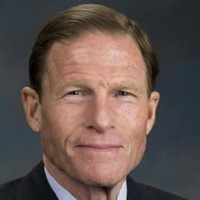
Richard Blumenthal
Senator
CT
Richard Blumenthal
Senator
CT
The Restoring College Access and Affordability Act aims to reverse recent changes to federal student aid programs by repealing provisions related to loan limits, repayment options, and Pell Grant eligibility. This legislation restores prior law regarding student loan forgiveness, deferment, and how other grants affect Pell Awards. Additionally, it modifies the excise tax on private college endowment income and adjusts rules concerning ineligibility based on low earning outcomes.
This bill prohibits the United States from entering into a civilian nuclear cooperation agreement with Saudi Arabia unless the kingdom renounces uranium enrichment and reprocessing and agrees to enhanced IAEA oversight, subject to final Congressional approval.
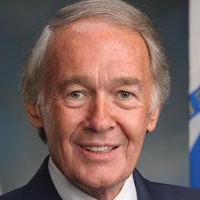
Edward Markey
Senator
MA
Edward Markey
Senator
MA
The "No Nuclear Weapons for Saudi Arabia Act of 2026" prohibits the United States from entering into a civilian nuclear cooperation agreement with Saudi Arabia unless the kingdom formally renounces uranium enrichment and reprocessing. The bill mandates that any such agreement must receive explicit approval from Congress and requires Saudi Arabia to adopt an Additional Protocol with the International Atomic Energy Agency. Additionally, it establishes a U.S. policy to oppose the transfer of nuclear technology to Saudi Arabia through the Nuclear Suppliers Group until these non-proliferation conditions are met.
This Act establishes a Bill of Rights and national standards to protect the fundamental rights of older adults and people with disabilities under guardianship or other protective arrangements, while promoting less restrictive alternatives like supported decisionmaking.

Tammy Duckworth
Senator
IL
Tammy Duckworth
Senator
IL
The Guardianship Bill of Rights Act of 2026 aims to establish and enforce national standards that protect the fundamental rights of older adults and people with disabilities under guardianship or other protective arrangements. The bill creates a council to develop these rights and mandates the development of standards prioritizing less restrictive alternatives like supported decisionmaking. Furthermore, it establishes a federal grant program to empower protection and advocacy systems to oversee and monitor these arrangements.
This joint resolution blocks the proposed sale of specific defense articles, munitions, and support services to the United Arab Emirates.

Chris Van Hollen
Senator
MD
Chris Van Hollen
Senator
MD
This joint resolution expresses congressional disapproval of a proposed foreign military sale to the United Arab Emirates. If enacted, the bill would formally prohibit the transfer of specific defense articles, including precision-guided munitions, guidance sets, and associated technical and logistics support services.
The No Bailout for Crypto Act prohibits federal agencies from providing financial assistance or emergency liquidity to digital asset market participants to prevent their failure or bankruptcy.

Richard Durbin
Senator
IL
Richard Durbin
Senator
IL
The "No Bailout for Crypto Act" prohibits federal agencies from providing financial assistance or emergency liquidity to digital asset intermediaries and related service providers to prevent their bankruptcy. The bill ensures that taxpayer funds and emergency facilities, such as the Exchange Stabilization Fund, cannot be used to bail out the cryptocurrency industry. It explicitly restricts these entities from accessing federal support while maintaining the Federal Reserve's existing authority to lend to traditional depository institutions.
The Carlton H. Ingram Veterans’ Benefits Protection Act requires the VA to base disability ratings on a veteran’s condition without the masking effects of medication or treatment, while ensuring continued coverage for treatment-related complications.
Richard Blumenthal
Senator
CT
Richard Blumenthal
Senator
CT
The Carlton H. Ingram Veterans’ Benefits Protection Act ensures that the Department of Veterans Affairs disregards the beneficial effects of medication or treatment when determining a veteran’s disability rating. By establishing a baseline based on the veteran's condition without such interventions, the bill aims to provide a more accurate assessment of service-connected disabilities. Additionally, it protects a veteran's right to seek compensation for new or aggravated conditions resulting from medical treatment.
The "Love Lives On Act of 2025" restores benefits to surviving spouses of veterans who remarry, including educational benefits, Dependency and Indemnity Compensation, Survivor Benefit Plan payments, and TRICARE eligibility.
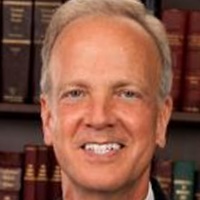
Jerry Moran
Senator
KS
Jerry Moran
Senator
KS
The "Love Lives On Act of 2025" modifies eligibility rules for Dependency and Indemnity Compensation (DIC) and Survivor Benefit Plan (SBP) payments for surviving spouses who remarry. It allows remarried surviving spouses to receive certain educational benefits and DIC, and it continues annuity payments to surviving spouses who remarry, particularly those whose spouses died on active duty. Additionally, the Act expands the definition of "dependent" under the TRICARE program to include remarried widows or widowers whose subsequent marriage has ended.
The Big Oil Windfall Profits Tax Act imposes a tax on large oil producers when prices exceed 2025 levels and redistributes the revenue to eligible Americans through quarterly gasoline price rebates.

Sheldon Whitehouse
Senator
RI
Sheldon Whitehouse
Senator
RI
The Big Oil Windfall Profits Tax Act imposes a new excise tax on large oil producers and importers when crude oil prices exceed 2025 baseline levels. Revenue generated from this tax is deposited into a dedicated fund used to provide quarterly gasoline price rebates to eligible individual taxpayers.
The Equal Tax Act reforms the tax code by limiting preferential capital gains rates, taxing unrealized gains on large estates and gifts, and restricting certain tax-deferral strategies for high-income earners.
Edward Markey
Senator
MA
Edward Markey
Senator
MA
The Equal Tax Act proposes significant changes to the Internal Revenue Code, effective after 2026, to limit preferential tax rates on dividends and capital gains for incomes exceeding $1 million. The bill introduces a "deemed realization" rule that triggers capital gains taxes on assets transferred via gift or at death, while providing specific exclusions and installment payment options for family farms and businesses. Additionally, the legislation places new caps on tax-deferred like-kind real estate exchanges and modifies deductions for qualified business income.
This resolution honors the life and enduring legacy of Reverend Jesse Louis Jackson, Sr., for his historic leadership in the Civil Rights Movement and his lifelong dedication to justice, equality, and human rights.
Richard Durbin
Senator
IL
Richard Durbin
Senator
IL
This resolution honors the life and enduring legacy of Reverend Jesse Louis Jackson, Sr., a pivotal civil rights leader and advocate for global justice. It recognizes his decades of dedicated public service, his historic political achievements, and his lifelong commitment to equality. The measure further extends formal condolences to his family for their loss.
This bill amends the Fair Labor Standards Act to ensure home care workers receive essential minimum wage and overtime protections by narrowing existing exemptions.
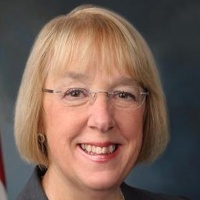
Patty Murray
Senator
WA
Patty Murray
Senator
WA
The Fair Wages for Home Care Workers Act amends the Fair Labor Standards Act to ensure home care workers receive essential minimum wage and overtime protections. By narrowing existing exemptions, the bill clarifies that these labor standards apply to professional caregivers, distinguishing them from casual, non-professional babysitting services.
The Justice for Hind Rajab Act mandates a comprehensive U.S. government investigation into the January 29, 2024, killing of Hind Rajab and her rescuers, while establishing a framework for potential war crimes prosecutions and accountability.
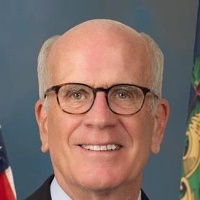
Peter Welch
Senator
VT
Peter Welch
Senator
VT
The Justice for Hind Rajab Act mandates a comprehensive investigation into the January 29, 2024, killing of Hind Rajab, her family, and their responding paramedics in Gaza. The bill requires the Secretary of State and the Attorney General to report on the use of U.S.-provided weapons in the attack and to pursue potential war crimes prosecutions. Additionally, it establishes a formal U.S. policy to investigate and hold perpetrators accountable for war crimes committed during the ongoing conflict.
The Working Americans’ Tax Cut Act establishes an alternative maximum tax rate for low- and middle-income individuals while implementing a new income-based surcharge for high earners.
Chris Van Hollen
Senator
MD
Chris Van Hollen
Senator
MD
The Working Americans’ Tax Cut Act aims to provide tax relief to low- and middle-income individuals by establishing an alternative maximum tax rate based on cost-of-living exemptions. To offset these reductions, the bill introduces a progressive tax surcharge on high-income earners. These changes are slated to take effect for tax years beginning after December 31, 2025.