Legislative Activity
Track Josh's sponsored bills, co-sponsored legislation, and voting record
This resolution commemorates the Dalai Lama's 90th birthday as a "Day of Compassion" while reaffirming U.S. support for Tibetan human rights, religious freedom, and the Tibetan people's right to choose their own religious leaders without interference from China.
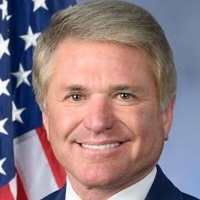
Michael McCaul
Representative
TX
Michael McCaul
Representative
TX
This resolution commemorates the 90th birthday of the Dalai Lama by designating July 6, 2025, as a "Day of Compassion." It strongly reaffirms U.S. support for the human rights, religious freedom, and cultural preservation of the Tibetan people. Furthermore, the resolution asserts that the selection of the next Dalai Lama is solely the right of the Tibetan Buddhist community, rejecting any interference by the People's Republic of China.
This bill establishes a Department of Justice Task Force to combat anti-Sikh hate and discrimination through definition, education, and reporting.
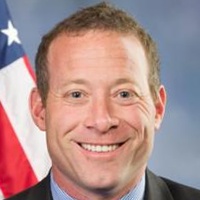
Josh Gottheimer
Representative
NJ
Josh Gottheimer
Representative
NJ
The Sikh American Anti-Discrimination Act of 2026 establishes a Department of Justice Task Force dedicated to combating anti-Sikh hate and discrimination. This Task Force is charged with formally defining anti-Sikh hate, developing educational programs for law enforcement and schools, and collaborating with the Sikh community. The bill mandates annual reporting to Congress on hate crimes, legal actions, and ongoing threats against Sikhs.
This bill impeaches Secretary of Homeland Security Kristi Lynn Arnold Noem for high crimes and misdemeanors, citing willful refusal to comply with oversight law, violating the Impoundment Control Act, directing unlawful ICE misconduct, and misusing federal funds for personal gain.
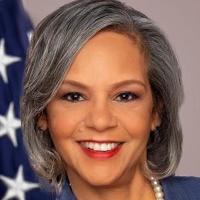
Robin Kelly
Representative
IL
Robin Kelly
Representative
IL
This resolution initiates impeachment proceedings against Secretary of Homeland Security Kristi Lynn Arnold Noem for high crimes and misdemeanors. The articles of impeachment charge her with willfully refusing to comply with Congressional oversight laws and violating the Impoundment Control Act by improperly withholding funds. Further articles allege she directed widespread misconduct by ICE agents that violated federal law and constitutional rights, and misused taxpayer funds for personal gain through improper contracting.
This bill establishes a special base pay system that increases the salaries of Bureau of Prisons correctional officers and certain hourly employees by 35 percent for a five-year period, subject to review.

Dan Goldman
Representative
NY
Dan Goldman
Representative
NY
The Federal Correctional Officer Paycheck Protection Act of 2026 establishes a special pay system to increase the base pay for Bureau of Prisons (BOP) correctional officers by 35 percent. This legislation also provides a similar 35 percent wage increase for certain hourly BOP employees involved in inmate custody. The new pay authority is set to expire after five years, unless the Department of Justice Inspector General reports measurable progress in reducing the use of non-custodial staff for officer duties and excessive overtime.
The REAADI for Disasters Act aims to improve disaster preparedness, response, recovery, and mitigation by ensuring the inclusion, protection, and civil rights of older adults and individuals with disabilities through funding, training, and new federal standards.

Debbie Dingell
Representative
MI
Debbie Dingell
Representative
MI
The **REAADI for Disasters Act** aims to significantly improve disaster preparedness, response, and recovery for older adults and individuals with disabilities. It establishes dedicated funding, creates new grant programs, and mandates accessible standards across all phases of emergency management. The bill seeks to ensure these vulnerable populations are included in planning, protected from discrimination, and receive necessary human services during and after a disaster.
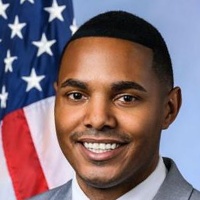
This act prohibits federal officials and employees from trading prediction market contracts while possessing material nonpublic government information.
Ritchie Torres
Representative
NY
Ritchie Torres
Representative
NY
The Public Integrity in Financial Prediction Markets Act of 2026 prohibits federal officials and employees from trading in prediction market contracts while possessing material, nonpublic government information. This ban specifically targets transactions related to government policy, actions, or political outcomes. The goal is to prevent insider trading within these emerging financial markets by those with privileged access to government knowledge.
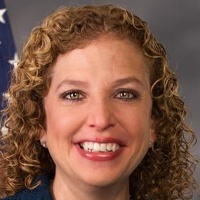
This resolution recognizes the 15th anniversary of the 2011 Tucson shooting, honoring the victims, survivors, and the ongoing advocacy of Gabby Giffords.
Debbie Wasserman Schultz
Representative
FL
Debbie Wasserman Schultz
Representative
FL
This resolution commemorates the 15th anniversary of the tragic January 8, 2011, Tucson shooting, honoring the six lives lost and the thirteen injured. It specifically commends the courage and ongoing advocacy of gun violence survivor and former Congresswoman Gabby Giffords. The resolution also recognizes the resilience of the community and reaffirms a commitment to ending political violence.
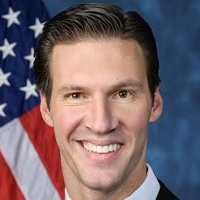
This act establishes a 180-day "first look" period granting qualified homebuyers and organizations exclusive early access to purchase certain government-owned single-family properties before they can be sold to institutional investors.
Pat Harrigan
Representative
NC
Pat Harrigan
Representative
NC
The Families First Housing Act of 2026 establishes an 180-day "first look" period for certain homebuyers and organizations to purchase government-owned single-family properties before they can be sold to institutional investors. This mandates that federal housing entities offer eligible properties at fair market value exclusively to qualified primary residents, nonprofits, or local governments during this initial period. The Act also requires public listing, reporting on sales, and imposes penalties for non-compliance.
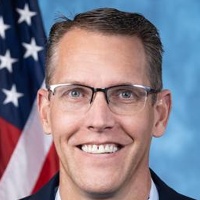
This bill establishes a grant program to help agricultural producers and schools retrofit older tractors with federally approved rollover protection structures.
Randy Feenstra
Representative
IA
Randy Feenstra
Representative
IA
This bill establishes a grant program administered by the Secretary of Agriculture to help agricultural producers and eligible schools retrofit older tractors with approved rollover protection structures. The grants will cover 70% or more of the costs associated with purchasing, transporting, and installing these safety devices. A selected nongovernmental organization will manage the application process and public outreach for the program.
This bill establishes a federal multi-agency task force to combat the illegal importation, distribution, and sale of e-cigarettes.
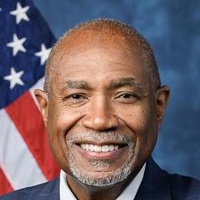
Herbert Conaway
Representative
NJ
Herbert Conaway
Representative
NJ
The S.T.O.P. Illicit Vapes Act establishes a high-level, multi-agency federal task force to combat the illegal importation, distribution, and sale of unauthorized e-cigarettes. Co-chaired by the Attorney General and the Secretary of Health and Human Services, this group will coordinate enforcement strategies and share information. The task force is required to meet regularly and submit detailed semi-annual reports to Congress outlining enforcement actions and recommendations for new legal authorities.
The American Affordability Act of 2025 is a comprehensive bill designed to lower costs for families through expanded housing assistance, clean energy tax credits, monthly child payments, education relief, and enhanced healthcare subsidies.
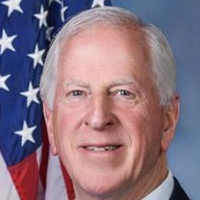
Mike Thompson
Representative
CA
Mike Thompson
Representative
CA
The American Affordability Act of 2025 is a comprehensive bill designed to lower costs across five key areas: housing, energy, family care, education, and healthcare. It achieves this by expanding tax credits for housing construction and homebuyers, extending incentives for clean energy manufacturing and consumer adoption, replacing the Child Tax Credit with larger monthly payments, making higher education expenses more affordable, and permanently expanding subsidies to lower health insurance premiums for millions. Overall, the legislation aims to provide direct financial relief and increase access to essential services for American families and workers.
This bill establishes a digital system for military beneficiaries to file and track complaints about access to care at military medical facilities and mandates an annual report analyzing these issues.
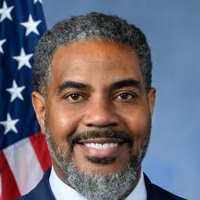
Steven Horsford
Representative
NV
Steven Horsford
Representative
NV
The Military CARE Act establishes a digital system for military beneficiaries to easily file and track complaints regarding access to care at military medical facilities. It mandates the creation of an annual report analyzing these complaints to identify trends and inform improvements. This aims to enhance transparency and accountability in military healthcare access.
The Essential Caregivers Act of 2025 guarantees nursing home and long-term care residents the right to designate an essential caregiver who maintains access to them even during public health emergencies.
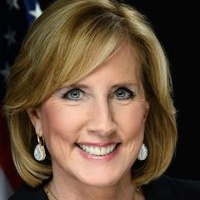
Claudia Tenney
Representative
NY
Claudia Tenney
Representative
NY
The Essential Caregivers Act of 2025 protects the rights of residents in long-term care facilities to designate an essential caregiver who can provide support and companionship. This legislation ensures that these caregivers maintain in-person access to residents even during public health emergencies when general visitation is restricted. By establishing clear protocols and an appeals process, the bill aims to prevent the harmful effects of isolation and ensure residents continue to receive vital care and advocacy.
This act restricts senior government officials and their families from owning or trading specific investments, requiring divestment of existing holdings to restore public trust.
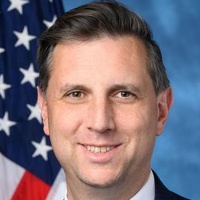
Seth Magaziner
Representative
RI
Seth Magaziner
Representative
RI
The Restore Trust in Government Act establishes strict new federal restrictions on senior government officials and their immediate families regarding the ownership and trading of specific financial investments. Covered individuals must divest existing investments that fall under the law's definition within a set timeframe, with limited exceptions. Violators face significant financial penalties, including a 10% fee on the investment value and disgorgement of any profits earned from prohibited transactions.
This act expands rural housing financing by including accessory dwelling units and raising the eligible population limit for rural areas to 10,000 residents.
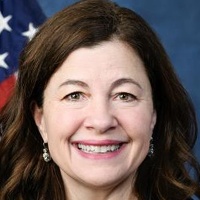
Kristen McDonald Rivet
Representative
MI
Kristen McDonald Rivet
Representative
MI
The FARM Home Loans Act of 2025 updates rural housing financing by expanding eligible property types to include accessory dwelling units (ADUs). Additionally, this act increases the population limit for eligible rural areas from 2,500 to 10,000 residents. These changes aim to foster greater availability of home loans in rural markets.
This bill establishes the Professional Student Degree Act to define "professional degree" for student loan purposes, including specific advanced degrees required for professional practice.
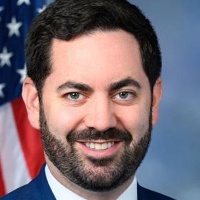
Michael Lawler
Representative
NY
Michael Lawler
Representative
NY
The Professional Student Degree Act seeks to amend the Higher Education Act by formally defining what constitutes a "professional degree" for student loan purposes. This definition specifies degrees that prepare students to immediately begin practicing in a profession and require a skill level beyond a standard bachelor's degree. The bill explicitly lists numerous professional degrees, such as Law, Medicine, and specialized health fields, under this new classification.
This bill officially renames the United States Postal Service facility at 130 North Winton Road in Rochester, New York, as the "Lieutenant James N. Lyons Post Office."
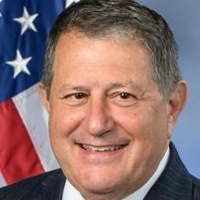
Joseph Morelle
Representative
NY
Joseph Morelle
Representative
NY
This bill officially designates the United States Postal Service facility located at 130 North Winton Road in Rochester, New York, as the "Lieutenant James N. Lyons Post Office." The legislation ensures that all future official references to this location will use the new designated name.
This act nullifies a recent Executive Order regarding federal labor relations and ensures existing collective bargaining agreements remain in effect.
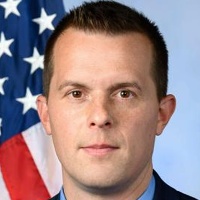
Jared Golden
Representative
ME
Jared Golden
Representative
ME
The Protect America's Workforce Act nullifies a specific Executive Order issued in March 2025 concerning exclusions from federal labor-management relations programs. This legislation ensures that any existing collective bargaining agreements between federal agencies and employee unions remain fully in effect until their stated expiration dates. The Act also prohibits the use of federal funds to implement the overturned Executive Order.
The Endometriosis CARE Act establishes a comprehensive program to advance research, improve awareness, analyze access barriers, and study disparities related to endometriosis.
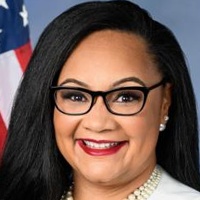
Nikema Williams
Representative
GA
Nikema Williams
Representative
GA
The Endometriosis CARE Act aims to improve the understanding and management of endometriosis through increased research funding and data collection at the NIH. The bill also mandates studies to identify barriers to treatment access and requires the development of public education campaigns and provider information resources. Furthermore, it calls for a comprehensive study on disparities in endometriosis prevalence, detection, and treatment outcomes.
This bill extends enhanced premium tax credits for 2026, establishes strict anti-fraud measures for health insurance agents and brokers, imposes new accountability and transparency requirements on Pharmacy Benefit Managers (PBMs) in Medicare, and extends the 2026 open enrollment period.
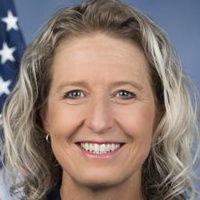
Jennifer Kiggans
Representative
VA
Jennifer Kiggans
Representative
VA
The CommonGround for Affordable Health Care Act extends enhanced premium tax credits for Marketplace health insurance through 2026, while also establishing strict new penalties and verification processes to combat fraud by agents and brokers in health insurance exchanges. Furthermore, the bill imposes significant new transparency and accountability requirements on Pharmacy Benefit Managers (PBMs) contracting with Medicare Part D plans. Finally, it extends the 2026 open enrollment period and creates a fast-track legislative process for future premium tax credit reform bills.