
Legislative Activity
Track Josh's sponsored bills, co-sponsored legislation, and voting record
The WARN Act directs the Comptroller General to study and report on the effectiveness of weather alert systems to improve community emergency response plans and public safety.
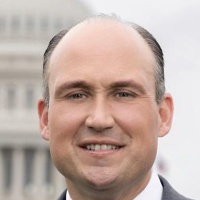
Nicholas Langworthy
Representative
NY
Nicholas Langworthy
Representative
NY
The WARN Act aims to improve community safety during weather emergencies by directing the Comptroller General to study the effectiveness of local, state, territory, and federal emergency alert systems. The study will assess alert dissemination methods, evaluate the clarity and actionability of alert content, and explore improvements to public alerting systems. A report on the study's findings will be submitted to Congress within 18 months, with the goal of enhancing emergency response plans and public safety.
The Scientific Integrity Act mandates federal agencies to establish and enforce scientific integrity policies that protect scientific research from political interference, ensure open communication of scientific findings, and provide whistleblower protection for scientists.
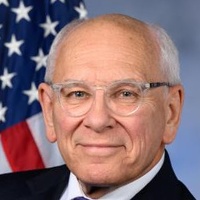
Paul Tonko
Representative
NY
Paul Tonko
Representative
NY
The Scientific Integrity Act mandates that federal agencies that fund, conduct, or oversee scientific research establish and enforce scientific integrity policies. These policies aim to protect scientists from political interference, ensure the open communication of scientific findings, and establish clear processes for reporting and addressing scientific misconduct. The Act requires agencies to appoint Scientific Integrity Officers, provide regular training, and report on misconduct complaints, with oversight from the Office of Science and Technology Policy and Congress. It also protects the rights of federal employees and contractors to share their findings and prevents the suppression or distortion of scientific data.
Establishes a commission to study the feasibility of creating a National Museum of Italian American History and Culture in Washington, D.C., funded through private contributions.
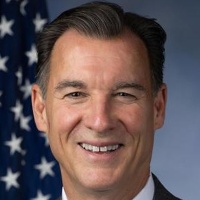
Thomas Suozzi
Representative
NY
Thomas Suozzi
Representative
NY
This bill establishes a commission to study the feasibility of creating a National Museum of Italian American History and Culture in Washington, D.C. The commission will develop recommendations for a plan of action, including a fundraising plan to support the museum's establishment, operation, and maintenance without federal funds. The commission will submit reports to the President and Congress, and will conclude 30 days after submitting its final reports. No federal funds will be used for the commission's work.
The Right to Contraception Act establishes a federal right to obtain and use contraception and prohibits government interference with access to contraceptive services and information.

Lizzie Fletcher
Representative
TX
Lizzie Fletcher
Representative
TX
The Right to Contraception Act establishes a federal right for individuals to access and use contraception without government interference. It prohibits federal and state governments from enacting laws that restrict access to contraceptives or the provision of related services. The Act provides clear enforcement mechanisms, allowing individuals and the Attorney General to sue to strike down any rule that violates these protections.
The No Tax Breaks for Outsourcing Act amends the Internal Revenue Code to eliminate tax incentives for offshoring by reforming international corporate taxation, tightening interest deduction rules, and closing loopholes used by inverted and foreign-managed corporations.

Lloyd Doggett
Representative
TX
Lloyd Doggett
Representative
TX
The **No Tax Breaks for Outsourcing Act** amends the Internal Revenue Code to discourage corporations from shifting profits and operations overseas. The bill replaces the current global intangible low-taxed income (GILTI) regime with a "net CFC tested income" system, implements country-by-country tax reporting, and limits interest deductions for large international groups. Additionally, it strengthens rules to prevent corporate inversions and treats foreign corporations managed within the United States as domestic entities for tax purposes.
The Love Lives On Act of 2025 ensures that surviving spouses of veterans and service members retain their earned dependency compensation, survivor benefits, and TRICARE eligibility regardless of remarriage.
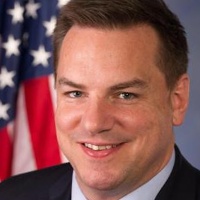
Richard Hudson
Representative
NC
Richard Hudson
Representative
NC
The Love Lives On Act of 2025 ensures that surviving spouses of veterans and service members retain their earned benefits, including dependency and indemnity compensation, educational assistance, and Survivor Benefit Plan annuities, regardless of remarriage. Additionally, the bill expands TRICARE eligibility to include widows and widowers whose subsequent marriages have ended. This legislation protects the financial security and healthcare access of surviving families by removing penalties associated with remarriage.
This legislation extends and expands federal programs through 2030 to support the mental health, well-being, and professional resilience of the health care workforce.

Debbie Dingell
Representative
MI
Debbie Dingell
Representative
MI
The Dr. Lorna Breen Health Care Provider Protection Reauthorization Act extends and strengthens critical federal programs designed to support the mental health and well-being of the health care workforce. The bill mandates annual awareness initiatives and expands grant eligibility to organizations focused on reducing administrative burdens for medical professionals. These programs are now authorized through fiscal year 2030 to ensure continued support for reducing burnout and promoting mental health services.
The American CANS Act requires that the country of origin for imported canned agricultural products be clearly displayed on the front or top of the can.

Josh Harder
Representative
CA
Josh Harder
Representative
CA
The American CANS Act requires that the country of origin for imported canned agricultural products be clearly displayed on either the front label or the top of the can. This legislation aims to increase consumer transparency by ensuring origin information is easily accessible. The new labeling requirements will apply to products imported 18 months after the bill is enacted.
The Patriot Day Act designates Patriot Day as an official federal holiday.
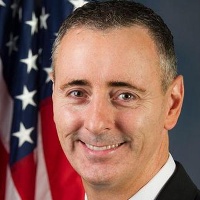
Brian Fitzpatrick
Representative
PA
Brian Fitzpatrick
Representative
PA
The Patriot Day Act formally designates Patriot Day as a federal holiday. This legislation adds the observance to the official list of legal public holidays under 5 U.S.C. § 6103(a).
The Stop the Wait Act of 2025 eliminates the five-month waiting period for Social Security Disability Insurance (SSDI) benefits and removes the 24-month Medicare waiting period for eligible individuals lacking affordable health coverage.
Lloyd Doggett
Representative
TX
Lloyd Doggett
Representative
TX
The Stop the Wait Act of 2025 aims to provide faster financial and medical support to individuals with disabilities by eliminating the five-month waiting period for Social Security Disability Insurance (SSDI) benefits by 2030. Additionally, the bill removes the 24-month Medicare waiting period for SSDI recipients who lack access to affordable health insurance, ensuring they can access necessary medical coverage sooner.
This bill requires the Small Business Administration to provide training and guidance to federal agencies that fail to meet contracting goals for service-disabled veteran-owned small businesses.
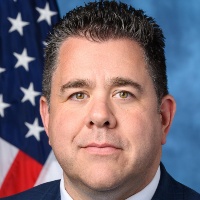
Nicolas LaLota
Representative
NY
Nicolas LaLota
Representative
NY
The Service-Disabled Veteran Opportunities in Small Business Act aims to increase federal contracting opportunities for businesses owned by service-disabled veterans. The bill mandates specialized training and best-practice guidance for federal agencies that fail to meet established contracting goals. Additionally, it requires the Small Business Administrator to submit annual reports to Congress to ensure accountability and track progress.
This bill provides a 6.62 percent Medicare payment increase for physicians and practitioners from April through December 2025 to help stabilize medical practices.
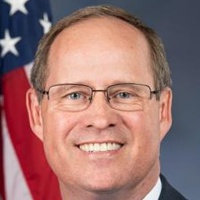
Gregory Murphy
Representative
NC
Gregory Murphy
Representative
NC
The Medicare Patient Access and Practice Stabilization Act of 2025 aims to support healthcare providers by extending Medicare payment adjustments through the end of 2025. Specifically, the bill provides a 6.62 percent payment increase for services rendered between April 1, 2025, and December 31, 2025, to help practitioners adjust to evolving Medicare payment policies.
The Closing the College Hunger Gap Act requires the Department of Education to notify students with high financial need about their potential eligibility for SNAP benefits.
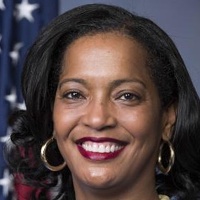
Jahana Hayes
Representative
CT
Jahana Hayes
Representative
CT
The Closing the College Hunger Gap Act aims to reduce food insecurity among students by ensuring those with the highest financial need are informed of their potential eligibility for SNAP benefits. The bill requires the Department of Education to proactively notify students who qualify for federal aid about the SNAP application process. By streamlining communication between federal agencies, this legislation helps eligible students access essential nutritional support.
This resolution expresses gratitude and recognition for Gold Shield Families, acknowledging the sacrifices and hardships endured by the families of fallen first responders. It directs that the resolution be shared with the President and made public to ensure their sacrifices are remembered.
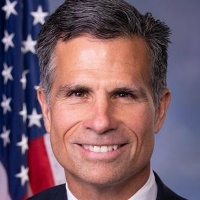
Daniel Meuser
Representative
PA
Daniel Meuser
Representative
PA
This resolution expresses gratitude and acknowledges the sacrifices made by Gold Shield Families, the families of fallen first responders. It honors these families of fallen police officers, firefighters, EMTs, and other emergency personnel. The resolution directs that a copy be sent to the President and made public, ensuring their sacrifices are remembered and recognized nationwide.
The Charitable Act extends and modifies tax deductions for charitable contributions, allowing individuals who take the standard deduction to claim additional tax benefits for donations made in 2026 and 2027.
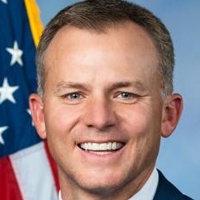
Blake Moore
Representative
UT
Blake Moore
Representative
UT
The Charitable Act allows individuals who take the standard deduction to also claim a deduction for charitable contributions during the 2026 and 2027 tax years. This legislation permits non-itemizers to deduct donations up to one-third of their standard deduction amount while removing previous penalties for overstatements.
This bill expresses the House of Representatives' desire to keep the United States Postal Service (USPS) as an independent entity within the Federal Government, protecting it from privatization. It emphasizes the USPS's importance to the mailing industry, its role in connecting communities, and the potential negative impacts of privatization on prices, services, and infrastructure.
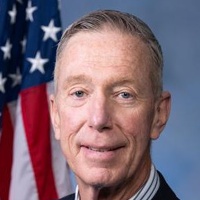
Stephen Lynch
Representative
MA
Stephen Lynch
Representative
MA
This bill expresses the House of Representatives' view that Congress should act to maintain the United States Postal Service (USPS) as an independent entity within the Federal Government. It emphasizes the USPS's role as a self-sustaining service vital to the economy and national connectivity. The resolution discourages privatization, citing concerns about increased costs, reduced services, and damage to critical infrastructure.
This bill authorizes grant funding for first responders to receive training on and purchase containment devices to prevent secondary exposure to fentanyl and other lethal substances.
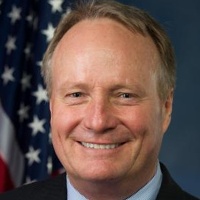
David Joyce
Representative
OH
David Joyce
Representative
OH
The Protecting First Responders from Secondary Exposure Act of 2025 authorizes the use of federal grant funds to better equip and train emergency personnel. This legislation enables first responders to purchase specialized containment devices and receive training to prevent accidental secondary exposure to fentanyl and other lethal substances.
This bill permanently authorizes and secures ongoing funding for supportive services for very low-income veteran families in permanent housing.
Nicolas LaLota
Representative
NY
Nicolas LaLota
Representative
NY
The "Supporting Veteran Families in Need Act" permanently authorizes financial assistance for supportive services for very low-income veteran families in permanent housing. By establishing ongoing annual funding, this legislation eliminates the need for future reauthorizations, ensuring consistent support for vulnerable veterans and their families.
The Veterans Member Business Loan Act amends the Federal Credit Union Act to include loans made to veterans within the definition of "member business loans."
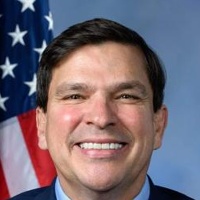
Vicente Gonzalez
Representative
TX
Vicente Gonzalez
Representative
TX
The Veterans Member Business Loan Act amends the Federal Credit Union Act to include loans made to veterans within the definition of "member business loans." This change aims to expand access to capital for veteran-owned businesses by facilitating easier lending through credit unions.
This bill increases the railroad track maintenance tax credit, introduces annual inflation adjustments, and extends the eligibility period for qualifying expenditures.
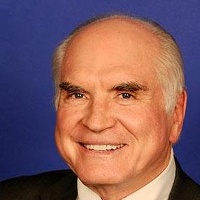
Mike Kelly
Representative
PA
Mike Kelly
Representative
PA
This bill amends the Internal Revenue Code to expand the railroad track maintenance credit by increasing the per-mile tax credit to $6,100 and implementing annual inflation adjustments starting in 2026. It also extends the eligibility window for qualifying maintenance expenditures to include costs incurred through 2023. These updates aim to provide greater financial support for ongoing railroad infrastructure improvements.