This bill establishes the "Protecting Americas Herds Act" to create a competitive grant program supporting cooperative extension services in preparing for and responding to New World screwworm outbreaks.
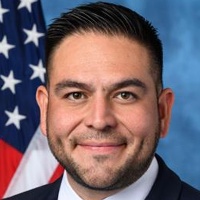
Gabriel (Gabe) Vasquez
Representative
NM-2
The "Protecting Americas Herds Act" establishes a competitive grant program administered by the Secretary of Agriculture. This program is designed to help cooperative extension services prepare for and respond to New World screwworm outbreaks. Funds will support training, livestock inspections, producer education, and technical assistance to prevent and manage infestations. Priority will be given to areas facing a heightened risk of introduction or spread.
Protecting Americas Herds Act Authorizes New Grants to Combat Screwworm Outbreaks
The Protecting Americas Herds Act establishes a competitive grant program under the Department of Agriculture to help local extension services prepare for and fight New World screwworm infestations. This legislation allows the Secretary of Agriculture to distribute funding for specialized training, livestock inspections, and direct technical assistance to farmers and ranchers. By focusing on education and biosecurity, the bill aims to create a frontline defense against a parasite that can devastate livestock populations and cause significant economic damage to the food supply chain.
A Shield for the Ranch
Under Section 2, the grant money is earmarked for four specific activities that translate to boots-on-the-ground support. For a cattle rancher or a small-scale livestock owner, this could mean access to free workshops on how to spot early signs of infestation or receiving direct help from experts to improve biosecurity on their property. The bill specifically funds the training of personnel to identify and treat the screwworm, ensuring that when an outbreak occurs, the people responding actually know how to manage it before it spreads to neighboring counties.
Prioritizing the Frontlines
Because not every area faces the same level of threat, the Secretary of Agriculture is directed to prioritize grants for states and Tribal communities at a "heightened risk" of introduction. While the bill doesn't strictly define what qualifies as a heightened risk, it creates a framework for coordination between the Animal and Plant Health Inspection Service (APHIS), veterinarians, and land-grant universities. This means that if you live in a border state or a region with high livestock density, your local agricultural extension is more likely to receive the resources needed to run outreach campaigns and field demonstrations.
Practical Hurdles and Implementation
The legislation is written with a "Medium" level of vagueness regarding the application process, stating that the Secretary will determine the "appropriate schedule and format" for grant requests. For local extension offices, this means the ease of getting these funds will depend entirely on how much red tape the USDA decides to wrap around the application. Additionally, while the bill authorizes "whatever sums are needed," the actual impact will depend on whether Congress follows through with specific funding in the annual budget. For now, the bill sets the stage for a more coordinated, localized response to a pest that treats a family’s livelihood as its next meal.