Legislative Activity
Track Emily's sponsored bills, co-sponsored legislation, and voting record
This act mandates that the Department of Veterans Affairs must provide abortion care, counseling, and related services and medication to eligible veterans and certain other individuals.
Julia Brownley
Representative
CA
Julia Brownley
Representative
CA
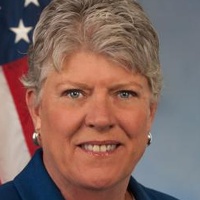
The Reproductive Freedom for Veterans Act mandates that the Department of Veterans Affairs (VA) must now provide abortion care, counseling, and related medication as part of the medical services offered to eligible veterans and certain other beneficiaries. This legislation formally amends existing VA health care provisions to include these reproductive health services.
This bill repeals specific prior health reconciliation provisions and expands eligibility for the Premium Tax Credit by removing the 400% income cap and adjusting the subsidy calculation formula.
Adam Gray
Representative
CA
Adam Gray
Representative
CA
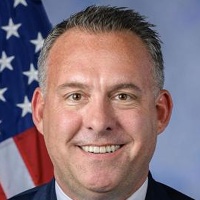
The Protecting Health Care and Lowering Costs Act of 2025 repeals specific prior reconciliation health provisions. This bill significantly expands eligibility for the Premium Tax Credit by eliminating the 400% Federal Poverty Level income cap. It also updates the subsidy calculation formula to ensure a smoother, linear adjustment of assistance across various income levels.
This act restores previous state Medicaid provider tax rules by repealing Section 71115 of Public Law 11921.
Greg Landsman
Representative
OH
Greg Landsman
Representative
OH
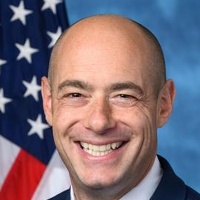
The Protect Our Hospitals Act aims to restore previous regulations concerning Medicaid provider taxes by repealing a specific section of Public Law 11921. This action effectively nullifies recent changes, returning the rules governing how states tax Medicaid providers to their original status.
This act repeals the prohibition on Medicaid payments to certain healthcare entities and mandates retroactive payment for services already rendered under the repealed ban.
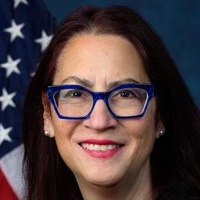
Laura Friedman
Representative
CA
Laura Friedman
Representative
CA
The Restoring Essential Healthcare Act repeals an outdated ban that prevented Medicaid from making payments to certain healthcare providers. This legislation ensures that these previously prohibited entities will now be reimbursed for medical services rendered between the enactment of the original ban and the passage of this Act. In short, it restores payment eligibility and retroactively covers past services.
This Act eliminates age restrictions and simplifies premium requirements for adult children covered under the TRICARE Young Adult program.
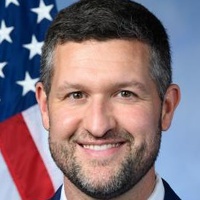
Patrick Ryan
Representative
NY
Patrick Ryan
Representative
NY
The Health Care Fairness for Military Families Act of 2025 significantly improves the TRICARE Young Adult (TYA) program for military dependents. This legislation eliminates the age restriction for TYA eligibility and removes the separate premium requirement for coverage. These changes aim to provide broader and simpler healthcare access for adult children of service members.
The Protected Time Off Act establishes a federal minimum accrual rate of one hour of paid annual leave for every 25 hours worked, while protecting employees' rights to use and enforce this earned time off.
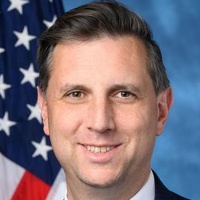
Seth Magaziner
Representative
RI
Seth Magaziner
Representative
RI
The Protected Time Off Act establishes a federal minimum standard for earned paid annual leave, requiring employers to grant employees at least one hour of paid time off for every 25 hours worked, up to 80 hours annually. This law specifies how leave is accrued, used, and rolled over, while protecting employees from retaliation for exercising these rights. It also ensures that existing state laws or agreements that provide more generous leave benefits remain in effect. Enforcement mechanisms are established, largely mirroring those under the Fair Labor Standards Act, allowing both government investigation and direct employee lawsuits.
This bill establishes a new system for distributing up to 2,000 additional Medicare-funded residency positions annually from 2026 through 2032, prioritizing hospitals serving underserved areas, and mandates a study on strategies to increase workforce diversity.
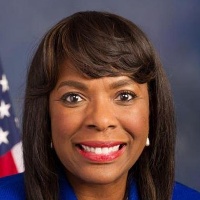
Terri Sewell
Representative
AL
Terri Sewell
Representative
AL
The Resident Physician Shortage Reduction Act of 2025 establishes a structured process for distributing up to 2,000 additional, federally funded residency positions annually between fiscal years 2026 and 2032. This distribution prioritizes hospitals serving in underserved areas, those already training above their limit, and those committed to primary care and general surgery training. The bill also mandates a study and report by the Comptroller General on effective strategies to increase diversity within the health professional workforce.
This bill grants federal law enforcement authority and corresponding benefits to certified Tribal law enforcement officers working under federal contracts, while also establishing DOJ oversight for public safety coordination in Indian communities.
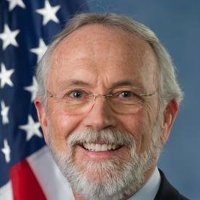
Dan Newhouse
Representative
WA
Dan Newhouse
Representative
WA
The Parity for Tribal Law Enforcement Act aims to grant qualified Tribal law enforcement officers the authority to enforce federal law within their jurisdiction under specific federal contracts or compacts. This requires Tribal officers and their departments to meet rigorous federal training and procedural standards comparable to those of Bureau of Justice Services employees. When acting under this authority, these Tribal officers will receive the same legal protections and benefits as federal law enforcement officers. The bill also mandates the Department of Justice to improve coordination and accountability for public safety efforts on tribal lands.
The Hands Off Our Social Security Act prohibits unauthorized tampering with benefits, data mining, privatization, workforce reductions, and office closures without explicit Congressional approval.
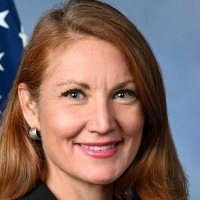
Melanie Stansbury
Representative
NM
Melanie Stansbury
Representative
NM
The Hands Off Our Social Security Act is designed to safeguard the functionality and integrity of the Social Security Administration (SSA). This bill prohibits the SSA from tampering with benefits, engaging in unauthorized data mining, or privatizing services. Furthermore, it prevents the agency from closing local offices or reducing staff without explicit approval from Congress. Ultimately, the Act ensures that essential services and communication channels remain accessible to beneficiaries.
This act establishes a new, potentially transferable, refundable tax credit of up to $15,000 for first-time homebuyers, subject to income, price limits, and a four-year recapture provision.
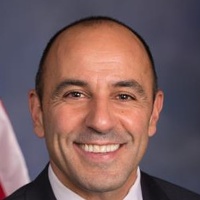
Jimmy Panetta
Representative
CA
Jimmy Panetta
Representative
CA
The First-Time Homebuyer Tax Credit Act of 2025 establishes a new, refundable tax credit for eligible first-time homebuyers, equal to 10% of the purchase price, up to a maximum of $15,000. This credit is subject to income and home price phase-outs based on local median figures. Homebuyers may elect to transfer this credit directly to their mortgage lender at closing in exchange for immediate cash. The bill also includes recapture provisions requiring repayment if the home is sold within four years.
The VISIBLE Act mandates that federal immigration officers clearly display their agency and identifying information when conducting public-facing enforcement activities.
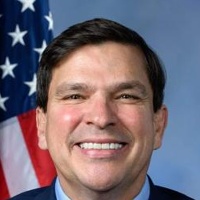
Vicente Gonzalez
Representative
TX
Vicente Gonzalez
Representative
TX
The VISIBLE Act mandates that federal immigration enforcement officers, such as those from CBP and ICE, must clearly display their agency name and either their last name or badge number during all public-facing civil immigration enforcement activities. This requirement ensures officers are easily identifiable to the public from a distance, promoting transparency and public trust. The law also establishes disciplinary procedures for non-compliance and requires annual reporting to Congress on enforcement activities and violations.
This Act prohibits businesses from using automated systems that rely on personal data surveillance to set individualized prices or determine worker wages, while preserving stronger state and collective bargaining protections.
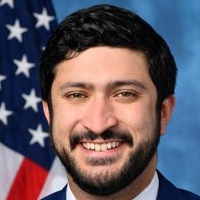
Gregorio Casar
Representative
TX
Gregorio Casar
Representative
TX
The Stop AI Price Gouging and Wage Fixing Act of 2025 prohibits businesses from using automated systems that analyze personal data to set individualized prices or determine employee wages. This legislation establishes strict transparency requirements for any permitted pricing exceptions and grants enforcement power to the FTC, EEOC, State Attorneys General, and private citizens. Furthermore, the Act ensures that existing state laws providing greater protections and collective bargaining rights remain fully in effect.
This act establishes a culturally and linguistically appropriate national strategy to improve mental health and substance abuse outreach and education specifically for Hispanic and Latino communities.
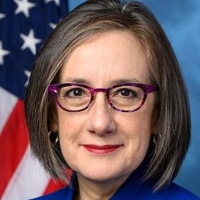
Andrea Salinas
Representative
OR
Andrea Salinas
Representative
OR
The Mental Health for Latinos Act of 2025 mandates the creation of a comprehensive, culturally sensitive outreach and education strategy to improve mental health and substance abuse support specifically for Hispanic and Latino communities. This plan requires collaboration with community groups to ensure materials address diverse linguistic and cultural needs across different age groups. The Secretary must report annually to Congress on the strategy's effectiveness in improving health outcomes for these populations.
This Act updates the eligibility requirements for members of federally recognized U.S. Indian Tribes and Canadian First Nations to receive immediate permanent resident status upon entry to the United States.
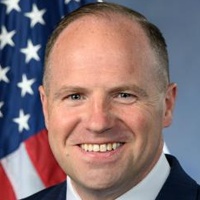
Timothy Kennedy
Representative
NY
Timothy Kennedy
Representative
NY
The McCarran-Walter Technical Corrections Act updates immigration eligibility for members of federally recognized Native American Tribes in the U.S. and First Nations in Canada. This bill removes outdated "blood quantum" requirements, instead requiring only verifiable membership in a recognized tribe or First Nation. Individuals admitted under this revised status will immediately receive permanent resident status.
This bill amends the Family and Medical Leave Act to explicitly qualify time taken for an employee's own organ donation surgery as a serious health condition.
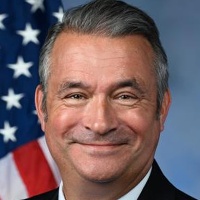
Don Bacon
Representative
NE
Don Bacon
Representative
NE
This bill amends the Family and Medical Leave Act (FMLA) to explicitly clarify that time taken off for an employee's own organ donation surgery qualifies as a serious health condition. This ensures both private and federal sector workers receive FMLA protection for recovery from organ donation. The legislation also specifies how federal employees must substitute existing paid leave when taking FMLA time for this purpose.
Ally's Act mandates that certain private health insurance plans must cover auditory implant devices, related services, and upgrades for qualifying individuals without imposing stricter cost-sharing or treatment limitations than other medical benefits.
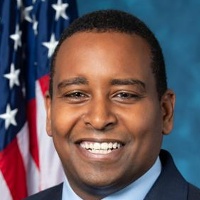
Joe Neguse
Representative
CO
Joe Neguse
Representative
CO
The Ally's Act mandates that certain private health insurance plans must cover auditory implant devices, related supplies, and necessary services for qualifying individuals. This coverage must be comparable to other medical and surgical benefits regarding cost-sharing and treatment limitations. Furthermore, plans cannot deny coverage if a physician or qualified audiologist determines the required hearing items or services are medically necessary. These new requirements take effect for plan years beginning on or after January 1, 2026.
This constitutional amendment prohibits immunity from criminal prosecution for federal officials based on their official duties and bars the President from self-pardoning.
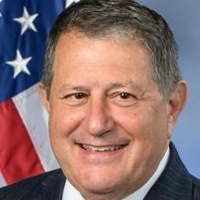
Joseph Morelle
Representative
NY
Joseph Morelle
Representative
NY
This proposed constitutional amendment would eliminate immunity from criminal prosecution for federal officials, including the President, based on their official duties. It also explicitly prohibits the President from issuing a self-pardon for any federal crimes. If ratified, these changes would take effect immediately.
This Act prohibits insurance companies from discriminating against living organ donors when issuing life, disability, or long-term care policies and mandates the updating of educational materials regarding donation risks and insurance implications.
Don Bacon
Representative
NE
Don Bacon
Representative
NE
The Living Donor Protection Act of 2025 prohibits life, disability, and long-term care insurance companies from denying coverage or increasing premiums solely because an individual is a living organ donor. This legislation ensures that living donors are not financially penalized for their altruistic act. Additionally, the bill requires the Secretary of HHS to update educational materials to accurately reflect the insurance protections afforded to living donors.
The EACH Act of 2025 mandates that all federally funded health programs and facilities must cover and provide abortion services, while also prohibiting federal interference with private insurance coverage.
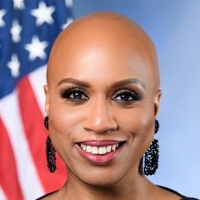
Ayanna Pressley
Representative
MA
Ayanna Pressley
Representative
MA
The EACH Act of 2025 aims to ensure equal access to abortion coverage by requiring all federally funded health programs and facilities to cover abortion services. This legislation prohibits federal interference with state or private insurance coverage of abortion and repeals Section 1303 of the Affordable Care Act. Ultimately, the bill seeks to eliminate financial and insurance barriers to abortion care, particularly for low-income individuals relying on programs like Medicaid.
The Silver Shield Act of 2025 establishes a Department of State program to monitor the end-use of U.S. defense items overseas for evidence of civilian harm or human rights violations, and amends existing law to require written agreements prohibiting such misuse before any transfer.
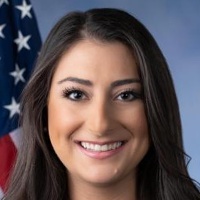
Sara Jacobs
Representative
CA
Sara Jacobs
Representative
CA
The Silver Shield Act of 2025 establishes a new Department of State-led program to rigorously monitor U.S. defense items and services transferred overseas for evidence of use in committing serious human rights or international law violations. The Act mandates written agreements ensuring recipients comply with international law and authorizes the suspension of future transfers if violations are confirmed. Furthermore, it requires comprehensive reporting to Congress on the program's operations, staffing, and ongoing investigations.