Legislative Activity
Track Emily's sponsored bills, co-sponsored legislation, and voting record
The Wildfire Response and Readiness Act establishes a comprehensive national framework to expand prescribed fire programs, enhance forest restoration, improve community resilience, and provide critical support and safety protections for the wildland firefighting workforce.
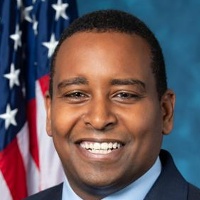
Joe Neguse
Representative
CO
Joe Neguse
Representative
CO
The Wildfire Response and Readiness Act is a comprehensive legislative package designed to modernize federal wildfire management, enhance community resilience, and improve support for the wildland firefighting workforce. The bill expands the use of prescribed fire, increases funding for forest restoration and post-fire recovery, and streamlines federal grant programs for home hardening and community protection. Additionally, it establishes new health, safety, and retirement benefits for federal firefighters while investing in advanced wildfire detection technology and public health protections against smoke.
The Green New Deal for Public Housing Act provides federal grants to modernize, decarbonize, and expand public housing while creating workforce development opportunities and strengthening resident participation.
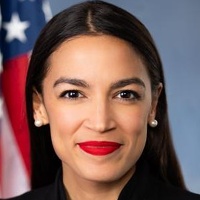
Alexandria Ocasio-Cortez
Representative
NY
Alexandria Ocasio-Cortez
Representative
NY
The Green New Deal for Public Housing Act aims to modernize the nation’s public housing stock by investing in deep energy retrofits, sustainability upgrades, and climate resilience. The bill establishes grant programs to transition public housing to zero-carbon, energy-efficient homes while simultaneously fostering economic empowerment through workforce development and resident-led management. By repealing restrictive caps on housing units and prioritizing tenant participation, the legislation seeks to improve living standards, ensure long-term habitability, and expand the availability of safe, affordable housing.
The Protect American Values Act prohibits the use of federal funds to implement or enforce the Department of Homeland Security’s "Public Charge Ground of Inadmissibility" rule.
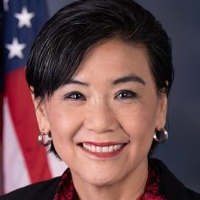
Judy Chu
Representative
CA
Judy Chu
Representative
CA
The Protect American Values Act seeks to block the implementation and enforcement of the Department of Homeland Security’s "Public Charge Ground of Inadmissibility" rule. The bill asserts that this policy harms immigrant families and local economies by restricting access to essential food, housing, and medical care. Consequently, it prohibits the use of federal funds to carry out or administer the rule.
The "No TSA Data for ICE Act" prohibits the Department of Homeland Security from sharing TSA passenger data with immigration enforcement agencies and protects Trusted Traveler program participants from retaliation for exercising their First Amendment rights.
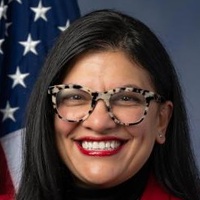
Rashida Tlaib
Representative
MI
Rashida Tlaib
Representative
MI
The "No TSA Data for ICE Act" prohibits the Department of Homeland Security from sharing sensitive passenger data from the TSA or private brokers with immigration enforcement agencies. Additionally, the bill protects participants in Trusted Traveler programs by preventing the government from suspending or denying enrollment based on an individual's participation in First Amendment-protected activities.
This resolution expresses support for designating July as "Disability Pride Month" to promote awareness, celebrate the disability community, and combat discrimination.
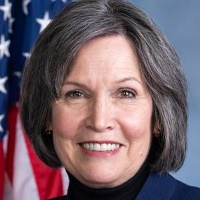
Betty McCollum
Representative
MN
Betty McCollum
Representative
MN
This resolution supports the designation of July as "Disability Pride Month." It encourages communities across the United States to observe the month with celebrations while actively working to end discrimination and exclusion against people with disabilities.
The Right to IVF Act of 2026 establishes a nationwide right to fertility care, mandates comprehensive insurance coverage for reproductive services, and expands access to fertility treatments for veterans and federal employees.
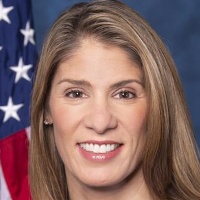
Lori Trahan
Representative
MA
Lori Trahan
Representative
MA
The Right to IVF Act of 2026 establishes a nationwide statutory right to access assisted reproductive technology (ART) and intrauterine insemination (IUI) while prohibiting states from imposing restrictive barriers. The bill further expands family-building support by mandating comprehensive fertility coverage across private insurance, Medicare, Medicaid, and federal employee health plans. Additionally, it guarantees expanded access to fertility services and preservation for military service members and veterans.
The Medicaid Dental Benefit Act of 2026 mandates comprehensive dental coverage for adults under state Medicaid programs while establishing new federal quality standards, reporting requirements, and outreach initiatives to improve oral health equity.
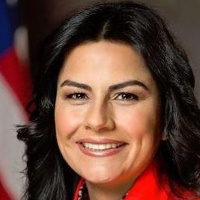
Nanette Barragán
Representative
CA
Nanette Barragán
Representative
CA
The Medicaid Dental Benefit Act of 2026 mandates that all state Medicaid programs provide comprehensive dental and oral health coverage for adults beginning January 1, 2027. To support this transition, the bill provides three years of 100% federal funding for these core services and establishes new national quality and equity reporting standards. Additionally, the legislation requires federal outreach programs to improve access to care and mandates a comprehensive report on the state of adult oral health in the United States.
The Daycare Not Detentions Act of 2026 reallocates $70 billion from federal immigration enforcement agencies to expand funding for child care, Head Start, and early education programs through 2029.
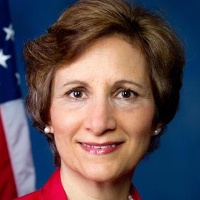
Suzanne Bonamici
Representative
OR
Suzanne Bonamici
Representative
OR
The Daycare Not Detentions Act of 2026 provides $70 billion in supplemental funding to expand and support child care, Head Start, and early education programs through 2029. This legislation offsets the cost by rescinding an equal amount of unobligated funding previously allocated to U.S. Customs and Border Protection and Immigration and Customs Enforcement.
This bill prohibits lifetime and annual dollar limits on dental benefits under CHIP and mandates that states provide supplemental dental-only coverage for eligible children.
Nanette Barragán
Representative
CA
Nanette Barragán
Representative
CA
The Ensuring Kids Have Access to Medically Necessary Dental Care Act strengthens dental coverage for children enrolled in the Children's Health Insurance Program (CHIP). This legislation prohibits states from imposing annual or lifetime dollar limits on dental benefits and mandates that states provide dental-only supplemental coverage. These changes ensure that low-income children have consistent, comprehensive access to necessary dental care.
The Wildfire Reduction Market Expansion Act of 2026 amends the Clean Air Act to expand the definition of "renewable biomass," incentivizing the use of forest management by-products and wildfire risk-reduction materials for renewable energy.
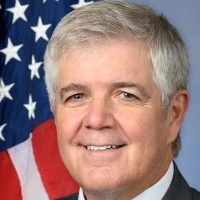
Cliff Bentz
Representative
OR
Cliff Bentz
Representative
OR
The Wildfire Reduction Market Expansion Act of 2026 amends the Clean Air Act to broaden the definition of "renewable biomass." By including forest manufacturing by-products, wildfire risk-reduction materials, and vegetation from defensible spaces, the bill incentivizes the removal of hazardous fuels from public and private lands. This legislation streamlines the certification process to support sustainable forest management and expand the market for renewable energy feedstocks.
The Stop CHEATERS Act provides significant multi-year funding to the IRS to modernize technology, improve taxpayer services, and enhance tax enforcement efforts focused on high-income individuals and large corporations.
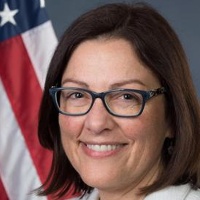
Suzan DelBene
Representative
WA
Suzan DelBene
Representative
WA
The Stop CHEATERS Act provides significant multi-year funding to the IRS to modernize its technology, improve taxpayer services, and strengthen tax enforcement. The bill specifically mandates that the agency prioritize auditing high-income individuals and large corporations to close the tax gap. Additionally, it requires regular reporting to Congress to ensure accountability and progress in these enforcement efforts.
The Family Grocery and Farmer Relief Act aims to lower food prices and strengthen the food supply by breaking up dominant meatpacking monopolies, restricting foreign control, and empowering independent farmers and small businesses.

Pramila Jayapal
Representative
WA
Pramila Jayapal
Representative
WA
The Family Grocery and Farmer Relief Act aims to lower food prices and increase market competition by breaking up dominant, multi-protein meatpacking enterprises. The legislation empowers the Federal Trade Commission to enforce divestitures, restrict foreign control, and prevent excessive market concentration in the beef industry. By prioritizing sales to farmer cooperatives and small businesses, the bill seeks to create a more resilient food supply chain that benefits both independent producers and American consumers.
This bill mandates electronic prior authorization, increases transparency through required data reporting, and establishes faster decision timelines for Medicare Advantage plans to improve timely access to care for seniors.
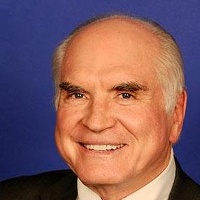
Mike Kelly
Representative
PA
Mike Kelly
Representative
PA
The Improving Seniors’ Timely Access to Care Act of 2025 aims to streamline and modernize the prior authorization process within Medicare Advantage plans. This bill mandates the adoption of electronic prior authorization systems and significantly increases transparency regarding approval rates and decision times starting in 2027. Furthermore, it establishes new enrollee protections and grants the Secretary authority to enforce faster decision timeframes for medical services.
The Fair Seeds for Farmers Act limits intellectual property protections for plants and prohibits the enforcement of contracts that restrict seed saving, breeding, and agricultural research.
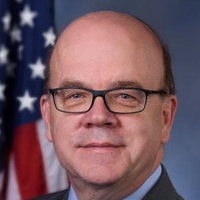
James McGovern
Representative
MA
James McGovern
Representative
MA
The "Fair Seeds for Farmers Act" limits intellectual property protections for plants to specific existing federal statutes, preventing broader patent claims on plant varieties and germplasm. Additionally, the bill renders unenforceable any contracts that restrict farmers and researchers from saving seeds or conducting plant breeding and experimentation.
The Menopausal Workers’ Fairness Act of 2026 mandates that employers provide reasonable accommodations for employees experiencing menopause and its related symptoms to ensure workplace equity and prevent discrimination.
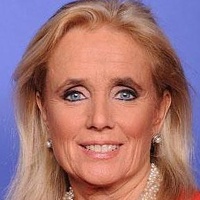
Debbie Dingell
Representative
MI
Debbie Dingell
Representative
MI
The Menopausal Workers’ Fairness Act of 2026 establishes federal protections to ensure employees experiencing menopause or the menopausal transition can access reasonable workplace accommodations. By requiring employers to provide support for symptoms—such as flexible breaks or environmental adjustments—the Act aims to reduce workplace stigma and prevent discrimination. Ultimately, this legislation seeks to promote inclusivity, improve employee retention, and ensure that workers can maintain their health and productivity throughout all stages of their careers.
This resolution designates July 10th as Journeyman Lineworkers Recognition Day to honor the essential service and sacrifices of the professionals who maintain our nation’s power grid.
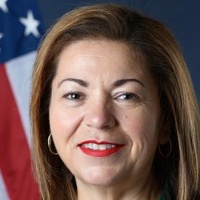
Linda Sánchez
Representative
CA
Linda Sánchez
Representative
CA
This resolution designates July 10th as Journeyman Lineworkers Recognition Day to honor the essential, high-risk work performed by these skilled professionals. It pays tribute to the lineworkers who provide critical service during emergencies and recognizes those who have made the ultimate sacrifice in the line of duty.
This resolution affirms reproductive justice as a fundamental human right and a pillar of American democracy, calling for universal access to comprehensive reproductive healthcare, family support, and protection from systemic discrimination.
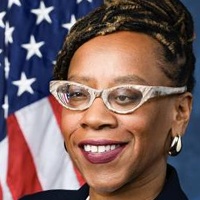
Lateefah Simon
Representative
CA
Lateefah Simon
Representative
CA
This resolution affirms that reproductive justice—including the rights to have children, not have children, and raise families with dignity—is a fundamental human right and a pillar of American democracy. It calls for a national commitment to protect bodily autonomy, eliminate systemic barriers to healthcare, and ensure equitable access to the resources necessary for all families to thrive.
This Act amends the Marine Mammal Protection Act to expand pinniped management, authorize new lethal removal permits in Washington waters, and establish a technology program to protect endangered salmon populations.
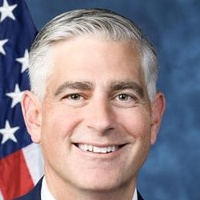
Michael Baumgartner
Representative
WA
Michael Baumgartner
Representative
WA
The Northwest Endangered Salmon Predation Prevention Act of 2026 expands management authority to protect endangered salmon populations by allowing for the controlled, lethal removal of pinnipeds in the Columbia River and specific Washington state waters. The bill also establishes a technology accelerator program to develop non-lethal exclusion methods and mandates ongoing studies to monitor the impact of these measures on salmon recovery.
The No PFAS in Cosmetics Act prohibits the sale of food and cosmetic products containing intentionally added PFAS chemicals, effective January 1, 2027.
Debbie Dingell
Representative
MI
Debbie Dingell
Representative
MI
The "No PFAS in Cosmetics Act" prohibits the sale of cosmetic products containing intentionally added perfluoroalkyl or polyfluoroalkyl substances (PFAS). By classifying such products as adulterated under the Federal Food, Drug, and Cosmetic Act, this legislation aims to remove these chemicals from the supply chain. The ban is scheduled to take effect on January 1, 2027.
The Fresh Bucks for Fresh Produce Act establishes a pilot program providing low-income households with $60 in monthly benefits to increase access to fresh fruits and vegetables at local retailers.
Pramila Jayapal
Representative
WA
Pramila Jayapal
Representative
WA
The Fresh Bucks for Fresh Produce Act establishes a federal pilot program that provides $60 in monthly benefits to low-income households for the purchase of fresh fruits and vegetables. By awarding grants to states, the program aims to increase food security, expand access to healthy produce, and support local retailers in underserved communities.