Legislative Activity
Track Delia's sponsored bills, co-sponsored legislation, and voting record
This resolution honors the life, legacy, and enduring commitment to civil rights and equality of Reverend Jesse Louis Jackson, Sr.
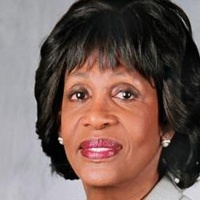
Maxine Waters
Representative
CA
Maxine Waters
Representative
CA
This resolution honors the life, leadership, and enduring legacy of Reverend Jesse Louis Jackson, Sr. It recognizes his pivotal role as a civil rights leader, his groundbreaking political campaigns, and his global advocacy for human rights and equality. The measure encourages all Americans to continue his work by moving forward with hope rather than fear and division.
The Direct File Act of 2026 establishes a permanent, free, government-owned online tax filing system within the IRS while prohibiting agreements that restrict the government from providing tax preparation services.
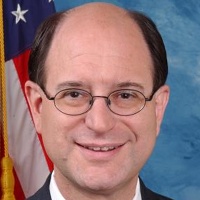
Brad Sherman
Representative
CA
Brad Sherman
Representative
CA
The Direct File Act of 2026 establishes a permanent, free, government-owned online tax filing system within the IRS, ensuring taxpayers have a simplified and accessible way to file their returns. The bill prohibits the Treasury from entering into agreements that restrict the government's ability to provide these services and mandates the integration of state tax filing options. Additionally, it streamlines the tax process by setting new filing deadlines for employer information returns to improve efficiency for all taxpayers.
The Connect the Grid Act establishes a national transmission planning framework, expands federal authority over transmission permitting, brings ERCOT under FERC jurisdiction, and mandates reliability upgrades between regional grids.
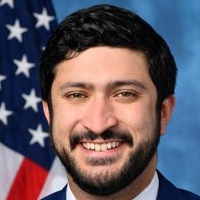
Gregorio Casar
Representative
TX
Gregorio Casar
Representative
TX
The Connect the Grid Act aims to modernize and expand the national electric transmission system through comprehensive planning, federal permitting authority for critical projects, and enhanced interregional coordination. It specifically brings the Texas grid (ERCOT) under greater federal oversight and mandates new reliability standards for interconnections with neighboring regions. The bill also increases funding for transmission infrastructure and promotes the use of domestic materials and labor standards.
The African American History Act of 2026 authorizes the National Museum of African American History and Culture to develop and support educational programs, resources, and curricula to enhance the teaching of African American history nationwide.
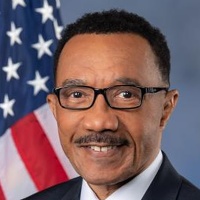
Kweisi Mfume
Representative
MD
Kweisi Mfume
Representative
MD
The African American History Act of 2026 authorizes the National Museum of African American History and Culture to develop and expand educational resources, curricula, and digital programming for students and educators nationwide. By providing $10 million in annual funding through 2030, the Act aims to promote a deeper understanding of African American history through a social justice and anti-bias lens. Additionally, the legislation encourages the development of similar educational initiatives across other Smithsonian museums dedicated to diverse American histories.
This resolution recognizes the vital historical significance, economic impact, and essential role of Black history museums and cultural institutions in telling the full American story, especially leading up to the nation's 250th anniversary.
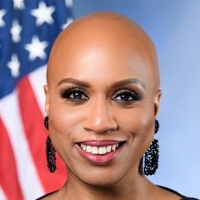
Ayanna Pressley
Representative
MA
Ayanna Pressley
Representative
MA
This resolution formally recognizes the vital historical significance and contributions of Black history museums and cultural institutions across the United States. It affirms that these essential pillars correct historical omissions by preserving irreplaceable records and telling a full, accurate American story. The bill encourages federal agencies and the public to support these institutions, especially as the nation approaches its 250th anniversary.
This resolution establishes February 28th as HIV is Not a Crime Awareness Day to advocate for the decriminalization of HIV and end outdated laws that disproportionately harm affected communities.
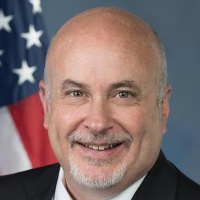
Mark Pocan
Representative
WI
Mark Pocan
Representative
WI
This resolution establishes February 28th as "HIV is Not a Crime Awareness Day" to advocate for the decriminalization of HIV across the nation. It highlights outdated laws that unfairly criminalize people living with HIV based on their status, regardless of transmission risk. The day calls for action to repeal these scientifically inaccurate laws, which undermine public health efforts and disproportionately affect marginalized communities. Ultimately, the resolution supports ending HIV criminalization to promote education, treatment, and justice.
This resolution designates Black History Month 2026, honors the contributions of Black Americans through the "Unsung Souls" and "Righteous Intercessors" recognitions, and affirms the importance of a complete national narrative.
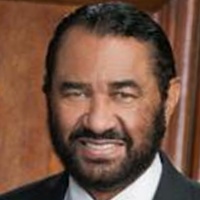
Al Green
Representative
TX
Al Green
Representative
TX
This resolution officially recognizes Black History Month and adopts "A Century of Black History Commemorations" as the theme for 2026. It honors the contributions of Black Americans by establishing categories for "Unsung Souls" and "Righteous Intercessors." Ultimately, the bill affirms that Black history commemorations are essential for a complete national narrative and inspiring future progress toward liberty and justice for all.
The Southeast Asian Deportation Relief Act of 2026 provides relief from detention and removal, grants work authorization, and establishes a process for reopening cases for certain long-term residents from Cambodia, Laos, and Vietnam.
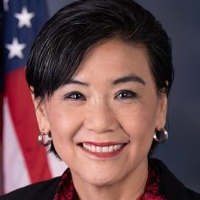
Judy Chu
Representative
CA
Judy Chu
Representative
CA
The Southeast Asian Deportation Relief Act of 2026 provides significant relief for long-term residents from Cambodia, Laos, and Vietnam facing deportation. It prohibits the detention and removal of eligible individuals who entered the U.S. before 2008 and grants them permanent work authorization. Furthermore, the Act establishes a streamlined process for those previously ordered removed to reopen and terminate their immigration cases, effectively vacating past removal orders.
This bill establishes a federal process for Extreme Risk Protection Orders, creates a grant program to incentivize states to adopt similar laws, and mandates the recognition of such orders across state lines.
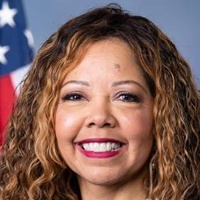
Lucy McBath
Representative
GA
Lucy McBath
Representative
GA
The Federal Extreme Risk Protection Order Act of 2026 establishes a federal process for issuing Extreme Risk Protection Orders (ERPOs) that temporarily prohibit individuals deemed a danger from possessing firearms. The bill allows family members or law enforcement to petition federal courts for temporary or long-term orders based on evidence of imminent risk of harm. Furthermore, it creates a federal grant program to incentivize and support states and tribes in implementing their own qualifying ERPO laws. Finally, it mandates that individuals subject to these federal orders surrender their firearms and ensures these orders are recognized across state lines.
This bill expresses the House's condolences for the victims of the 2019 Aurora, Illinois mass shooting and designates February 15, 2020, as "Henry Pratt Company Victims and Aurora Heroes Day" in Illinois.
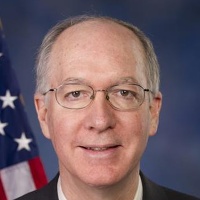
Bill Foster
Representative
IL
Bill Foster
Representative
IL
This resolution expresses the deep condolences of the House of Representatives for the victims of the February 15, 2019, mass shooting in Aurora, Illinois. It also honors the memory of those killed and commends the bravery of the first responders. Finally, the bill designates February 15, 2020, as "Henry Pratt Company Victims and Aurora Heroes Day" in Illinois.
The **BE HEARD in the Workplace Act** comprehensively overhauls federal workplace protections by strengthening anti-discrimination laws, phasing out the tipped minimum wage, expanding worker rights against silencing agreements, and establishing new federal grant programs for prevention and legal aid.
Ayanna Pressley
Representative
MA
Ayanna Pressley
Representative
MA
The **BE HEARD in the Workplace Act** comprehensively reforms workplace protections by mandating new anti-discrimination policies and training, while strengthening federal laws to explicitly protect LGBTQ+ individuals and expand filing deadlines for all workers. The bill also phases out the lower federal minimum wage for tipped employees and restricts employers' use of mandatory arbitration and non-disclosure agreements. Finally, it establishes federal grant programs to fund education, legal assistance, and state-level advocacy systems to combat workplace discrimination.
This Act mandates automatic spending reductions for Department of Defense components that fail to achieve a clean financial audit opinion after fiscal year 2025.
Mark Pocan
Representative
WI
Mark Pocan
Representative
WI
The Audit the Pentagon Act of 2026 addresses the Department of Defense's repeated failure to pass a financial audit. This bill establishes automatic spending reductions for any DoD component that fails to receive a clean audit opinion after fiscal year 2025. It also outlines Congressional priorities regarding protecting wounded warrior accounts and maintaining financial controls for classified programs.
This Act repeals major U.S. sanctions against Cuba, normalizing trade, travel, and telecommunications while establishing a framework for property claims and human rights negotiations.
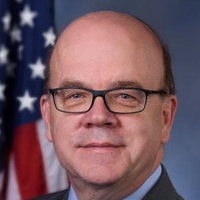
James McGovern
Representative
MA
James McGovern
Representative
MA
The United States-Cuba Trade Act of 2026 comprehensively repeals major U.S. sanctions laws against Cuba, effectively normalizing trade relations. This legislation removes restrictions on travel, exports, and financial remittances between the two nations. It also establishes a framework for the President to negotiate property claims and human rights protections with the Cuban government. The Act aims to promote democratic change in Cuba through the extension of nondiscriminatory trade treatment.
The Healthy Families Act establishes a national standard requiring most employers to provide employees with earned paid sick leave for personal or family health needs and related safety issues.
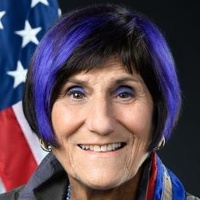
Rosa DeLauro
Representative
CT
Rosa DeLauro
Representative
CT
The Healthy Families Act establishes a national standard requiring most employers to provide employees with earned paid sick leave. Employees will accrue a minimum of one hour of paid time for every 30 hours worked, usable for personal or family health needs, domestic violence, sexual assault, or stalking. The Act prohibits employer retaliation for using this leave and ensures existing, more generous leave policies are not diminished.
This Act prohibits the discharge of plastic pellets and pre-production plastic materials into U.S. waters from industrial facilities through EPA regulations and permitting requirements.
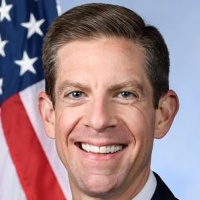
Mike Levin
Representative
CA
Mike Levin
Representative
CA
The Plastic Pellet Free Waters Act prohibits the discharge of plastic pellets and other pre-production plastic materials into U.S. waters from industrial facilities. This requires the EPA to swiftly issue a rule banning these discharges from facilities involved in the manufacturing, use, packaging, or transport of these plastics. The prohibition will be enforced through existing permitting and regulatory systems under the Federal Water Pollution Control Act.
This bill restricts U.S. assistance to Israel if funds are used to support the military detention of Palestinian children, property seizure, or further annexation in the occupied West Bank.
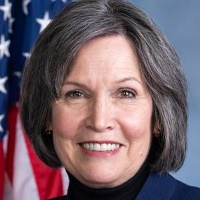
Betty McCollum
Representative
MN
Betty McCollum
Representative
MN
This bill aims to defend the human rights of Palestinian children and families living under Israeli military occupation. It establishes policy prohibiting U.S. assistance funds from supporting specific Israeli actions, including the military detention of Palestinian children and the seizure of Palestinian property in violation of international law. The legislation also mandates annual reporting and oversight requirements regarding these activities and U.S. defense assistance to Israel.
This bill establishes a comprehensive Transgender Bill of Rights to codify and protect the rights of transgender and nonbinary people across healthcare, employment, legal recognition, and safety.

Pramila Jayapal
Representative
WA
Pramila Jayapal
Representative
WA
This resolution establishes a comprehensive Transgender Bill of Rights to codify and protect the rights of transgender and nonbinary people across the United States. It mandates federal action to ensure equal access to healthcare, employment, housing, legal recognition, and safety. The bill aims to eliminate discrimination and affirm bodily autonomy by amending existing federal civil rights laws.
This resolution calls for the annulment of the Monroe Doctrine and the establishment of a "New Good Neighbor" policy to foster improved, cooperative relations between the U.S. and its Latin American and Caribbean neighbors.
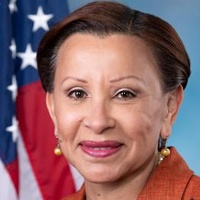
Nydia Velázquez
Representative
NY
Nydia Velázquez
Representative
NY
This resolution calls for the formal annulment of the historical Monroe Doctrine, citing decades of U.S. interventionism in Latin America and the Caribbean. It proposes replacing this doctrine with a "New Good Neighbor" policy focused on fostering genuine partnership and cooperation. Key elements include ending unilateral sanctions, reforming international financial institutions, and respecting regional sovereignty.
This bill recognizes the historic significance of the Greensboro Four sit-in, which launched a nationwide movement against racial inequality, and encourages its inclusion in educational curricula.
Alma Adams
Representative
NC
Alma Adams
Representative
NC
This bill recognizes the historic 1960 Greensboro Four sit-in, honoring the students whose peaceful protest launched a nationwide movement against segregation. It designates February 1, 2026, as the 66th anniversary, coinciding with the start of Black History Month. Furthermore, the bill encourages states to include the Greensboro Four's contributions in educational curricula.
This resolution expresses the House's commitment to defending the Fourteenth Amendment's guarantees of birthright citizenship, due process, and equal protection for all Americans.
Rashida Tlaib
Representative
MI
Rashida Tlaib
Representative
MI
This resolution expresses the sense of the House that the United States must recommit to defending the rights guaranteed by the Fourteenth Amendment. It affirms the Amendment as the foundation of multiracial democracy, ensuring birthright citizenship, due process, and equal protection under the law. The bill directs Congress to oppose any action that weakens these constitutional guarantees. Ultimately, it calls for upholding the promise of freedom and equality for all Americans.