Legislative Activity
Track Delia's sponsored bills, co-sponsored legislation, and voting record
This Act establishes a new federal program to provide dedicated, long-term funding to states for improving election administration, security, and accessibility, managed by a new federal office.
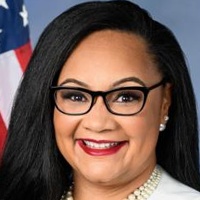
Nikema Williams
Representative
GA
Nikema Williams
Representative
GA
The Sustaining Our Democracy Act establishes a new federal program to provide annual grants to states for improving election administration, security, and accessibility, managed by a newly created Office of Democracy Advancement and Innovation. This funding is supported by a dedicated ten-year Trust Fund to ensure stable resources for election infrastructure upgrades. The bill imposes strict rules on how states can use the money, including prohibitions against purchasing insecure voting machines or restricting basic voter support. If states fail to comply, the federal Director can bypass state government to fund local election subdivisions directly.
This act mandates that the Department of Veterans Affairs must provide abortion care, counseling, and related services and medication to eligible veterans and certain other individuals.
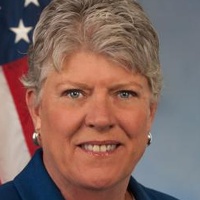
Julia Brownley
Representative
CA
Julia Brownley
Representative
CA
The Reproductive Freedom for Veterans Act mandates that the Department of Veterans Affairs (VA) must now provide abortion care, counseling, and related medication as part of the medical services offered to eligible veterans and certain other beneficiaries. This legislation formally amends existing VA health care provisions to include these reproductive health services.
This Act mandates the distribution of voter registration information to individuals receiving federal rental assistance or applying for residential mortgages.
Nikema Williams
Representative
GA
Nikema Williams
Representative
GA
The Voters on the Move Registration Act of 2025 mandates that standardized, multilingual voter registration information be provided to individuals applying for certain federally assisted rental housing or residential mortgages. This ensures that tenants and mortgage applicants receive clear instructions on how to register to vote. The Bureau of Consumer Financial Protection is tasked with creating this uniform voter information statement. This requirement focuses solely on providing information, not compelling voter registration.
The Election Mail Act mandates same-day processing for incoming absentee ballots, requires intelligent mail barcodes on federal election mail, establishes delivery standards and free postage for completed ballots, and sets a national seven-day grace period for accepting postmarked federal mail-in ballots after Election Day.
Nikema Williams
Representative
GA
Nikema Williams
Representative
GA
The Election Mail Act aims to ensure the timely and secure delivery of federal election mail through the U.S. Postal Service. It mandates same-day processing of received absentee ballots and requires the use of intelligent mail barcodes for tracking mailed ballots starting in 2026. Furthermore, the bill establishes protections against operational changes that would slow election mail delivery and sets a national standard to count mail-in ballots postmarked by Election Day if received within seven days after the election.
The Help America Run Act allows federal candidates to use campaign funds for essential personal living expenses like childcare and health insurance to enable working Americans to run for office.
Nikema Williams
Representative
GA
Nikema Williams
Representative
GA
The Help America Run Act aims to make it easier for everyday Americans to run for office by allowing campaign funds to cover essential living expenses. Specifically, the bill permits campaign committees to use funds for necessary personal services like childcare and elder care, which helps candidates who are not independently wealthy. This change is intended to increase the diversity of candidates and ensure elected officials better reflect the general population.
This bill establishes comprehensive reproductive and fertility preservation assistance for active-duty service members and expands fertility treatment and adoption assistance benefits for eligible veterans.
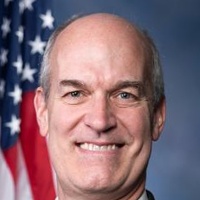
Rick Larsen
Representative
WA
Rick Larsen
Representative
WA
The Veteran Families Health Services Act of 2025 expands reproductive and fertility care for service members and veterans. Title I mandates comprehensive fertility preservation and treatment for active-duty personnel and their families. Title II formally establishes fertility treatment, counseling, and adoption assistance as covered benefits for eligible veterans through the VA. This bill aims to remove barriers and reduce financial burdens for military families seeking to start or expand their families.
This resolution honors Dr. Paul Farmer by urging the U.S. to adopt a global health solidarity strategy that addresses preventable deaths through increased aid, support for local health systems, and actions to counteract economic injustices harming low-income nations.

Janice Schakowsky
Representative
IL
Janice Schakowsky
Representative
IL
This resolution honors Dr. Paul Farmer by urging the U.S. government to adopt a 21st-century global health solidarity strategy to end preventable deaths worldwide. It calls for significantly increased U.S. aid, focused on strengthening local health systems through "accompaniment," while simultaneously taking action to stop economic injustices that drain resources from developing nations. Ultimately, the bill demands that U.S. development policy prioritize global health equity alongside addressing historical harms like slavery and colonialism.
The EATS Act of 2025 expands eligibility for SNAP benefits by removing previous restrictions for students enrolled at least half-time in recognized educational programs.
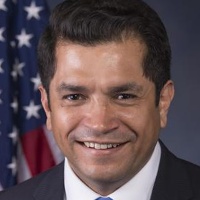
Jimmy Gomez
Representative
CA
Jimmy Gomez
Representative
CA
The EATS Act of 2025 significantly updates eligibility for the Supplemental Nutrition Assistance Program (SNAP) by removing previous restrictions that often disqualified students. This legislation explicitly includes bona fide students enrolled at least half-time in recognized educational programs as eligible participants for food assistance. These changes take effect on January 2, 2026.
This act codifies the FTC's "click-to-cancel" rule into federal law, requiring businesses to provide simple online cancellation methods for subscriptions.
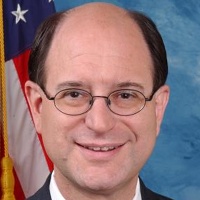
Brad Sherman
Representative
CA
Brad Sherman
Representative
CA
The Click to Cancel Act of 2025 officially codifies the Federal Trade Commission's "click-to-cancel" rule into federal law. This mandates that businesses provide consumers with a simple, online method to cancel subscriptions. Violations of this new law will be enforced by the FTC using its existing authority under the Federal Trade Commission Act.
This act repeals the prohibition on Medicaid payments to certain healthcare entities and mandates retroactive payment for services already rendered under the repealed ban.
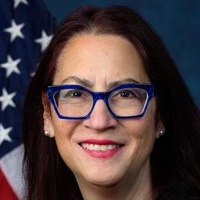
Laura Friedman
Representative
CA
Laura Friedman
Representative
CA
The Restoring Essential Healthcare Act repeals an outdated ban that prevented Medicaid from making payments to certain healthcare providers. This legislation ensures that these previously prohibited entities will now be reimbursed for medical services rendered between the enactment of the original ban and the passage of this Act. In short, it restores payment eligibility and retroactively covers past services.
The Protected Time Off Act establishes a federal minimum accrual rate of one hour of paid annual leave for every 25 hours worked, while protecting employees' rights to use and enforce this earned time off.
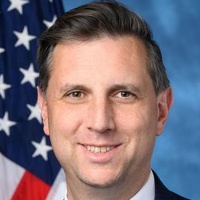
Seth Magaziner
Representative
RI
Seth Magaziner
Representative
RI
The Protected Time Off Act establishes a federal minimum standard for earned paid annual leave, requiring employers to grant employees at least one hour of paid time off for every 25 hours worked, up to 80 hours annually. This law specifies how leave is accrued, used, and rolled over, while protecting employees from retaliation for exercising these rights. It also ensures that existing state laws or agreements that provide more generous leave benefits remain in effect. Enforcement mechanisms are established, largely mirroring those under the Fair Labor Standards Act, allowing both government investigation and direct employee lawsuits.
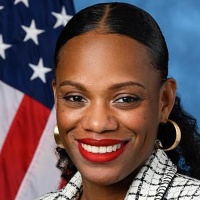
This Act establishes the Eviction Right to Counsel Fund to provide federal grants to state, local, and tribal governments that guarantee free legal representation for low-income tenants facing eviction.
Summer Lee
Representative
PA
Summer Lee
Representative
PA
The Eviction Right to Counsel Act of 2025 establishes the Eviction Right to Counsel Fund with $100 million annually to support tenants facing eviction. This fund provides grants to state, local, and tribal governments that enact legislation guaranteeing full legal representation for low-income tenants in eviction proceedings. Priority for funding goes to entities that implement strong tenant protections and commit to using the money primarily for hiring and training legal counsel.
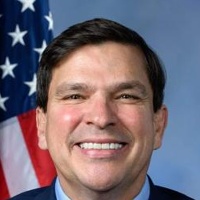
The VISIBLE Act mandates that federal immigration officers clearly display their agency and identifying information when conducting public-facing enforcement activities.
Vicente Gonzalez
Representative
TX
Vicente Gonzalez
Representative
TX
The VISIBLE Act mandates that federal immigration enforcement officers, such as those from CBP and ICE, must clearly display their agency name and either their last name or badge number during all public-facing civil immigration enforcement activities. This requirement ensures officers are easily identifiable to the public from a distance, promoting transparency and public trust. The law also establishes disciplinary procedures for non-compliance and requires annual reporting to Congress on enforcement activities and violations.
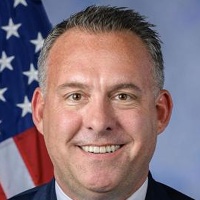
This bill prohibits the VA from collecting retroactive healthcare copayments from veterans if proper notice wasn't given within two years and allows the Secretary to waive copayments.
Adam Gray
Representative
CA
Adam Gray
Representative
CA
The Stop Troubling Retroactive Invoices for Veteran Expenses Act of 2025 (STRIVE Act) prevents the VA from collecting health care copayments if the veteran was not properly notified within two years of receiving care, or if the total owed exceeds an inflation-adjusted threshold (starting at \$2,000). The bill also grants the Secretary of Veterans Affairs broad authority to waive any veteran copayment deemed appropriate. Finally, it extends the date for certain pension payment limits.
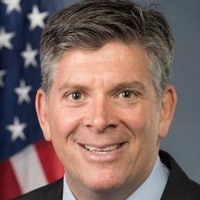
This bill officially renames the Department of Veterans Affairs community-based outpatient clinic in Bloomington, Illinois, to the "Andrew Jackson Smith Medal of Honor Department of Veterans Affairs Clinic."
Darin LaHood
Representative
IL
Darin LaHood
Representative
IL
This bill officially renames the Department of Veterans Affairs community-based outpatient clinic in Bloomington, Illinois. The facility will now be known as the "Andrew Jackson Smith Medal of Honor Department of Veterans Affairs Clinic." This action honors Civil War hero Corporal Andrew Jackson Smith for his exceptional bravery at the Battle of Honey Hill.
This bill updates the eligibility requirements for creating records of lawful admission for long-term residents by changing the qualifying entry date to a minimum of seven years of U.S. residency prior to application.
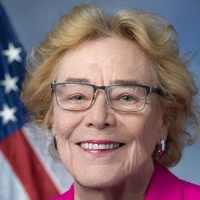
Zoe Lofgren
Representative
CA
Zoe Lofgren
Representative
CA
This bill, the Renewing Immigration Provisions of the Immigration Act of 1929, updates the eligibility requirements for creating records of lawful admission for long-term residents. It replaces a fixed entry date with a new standard requiring applicants to have resided in the U.S. for at least seven years prior to applying. These revised provisions will take effect 60 days after the Act is enacted.
This Act prohibits businesses from using automated systems that rely on personal data surveillance to set individualized prices or determine worker wages, while preserving stronger state and collective bargaining protections.
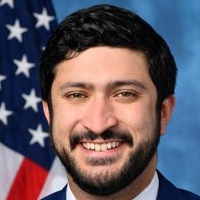
Gregorio Casar
Representative
TX
Gregorio Casar
Representative
TX
The Stop AI Price Gouging and Wage Fixing Act of 2025 prohibits businesses from using automated systems that analyze personal data to set individualized prices or determine employee wages. This legislation establishes strict transparency requirements for any permitted pricing exceptions and grants enforcement power to the FTC, EEOC, State Attorneys General, and private citizens. Furthermore, the Act ensures that existing state laws providing greater protections and collective bargaining rights remain fully in effect.
This bill grants college athletes who receive compensation from their schools the right to organize and collectively bargain under federal labor law.
Summer Lee
Representative
PA
Summer Lee
Representative
PA
The College Athlete Right to Organize Act amends the National Labor Relations Act to formally recognize college athletes receiving compensation as employees. This grants them the right to organize and collectively bargain with their universities and athletic conferences over wages and working conditions. The bill ensures that this new employee status does not negatively impact their current tax status or eligibility for federal financial aid. The National Labor Relations Board is given jurisdiction to oversee these new labor relations.
This Act severely restricts the use of solitary confinement in federal facilities, mandates a minimum of 14 hours of daily social interaction for all incarcerated individuals, and establishes strict oversight and state incentives to end the practice nationwide.
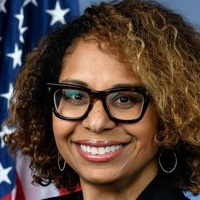
Sydney Kamlager-Dove
Representative
CA
Sydney Kamlager-Dove
Representative
CA
The End Solitary Confinement Act aims to drastically limit the use of solitary confinement in federal facilities by mandating a minimum of 14 hours of daily social interaction for all incarcerated individuals. The bill establishes strict emergency exceptions for isolation, prohibits its use against vulnerable populations, and creates an independent community monitoring body to ensure compliance. Furthermore, it incentivizes states to adopt similar standards by tying federal funding to adherence to these new minimum treatment requirements.
The RAP Act of 2025 generally prohibits the use of a defendant's creative or artistic expressions as evidence in court unless the prosecution meets a high burden of proof demonstrating the work's literal relevance to the case.
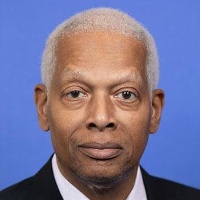
Henry Johnson
Representative
GA
Henry Johnson
Representative
GA
The Restoring Artistic Protection Act of 2025 (RAP Act) seeks to limit the admissibility of a defendant's creative or artistic expression in court proceedings. This bill adds a new rule to the Federal Rules of Evidence, generally banning the use of a defendant's art as evidence against them. The government can only introduce such evidence if it meets strict exceptions requiring clear and convincing proof that the art directly relates to the facts of the case and possesses unique evidentiary value. If admitted, the court must provide specific instructions to the jury regarding its consideration.