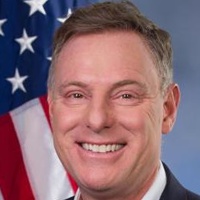
Legislative Activity
Track Scott's sponsored bills, co-sponsored legislation, and voting record
The Runaway and Homeless Youth and Trafficking Prevention Act of 2025 updates federal programs to enhance support, prevention, and data collection for runaway, homeless, and trafficked youth through updated grant requirements and service mandates.
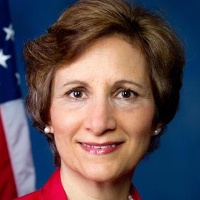
Suzanne Bonamici
Representative
OR
Suzanne Bonamici
Representative
OR
The Runaway and Homeless Youth and Trafficking Prevention Act of 2025 updates federal programs to better support and protect runaway, homeless, and trafficked youth. This legislation modernizes grant programs to ensure services are trauma-informed, culturally sensitive, and address critical needs like housing, education, and mental health. It also expands communication channels to include online outreach and strengthens coordination across federal agencies to combat youth homelessness and exploitation.
This Act establishes new procedures for Federal Firearms Licensees when background checks are delayed, mandates reporting on delayed and denied transfers, and removes a specific time limit from existing background check law.
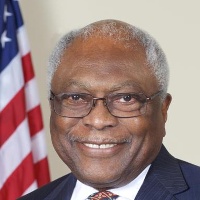
James Clyburn
Representative
SC
James Clyburn
Representative
SC
The Enhanced Background Checks Act of 2025 reforms federal firearm background check procedures, establishing a formal petition process for buyers when the system delays a decision beyond 10 business days. This bill removes the previous 10-day time limit on background checks under the Brady Act while mandating extensive reporting from the GAO and FBI on the effectiveness and outcomes of these delayed transfers. Furthermore, the Attorney General must report on the law's impact on domestic violence victims within 150 days of enactment.
This act repeals certain provisions of the Protection of Lawful Commerce in Arms Act and allows federal gun trace information to be discoverable and admissible in civil proceedings.
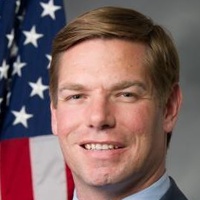
Eric Swalwell
Representative
CA
Eric Swalwell
Representative
CA
The Equal Access to Justice for Victims of Gun Violence Act of 2025 repeals key provisions of the Protection of Lawful Commerce in Arms Act. This legislation allows federal gun trace information to be discoverable and admissible as evidence in civil lawsuits and administrative hearings. The bill aims to provide victims of gun violence with greater access to relevant data in legal proceedings.
This resolution urgently calls for the immediate delivery of humanitarian aid to address the severe hunger crisis in Gaza and demands the administration use all diplomatic means to secure hostage release and end the fighting.
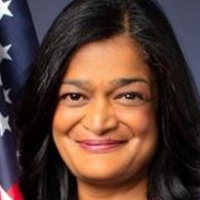
Pramila Jayapal
Representative
WA
Pramila Jayapal
Representative
WA
This resolution formally expresses the House of Representatives' grave concern over the severe humanitarian crisis and widespread suffering of civilians in Gaza, alongside the plight of hostages. It urgently calls on the Administration to use all diplomatic tools to secure the release of all hostages. Furthermore, the bill demands the immediate delivery and secure distribution of essential humanitarian aid to address the catastrophic hunger crisis in Gaza.
This Act immediately repeals specific Executive Orders that harm LGBTQI+ individuals and prohibits the use of federal funds to enforce them, while preserving the President's constitutional authority.
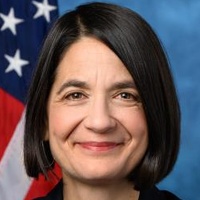
Becca Balint
Representative
VT
Becca Balint
Representative
VT
The No Place for LGBTQ+ Hate Act immediately repeals specific Executive Orders that reportedly targeted or limited the rights of LGBTQI individuals across federal areas like employment and healthcare. This legislation also prohibits the use of any federal funds to enforce or carry out these canceled orders. The bill includes a savings provision to ensure it does not infringe upon the President's existing constitutional authority.
This Act formally establishes the science-based Advisory Committee on Immunization Practices (ACIP) and mandates that changes to the National Vaccine Injury Compensation Program's injury table must be supported by a preponderance of the best available scientific evidence.
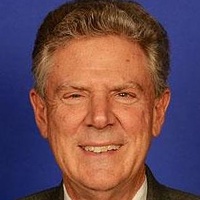
Frank Pallone
Representative
NJ
Frank Pallone
Representative
NJ
The Family Vaccine Protection Act formally establishes the Advisory Committee on Immunization Practices (ACIP) into law, requiring all its vaccine recommendations to be based on the preponderance of the best available, peer-reviewed scientific evidence. This legislation mandates strict procedures for the CDC Director to adopt or reject ACIP advice, including notifying Congress if a recommendation is rejected. Furthermore, the Act requires that any changes to the National Vaccine Injury Compensation Program's injury table must also be supported by strong scientific evidence.
The POST GRAD Act reinstates the government's authority to issue Federal Direct Stafford Loans to graduate and professional students until June 30, 2025, without requiring standard rulemaking procedures.
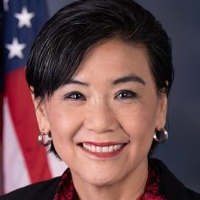
Judy Chu
Representative
CA
Judy Chu
Representative
CA
The POST GRAD Act reinstates the government's authority to issue Federal Direct Stafford Loans to graduate and professional students through June 30, 2025. This legislation amends existing law to extend the availability of these federal loans. Furthermore, the Act allows these changes to take effect immediately by exempting them from standard federal rulemaking and public comment requirements.
The Fair and Equal Housing Act of 2025 updates the Fair Housing Act to explicitly prohibit discrimination based on sexual orientation and gender identity, and expands protections against discrimination based on association or perceived identity.
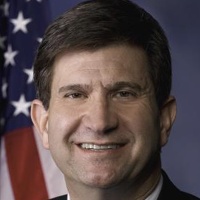
Bradley Schneider
Representative
IL
Bradley Schneider
Representative
IL
The Fair and Equal Housing Act of 2025 significantly updates existing fair housing laws to explicitly prohibit discrimination based on sexual orientation and gender identity. This legislation broadens protections to cover discrimination based on association or perceived association with protected groups. Furthermore, it strengthens anti-intimidation measures related to these newly defined protected characteristics in housing matters.
This resolution expresses strong support for designating June 6, 2025, as National Gun Violence Awareness Day and June 2025 as National Gun Violence Awareness Month to honor victims and promote awareness.
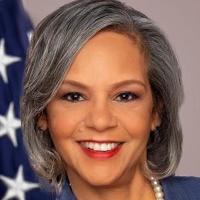
Robin Kelly
Representative
IL
Robin Kelly
Representative
IL
This resolution expresses strong support for designating June 6, 2025, as "National Gun Violence Awareness Day" and June 2025 as "National Gun Violence Awareness Month." It highlights the devastating scale of gun violence in the U.S., recognizing the thousands of annual deaths and injuries across all demographics. The bill encourages Americans to wear orange on the designated day to honor victims and promote increased awareness and community action regarding gun safety.
This Act mandates that colleges and universities must print or post essential suicide prevention contact information, including the 988 Lifeline, on student IDs or websites.
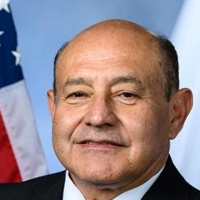
J. Correa
Representative
CA
J. Correa
Representative
CA
The Improving Mental Health Access for Students Act mandates that colleges and universities must prominently display essential mental health and suicide prevention contact information on student ID cards or official websites. This includes the 988 Suicide and Crisis Lifeline, the Crisis Text Line, and the campus mental health center. These requirements take effect one year after the Act is signed into law.
This Act establishes a pilot program to provide grants through intermediary organizations to build the capacity of local groups revitalizing business districts in underserved communities.
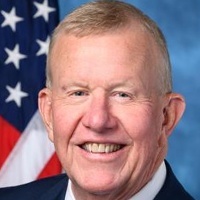
Mike Ezell
Representative
MS
Mike Ezell
Representative
MS
The Capacity Building for Business Districts Pilot Program Act of 2025 establishes a new federal program to strengthen local business districts, particularly in underserved communities. This program will award grants to larger intermediary organizations, which will then provide technical assistance, training, and capacity building support to smaller, local groups managing neighborhood commercial areas. The goal is to enhance the ability of these local organizations to drive economic growth, job creation, and revitalization in distressed and rural areas.
The Save Our Forests Act of 2025 mandates increased staffing and reinstatement of former employees within the Forest Service while ensuring the continuation of all authorized Forest Service projects.
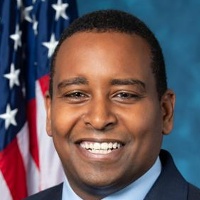
Joe Neguse
Representative
CO
Joe Neguse
Representative
CO
The Save Our Forests Act of 2025 aims to strengthen the management and health of the National Forest System. This legislation mandates the immediate hiring of additional Forest Service personnel and the reinstatement of recently departed employees. Furthermore, it ensures the continuation of all previously authorized and funded Forest Service projects under various existing laws.
The Protect our Parks Act of 2025 mandates the immediate full staffing of the National Park Service, the rehiring of recently terminated employees, and the continuation of all authorized park improvement projects.
Joe Neguse
Representative
CO
Joe Neguse
Representative
CO
The Protect our Parks Act of 2025 mandates the Secretary of the Interior to immediately ensure the National Park Service is fully staffed to protect resources and enhance visitor safety. This legislation requires filling all maintenance positions and reinstating any NPS employees terminated since January 20, 2025. Furthermore, the Act ensures the continuation of all previously authorized and funded National Park Service projects.
The Fit to Serve Act prohibits discrimination against service members and recruits in the Armed Forces based on their gender identity.
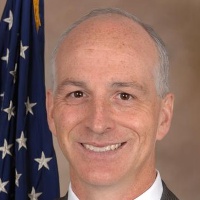
Adam Smith
Representative
WA
Adam Smith
Representative
WA
The Fit to Serve Act prohibits the U.S. Armed Forces from discriminating against service members based on their gender identity. This means military branches cannot set different standards, involuntarily discharge personnel, or deny medically necessary healthcare due to a service member's gender identity. The bill ensures equal opportunity for joining, serving, and receiving care regardless of one's internal sense of self.
This resolution supports the goals of National Honor Our LGBT Elders Day on May 16, 2025, to recognize the unique challenges and contributions of older LGBTQI adults.
Suzanne Bonamici
Representative
OR
Suzanne Bonamici
Representative
OR
This resolution officially recognizes the goals of "National Honor Our LGBT Elders Day" on May 16, 2025. It highlights the unique challenges and significant contributions of older LGBTQI adults, who often face disproportionate health and economic difficulties. The bill encourages public education, culturally sensitive healthcare for this population, and prioritizing their rights in federal and international aid efforts.
This Act allows former federally funded highway land to be transferred to local entities or approved private developers for the purpose of building long-term affordable housing.
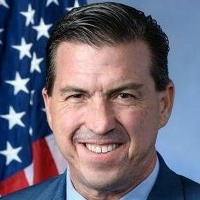
Kevin Mullin
Representative
CA
Kevin Mullin
Representative
CA
The Empty Lots to Housing Act streamlines the process for transferring federally funded, unneeded real property to local entities or qualified private developers. This transfer is contingent upon the recipient agreeing to long-term affordability requirements for the resulting housing. Specifically, at least 40% of new units must be affordable for low-income families, with a portion reserved for extremely low-income households.
The Housing Stability for Dreamers Act ensures that current DACA recipients are eligible for key federal housing programs, including FHA, Rural Housing Service, Fannie Mae/Freddie Mac mortgages, and VA loan guarantees.
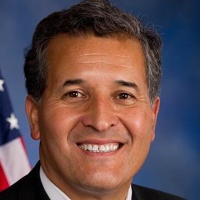
Juan Vargas
Representative
CA
Juan Vargas
Representative
CA
The Housing Stability for Dreamers Act ensures that individuals with current DACA status are eligible for key federal housing programs, including FHA mortgages and certain housing assistance. This legislation specifically prohibits federal agencies and mortgage purchasers like Fannie Mae and Freddie Mac from denying benefits based solely on DACA status. Furthermore, it clarifies that DACA recipient veterans will not be disqualified from receiving earned VA housing loan guarantees.
This resolution expresses the House's view that President Trump must immediately submit plans to Congress for accepting a jumbo jet gift from Qatar to comply with the Foreign Emoluments Clause.
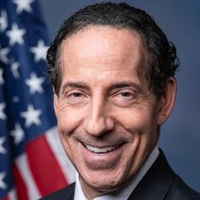
Jamie Raskin
Representative
MD
Jamie Raskin
Representative
MD
This resolution expresses the sense of the House that President Trump must comply with the Foreign Emoluments Clause regarding a reported gift of a jumbo jet from Qatar. It calls on the President to immediately submit all plans for accepting this significant gift to Congress. The bill emphasizes that the Constitution requires Congressional consent before the President can accept valuable items from foreign governments.
This act establishes federal regulations guaranteeing physicians fair hearing and appeal rights before hospitals can restrict or terminate their professional privileges.
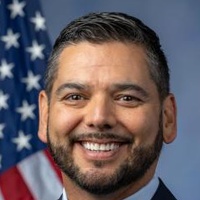
Raul Ruiz
Representative
CA
Raul Ruiz
Representative
CA
The Physician and Patient Safety Act establishes new federal regulations to guarantee due process rights for physicians facing restrictions or loss of hospital privileges. This ensures doctors receive a fair hearing and appeal process before any adverse action is taken against their ability to practice. Furthermore, the Act prohibits forcing physicians to waive these appeal rights as a condition of employment and mandates confidentiality for the review process.
This bill prohibits the use of federal funds to implement Executive Order 14160, which sought to limit birthright citizenship guaranteed by the Fourteenth Amendment.
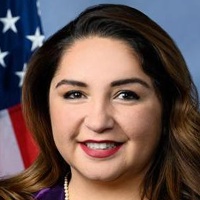
Delia Ramirez
Representative
IL
Delia Ramirez
Representative
IL
The Born in the USA Act of 2025 declares that Executive Order 14160, which attempted to restrict birthright citizenship, is unconstitutional and contrary to the 14th Amendment. This Act prohibits the use of any federal funds to implement or enforce that Executive Order. It affirms the established constitutional right to birthright citizenship for nearly everyone born on U.S. soil.