
Legislative Activity
Track Eleanor's sponsored bills, co-sponsored legislation, and voting record
This Act establishes an Advisory Council to survey needs, identify best practices, and disseminate comprehensive resources for victims of all forms of gun violence.
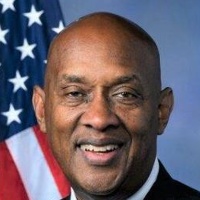
Dwight Evans
Representative
PA
Dwight Evans
Representative
PA
The Resources for Victims of Gun Violence Act of 2025 establishes an Advisory Council, led by HHS, to assess the needs of gun violence victims and service providers. This Council will survey stakeholders, review existing support programs, and identify best practices for medical, financial, and mental health assistance. Its primary function is to compile and widely distribute a comprehensive list of available federal, state, and nonprofit resources to ensure victims can easily access necessary aid.
This Act establishes a new CDC center to declare racism a public health crisis and funds research and programs to dismantle structural racism and study the health impacts of police violence.
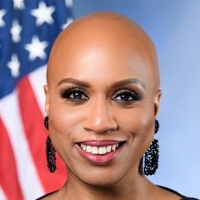
Ayanna Pressley
Representative
MA
Ayanna Pressley
Representative
MA
The Anti-Racism in Public Health Act of 2025 establishes a new National Center on Antiracism and Health within the CDC to declare racism a public health crisis and develop policies to dismantle structural inequities. It also creates a dedicated program within the CDC to research the health consequences of police violence and develop public health strategies to prevent related injuries and deaths. Both initiatives mandate extensive data collection, research funding, and public education to promote racial equity in health outcomes.
This Act prohibits the transfer or deferral of federal funds specifically appropriated for the National Weather Service and the Great Lakes region within NOAA.
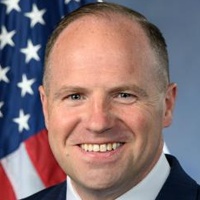
Timothy Kennedy
Representative
NY
Timothy Kennedy
Representative
NY
This Act, the Great Lakes and National Weather Service Funding Protection Act, prohibits the deferral, transfer, or reprogramming of federal funds specifically allocated to the National Weather Service (NWS) and the Great Lakes region. These dedicated funds cannot be moved for other uses unless a subsequent law explicitly overrides this protection. The NOAA Administrator must annually certify compliance with this funding restriction to key Congressional committees.
This resolution expresses Congressional support for library staff, recognizes the essential community services libraries provide, and defends the right of all citizens to freely access information.

Pramila Jayapal
Representative
WA
Pramila Jayapal
Representative
WA
This resolution expresses strong support for library staff and the essential, expanded community services libraries provide, from social support to digital access. It calls for funding commensurate with these vital roles and defends the right of all citizens to freely access information. Furthermore, the bill supports the civil rights and union voice of library workers against threats and censorship.
The Pursuing Equity in Mental Health Act increases funding for mental health programs, mandates research into racial and ethnic minority mental health disparities, and establishes new outreach and training initiatives to address these inequities.
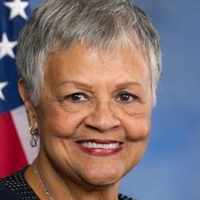
Bonnie Watson Coleman
Representative
NJ
Bonnie Watson Coleman
Representative
NJ
The Pursuing Equity in Mental Health Act aims to reduce mental health disparities among racial and ethnic minority groups through several key actions. It increases funding for existing grant programs and authorizes significant new funding for the NIH and NIMHD to support relevant research and community engagement. Furthermore, the bill mandates a comprehensive study on mental health research gaps and establishes a national strategy for culturally competent mental health outreach and education.
This act permanently bans new oil and gas leasing for exploration, development, and production in the North Atlantic, Mid-Atlantic, South Atlantic, and Straits of Florida planning areas of the Outer Continental Shelf.

Frank Pallone
Representative
NJ
Frank Pallone
Representative
NJ
The Clean Ocean And Safe Tourism Anti-Drilling Act of 2025 (COAST Anti-Drilling Act) permanently prohibits new oil and gas leasing activities on the Outer Continental Shelf in the North Atlantic, Mid-Atlantic, South Atlantic, and Straits of Florida planning areas. This legislation ensures these specific ocean regions are protected from future exploration and development.
This Act establishes an advisory committee to systematically review and recommend replacements for offensive place names on federal lands to promote reconciliation and dignity.

Al Green
Representative
TX
Al Green
Representative
TX
The Reconciliation in Place Names Act establishes a new Advisory Committee to systematically review and recommend replacements for offensive geographic names on federal lands. This committee, composed of diverse experts and tribal representatives, will advise the Board on Geographic Names regarding proposed changes. The Board must then approve or reject these renaming proposals within three years, prioritizing changes unless a compelling public interest dictates otherwise. This process aims to foster reconciliation by removing derogatory and prejudiced place names across the United States.
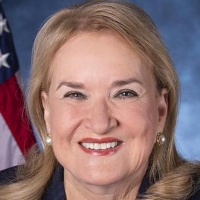
This resolution supports designating April 10th as "Dolores Huerta Day" to honor the lifelong accomplishments and legacy of the trailblazing labor and civil rights leader.
Sylvia Garcia
Representative
TX
Sylvia Garcia
Representative
TX
This resolution supports the designation of April 10th as "Dolores Huerta Day" to honor her legacy as a trailblazing labor and civil rights leader. It recognizes her foundational work co-founding the United Farm Workers and her lifelong fight for economic justice, workers' rights, and equality. The bill formally celebrates her accomplishments without creating new laws or programs.
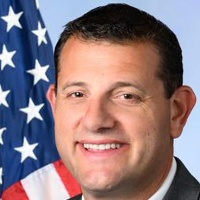
The SOAR Act of 2025 reforms Medicare oxygen benefits by removing competitive bidding, establishing specific supplier responsibilities, enhancing fraud protection through electronic documentation, and enshrining patient rights for supplemental oxygen recipients.
David Valadao
Representative
CA
David Valadao
Representative
CA
The SOAR Act of 2025 aims to significantly reform Medicare access to supplemental oxygen by removing it from the competitive bidding program and establishing new payment rates. The bill also mandates clearer documentation requirements for medical necessity using electronic templates and restores clinical judgment in claim audits. Finally, it establishes specific rights for oxygen beneficiaries and improves reimbursement for respiratory therapists.
This act permanently extends and significantly expands the Earned Income Tax Credit for workers without qualifying children, lowers the minimum claiming age, removes the maximum age limit, increases credit amounts, and allows taxpayers to elect to use higher prior-year earned income for calculation.
Dwight Evans
Representative
PA
Dwight Evans
Representative
PA
The Tax Cut for Workers Act of 2025 significantly expands the Earned Income Tax Credit (EITC) for workers without qualifying children by permanently lowering the minimum age, eliminating the maximum age, and substantially increasing the credit amount. It also allows taxpayers to elect to use higher prior-year earned income when calculating the current year's credit. Furthermore, the bill removes expiration dates for applying EITC rules in certain U.S. territories.
This resolution demands the President swiftly provide the House with all unredacted documents concerning Elon Musk's potential conflicts of interest and government involvement.

Gerald Connolly
Representative
VA
Gerald Connolly
Representative
VA
This resolution is an official request from the House of Representatives demanding the President promptly transmit all documents related to Elon Musk's potential conflicts of interest and his involvement with the Federal Government. The information must be unredacted and cover his roles, business holdings, and any related government contracts. The President is required to provide these materials within 14 days of the resolution's passage.
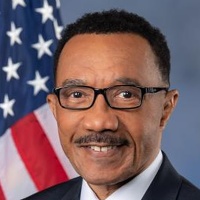
This resolution demands the President transmit all records related to the removal, reassignment, or administrative leave of federal employees and Inspectors General since January 20, 2025, particularly those influenced by outside parties like Elon Musk or concerning DEI staff layoffs.
Kweisi Mfume
Representative
MD
Kweisi Mfume
Representative
MD
This resolution is an official request from the House of Representatives demanding the President transmit specific documents regarding federal personnel actions taken since January 20, 2025. It seeks records related to the termination, removal, or reassignment of federal employees and Inspectors General that may have been influenced by outside parties, including Elon Musk and Trump-related groups. The request also specifically targets communications concerning the layoff guidance for Diversity, Equity, and Inclusion (DEI) staff.
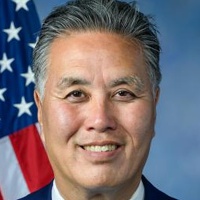
This resolution expresses Congressional support for the "Rise Up for LGBTQI+ Youth in Schools Initiative," urging communities to ensure equal educational opportunity and civil rights protections for all students in K-12 schools.
Mark Takano
Representative
CA
Mark Takano
Representative
CA
This resolution expresses strong Congressional support for the "Rise Up for LGBTQI+ Youth in Schools Initiative," urging communities nationwide to ensure equal educational opportunities and civil rights protections for all students. It calls for K-12 schools to become safe and affirming environments, free from discrimination, bullying, and erasure of LGBTQI+ identities. The bill specifically encourages states and local governments to adopt policies that actively protect LGBTQI+ youth from bias and exclusion.
This resolution recognizes the 159th anniversary of the landmark Civil Rights Act of 1866, the first federal law defining citizenship and guaranteeing equal protection under the law for all citizens.
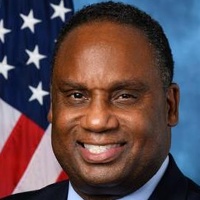
Jonathan Jackson
Representative
IL
Jonathan Jackson
Representative
IL
This resolution commemorates the 159th anniversary of the landmark Civil Rights Act of 1866. It recognizes this Act as the first federal law defining citizenship and guaranteeing equal protection under the law for all citizens. Furthermore, the resolution highlights the Act's foundational role in shaping the Thirteenth and Fourteenth Amendments. Congress affirms its commitment to supporting and defending the rights belonging to all Americans.
This resolution demands the President transmit all documents detailing the Administration's use of insecure electronic communication platforms for official business and its compliance with federal recordkeeping laws.
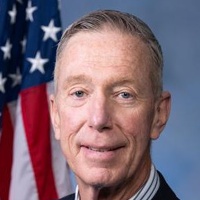
Stephen Lynch
Representative
MA
Stephen Lynch
Representative
MA
This resolution is an official inquiry demanding the President transmit documents detailing the Administration's use of insecure electronic communication platforms, such as Signal, for official business. Congress specifically seeks records related to compliance with federal recordkeeping laws, especially concerning sensitive national security information and the prevention of automatic message deletion. The request mandates the delivery of these unredacted materials to the House within 14 days of the resolution's passage.
This act bans bump stocks and similar devices that increase the firing rate of semi-automatic firearms, requiring registration for any previously modified weapons.
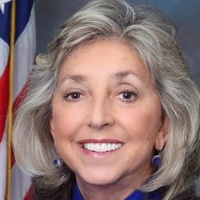
Dina Titus
Representative
NV
Dina Titus
Representative
NV
The Closing the Bump Stock Loophole Act of 2025 seeks to amend federal gun laws by banning devices and modifications that significantly increase the rate of fire of semiautomatic firearms, effectively treating them like machineguns. The bill specifically prohibits the manufacture, sale, or possession of such accessories and modified firearms after 120 days of enactment. Existing owners of previously modified firearms must register them under the National Firearms Act within that same timeframe to legally keep them.
This Act expands Medicare coverage to include audiology services provided directly by qualified audiologists starting in 2027, removing physician supervision and referral requirements.

Gus Bilirakis
Representative
FL
Gus Bilirakis
Representative
FL
The Medicare Audiology Access Improvement Act of 2025 expands Medicare coverage for audiology services, beginning in 2027. This legislation allows qualified audiologists to provide diagnostic and treatment services without physician referral or supervision, as permitted by state law. The bill also specifies payment rates and includes audiologists in coverage for Rural Health Clinics and Federally Qualified Health Centers.
This Act mandates the TSA to establish and regularly update strict hygienic guidelines for screening breast milk, formula, and other essential baby liquids during aviation security checks.
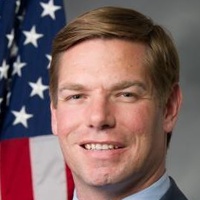
Eric Swalwell
Representative
CA
Eric Swalwell
Representative
CA
The Bottles and Breastfeeding Equipment Screening Enhancement Act mandates the TSA to develop and regularly update strict hygienic guidelines for screening breast milk, formula, and baby drinks at airport security checkpoints. These rules must be created in consultation with maternal health experts to minimize contamination risks during any necessary testing. Furthermore, the Inspector General will audit compliance with these new safety standards within one year of enactment.
This act establishes dedicated, long-term federal funding for Title X family planning clinics, including funds for facility improvements, while mandating neutral pregnancy counseling and referral options for patients.
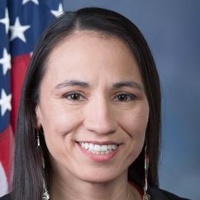
Sharice Davids
Representative
KS
Sharice Davids
Representative
KS
The Expanding Access to Family Planning Act establishes a dedicated Title X Clinic Fund managed by HHS to ensure stable, increased national funding for family planning services. This legislation allocates \$512 million annually for ten years toward services and an additional \$50 million yearly for facility improvements. Furthermore, the bill mandates that any clinic receiving this funding must provide neutral, non-directive counseling on all pregnancy options—prenatal care, infant care/adoption, and termination—if the patient requests information.
This bill establishes the American Family Act, which revamps the Child Tax Credit into a system of refundable monthly advance payments for qualifying children and a separate credit for other dependents.
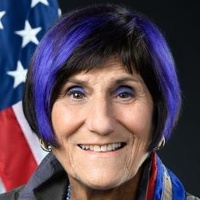
Rosa DeLauro
Representative
CT
Rosa DeLauro
Representative
CT
The American Family Act fundamentally overhauls the Child Tax Credit by replacing the annual lump sum with a system of advance, refundable monthly payments delivered directly to families. These monthly allowances vary based on the child's age, with higher amounts provided for younger children. The bill also establishes a separate, smaller credit for other dependents and outlines procedures for annual renewal and reconciliation of advance payments when filing taxes.