
Legislative Activity
Track Eleanor's sponsored bills, co-sponsored legislation, and voting record
The SNAP Administrator Retention Act of 2025 mandates that states align SNAP administrator pay with comparable federal wages in exchange for 100% federal funding of approved administrative staffing costs.
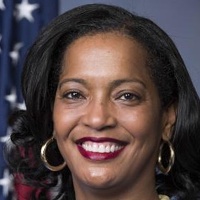
Jahana Hayes
Representative
CT
Jahana Hayes
Representative
CT
The SNAP Administrator Retention Act of 2025 aims to improve staffing and retention for the Supplemental Nutrition Assistance Program (SNAP) by setting new minimum pay standards for state administrators based on comparable federal salaries. If states adopt these standards and have their pay structure approved, the federal government will cover 100% of their administrative personnel costs. This increased federal funding must supplement, not replace, existing state spending on SNAP administration.
The Housing Stability for Dreamers Act ensures that current DACA recipients are eligible for key federal housing programs, including FHA, Rural Housing Service, Fannie Mae/Freddie Mac mortgages, and VA loan guarantees.
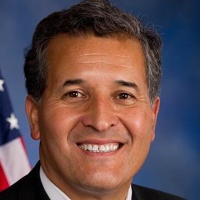
Juan Vargas
Representative
CA
Juan Vargas
Representative
CA
The Housing Stability for Dreamers Act ensures that individuals with current DACA status are eligible for key federal housing programs, including FHA mortgages and certain housing assistance. This legislation specifically prohibits federal agencies and mortgage purchasers like Fannie Mae and Freddie Mac from denying benefits based solely on DACA status. Furthermore, it clarifies that DACA recipient veterans will not be disqualified from receiving earned VA housing loan guarantees.
This resolution expresses support for designating May 2025 as National Physical Fitness and Sports Month to raise awareness about the importance of physical activity in combating rising obesity rates.
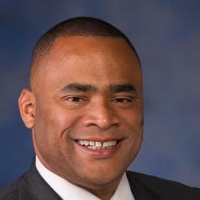
Marc Veasey
Representative
TX
Marc Veasey
Representative
TX
This resolution expresses support for designating May 2025 as National Physical Fitness and Sports Month to address the serious public health crisis of obesity in the United States. It highlights the high rates of obesity among adults and children, emphasizing the associated health risks. The bill ultimately encourages increased physical activity and healthy eating habits nationwide.
This joint resolution expresses congressional disapproval to prohibit the proposed foreign military sale of specific defense articles and services to the United Arab Emirates.
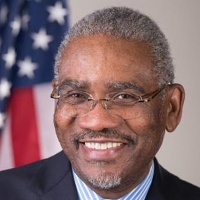
Gregory Meeks
Representative
NY
Gregory Meeks
Representative
NY
This joint resolution seeks to formally disapprove and prohibit a specific proposed foreign military sale to the United Arab Emirates. The bill directly blocks the transfer of defense articles, including Chinook helicopters, specialized navigation systems, and communications equipment. Essentially, Congress is using its authority to stop this particular arms deal from moving forward.
The AGRITOURISM Act establishes a new Office of Agritourism within the USDA to promote and support farm-based tourism for rural economic growth.
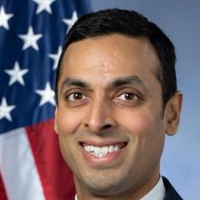
Suhas Subramanyam
Representative
VA
Suhas Subramanyam
Representative
VA
The AGRITOURISM Act establishes a new Office of Agritourism within the Department of Agriculture, led by a dedicated Director. This office is tasked with promoting and supporting farm-based tourism activities across the nation. The goal is to boost rural economies by helping agricultural businesses diversify through educational, recreational, and direct-sale opportunities.
This bill reauthorizes and increases the funding for the Historic Preservation Fund through 2035.
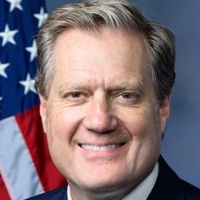
Michael Turner
Representative
OH
Michael Turner
Representative
OH
The Historic Preservation Fund Reauthorization Act extends the life of the Historic Preservation Fund through the year 2035. This legislation also increases the maximum annual funding available for the program from \$150 million to \$250 million. Essentially, this bill ensures continued and increased financial support for preserving historic sites across the nation.
This resolution expresses the House's view that President Trump must immediately submit plans to Congress for accepting a jumbo jet gift from Qatar to comply with the Foreign Emoluments Clause.
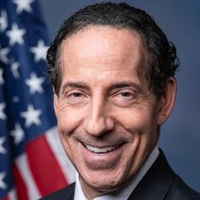
Jamie Raskin
Representative
MD
Jamie Raskin
Representative
MD
This resolution expresses the sense of the House that President Trump must comply with the Foreign Emoluments Clause regarding a reported gift of a jumbo jet from Qatar. It calls on the President to immediately submit all plans for accepting this significant gift to Congress. The bill emphasizes that the Constitution requires Congressional consent before the President can accept valuable items from foreign governments.
The HEADs UP Act of 2025 expands federal health center funding and grants to specifically include and support comprehensive primary and dental care services for individuals with developmental disabilities.
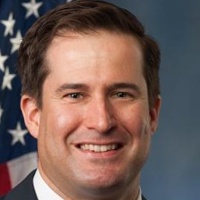
Seth Moulton
Representative
MA
Seth Moulton
Representative
MA
The HEADs UP Act of 2025 aims to expand access to primary and dental healthcare for individuals with developmental disabilities. It revises federal funding criteria to specifically recognize this population as medically underserved, allowing health centers to qualify for enhanced support. The bill authorizes dedicated federal grants for health centers to establish or expand comprehensive services tailored to this community through 2030. This legislation also updates designations for Health Professional Shortage Areas to include these individuals, incentivizing increased staffing.
This Act mandates the delivery of documents and a report regarding the proposed transfer of an aircraft from Qatar to a Trump-controlled entity, while prohibiting federal funding for such transfers.
Gregory Meeks
Representative
NY
Gregory Meeks
Representative
NY
This bill mandates the Secretary of State to immediately provide Congress with all documents and a detailed report concerning the proposed transfer of an aircraft from Qatar to an entity controlled by former President Trump. Furthermore, it prohibits the use of any federal funding for aircraft transfers involving foreign governments to the U.S. Government, the President, or the Trump Presidential Library. The Act aims to ensure transparency and halt federal financial support for these specific property transfers.
This bill prohibits civilians from purchasing, owning, or possessing enhanced body armor, with exceptions for government entities and law enforcement personnel.
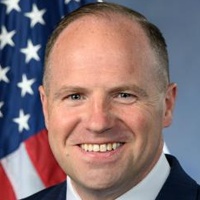
Timothy Kennedy
Representative
NY
Timothy Kennedy
Representative
NY
The Aaron Salter, Jr., Responsible Body Armor Possession Act prohibits civilians from purchasing, owning, or possessing "enhanced body armor," defined as gear meeting or exceeding NIJ RF1 protection standards. This ban includes exceptions for federal, state, and local government agencies, as well as covered law enforcement officers. Knowingly violating this new federal prohibition carries penalties including fines and up to five years in prison.
This bill establishes mandatory minimum registered nurse-to-patient staffing ratios in hospitals to enhance patient safety, enforces these standards across federal healthcare programs, and funds initiatives to support the nursing workforce.
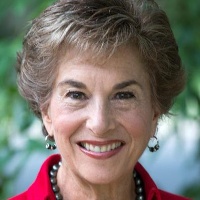
Janice Schakowsky
Representative
IL
Janice Schakowsky
Representative
IL
The Nurse Staffing Standards for Hospital Patient Safety and Quality Care Act of 2025 establishes mandatory minimum registered nurse-to-patient ratios across various hospital units to enhance patient safety and care quality. This legislation requires hospitals to implement detailed staffing plans, ensures enforcement through federal programs like Medicare and Medicaid, and supports the nursing workforce through expanded financial aid and retention initiatives. Furthermore, the bill protects nurses who refuse unsafe assignments and establishes clear mechanisms for reporting violations.
This act establishes federal regulations guaranteeing physicians fair hearing and appeal rights before hospitals can restrict or terminate their professional privileges.
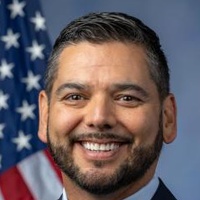
Raul Ruiz
Representative
CA
Raul Ruiz
Representative
CA
The Physician and Patient Safety Act establishes new federal regulations to guarantee due process rights for physicians facing restrictions or loss of hospital privileges. This ensures doctors receive a fair hearing and appeal process before any adverse action is taken against their ability to practice. Furthermore, the Act prohibits forcing physicians to waive these appeal rights as a condition of employment and mandates confidentiality for the review process.
This resolution condemns Hamas for its brutal October 7th terrorist attacks on Israel and demands the immediate release of all remaining hostages.
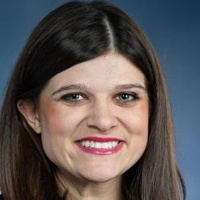
Haley Stevens
Representative
MI
Haley Stevens
Representative
MI
This resolution strongly condemns Hamas for its premeditated and brutal terrorist attacks against Israel on October 7, 2023. It details the resulting casualties and the ongoing hostage crisis, emphasizing the severe mistreatment of those held captive. The bill demands that Hamas immediately release all remaining hostages and allow them safe return.
This bill prohibits the use of federal funds to implement Executive Order 14160, which sought to limit birthright citizenship guaranteed by the Fourteenth Amendment.
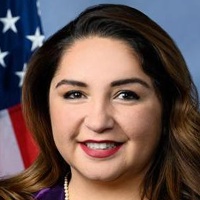
Delia Ramirez
Representative
IL
Delia Ramirez
Representative
IL
The Born in the USA Act of 2025 declares that Executive Order 14160, which attempted to restrict birthright citizenship, is unconstitutional and contrary to the 14th Amendment. This Act prohibits the use of any federal funds to implement or enforce that Executive Order. It affirms the established constitutional right to birthright citizenship for nearly everyone born on U.S. soil.
The Water Affordability, Transparency, Equity, and Reliability Act of 2025 establishes a dedicated trust fund financed by a corporate tax increase to improve water infrastructure, mandate affordability and equity reporting, and expand job training and assistance for underserved communities.
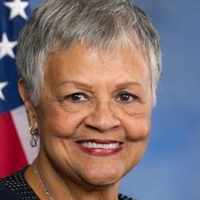
Bonnie Watson Coleman
Representative
NJ
Bonnie Watson Coleman
Representative
NJ
The Water Affordability, Transparency, Equity, and Reliability Act of 2025 establishes a dedicated federal Trust Fund, financed by an increase in the corporate tax rate, to support water infrastructure and affordability programs nationwide. The bill mandates a comprehensive EPA report analyzing water affordability, civil rights compliance, and public participation in water planning. It also significantly increases funding for household water well systems and revises state revolving loan fund rules to expand eligible projects, including lead line replacement and PFAS contamination cleanup. Finally, the Act creates new job training grants for the water sector and enhances drinking water assistance for colonias.
This bill prohibits individuals under 18 from having direct contact with tobacco plants or dried tobacco leaves on farms to strengthen child labor protections in tobacco agriculture.
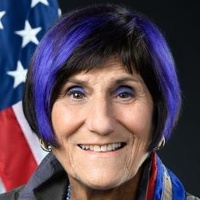
Rosa DeLauro
Representative
CT
Rosa DeLauro
Representative
CT
The Children Don't Belong on Tobacco Farms Act amends child labor laws to prohibit individuals under 18 from having direct contact with tobacco plants or dried tobacco leaves. This change ensures that agricultural work involving direct handling of tobacco falls under federal child labor protections. The bill specifically updates exemptions to reflect this new restriction on youth employment in tobacco agriculture.
This Act prohibits charging different prices for substantially similar consumer products or services based solely on the buyer's gender.
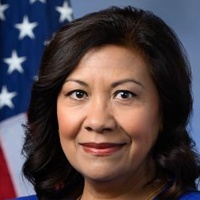
Norma Torres
Representative
CA
Norma Torres
Representative
CA
The Pink Tax Repeal Act prohibits businesses from charging different prices for substantially similar consumer products or services based solely on the buyer's gender. This legislation empowers the Federal Trade Commission (FTC) to enforce the ban as an unfair business practice. State Attorneys General are also authorized to file lawsuits to stop violations and seek restitution for affected residents.
This bill directs the National Advisory Council on Nurse Education and Practice to investigate the national nursing shortage and report recommendations for strengthening the nursing workforce within one year.
Jim Costa
Representative
CA
Jim Costa
Representative
CA
The MORE Nurses Act mandates a comprehensive, one-year study by the National Advisory Council on Nurse Education and Practice to investigate the growing national nursing shortage. This investigation will analyze current workforce capacity, training limitations, and the impact of existing federal policies. The Council is required to deliver a final report to Congress and the President detailing its findings and offering specific legislative recommendations to strengthen nursing education and the workforce.
The GHOST Act of 2025 establishes a federal system requiring advance registration and delivery confirmation for the interstate shipment of firearm barrels, slides, and bolts.
Jill Tokuda
Representative
HI
Jill Tokuda
Representative
HI
The GHOST Act of 2025 establishes a new Federal Interstate Firearm Parts Reporting System to track the shipment of specific gun components, including barrels, slides, and bolts, across state or international lines. Shippers must pre-register these covered components with the Attorney General, detailing sender, recipient, and shipping method, and later confirm delivery. The system allows for retroactive registration but imposes significant penalties for knowingly circumventing these tracking requirements.
This bill mandates that school food service worker training must be paid, occur during work hours when possible, and prohibits penalizing staff for non-attendance.
Mark Pocan
Representative
WI
Mark Pocan
Representative
WI
The Improving Training for School Food Service Workers Act of 2025 establishes new federal standards for required training programs for school food service personnel. This bill mandates that all required training must be paid for by the employer, conducted during regular work hours whenever possible, and offered at no cost to the employee. Furthermore, the Act strictly prohibits employers from penalizing staff who are unable to attend training sessions.