Legislative Activity
Track Dave's sponsored bills, co-sponsored legislation, and voting record
This bill reauthorizes and expands funding for the Wildlife Crossings Program through 2031, removes the "pilot" designation, and establishes 100% federal cost-share and technical assistance for projects led by Indian Tribes.
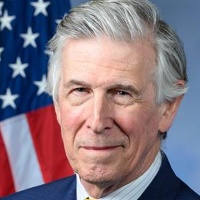
Donald Beyer
Representative
VA
Donald Beyer
Representative
VA
The Wildlife Road Crossings Program Reauthorization Act of 2025 extends and expands federal funding for wildlife crossing infrastructure through 2031. This legislation renames the existing pilot program, authorizes \$200 million annually for the program, and ensures 100% federal cost-sharing for projects led by Indian Tribes. Additionally, it establishes technical assistance to help tribes efficiently access these crucial wildlife safety funds.
This bill establishes a permanent Special Envoy for the Human Rights of LGBTQI+ Peoples within the Department of State to advance U.S. policy countering global criminalization, violence, and discrimination against LGBTQI+ individuals.
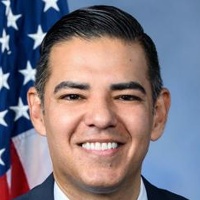
Robert Garcia
Representative
CA
Robert Garcia
Representative
CA
This bill, the International Human Rights Defense Act of 2025, establishes a permanent Special Envoy for the Human Rights of LGBTQI+ Peoples within the Department of State. It codifies U.S. policy to actively combat international criminalization, violence, and discrimination against LGBTQI+ individuals worldwide. The legislation also mandates enhanced reporting on these abuses in annual human rights reports and authorizes assistance to support related protection efforts abroad.
This bill mandates the restoration of free telephone services and communication access for individuals in immigration detention, ensuring contact with family and legal counsel.

Maxine Dexter
Representative
OR
Maxine Dexter
Representative
OR
The Restoring Access for Detainees Act aims to reinstate and expand free communication services for individuals in civil immigration detention. It mandates the provision of free phone calls, including 200 free outgoing minutes monthly, specifically for contacting family and legal counsel. Furthermore, the bill ensures private, unmonitored communication opportunities with attorneys and certain government officials upon arrival in custody.
This Act establishes strict standards, training, and reporting requirements for federal immigration enforcement personnel regarding the use of force, identification, and equipment.

Scott Peters
Representative
CA
Scott Peters
Representative
CA
The Stop Excessive Force in Immigration Act of 2025 establishes strict new standards for the use of non-deadly force by federal immigration personnel, requiring proportionality and de-escalation efforts. The bill mandates identification requirements, restricts the use of certain crowd-control equipment, and imposes new body camera and detailed reporting mandates. Furthermore, it creates affirmative duties for officers to intervene against excessive force and requires annual training on these new policies.
This resolution expresses support for designating October 2025 as "Crime Prevention Month" to promote evidence-based strategies and sustained investment in community safety efforts.

Jim Costa
Representative
CA
Jim Costa
Representative
CA
This resolution expresses strong support for designating October 2025 as "Crime Prevention Month." It recognizes the high costs of crime and commends the efforts of law enforcement, community organizers, and others working to prevent it. The bill encourages federal, state, and local entities to invest in evidence-based prevention strategies and calls upon all citizens to participate in related public safety activities.
This resolution supports the goals of National Domestic Violence Awareness Month, highlights the pervasive and devastating impact of intimate partner violence across all demographics, and calls for increased funding for prevention and support programs.
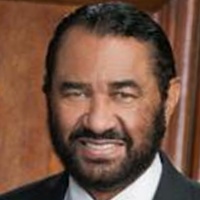
Al Green
Representative
TX
Al Green
Representative
TX
This resolution designates October as National Domestic Violence Awareness Month to highlight the widespread and devastating impact of intimate partner violence across all demographics. It recognizes the urgent need to eliminate domestic violence and supports increased funding for intervention and prevention programs. The resolution underscores the severe physical, emotional, and economic toll this abuse takes on individuals, families, and communities.
This Act establishes new regulations and serial number requirements for tableting and encapsulating machines and their critical parts to combat illicit drug manufacturing.
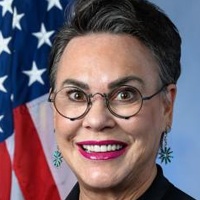
Harriet Hageman
Representative
WY
Harriet Hageman
Representative
WY
The Fight Illicit Pill Presses Act amends the Controlled Substances Act to regulate equipment used in illicit drug manufacturing. This legislation requires manufacturers and distributors of tableting and encapsulating machines, and their critical parts, to apply permanent serial numbers to these items. The bill also prohibits the removal or alteration of these required serial numbers.
This bill extends and modifies various tax credits for energy production, efficiency improvements, and clean vehicle adoption to lower energy costs and support American energy leadership.
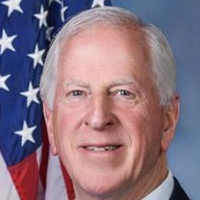
Mike Thompson
Representative
CA
Mike Thompson
Representative
CA
The American Energy Independence and Affordability Act is a comprehensive bill designed to lower energy costs by extending and adjusting key tax incentives across energy production, efficiency, and clean vehicle adoption. It stabilizes support for renewable energy manufacturing, extends deadlines for energy-efficient building credits, and ensures consumer incentives for electric vehicles remain available through 2032. Overall, the legislation aims to provide long-term certainty for energy investments and consumer adoption of cleaner technologies.
This resolution demands the President swiftly provide the House with unredacted communications regarding agency messaging during a potential government shutdown and alleged violations of federal employee political activity rules.
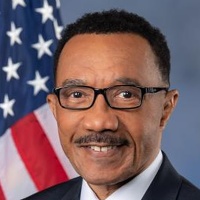
Kweisi Mfume
Representative
MD
Kweisi Mfume
Representative
MD
This resolution is an official request from the House of Representatives demanding the President promptly transmit specific documents related to government communications during a funding lapse. Congress seeks records detailing directives from the OMB and messaging used by agencies like HUD and Education that explicitly blamed political opponents for a potential shutdown. The inquiry also requires information on whether these communications potentially violated federal rules regarding political activity by government employees.
The FALCON Act of 2025 mandates that federal employees, contractors, and grant recipients cooperate with Inspector General requests for information within 60 days or face administrative discipline.
Robert Garcia
Representative
CA
Robert Garcia
Representative
CA
The FALCON Act of 2025 mandates that federal employees, contractors, and grant recipients must cooperate with requests from an agency's Inspector General (IG) within 60 days. Failure to comply can result in administrative discipline for employees or adverse actions for contractors, as determined by the agency head. The IG must report any non-compliance to Congress and the relevant agency head within 30 days of determination. This legislation strengthens oversight by ensuring timely access to information for internal watchdogs.
This bill prohibits placing names, logos, or endorsements inside or on White House property without explicit approval from the Speaker and Minority Leader of the House.
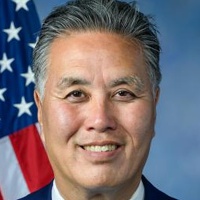
Mark Takano
Representative
CA
Mark Takano
Representative
CA
This bill, the White House NOT FOR SALE Act, prohibits placing any individual's or organization's name on permanent or semi-permanent displays within the White House or its grounds without express approval from both the Speaker and Minority Leader of the House. This approval process requires consultation with the White House Curator and the Committee for the Preservation of the White House. However, displays that qualify as "commemorative works" are governed by existing federal law instead.
This resolution demands the President promptly transmit all documents related to potential furloughs, pay withholding, and legal justifications concerning federal employees affected by a funding lapse starting October 1, 2025.
Kweisi Mfume
Representative
MD
Kweisi Mfume
Representative
MD
This resolution is an official request demanding the President transmit specific, unredacted documents to the House of Representatives within 14 days. Congress is seeking all communications and records related to potential furloughs, layoffs, or the withholding of pay for federal employees due to a funding lapse beginning October 1, 2025. The request specifically targets documents concerning legal opinions that might undermine the requirement to pay furloughed workers after appropriations resume.
This bill mandates that the House of Representatives convene daily during a government shutdown, requiring recorded quorum calls with fines for non-attendance.
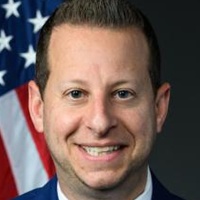
Jared Moskowitz
Representative
FL
Jared Moskowitz
Representative
FL
This bill mandates that the House of Representatives must convene daily during a government shutdown, limiting their ability to adjourn. It requires recorded quorum calls on session days, imposing escalating fines on members who fail to check in electronically for two consecutive days. These fines must be paid by the member personally, with procedures established for appeals and automatic salary deduction for non-payment.
This Act provides appropriations and mandates contract price adjustments to compensate federal contractor employees for losses incurred due to funding lapses or government shutdowns.
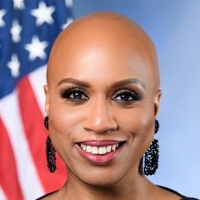
Ayanna Pressley
Representative
MA
Ayanna Pressley
Representative
MA
The Fair Pay for Federal Contractors Act of 2025 ensures that employees of federal contractors are compensated for losses incurred due to government funding lapses or shutdowns. It requires federal agencies to adjust existing contracts to cover reasonable costs associated with furloughs, pay cuts, or mandatory leave taken by contractor employees. The bill appropriates necessary funds to cover these contract price adjustments and mandates public reporting on the compensation provided.
The Pray Safe Act of 2025 establishes a Department of Homeland Security Federal Clearinghouse to publish evidence-based safety and security best practices and information on federal grants for nonprofit organizations, faith-based organizations, and houses of worship.

Grace Meng
Representative
NY
Grace Meng
Representative
NY
The Pray Safe Act of 2025 establishes a Federal Clearinghouse within the Department of Homeland Security to publish evidence-based safety and security best practices for nonprofit organizations, faith-based organizations, and houses of worship. This Clearinghouse will centralize information on security recommendations and available federal grant programs to help these entities prevent and respond to threats. The Act also mandates a GAO report evaluating existing federal security grant programs for these organizations.
This resolution expresses support for recognizing October 2025 as Filipino American History Month to celebrate the rich history, culture, and significant contributions of Filipino Americans to the United States.
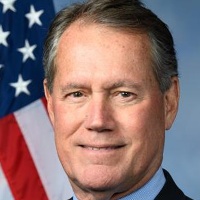
Ed Case
Representative
HI
Ed Case
Representative
HI
This resolution expresses strong support for recognizing October 2025 as Filipino American History Month. It celebrates the rich history, culture, and significant contributions of Filipino Americans across all sectors of U.S. society. The bill also calls for renewed efforts to study and educate the public about this vital, yet often overlooked, part of the American story.
This bill directs NASA and NOAA to expand civilian space cooperation with Taiwan and report annually to Congress on those efforts.

J. Hill
Representative
AR
J. Hill
Representative
AR
The Taiwan and American Space Assistance Act of 2025 directs NASA and NOAA to expand civilian space cooperation with Taiwan. This legislation mandates the initiation of discussions to collaborate on non-military space activities, including satellite programs and weather monitoring. The relevant agencies must report annually to Congress for five years on the progress and scope of this partnership.
This resolution expresses strong support for Military Sexual Trauma Awareness Day while urging improved care, prevention, and accountability for survivors of sexual trauma in the armed forces.
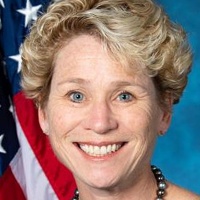
Chrissy Houlahan
Representative
PA
Chrissy Houlahan
Representative
PA
This resolution expresses strong Congressional support for Military Sexual Trauma Awareness Day. It recognizes the severe, long-term impact of military sexual trauma (MST) on service members and veterans. The bill urges the Department of Defense and the Department of Veterans Affairs to improve survivor care, reduce stigma, and enhance prevention efforts. Ultimately, it commits to ensuring survivors receive compassionate support and that accountability measures are strengthened.
This Act establishes grant programs to fund law enforcement efforts against online fentanyl sales, public awareness campaigns about fentanyl dangers, and protective equipment for officers.
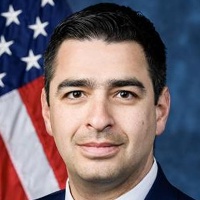
Gabe Evans
Representative
CO
Gabe Evans
Representative
CO
The Combatting Fentanyl Poisonings Act of 2025 establishes several new grant programs managed by the Attorney General to address the fentanyl crisis. These grants will fund local law enforcement efforts to stop social media drug sales, support non-profit organizations in running public awareness campaigns, and equip officers to safely handle fentanyl exposure. The Act specifically allocates funds for enforcement, education, and officer protection related to the dangers of fentanyl.
The America’s CHILDREN Act of 2025 establishes a path to permanent residency for certain long-term college graduates who entered the U.S. as dependents of work visa holders and updates age-out protections for dependent children.
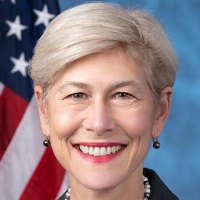
Deborah Ross
Representative
NC
Deborah Ross
Representative
NC
The America’s CHILDREN Act of 2025 establishes a new pathway to permanent residency for certain individuals who entered the U.S. as children, lived here legally for at least eight years as dependents of work visa holders, and subsequently earned a U.S. college degree. The bill also introduces significant "age-out" protections, allowing long-term dependents to retain their original priority dates for visa processing. Furthermore, it clarifies rules for derivative beneficiaries, potentially granting them work authorization in certain dependent statuses.