Legislative Activity
Track Addison's sponsored bills, co-sponsored legislation, and voting record
This Act promotes private employee ownership by extending tax deferrals for S corporation ESOP sales, ensuring ESOP-owned businesses retain small business status, and establishing new Treasury and Labor offices to provide assistance and advocacy.
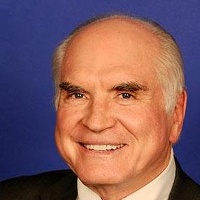
Mike Kelly
Representative
PA
Mike Kelly
Representative
PA
The Promotion and Expansion of Private Employee Ownership Act of 2025 aims to significantly boost employee ownership in S corporations through Employee Stock Ownership Plans (ESOPs). The bill extends key tax deferral benefits for stock sales to ESOPs and removes a major restriction on this tax treatment. Furthermore, it establishes new government offices and an Advocate for Employee Ownership to provide technical assistance and resolve disputes, while ensuring ESOP-owned businesses retain small business status for federal programs.
This resolution supports National Fentanyl Awareness Day to increase public awareness about the deadly threat of counterfeit fentanyl pills, especially to young people.
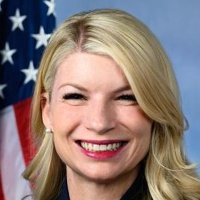
Brittany Pettersen
Representative
CO
Brittany Pettersen
Representative
CO
This resolution officially supports the goals of National Fentanyl Awareness Day to increase public awareness regarding the deadly threat of counterfeit fentanyl pills. It highlights the alarming rise in fake pills containing lethal doses of fentanyl that are tragically impacting families and young people across the nation. The measure encourages federal, state, and local agencies to use existing authorities to combat the spread of these illicit counterfeit drugs.
This resolution recognizes the vital contributions of linemen, often acting as first responders, and supports designating April 18, 2025, as "National Lineman Appreciation Day."
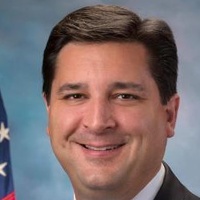
David Rouzer
Representative
NC
David Rouzer
Representative
NC
This resolution officially recognizes the vital and dangerous work performed by power linemen who maintain our electrical infrastructure and ensure public safety. It highlights their crucial role as first responders, often working in hazardous conditions after disasters. Furthermore, the resolution supports the designation of April 18, 2025, as "National Lineman Appreciation Day" to formally honor their service.
The Fight Fentanyl Act strengthens federal efforts against fentanyl trafficking by mandating detailed reporting from HIDTA programs, increasing their funding and purpose to target fentanyl interdiction, and requiring the Attorney General to assign additional prosecutors to these cases.
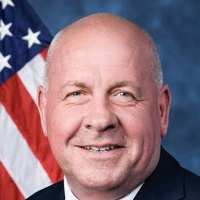
David Taylor
Representative
OH
David Taylor
Representative
OH
The Fight Fentanyl Act strengthens federal efforts to combat the fentanyl crisis by updating the High Intensity Drug Trafficking Areas (HIDTA) program. This legislation mandates increased reporting on fentanyl investigations, sets dedicated funding levels through 2030, and expands HIDTA purposes to prioritize fentanyl interdiction. Furthermore, it requires the Attorney General to ensure sufficient prosecutorial resources are dedicated to fentanyl trafficking cases through temporary AUSA assignments.
This resolution strongly supports the Second Amendment right to keep and bear arms while commending President Trump for working to reverse recent Biden administration infringements on those freedoms.
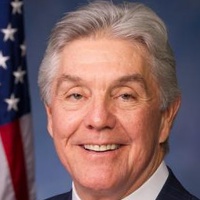
Roger Williams
Representative
TX
Roger Williams
Representative
TX
This resolution strongly affirms the constitutional right to keep and bear arms under the Second Amendment. It criticizes recent actions by the Biden administration and federal agencies, such as the ATF, for implementing what are viewed as infringements on these freedoms. The resolution commends former President Trump for his past efforts to protect Second Amendment rights against such measures.
This Act establishes Easter Monday as a new legal public holiday in the United States.
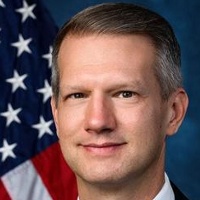
Riley Moore
Representative
WV
Riley Moore
Representative
WV
The Easter Monday Act of 2025 officially establishes Easter Monday as a new legal public holiday in the United States. This legislation amends federal law to insert Easter Monday into the official list of recognized federal holidays. Consequently, Easter Monday will be observed by federal employees and agencies with the same status as existing holidays.
The Safeguard American Voter Eligibility (SAVE) Act mandates that individuals registering to vote in federal elections must present documentary proof of U.S. citizenship.

Chip Roy
Representative
TX
Chip Roy
Representative
TX
The Safeguard American Voter Eligibility Act (SAVE Act) significantly amends federal law to require individuals registering to vote in federal elections to present documentary proof of U.S. citizenship. This legislation mandates that states actively clean their voter rolls and cooperate with federal agencies to verify citizenship status. It establishes new criminal penalties for officials who fail to enforce these documentation requirements.
This bill establishes pilot projects for the Department of Homeland Security to test advanced technologies, including AI, to improve the detection of contraband like fentanyl at U.S. land ports of entry.
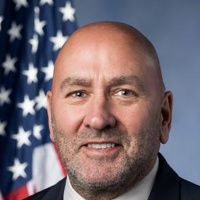
Clay Higgins
Representative
LA
Clay Higgins
Representative
LA
The CATCH Fentanyl Act mandates the Department of Homeland Security to establish pilot projects at land ports of entry to test advanced inspection technologies, including those utilizing Artificial Intelligence. These tests aim to improve the detection of contraband like fentanyl while increasing inspection efficiency. The Secretary must report on the effectiveness of these technologies and provide recommendations for nationwide deployment within five years of enactment.
This Act redefines immediate relatives for immigration, caps family-sponsored visas, and creates a new, non-work, temporary visa for parents of adult U.S. citizens.
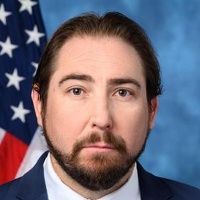
Eli Crane
Representative
AZ
Eli Crane
Representative
AZ
The Nuclear Family Priority Act significantly restructures U.S. family-based immigration by redefining "immediate relatives" to only include spouses and children of U.S. citizens, removing parents from that top category. It also establishes a new, temporary nonimmigrant visa for parents of adult U.S. citizens, which prohibits work and public benefits. Furthermore, the bill revises the annual cap for family-sponsored visas and makes numerous technical amendments across immigration law to align with these changes.
This bill expands mandatory detention for certain non-citizens by adding convictions for trespassing, vandalism, and arson to the list of triggering property crimes.
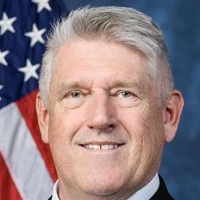
Troy Downing
Representative
MT
Troy Downing
Representative
MT
The Safeguarding American Property Act of 2025 expands mandatory detention requirements for certain non-citizens who commit specific property crimes. This legislation adds offenses like trespassing, vandalism, and arson to the list of crimes that require immigration authorities to detain an individual during removal proceedings. The bill also clarifies language related to violent offenses to ensure comprehensive grounds for detention.
This Act promotes new bank formation by phasing in capital standards, adjusting business plan review timelines, offering temporary leverage ratio relief for rural institutions, expanding agricultural lending authority, and mandating a study on barriers to new bank creation.
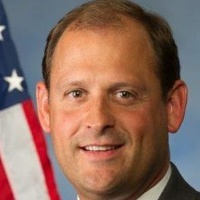
Garland Barr
Representative
KY
Garland Barr
Representative
KY
The Promoting New Bank Formation Act aims to encourage the creation of new banks by providing regulatory relief for newly insured institutions. This includes a three-year phase-in period for new capital standards and streamlined processes for adjusting initial business plans. The Act also establishes temporary, favorable capital requirements for new rural depository institutions and expands lending authority for Federal savings associations to include agricultural loans. Finally, it mandates a study on barriers to new bank formation, especially in underserved areas.
The Secure Family Futures Act of 2025 modifies tax code provisions for applicable insurance companies by excluding certain debt from being treated as a capital asset and extending the capital loss carryover period to ten years for specific losses incurred after 2025.
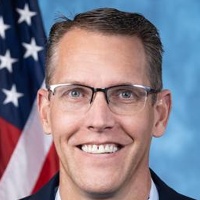
Randy Feenstra
Representative
IA
Randy Feenstra
Representative
IA
The Secure Family Futures Act of 2025 modifies tax treatment for certain debt holdings of applicable insurance companies, excluding specific debt instruments from being treated as capital assets for tax purposes. Additionally, this Act extends the capital loss carryover period to 10 years for specified losses incurred by these insurance companies. These changes apply only to transactions occurring after December 31, 2025.
The SHORT Act redefines "firearm" to exclude certain collector's items, eliminates disparate federal treatment of short-barreled rifles and shotguns, preempts state and local registration/tax burdens on these items, and mandates the destruction of certain existing NFA records.
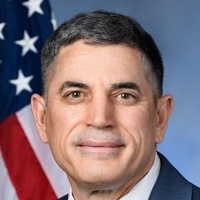
Andrew Clyde
Representative
GA
Andrew Clyde
Representative
GA
The SHORT Act aims to reform federal firearms regulations by redefining what constitutes a "firearm" for tax purposes, largely excluding antique or collector's items. It eliminates disparate federal treatment for short-barreled rifles and shotguns used lawfully and preempts state and local governments from imposing special taxes or registration requirements on these specific weapons. Furthermore, the bill mandates the destruction of certain existing federal registration and transfer records related to defined firearms.
This Act prohibits state and local governments from imposing excise taxes on the sale of firearms, ammunition, or related parts in interstate or foreign commerce.
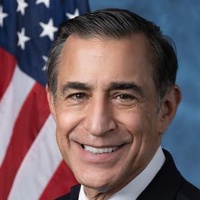
Darrell Issa
Representative
CA
Darrell Issa
Representative
CA
The Freedom from Unfair Gun Taxes Act of 2025 prohibits state and local governments from imposing excise taxes on the sale of firearms, ammunition, or firearm parts. This restriction specifically targets taxes levied on sales that involve interstate or foreign commerce. The Act explicitly preserves existing federal laws, such as the Pittman-Robertson Wildlife Restoration Act.
This Act establishes a competitive grant program, administered by the Secretary of Energy, to strengthen domestic mining education and training programs at specialized institutions.
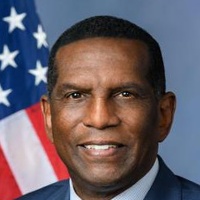
Clarence Owens
Representative
UT
Clarence Owens
Representative
UT
The Mining Schools Act of 2025 establishes a competitive grant program, administered by the Secretary of Energy, to strengthen domestic mining education at specialized institutions. These grants aim to train the next generation of professionals needed for the nation's energy and mineral supply by focusing on modern extraction, critical minerals, and environmental responsibility. The Act also creates the Mining Professional Development Advisory Board to guide the grant selection process and repeals the older Mining and Mineral Resources Research Institute Act of 1984.
This Act allows states to use Preventive Health and Health Services Block Grant funds to purchase opioid antagonists for schools and provide related training and education to students and staff.
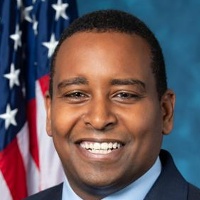
Joe Neguse
Representative
CO
Joe Neguse
Representative
CO
The Protecting Kids from Fentanyl Act of 2025 allows states to use Preventive Health and Health Services Block Grant funds to purchase life-saving opioid antagonists, such as naloxone, for schools. These funds can also cover essential training for school staff on administering the antagonists and providing fentanyl awareness education to students. This legislation aims to enhance school safety by equipping them to respond to opioid emergencies.
This Act allows governmental pension plans to include certain firefighters, EMTs, and paramedics employed by contracted public safety agencies.
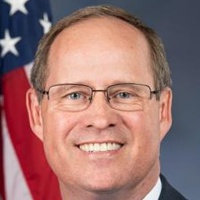
Gregory Murphy
Representative
NC
Gregory Murphy
Representative
NC
The First Responders Retirement Parity Act allows certain firefighters, EMTs, and paramedics employed by qualifying public safety agencies to participate in governmental pension plans. This ensures that these essential emergency response providers are treated similarly to other government employees under various federal retirement and benefit rules. The Act clarifies that including these specific providers will not jeopardize the tax status of the governmental pension plan.
This bill establishes national reciprocity for concealed carry permits, allowing individuals legally permitted to carry in their home state to carry a handgun in any other state that allows concealed carry.
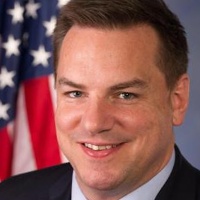
Richard Hudson
Representative
NC
Richard Hudson
Representative
NC
The Constitutional Concealed Carry Reciprocity Act of 2025 establishes a national standard for carrying concealed handguns across state lines. This act allows individuals legally permitted to carry in their home state to carry concealed in any other state that allows its residents to carry concealed firearms. The law does not override private property restrictions or prohibitions on government property, but it provides protections and legal recourse for those traveling in compliance with the new federal standard.
This bill mandates that institutions of higher education immediately report to SEVIS any awareness of an F-1 or J-1 student endorsing a foreign terrorist organization, leading to visa revocation and deportation proceedings.
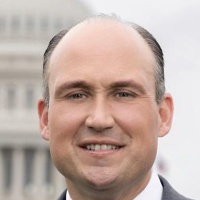
Nicholas Langworthy
Representative
NY
Nicholas Langworthy
Representative
NY
This bill requires institutions of higher education to immediately report to SEVIS if they become aware that an F-1 or J-1 visa student has endorsed or supported a designated foreign terrorist organization. Upon confirmation, the Secretary of State must revoke the student's visa, and the Secretary of Homeland Security must initiate deportation proceedings. This measure aims to swiftly address national security risks posed by international students supporting terrorism.
This act permanently establishes a 7-year recovery period for the depreciation of motorsports entertainment complexes for tax purposes.

Claudia Tenney
Representative
NY
Claudia Tenney
Representative
NY
The Motorsports Fairness and Permanency Act of 2025 makes permanent a significant tax benefit for motorsports entertainment complexes. This legislation ensures these large venues can continue to use an accelerated 7-year recovery period for depreciating their building costs. By removing the previous expiration date, the Act provides long-term financial certainty for the industry.