Legislative Activity
Track Tim's sponsored bills, co-sponsored legislation, and voting record
The Consumer Financial Protection Accountability and Reform Act of 2026 seeks to increase the CFPB’s transparency and accountability by restructuring its funding, refining its enforcement and rulemaking standards, and establishing clearer regulatory oversight for financial institutions and consumer products.
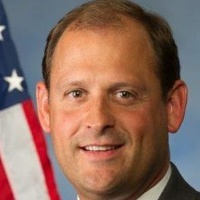
Garland Barr
Representative
KY
Garland Barr
Representative
KY
The Consumer Financial Protection Accountability and Reform Act of 2026 seeks to restructure the Consumer Financial Protection Bureau (CFPB) by bringing it under congressional appropriations and establishing more rigorous oversight and transparency requirements. The bill introduces stricter standards for enforcement actions, clarifies definitions of abusive practices, and provides new regulatory frameworks for emerging financial products like earned wage access. Additionally, it adjusts supervisory thresholds and limits the Bureau’s ability to use market-monitoring data for enforcement, aiming to increase procedural fairness for both financial institutions and consumers.
This bill reauthorizes the Accelerating Access to Critical Therapies for ALS Act through 2031 while enhancing grant oversight, safety reporting requirements, and FDA strategic planning for rare neurodegenerative diseases.

Mike Quigley
Representative
IL
Mike Quigley
Representative
IL
The Accelerating Access to Critical Therapies for ALS Reauthorization Act of 2026 extends vital funding for ALS research and clinical trial programs through 2031. This legislation strengthens oversight by enhancing grant review processes, improving safety reporting requirements, and mandating a comprehensive five-year FDA action plan to accelerate the development of treatments for rare neurodegenerative diseases.
The Main Street Act aims to foster economic growth by reducing regulatory burdens on community banks, streamlining the application and merger processes, and enhancing transparency in financial supervision.
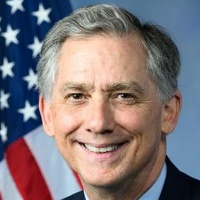
J. Hill
Representative
AR
J. Hill
Representative
AR
The Main Street Act is comprehensive legislation designed to foster a more competitive and accessible banking environment by reducing regulatory burdens on community banks and credit unions. The bill streamlines application processes, modernizes supervision standards, and enhances transparency across federal financial agencies to encourage local lending and economic growth. Additionally, it promotes innovation and financial stability by facilitating bank-fintech partnerships and improving the tools available for managing liquidity and bank resolutions.
This bill authorizes a seven-year grant program for the National Law Enforcement Officers Memorial Fund to support the National Law Enforcement Museum’s educational, community outreach, and officer wellness initiatives.
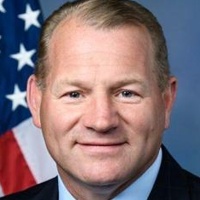
Troy Nehls
Representative
TX
Troy Nehls
Representative
TX
The National Law Enforcement Officers Remembrance, Support, and Community Outreach Act authorizes $6 million in annual grants over seven years to the National Law Enforcement Officers Memorial Fund. These funds will support the National Law Enforcement Museum’s public education, community outreach, and officer safety and wellness programs. As a condition of the grant, the museum must provide free admission to law enforcement officers and their families, as well as dedicated free hours for the general public.
The Lawful Hemp Protection Act establishes a comprehensive federal regulatory, tax, and safety framework for hemp-derived cannabinoid products to ensure consumer protection, prevent underage access, and standardize industry manufacturing and testing.
Garland Barr
Representative
KY
Garland Barr
Representative
KY
The Lawful Hemp Protection Act establishes a comprehensive federal regulatory framework for hemp-derived cannabinoid products to ensure consumer safety and industry accountability. The bill mandates strict age-gating, standardized manufacturing and labeling requirements, and FDA oversight to eliminate deceptive products. Additionally, it implements a federal tax and permit system for manufacturers and wholesalers while preserving the authority of states to enforce their own regulations.
Tyler's Law mandates a study and subsequent guidance on the routine testing for fentanyl in hospital emergency departments during overdose treatment.
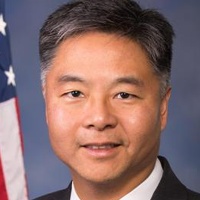
Ted Lieu
Representative
CA
Ted Lieu
Representative
CA
Tyler's Law mandates a comprehensive study by the Secretary of Health and Human Services on the frequency, cost, and impact of fentanyl testing in hospital emergency departments during overdose cases. Following the study, the Secretary must issue guidance on whether routine fentanyl testing should become standard practice for overdose patients. This guidance will also address staff training regarding existing drug test panels and the long-term health implications of such testing.
This bill prohibits the Department of Labor from finalizing, implementing, or enforcing the proposed rule regarding heat injury and illness prevention in outdoor and indoor work settings.
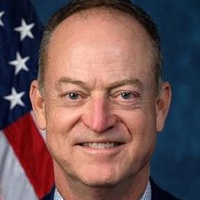
Mark Messmer
Representative
IN
Mark Messmer
Representative
IN
This act, the Heat Workforce Standards Act of 2025, prohibits the Secretary of Labor from finalizing, implementing, or enforcing the proposed rule regarding heat injury and illness prevention published in August 2024. This restriction extends to any future standard substantially similar to the one proposed.
This act amends Title IX to explicitly define "sex," "female," and "male" based on biological characteristics.
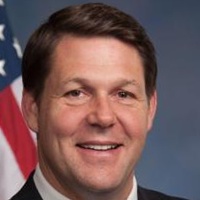
Jodey Arrington
Representative
TX
Jodey Arrington
Representative
TX
The Title IX Clarification Act of 2026 amends Title IX to explicitly define "sex," "female," and "male" based on an individual's biologically determined sex and reproductive system. This legislation clarifies the scope of sex-based protections under federal education law. The changes take effect immediately upon enactment.
The STOP Nitazenes Act amends the Controlled Substances Act to permanently classify nitazenes and related synthetic opioids as Schedule I controlled substances.
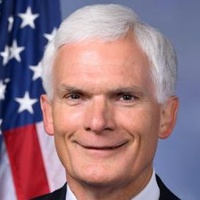
Robert Latta
Representative
OH
Robert Latta
Representative
OH
The STOP Nitazenes Act amends the Controlled Substances Act to permanently classify nitazenes—a highly potent class of synthetic opioids—as Schedule I controlled substances. This legislation strengthens federal enforcement by establishing a permanent legal framework to regulate these dangerous substances and any future chemical derivatives.
This bill clarifies that a franchisor is only considered a joint employer of a franchisee's workers if it exercises substantial, direct, and immediate control over essential terms of employment.
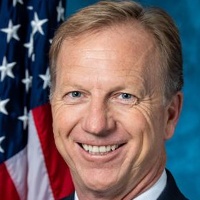
Kevin Hern
Representative
OK
Kevin Hern
Representative
OK
The American Franchise Act aims to protect the traditional franchise business model by clarifying the definition of a "joint employer." This legislation establishes that a franchisor is only considered a joint employer if it exercises "substantial direct and immediate control" over the essential terms of employment for a franchisee's workers. This change specifically targets liability risks associated with maintaining brand standards, ensuring franchisors are not automatically held responsible for local labor practices. The new standard applies prospectively to future legal proceedings.
The "Combating Illicit Xylazine Act" aims to combat the misuse of xylazine by adding it to Schedule III of the Controlled Substances Act, tracking its distribution, and ensuring appropriate penalties for related offenses, while also protecting legitimate veterinary use.
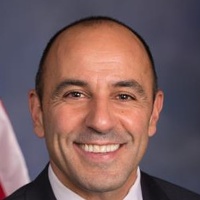
Jimmy Panetta
Representative
CA
Jimmy Panetta
Representative
CA
The "Combating Illicit Xylazine Act" aims to combat the illegal use of xylazine by adding it to Schedule III of the Controlled Substances Act, which would allow for increased regulation and tracking of the substance. The bill includes exemptions and delayed effective dates for certain requirements to ease the transition for legitimate users, such as veterinarians and animal handlers. It also directs the Sentencing Commission to review sentencing guidelines for xylazine-related offenses and mandates reports to Congress on the prevalence and impact of illicit xylazine use. Finally, it will include xylazine in Arcos tracking.
The Chloe Cole Act of 2026 establishes a private right of action allowing individuals to sue healthcare providers for damages resulting from gender-transition medical interventions performed on them as minors.
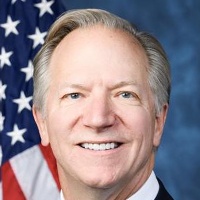
Robert Onder
Representative
MO
Robert Onder
Representative
MO
The Chloe Cole Act of 2026 establishes a federal private right of action allowing individuals to sue healthcare professionals and institutions for damages related to gender-transition medical interventions performed on them as minors. The bill permits lawsuits regardless of when the intervention occurred and sets a statute of limitations extending 25 years past the individual's 18th birthday. Additionally, it mandates strict liability for such interventions performed after the Act's enactment.
This bill mandates electronic prior authorization, increases transparency through required data reporting, and establishes faster decision timelines for Medicare Advantage plans to improve timely access to care for seniors.
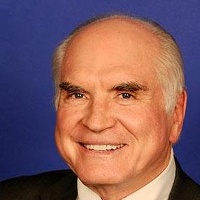
Mike Kelly
Representative
PA
Mike Kelly
Representative
PA
The Improving Seniors’ Timely Access to Care Act of 2025 aims to streamline and modernize the prior authorization process within Medicare Advantage plans. This bill mandates the adoption of electronic prior authorization systems and significantly increases transparency regarding approval rates and decision times starting in 2027. Furthermore, it establishes new enrollee protections and grants the Secretary authority to enforce faster decision timeframes for medical services.
This Act prohibits payment card networks and processors from assigning specific merchant category codes to identify firearms retailers, protecting the privacy of firearm and ammunition purchases.
Riley Moore
Representative
WV
Riley Moore
Representative
WV
The Protecting Privacy in Purchases Act prohibits payment card networks and processors from assigning specific merchant category codes to firearms retailers. This legislation aims to protect consumer privacy by preventing the tracking of firearm and ammunition purchases through specialized financial classification. The Attorney General is tasked with enforcing these provisions and reporting annually on compliance.
This bill mandates the development and implementation of a comprehensive strategy to dismantle UNRWA and transition its humanitarian responsibilities to alternative, accountable organizations.

Michael Lawler
Representative
NY
Michael Lawler
Representative
NY
The "Replace UNRWA with Real Humanitarian Assistance Act" mandates that the Secretary of State develop and implement a comprehensive strategy to dismantle the United Nations Relief and Works Agency (UNRWA). The bill requires a structured transition plan to transfer UNRWA’s humanitarian services to alternative entities, ensuring continued aid while prioritizing transparency, accountability, and neutrality.
This resolution honors the life, selfless service, and heroic sacrifice of Corey Comperatore, a dedicated volunteer firefighter and community leader from Sarver, Pennsylvania.
Mike Kelly
Representative
PA
Mike Kelly
Representative
PA
This resolution honors the life and legacy of Corey Comperatore, a dedicated volunteer firefighter, U.S. Army Reserve veteran, and community leader from Sarver, Pennsylvania. It recognizes his selfless sacrifice and heroic actions in protecting his family, while extending the House of Representatives' deepest condolences to his loved ones.
The **21st Century ROAD to Housing Act** aims to significantly increase housing supply and affordability through regulatory reforms, new financing tools, increased transparency, and restrictions on large institutional home purchases.
J. Hill
Representative
AR
J. Hill
Representative
AR
The **21st Century ROAD to Housing Act** is a comprehensive bill designed to significantly increase housing supply, improve affordability, and modernize federal housing programs. It tackles issues from streamlining construction regulations and incentivizing local zoning reform to restricting large corporate home purchases and enhancing financing for manufactured homes. Ultimately, the Act aims to create more pathways to homeownership and ensure safer, more stable rental conditions across the country.
This bill amends the Immigration and Nationality Act to restrict birthright citizenship by establishing statutory exceptions for children born in the United States to foreign nationals who are unlawfully present or in the country on a temporary basis.
John McGuire
Representative
VA
John McGuire
Representative
VA
The Birthright Citizenship Clarification Act of 2026 amends the Immigration and Nationality Act to restrict automatic birthright citizenship for children born in the United States to parents who are unlawfully present or in the country on a temporary, non-immigrant status. The bill codifies specific historical exceptions to citizenship and aims to deter birth tourism and visa manipulation. These changes would apply prospectively to individuals born 30 days or more after the legislation's enactment.
The Informed Investor Access Act expands the definition of "accredited investor" to include individuals receiving personalized investment advice from registered financial professionals.
Troy Downing
Representative
MT
Troy Downing
Representative
MT
The Informed Investor Access Act expands the definition of an "accredited investor" to include individuals who receive personalized investment advice or recommendations from registered financial professionals. This change allows more investors to participate in private securities offerings by recognizing the professional guidance they receive. The bill directs the SEC to update its regulations to reflect this expanded eligibility.
This bill caps the total recovery amounts for class action lawsuits alleging willful or negligent violations of the Fair Credit Reporting Act (FCRA).
Barry Loudermilk
Representative
GA
Barry Loudermilk
Representative
GA
The FCRA Liability Harmonization Act aims to standardize civil liability for class action lawsuits under the Fair Credit Reporting Act (FCRA). This bill caps the total recovery amount for both willful and negligent violations in class actions at the lesser of $500,000 or 1% of the company's net worth. Furthermore, it places new limits on the recoverable attorney's fees and court costs associated with these class action claims.