This bill mandates the development and implementation of a comprehensive strategy to dismantle UNRWA and transition its humanitarian responsibilities to alternative, accountable organizations.
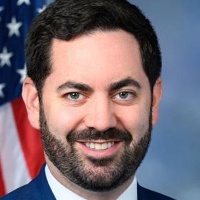
Michael Lawler
Representative
NY-17
The "Replace UNRWA with Real Humanitarian Assistance Act" mandates that the Secretary of State develop and implement a comprehensive strategy to dismantle the United Nations Relief and Works Agency (UNRWA). The bill requires a structured transition plan to transfer UNRWA’s humanitarian services to alternative entities, ensuring continued aid while prioritizing transparency, accountability, and neutrality.
Replace UNRWA Act Mandates 180-Day Strategy to Phase Out Palestinian Refugee Agency and Reassign Aid Operations
This bill, known as the Replace UNRWA with Real Humanitarian Assistance Act, sets a hard deadline for the U.S. government to move away from the United Nations Relief and Works Agency (UNRWA). Within 180 days of this bill becoming law, the Secretary of State would be required to hand over a full-scale strategy to Congress detailing exactly how to dismantle UNRWA’s operations across the Middle East. The plan isn't just a suggestion; the bill mandates that implementation must begin no later than one year after that strategy is submitted. It requires a complete audit of every service UNRWA currently provides—from running schools and clinics to social services and infrastructure—and demands a list of new organizations or host governments to take over those jobs and the bills that come with them.
The Hand-Off Challenge
Think of this like a massive corporate restructuring, but for humanitarian aid. Section 2 of the bill requires the Secretary of State to identify "appropriate entities" to step in and keep the lights on. For the millions of refugees who rely on these services for their kids' education or their own healthcare, the stakes are incredibly high. The bill explicitly states that services must continue without interruption, but it leaves a lot of room for interpretation on who qualifies as an "appropriate" successor. If the transition isn't seamless, we could see a scenario where a clinic closes its doors because the new non-profit hasn't secured its funding yet, or a school year is delayed while a host government tries to absorb thousands of new students into their own budget.
Accountability vs. Stability
A major focus of this legislation is ensuring that whatever comes after UNRWA meets "minimum standards" for transparency and neutrality. The goal here is to fix long-standing concerns about how aid is managed and who is actually benefiting from it. By requiring a risk-reward assessment that covers security and political implications, the bill tries to look ahead at the fallout. However, because the language around these standards is somewhat broad, there’s a real question of how they will be enforced on the ground. For the workers currently employed by UNRWA and the families they serve, the shift from a long-standing UN agency to a patchwork of different NGOs or local governments could mean a total overhaul of how they access basic needs.
The Global Ripple Effect
This isn't just a U.S. policy change; it’s a diplomatic heavy lift. The bill requires the Secretary of State to coordinate with international partners and host countries to make this happen. If those partners aren't on board or aren't ready to pick up the tab, the "estimated costs and savings" mentioned in the bill could look very different in reality. For the average person watching from home, the concern is whether this creates a vacuum. If the strategy to dismantle the agency moves faster than the strategy to replace it, the resulting instability could lead to higher humanitarian costs down the road, potentially requiring even more intervention if the transition doesn't go exactly as planned.