Legislative Activity
Track Kelly's sponsored bills, co-sponsored legislation, and voting record
The SAVES Act establishes a VA pilot program to award grants to nonprofits providing service dogs and veterinary insurance to eligible veterans managing specific service-connected conditions.
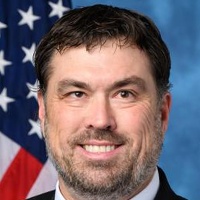
Morgan Luttrell
Representative
TX
Morgan Luttrell
Representative
TX
The SAVES Act establishes a Department of Veterans Affairs (VA) pilot program to award grants to nonprofit organizations that provide service dogs to eligible veterans. These grants, up to $\$2,000,000$ each, will fund the training and provision of service dogs for veterans with qualifying conditions like PTSD or TBI. The bill also extends the expiration date for certain limits on veterans' pension payments until February 2033.
This bill establishes a new system for distributing up to 2,000 additional Medicare-funded residency positions annually from 2026 through 2032, prioritizing hospitals serving underserved areas, and mandates a study on strategies to increase workforce diversity.
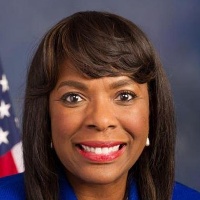
Terri Sewell
Representative
AL
Terri Sewell
Representative
AL
The Resident Physician Shortage Reduction Act of 2025 establishes a structured process for distributing up to 2,000 additional, federally funded residency positions annually between fiscal years 2026 and 2032. This distribution prioritizes hospitals serving in underserved areas, those already training above their limit, and those committed to primary care and general surgery training. The bill also mandates a study and report by the Comptroller General on effective strategies to increase diversity within the health professional workforce.
This Act establishes a grant program to help rural residents afford point-of-use or point-of-entry water treatment systems to address immediate drinking water contamination issues.
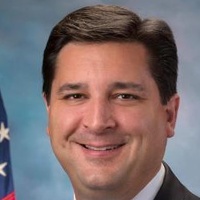
David Rouzer
Representative
NC
David Rouzer
Representative
NC
The Healthy Drinking Water Affordability Act establishes the Healthy H2O Program to provide grants for improving drinking water quality in rural areas. These grants help eligible households and small facilities address contamination from issues like lead or PFAS by covering the costs of certified water treatment systems, installation, and testing. The program prioritizes private well owners and requires annual reporting on contamination trends and program effectiveness.
This Act prohibits the knowing use of artificial intelligence to impersonate a federal official in a materially false or misleading manner, with exceptions for clearly labeled satire or parody.
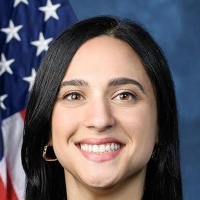
Yassamin Ansari
Representative
AZ
Yassamin Ansari
Representative
AZ
The AI Impersonation Prevention Act of 2025 prohibits the knowing use of artificial intelligence to impersonate a federal official in a way that creates materially false or misleading content. This makes it illegal to generate deepfake audio, video, or text mimicking a government employee without clearly disclosing that the content is not authentic. Exceptions exist for satire and parody, provided the artificial nature of the content is explicitly clear.
The Supporting Apprenticeship Colleges Act of 2025 establishes grant programs to boost outreach for construction and manufacturing apprenticeships and to fund academic advising and student support services for apprentices in those fields.
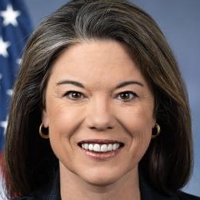
Angie Craig
Representative
MN
Angie Craig
Representative
MN
The Supporting Apprenticeship Colleges Act of 2025 establishes two grant programs totaling \$10 million annually to boost construction and manufacturing apprenticeships. The first program funds community outreach to recruit students and connect programs with local employers, particularly in rural areas. The second program provides funds for expanded academic advising and student support services to improve program retention and completion rates. The Act also formally defines specialized apprenticeship colleges and sets reporting requirements for grant recipients.
This constitutional amendment prohibits immunity from criminal prosecution for federal officials based on their official duties and bars the President from self-pardoning.
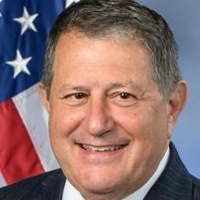
Joseph Morelle
Representative
NY
Joseph Morelle
Representative
NY
This proposed constitutional amendment would eliminate immunity from criminal prosecution for federal officials, including the President, based on their official duties. It also explicitly prohibits the President from issuing a self-pardon for any federal crimes. If ratified, these changes would take effect immediately.
The EACH Act of 2025 mandates that all federally funded health programs and facilities must cover and provide abortion services, while also prohibiting federal interference with private insurance coverage.
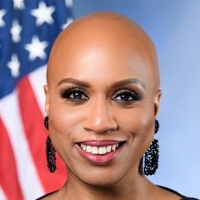
Ayanna Pressley
Representative
MA
Ayanna Pressley
Representative
MA
The EACH Act of 2025 aims to ensure equal access to abortion coverage by requiring all federally funded health programs and facilities to cover abortion services. This legislation prohibits federal interference with state or private insurance coverage of abortion and repeals Section 1303 of the Affordable Care Act. Ultimately, the bill seeks to eliminate financial and insurance barriers to abortion care, particularly for low-income individuals relying on programs like Medicaid.
Ally's Act mandates that certain private health insurance plans must cover auditory implant devices, related services, and upgrades for qualifying individuals without imposing stricter cost-sharing or treatment limitations than other medical benefits.
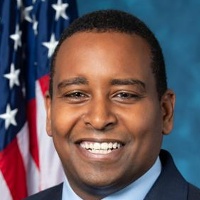
Joe Neguse
Representative
CO
Joe Neguse
Representative
CO
The Ally's Act mandates that certain private health insurance plans must cover auditory implant devices, related supplies, and necessary services for qualifying individuals. This coverage must be comparable to other medical and surgical benefits regarding cost-sharing and treatment limitations. Furthermore, plans cannot deny coverage if a physician or qualified audiologist determines the required hearing items or services are medically necessary. These new requirements take effect for plan years beginning on or after January 1, 2026.
This bill establishes a State judicial threat intelligence and resource center to monitor threats, coordinate security, and report on incidents targeting state and local judges and court staff.
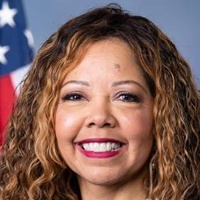
Lucy McBath
Representative
GA
Lucy McBath
Representative
GA
This bill establishes a new State judicial threat intelligence and resource center to enhance the security of state and local judges and court staff. The center will provide training, monitor threats, standardize reporting, and create a national database for incidents against the judiciary. It also requires annual reporting to Congress on the number and severity of threats received.
This act mandates the FDA to study the human health impacts of microplastic exposure through food and water and report recommendations to Congress.
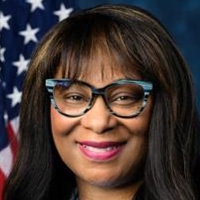
Janelle Bynum
Representative
OR
Janelle Bynum
Representative
OR
The Microplastics Safety Act mandates the FDA to conduct a comprehensive study on the human health impacts of microplastic exposure through food and water. This research must specifically investigate risks to children's health, endocrine function, cancer, and reproduction. Following the study, the FDA is required to report its findings and recommend necessary legislative or regulatory actions to Congress.
The NOPAIN for Veterans Act mandates the Department of Veterans Affairs to promptly add specific non-opioid pain medications to its National Formulary.
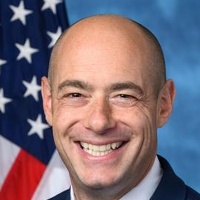
Greg Landsman
Representative
OH
Greg Landsman
Representative
OH
The NOPAIN for Veterans Act mandates that the Department of Veterans Affairs (VA) must promptly add specific, FDA-approved non-opioid pain medications to its National Formulary. This ensures veterans have access to alternative pain management options that do not rely on opioids. The VA is required to implement these changes within 90 days of the Act becoming law.
This bill establishes strict limits and reporting requirements for donations made to Presidential Libraries and Centers, particularly targeting lobbyists, federal contractors, and foreign nationals while a president is in or recently out of office.
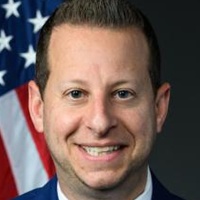
Jared Moskowitz
Representative
FL
Jared Moskowitz
Representative
FL
This bill amends federal law to establish strict limits and reporting requirements for donations made to Presidential Libraries and Centers. It prohibits certain restricted entities, such as lobbyists and federal contractors, from donating while a President is in office or for two years after they leave. The legislation also imposes an aggregate $10,000 lifetime donation cap per person and mandates public disclosure of all significant contributions.
This Act mandates federal standards requiring employers to implement comprehensive heat illness and injury prevention programs to protect workers from dangerous heat stress.
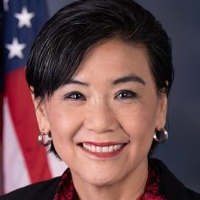
Judy Chu
Representative
CA
Judy Chu
Representative
CA
The Asunción Valdivia Heat Illness, Injury, and Fatality Prevention Act of 2025 mandates that employers protect workers from dangerous heat stress by establishing comprehensive safety standards. This Act requires the Secretary of Labor to create evidence-based rules covering engineering controls, administrative procedures, required training, and paid rest breaks to prevent heat-related illness. Furthermore, the law establishes strict enforcement mechanisms, whistleblower protections, and specific timelines for the implementation of these new federal heat protection standards.
This bill authorizes the creation and sale of commemorative coins for the 2028 Los Angeles and 2034 Salt Lake City Olympic and Paralympic Games to help fund the events, with all surcharges going to the respective organizing committees after covering production costs.
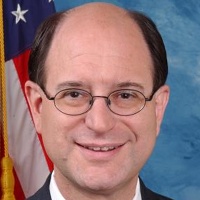
Brad Sherman
Representative
CA
Brad Sherman
Representative
CA
This Act authorizes the Secretary of the Treasury to mint and sell special commemorative coins for the 2028 Los Angeles Olympic and Paralympic Games and the 2034 Salt Lake City Winter Olympic and Paralympic Games. The coins will feature designs celebrating American athletes and the Games themselves. All surcharges collected from the sale of these coins will be directed to the respective organizing committees to help fund the events and related youth sports programs. The entire program must be conducted at no cost to the U.S. Government.
The Building Civic Bridges Act establishes an Office of Civic Bridgebuilding to fund and promote research-backed projects that reduce community division and strengthen social connection, using only donated funds.
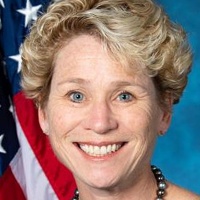
Chrissy Houlahan
Representative
PA
Chrissy Houlahan
Representative
PA
The Building Civic Bridges Act establishes a new Office of Civic Bridgebuilding within the National and Community Service Corporation to promote activities that unite divided communities. This Office will manage a competitive, research-backed grant program to fund local projects focused on reducing conflict and improving social cohesion. The Act mandates that the program be implemented using only donated funds, with no new federal appropriations authorized.
This Act mandates that federal officers involved in border security or immigration enforcement must clearly display identification, wear visible uniforms or badges, and not conceal their faces during detentions or arrests.

Dan Goldman
Representative
NY
Dan Goldman
Representative
NY
The No Secret Police Act of 2025 mandates that federal officers engaged in border security or immigration enforcement must clearly display identification, wear visible badges or uniforms, and refrain from wearing face coverings during detentions or arrests. This ensures accountability by requiring clear identification from Department of Homeland Security (DHS) personnel. The bill also requires the Secretary of Homeland Security to report on current tactical gear policies and research methods to improve officer visibility.
The CONNECT for Health Act of 2025 permanently expands Medicare telehealth access by removing geographic restrictions, increasing practitioner flexibility, bolstering program integrity, and mandating supports for quality remote care delivery.
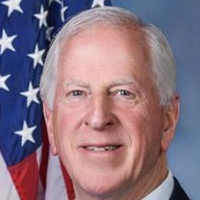
Mike Thompson
Representative
CA
Mike Thompson
Representative
CA
The CONNECT for Health Act of 2025 significantly expands and permanently secures access to Medicare telehealth services by eliminating outdated geographic restrictions and allowing more practitioners to offer remote care. The bill also strengthens program integrity by dedicating funds for telehealth oversight while clarifying rules around providing necessary technology to patients. Finally, it mandates the creation of tailored educational resources and public reporting to improve quality measurement and transparency in remote care delivery.
This resolution formally recognizes the history, achievements, and ongoing struggles of the LGBTQIA+ community while encouraging the celebration of Pride Month and affirming that LGBTQIA+ rights are human rights.
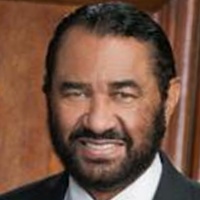
Al Green
Representative
TX
Al Green
Representative
TX
This resolution formally recognizes the history, achievements, and ongoing struggles of the LGBTQIA+ community in the United States. It serves as a declaration by Congress affirming that LGBTQIA+ rights are human rights and encouraging the celebration of Pride Month. The bill highlights key historical milestones, legal victories, and acknowledges the persistent challenges and violence faced by the community. Ultimately, it commits the U.S. to continuing the pursuit of full equality for all citizens.
This Act mandates the Department of Defense to annually report to Congress on the funding, status, and delays of interim cleanup actions for PFAS contamination at military installations, while also developing a strategy to accelerate remediation efforts.
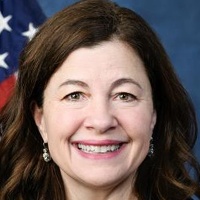
Kristen McDonald Rivet
Representative
MI
Kristen McDonald Rivet
Representative
MI
The Military PFAS Transparency Act of 2025 mandates that the Department of Defense (DoD) provide annual, detailed reports to Congress on the funding and status of all interim cleanup actions for toxic PFAS chemicals at military sites. This legislation also requires the DoD to submit a strategy for accelerating these cleanups based on health risks and environmental harm. Furthermore, the DoD must establish a public-facing online dashboard to ensure transparency regarding spending and cleanup progress.
This bill immediately enacts the EPA's June 25, 2024, final rule establishing national primary drinking water regulations for PFAS as federal law.
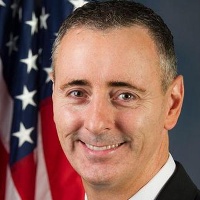
Brian Fitzpatrick
Representative
PA
Brian Fitzpatrick
Representative
PA
The PFAS National Drinking Water Standard Act of 2025 immediately establishes the Environmental Protection Agency's (EPA) final rule on PFAS as official federal law. This action codifies the specific National Primary Drinking Water Regulation for PFAS as it existed on June 25, 2024. Essentially, the bill bypasses standard procedures to enact the EPA's established PFAS drinking water standards into law right away.