Legislative Activity
Track John's sponsored bills, co-sponsored legislation, and voting record
This resolution celebrates the 50th anniversary of the Individuals with Disabilities Education Act (IDEA) and recognizes its profound, transformative impact on ensuring a free, appropriate public education for children with disabilities.
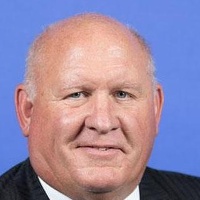
Glenn Thompson
Representative
PA
Glenn Thompson
Representative
PA
This resolution celebrates the 50th anniversary of the Individuals with Disabilities Education Act (IDEA), recognizing its landmark achievement in guaranteeing a free, appropriate public education for every child with a disability. It honors the law's transformative impact since 1975, which ensured access, protected rights, and established critical early intervention services. The resolution reaffirms the commitment to fully implementing IDEA so all students with disabilities have the opportunity to thrive.
The Mikaela Naylon Give Kids a Chance Act primarily focuses on enhancing pediatric drug research, ensuring completion of pediatric study requirements, extending incentives for rare pediatric disease treatments, and making targeted updates to FDA and organ transplant network operations.
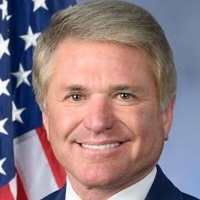
Michael McCaul
Representative
TX
Michael McCaul
Representative
TX
The Mikaela Naylon Give Kids a Chance Act focuses primarily on improving pediatric drug development and ensuring patient access to necessary treatments. This legislation mandates new research requirements for molecularly targeted pediatric cancer drugs, strengthens FDA enforcement of pediatric study completion, and extends incentives for developing drugs for rare pediatric diseases. Additionally, the bill updates organ transplant network functions and establishes an Abraham Accords Office within the FDA to enhance international regulatory cooperation.
This bill amends House rules to require a 60% supermajority vote of those present and voting to censure, disapprove of, or remove a Member, Delegate, or Resident Commissioner from committee.
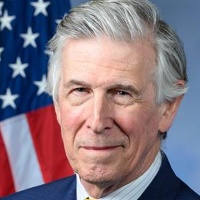
Donald Beyer
Representative
VA
Donald Beyer
Representative
VA
This bill proposes amending the House Rules to increase the threshold required for disciplinary action against a Member, Delegate, or Resident Commissioner. Specifically, it mandates that a supermajority of at least 60% of votes cast must support any resolution for censure, disapproval, or removal from committee membership. This change establishes a higher bar for imposing these specific forms of House discipline.
This act establishes a \$462.5 million emergency fund to ensure SNAP benefits continue without reduction during funding shortfalls or government shutdowns, while also protecting essential program staff from furlough.
April McClain Delaney
Representative
MD
April McClain Delaney
Representative
MD
The Food Bank Emergency Support Act of 2025 establishes a \$462.5 million emergency fund to ensure the Supplemental Nutrition Assistance Program (SNAP) can continue providing full benefits during funding shortfalls or government shutdowns. These funds are specifically appropriated to prevent benefit reductions when other resources are insufficient. Furthermore, the Act ensures essential SNAP staff can continue working during a lapse in appropriations.
This Act prohibits discrimination based on religion, sex, or marital status in federally funded child welfare services to improve outcomes for all children, especially LGBTQ youth.
Danny Davis
Representative
IL
Danny Davis
Representative
IL
The John Lewis Every Child Deserves a Family Act prohibits discrimination based on religion, sex, or marital status in federally funded child welfare services. This aims to increase the number of stable, family-like placements for children, especially for LGBTQ youth who are overrepresented in foster care. The bill mandates federal guidance, training, and data collection to improve safety and well-being outcomes for all children involved in the system.
This bill designates the composition "Here Rests in Honored Glory" by Donald B. Miller as the national hymn of the United States.
Virginia Foxx
Representative
NC
Virginia Foxx
Representative
NC
This bill proposes to officially designate the composition "Here Rests in Honored Glory," by Donald B. Miller, as the national hymn of the United States. If enacted, this designation would be added to Chapter 3 of title 36, United States Code.
This bill expands Medicare drug price negotiation to private insurance, applies inflation rebates to commercial drugs, and establishes annual out-of-pocket limits for prescription drugs under private health insurance.
Frank Pallone
Representative
NJ
Frank Pallone
Representative
NJ
The Lowering Drug Costs for American Families Act aims to significantly reduce prescription drug expenses for consumers. It expands the federal drug price negotiation program to cover more drugs and extends negotiated prices to most private health insurance plans. Furthermore, the bill applies inflation rebates to the commercial market and establishes new annual out-of-pocket spending caps for prescription drugs under private insurance starting in 2027. It also sets specific, lower cost-sharing requirements for covered insulin products.
This Act establishes an interagency task force to combat foreign robocalls, modifies FCC review frequency, introduces a bond requirement for the Robocall Mitigation Database, and grants immunity for private efforts to trace unlawful robocall origins.
Addison McDowell
Representative
NC
Addison McDowell
Representative
NC
The Foreign Robocall Elimination Act establishes an interagency taskforce to study and recommend strategies for combating unlawful robocalls originating from outside the United States. It also grants the FCC authority to require providers to post a bond to ensure integrity in the Robocall Mitigation Database. Furthermore, the bill provides legal immunity for private consortiums tracing the origin of these illegal calls and allows for the publication of non-cooperative providers.
This bill mandates the revision of the Standard Occupational Classification system to establish a distinct code for Direct Support Professionals to better recognize their critical role in supporting individuals with disabilities.
Brian Fitzpatrick
Representative
PA
Brian Fitzpatrick
Representative
PA
The Recognizing the Role of Direct Support Professionals Act aims to address the critical shortage and high turnover among Direct Support Professionals (DSPs) who assist individuals with intellectual and developmental disabilities. The bill mandates that the Office of Management and Budget review and revise the Standard Occupational Classification system to establish a distinct code for DSPs. This change will allow for more accurate labor market data collection to better support these essential workers. The Act does not authorize any new funding.
This act establishes a 25 basis point discount on mortgage insurance premiums for first-time homebuyers who complete a certified financial literacy housing counseling program before applying for a loan or signing a sales agreement.
Joyce Beatty
Representative
OH
Joyce Beatty
Representative
OH
The Housing Financial Literacy Act of 2025 incentivizes first-time homebuyers to complete financial literacy housing counseling programs. By completing the required counseling before applying for a loan or signing a sales agreement, eligible homebuyers will receive a 25 basis point discount on their mortgage insurance premium payments. This act aims to promote financial preparedness among new homeowners.
This act mandates Medicare coverage for FDA-approved early detection screening tests for Alzheimer's disease and related dementias beginning in 2028.
Vern Buchanan
Representative
FL
Vern Buchanan
Representative
FL
The Alzheimer’s Screening and Prevention Act of 2025 (ASAP Act) amends Medicare to cover early detection screening tests for Alzheimer's disease and related dementias starting in 2028. This coverage applies to FDA-cleared tests, including genomic sequencing and other equivalent diagnostic methods, designed to detect pre-symptomatic or early-stage conditions. The bill ensures these screenings are added to the list of covered medical services under Medicare.
This act repeals specific sections of a prior reconciliation act to restore previous laws affecting American families and farmers.
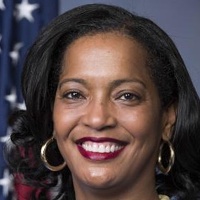
Jahana Hayes
Representative
CT
Jahana Hayes
Representative
CT
The Restoring Food Security for American Families and Farmers Act of 2025 aims to strengthen domestic food security by repealing specific sections of a prior reconciliation act. This action effectively revives the original laws that were previously amended by the repealed provisions. The bill seeks to revert existing agricultural and food-related statutes to their pre-amendment status.
The SEMI Investment Act expands and extends the advanced manufacturing investment tax credit to cover facilities producing semiconductors, semiconductor equipment, and a broad range of qualifying semiconductor materials.
Brian Fitzpatrick
Representative
PA
Brian Fitzpatrick
Representative
PA
The SEMI Investment Act amends the Internal Revenue Code to expand and extend the advanced manufacturing investment credit. This legislation redefines "advanced manufacturing facility" to explicitly include facilities producing semiconductors, semiconductor equipment, and a broad range of qualifying semiconductor materials. Crucially, the bill extends the availability period for this investment credit through the end of 2031.
This bill establishes a permanent Special Envoy for the Human Rights of LGBTQI+ Peoples within the Department of State to advance U.S. policy countering global criminalization, violence, and discrimination against LGBTQI+ individuals.
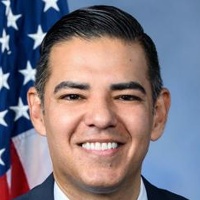
Robert Garcia
Representative
CA
Robert Garcia
Representative
CA
This bill, the International Human Rights Defense Act of 2025, establishes a permanent Special Envoy for the Human Rights of LGBTQI+ Peoples within the Department of State. It codifies U.S. policy to actively combat international criminalization, violence, and discrimination against LGBTQI+ individuals worldwide. The legislation also mandates enhanced reporting on these abuses in annual human rights reports and authorizes assistance to support related protection efforts abroad.
This act prohibits using the Exchange Stabilization Fund to bail out Argentina's financial markets and directs funds from related contract terminations to provide economic relief payments to U.S. crop producers who lost export markets in 2025.
April McClain Delaney
Representative
MD
April McClain Delaney
Representative
MD
The American Farmers First Act prohibits the use of the Exchange Stabilization Fund to provide any financial support to Argentina. Any existing contracts violating this new rule must be terminated quickly. Finally, the bill establishes a farmer economic relief program, funded by the proceeds from terminating those contracts, to provide one-time assistance to producers who lost export markets in the 2025 marketing year.
This bill establishes research requirements and directs studies focused on the health conditions affecting the descendants of veterans exposed to toxic substances during military service.

Debbie Dingell
Representative
MI
Debbie Dingell
Representative
MI
This bill establishes new research requirements focused on the health conditions affecting descendants of veterans exposed to toxic substances during military service. It mandates the creation of interagency task forces to conduct collaborative research on diagnosis and treatment for these descendants. Additionally, the legislation requires the VA to conduct a specific study on the biological descendants of Operation Ranch Hand veterans to assess birth defects and developmental delays.
This Act ensures uninterrupted funding and operation for the SNAP and WIC programs through fiscal year 2026, even if appropriations for the Department of Agriculture are delayed.
Jahana Hayes
Representative
CT
Jahana Hayes
Representative
CT
The Keep SNAP and WIC Funded Act of 2025 ensures that the Supplemental Nutrition Assistance Program (SNAP) and the Special Supplemental Nutrition Program for Women, Infants, and Children (WIC) continue to operate without interruption in fiscal year 2026 if standard appropriations are delayed. If funding lapses, the Secretary of Agriculture is authorized to use funds from the Treasury to provide benefits and reimburse state agencies. This special funding remains in effect until full appropriations are enacted or until September 30, 2026.
This Act establishes strict standards, training, and reporting requirements for federal immigration enforcement personnel regarding the use of force, identification, and equipment.
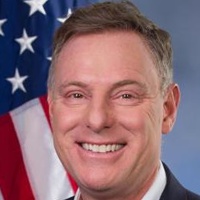
Scott Peters
Representative
CA
Scott Peters
Representative
CA
The Stop Excessive Force in Immigration Act of 2025 establishes strict new standards for the use of non-deadly force by federal immigration personnel, requiring proportionality and de-escalation efforts. The bill mandates identification requirements, restricts the use of certain crowd-control equipment, and imposes new body camera and detailed reporting mandates. Furthermore, it creates affirmative duties for officers to intervene against excessive force and requires annual training on these new policies.
This resolution commemorates October 2025 as Head Start Awareness Month, recognizing the program's six-decade history of positively impacting over 40 million children and their families through comprehensive support services.
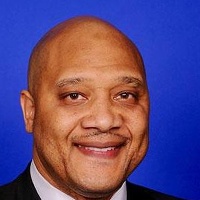
André Carson
Representative
IN
André Carson
Representative
IN
This joint resolution commemorates October 2025 as Head Start Awareness Month to recognize the program's enduring positive impact. It honors Head Start's 60-year legacy of preparing over 40 million children and their families for success through comprehensive health, nutrition, and educational support. The resolution highlights the program's role in promoting long-term academic achievement and empowering parents.
The Converting Our Waste Sustainably Act of 2025 (COWS Act) establishes and funds new alternative manure management and composting practices within existing conservation programs to reduce greenhouse gas emissions and improve soil health.

Jim Costa
Representative
CA
Jim Costa
Representative
CA
The Converting Our Waste Sustainably (COWS) Act of 2025 aims to expand successful manure management programs by formally defining and incentivizing "alternative manure management practices" and "composting practices" within the Food Security Act. This bill directs the USDA Secretary to establish new payment structures, prioritize applications that maximize carbon sequestration and emissions reductions, and provide technical assistance for these sustainable farming methods. Ultimately, the legislation seeks to improve environmental health, soil quality, and air quality across the nation's livestock industry.