
Legislative Activity
Track Nathaniel's sponsored bills, co-sponsored legislation, and voting record
Prohibits the use of the DeepSeek application on government devices, with exceptions for law enforcement, national security, and security research under specific conditions.
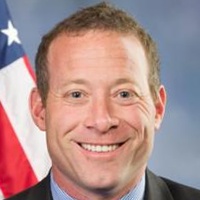
Josh Gottheimer
Representative
NJ
Josh Gottheimer
Representative
NJ
The "No DeepSeek on Government Devices Act" prohibits the use of the DeepSeek application on government devices, with exceptions for law enforcement, national security, and security research. The Office of Management and Budget is tasked with creating guidelines for executive agencies to remove DeepSeek from their information technology. Any authorized use of DeepSeek under the exceptions requires documented risk mitigation actions.
The "Freedom to Invest in Tomorrow's Workforce Act" expands the use of 529 savings accounts to cover expenses related to postsecondary credentialing programs, including tuition, fees, books, supplies, equipment, and testing fees.

Robert Wittman
Representative
VA
Robert Wittman
Representative
VA
The "Freedom to Invest in Tomorrow's Workforce Act" amends Section 529 savings accounts to include expenses related to postsecondary credentialing programs. This allows 529 funds to cover costs like tuition, fees, books, supplies, and testing fees for recognized programs and credentials, as defined by the bill. These changes would apply to distributions made after the bill is enacted.
This bill directs the Under Secretary to develop a plan by 2040 to replace the current weather radar system with next-generation phased array radar technology, improve coverage, and fill gaps in radar coverage through contracts and supplemental technologies.
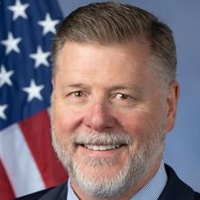
Eric Crawford
Representative
AR
Eric Crawford
Representative
AR
The Weather Radar Coverage Improvement Act aims to modernize the nation's weather radar system by directing the creation of a plan to replace the current NEXRAD system with advanced phased array radar technology by 2040. This plan includes developing prototypes, establishing a testbed for commercial radars, and consulting with experts to improve coverage and accuracy. The Act also allows the National Weather Service to contract with third parties to fill existing radar coverage gaps, potentially using weather cameras to supplement radar data.
Permanently extends the New Markets Tax Credit, provides inflation adjustments, and includes it for alternative minimum tax relief.

Claudia Tenney
Representative
NY
Claudia Tenney
Representative
NY
The New Markets Tax Credit Extension Act of 2025 permanently extends the New Markets Tax Credit, which incentivizes investment in low-income communities. It removes the credit's expiration date and adjusts the credit amount for inflation after 2025. The act also provides alternative minimum tax relief for qualified equity investments made after December 31, 2024.
The Marc Fischer Memorial Act mandates the implementation of a comprehensive digital mail scanning strategy across all federal prisons to detect and interdict synthetic drugs like fentanyl.
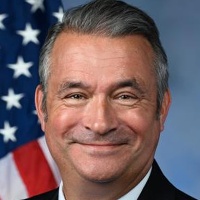
Don Bacon
Representative
NE
Don Bacon
Representative
NE
The Marc Fischer Memorial Act mandates that the Bureau of Prisons implement a comprehensive strategy to achieve 100% digital scanning of all inmate mail to interdict fentanyl and other synthetic drugs. By transitioning to digital mail processing, the Act aims to protect staff and inmates from lethal exposure, improve institutional security, and alleviate the administrative burden on correctional personnel.
The "Amateur Radio Emergency Preparedness Act" protects amateur radio operators' ability to install and use antennas on their property for emergency communications by limiting private land use restrictions, while still allowing for reasonable regulations.
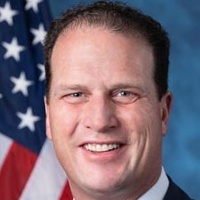
August Pfluger
Representative
TX
August Pfluger
Representative
TX
The "Amateur Radio Emergency Preparedness Act" aims to protect amateur radio operators' ability to install and use antennas on their property, despite private land use restrictions that may otherwise prohibit or impair such installations. It allows for reasonable restrictions based on safety and aesthetics, while limiting prior approval requirements and offering legal recourse for violations. The Act seeks to balance community interests with the need for effective emergency communication capabilities provided by amateur radio operators. The FCC is required to issue regulations to implement the act within 180 days of enactment.
This bill authorizes E-1 treaty trader visas for nationals of the Czech Republic, provided the Czech government grants reciprocal visa status to United States citizens.

Steve Cohen
Representative
TN
Steve Cohen
Representative
TN
This bill proposes extending E-1 treaty trader visa eligibility to nationals of the Czech Republic. This status would allow qualified Czech citizens to enter the United States for substantial trade, provided the Czech government offers reciprocal visa treatment to U.S. nationals.
This bill authorizes the President to extend permanent normal trade relations to Kazakhstan by terminating the application of title IV of the Trade Act of 1974 to the country.
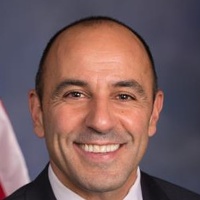
Jimmy Panetta
Representative
CA
Jimmy Panetta
Representative
CA
The US-Kazakhstan Trade Modernization Act authorizes the President to grant Kazakhstan permanent normal trade relations status. This legislation recognizes Kazakhstan’s compliance with international freedom of emigration requirements and its commitment to World Trade Organization standards. By terminating the application of title IV of the Trade Act of 1974, the bill aims to modernize and solidify the bilateral trade relationship between the two nations.
The RECOGNIZING Judea and Samaria Act mandates that all official United States government documents and federal laws refer to the region historically known as the "West Bank" as "Judea and Samaria."
Claudia Tenney
Representative
NY
Claudia Tenney
Representative
NY
The RECOGNIZING Judea and Samaria Act mandates that the United States government officially refer to the region historically known as Judea and Samaria by those names, rather than the term "West Bank." The bill prohibits federal agencies from using the term "West Bank" in official documents and requires corresponding updates to existing U.S. laws. It includes specific exceptions for international treaty obligations and provides waiver authority for the Secretary of State.
The Educational Choice for Children Act of 2025 establishes federal tax credits for contributions to scholarship-granting organizations, providing lower- and middle-income families with financial support for K–12 educational expenses.

Adrian Smith
Representative
NE
Adrian Smith
Representative
NE
The Educational Choice for Children Act of 2025 establishes federal tax credits for individuals and corporations that contribute to scholarship-granting organizations. These organizations provide K–12 education scholarships to students from lower- and middle-income households to cover tuition, tutoring, and other qualified educational expenses. The bill also protects the autonomy of participating schools and scholarship organizations from government interference while ensuring that scholarship funds remain tax-free for recipient families.
This bill recognizes the significant contributions of tax-exempt fraternal benefit societies to communities across the United States through charitable activities, volunteer work, and financial support for their members, and expresses Congressional support for their continued promotion.
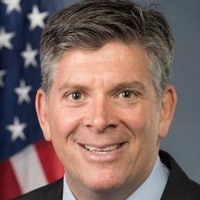
Darin LaHood
Representative
IL
Darin LaHood
Representative
IL
This bill recognizes the significant historical and ongoing contributions of tax-exempt fraternal benefit societies to communities across the United States through charitable activities, volunteer work, and financial support for members. It expresses the sense of Congress that these societies are a valuable support system that addresses unmet needs and generates substantial returns to the U.S. through their tax-exempt status. The bill also advocates for the continued promotion of fraternal benefit societies.
This bill prohibits members and entities of the Chinese Communist Party from purchasing public or private real estate within the United States and its territories.

Chip Roy
Representative
TX
Chip Roy
Representative
TX
The Securing America’s Land from Foreign Interference Act prohibits members of the Chinese Communist Party and its affiliated entities from purchasing public or private real estate within the United States and its territories. This legislation aims to protect national interests by restricting foreign ownership of American land by the party.
The HITS Act allows producers of U.S.-based sound recordings to immediately deduct up to $150,000 in production costs, aligning tax treatment with film and television industries.
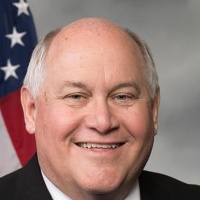
Ron Estes
Representative
KS
Ron Estes
Representative
KS
The Help Independent Tracks Succeed (HITS) Act supports the music industry by allowing producers to immediately deduct up to $150,000 in qualified production costs per year. By extending tax benefits currently available to film and television to sound recordings, this legislation helps independent creators reduce their tax burden and reinvest in their work.
The Life at Conception Act declares that the constitutional right to life begins at the moment of fertilization and applies to every member of the species *homo sapiens* at all stages of development.
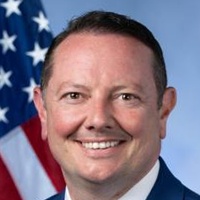
Eric Burlison
Representative
MO
Eric Burlison
Representative
MO
The Life at Conception Act declares that the constitutional right to life begins at the moment of fertilization, defining all human beings as persons from that point forward. The bill establishes legal personhood for every member of the species *homo sapiens* at all stages of development. Additionally, it explicitly prohibits the prosecution of any woman for the death of her unborn child.
The Born-Alive Abortion Survivors Protection Act requires health care practitioners to provide the same level of care to infants born alive after an abortion attempt as they would to any other newborn, mandating immediate hospitalization and imposing penalties for violations, while protecting the mother from prosecution. It also allows the mother of a child born alive to file a civil action against anyone who violated the act.
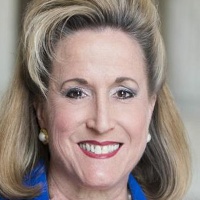
Ann Wagner
Representative
MO
Ann Wagner
Representative
MO
The "Born-Alive Abortion Survivors Protection Act" ensures that infants born alive after an abortion receive the same medical care as any other newborn, mandating immediate hospitalization and requiring healthcare practitioners to report any failures to comply. Violators face fines, imprisonment, and potential prosecution for homicide or attempted homicide, while the mother of the child cannot be prosecuted. The bill also allows the woman who had the abortion to file a civil action against anyone who violated the act. It defines abortion and attempts at abortion, and renames "Partial-Birth Abortions" to "Abortions" in relevant sections of the U.S. Code.
The National Constitutional Carry Act prohibits state and local governments from restricting the public carry of firearms by individuals who are legally eligible to possess them under federal law.

Thomas Massie
Representative
KY
Thomas Massie
Representative
KY
The National Constitutional Carry Act seeks to protect the Second Amendment right of law-abiding citizens to carry firearms in public for self-defense. The bill prohibits state and local governments from imposing criminal or civil penalties on individuals who are legally eligible to possess firearms. By overriding restrictive local regulations, the legislation aims to ensure a uniform standard for the right to bear arms across the United States.
This bill amends the Internal Revenue Code to allow corporations to deduct intangible drilling and development costs when calculating adjusted financial statement income for the corporate alternative minimum tax.

Mike Carey
Representative
OH
Mike Carey
Representative
OH
The Promoting Domestic Energy Production Act revises corporate tax accounting rules to incentivize domestic energy investment. By allowing corporations to deduct intangible drilling and development costs when calculating their alternative minimum tax, the bill aims to reduce the tax burden on energy producers.
The Main Street Tax Certainty Act makes the 20% pass-through business income deduction permanent by removing its scheduled expiration after 2025.
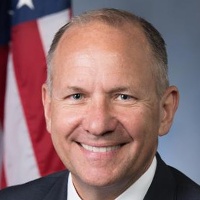
Lloyd Smucker
Representative
PA
Lloyd Smucker
Representative
PA
The Main Street Tax Certainty Act makes the 20% pass-through business income deduction permanent. By removing the current 2025 expiration date, this legislation ensures long-term tax relief for owners of qualified pass-through entities.
This bill prohibits federal funding for abortions and for health insurance plans that cover abortions, clarifies these prohibitions under the Affordable Care Act, and requires health plans to disclose the extent of their abortion coverage and any related surcharges.
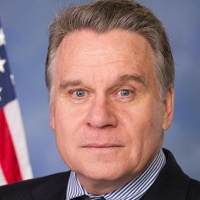
Christopher Smith
Representative
NJ
Christopher Smith
Representative
NJ
The "No Taxpayer Funding for Abortion and Abortion Insurance Full Disclosure Act of 2025" seeks to prohibit the use of federal funds for abortions and for health plans that cover abortions, while allowing individuals and entities to purchase separate abortion coverage with non-federal funds. It clarifies that premium tax credits and cost-sharing reductions under the Affordable Care Act (ACA) cannot be used for health plans that include abortion coverage. The Act also revises notice requirements for health plans, mandating clear disclosure of abortion coverage and any associated premium surcharges to enrollees. Exceptions to the funding restrictions are included for cases of rape, incest, or when the mother's life is in danger.
This bill proposes a constitutional amendment to permanently set the number of Supreme Court justices at nine, requiring ratification by three-fourths of the states within seven years.

Dusty Johnson
Representative
SD
Dusty Johnson
Representative
SD
This bill proposes a constitutional amendment to fix the number of Supreme Court justices at nine. For this amendment to be valid, three-fourths of the state legislatures must ratify it within seven years of its submission.