Legislative Activity
Track Blake's sponsored bills, co-sponsored legislation, and voting record
This bill mandates the exclusion of the Basic Allowance for Housing (BAH) from the calculation of gross household income when determining eligibility for the basic needs allowance for eligible Armed Forces members.
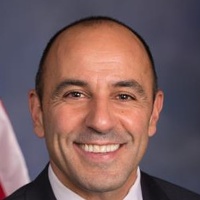
Jimmy Panetta
Representative
CA
Jimmy Panetta
Representative
CA
This bill amends current law to mandate the exclusion of the Basic Allowance for Housing (BAH) when calculating the gross household income for eligible members of the Armed Forces. This change specifically impacts the determination of eligibility for benefits tied to the basic needs allowance. By removing the housing stipend from income calculations, the legislation aims to provide a more accurate assessment of a service member's actual financial need.
This bill provides hazard pay for federal employees carrying out prescribed burns and for smokejumpers.
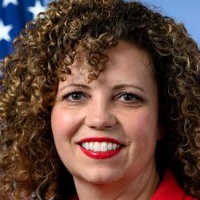
Celeste Maloy
Representative
UT
Celeste Maloy
Representative
UT
This bill seeks to amend federal law to provide hazard pay for federal employees carrying out prescribed burns and for smokejumpers. It officially recognizes that performing prescribed burns and parachute jumping for firefighting duties involve unusual physical hardship or hazard comparable to fighting active wildfires. The Office of Personnel Management is tasked with implementing the necessary regulations to ensure this hazard pay takes effect promptly.
This Act streamlines U.S. arms export controls and eliminates certain certification requirements for defense transfers and technical agreements involving Australia and the United Kingdom under the AUKUS partnership.
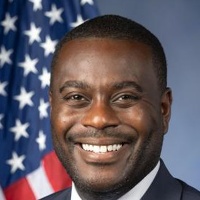
Gabe Amo
Representative
RI
Gabe Amo
Representative
RI
The AUKUS Improvement Act of 2025 streamlines defense cooperation between the United States, Australia, and the United Kingdom. This legislation eases restrictions on the export, re-export, and transfer of defense articles among the three nations, removing certain presidential authorization requirements. Furthermore, it eliminates specific certification requirements for technical assistance and manufacturing license agreements conducted within Australia or the United Kingdom. Overall, the bill aims to increase flexibility and efficiency in defense trade and technology sharing under the AUKUS partnership.
The Enduring Welcome Act of 2025 establishes a permanent Office of the Coordinator for Afghan Relocation Efforts within the State Department to streamline and support the resettlement of Afghan allies and their families.
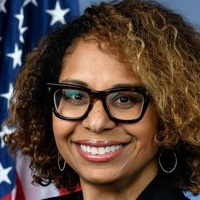
Sydney Kamlager-Dove
Representative
CA
Sydney Kamlager-Dove
Representative
CA
The Enduring Welcome Act of 2025 establishes a permanent Office of the Coordinator for Afghan Relocation Efforts within the State Department to streamline and support the resettlement of Afghan allies. This Act mandates the creation of a secure, centralized database to track all applicants, beneficiaries, and relocation progress, ensuring accountability to Congress. The Coordinator will manage interagency efforts, resolve family reunification roadblocks, and provide integration support for covered persons. This entire framework is set to automatically expire five years after enactment unless otherwise specified.
The CREATE Act increases the spending limits and extends the expiration date for tax benefits related to qualified productions.
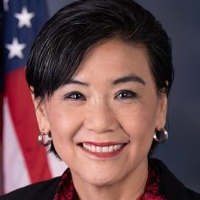
Judy Chu
Representative
CA
Judy Chu
Representative
CA
The CREATE Act, or Creative Relief and Expensing for Artistic Entertainment Act, modifies tax rules for qualified productions by significantly increasing the allowable spending limits for certain tax benefits. This legislation also introduces automatic inflation adjustments for these dollar amounts starting in 2027. Furthermore, the bill extends the expiration date for these beneficial tax provisions from the end of 2025 to the end of 2030.
This Act establishes the "Local Farmers Feeding Our Communities" program to strengthen local food security by funding agreements that support local producers and distribute fresh food to communities.
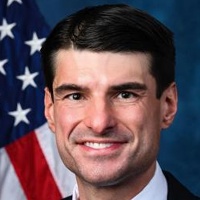
Robert Bresnahan
Representative
PA
Robert Bresnahan
Representative
PA
The Local Farmers Feeding our Communities Act establishes a new program to support local food producers and strengthen regional food security. This initiative requires the Secretary of Agriculture to fund agreements that ensure nutritious, locally sourced food is purchased and distributed widely, prioritizing small and beginning farmers. Funds must be used to buy minimally processed local products and provide technical assistance to producers. The program is backed by mandatory funding starting in Fiscal Year 2026.
The Save Our Seniors Act mandates that Social Security trust fund reports include a comparison graph showing budget assumptions versus actual projected payouts based on dedicated funding.
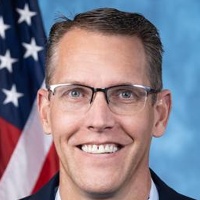
Randy Feenstra
Representative
IA
Randy Feenstra
Representative
IA
The Save Our Seniors Act (SOS Act) mandates that reports on the Social Security Old-Age and Survivors Insurance and Disability Insurance Trust Funds must now include a new graphical comparison. This comparison will show the difference between initial budget assumptions and the actual projected payouts from the Trust Funds based on dedicated funding sources. The goal is to provide clearer transparency regarding the financial status and projections of these vital funds.
The Rescissions Act of 2025 immediately cancels billions in previously appropriated, unspent budget authority across various international operations, global health, development, and agency funding accounts.

Steve Scalise
Representative
LA
Steve Scalise
Representative
LA
The Rescissions Act of 2025 immediately cancels billions of dollars in previously appropriated budget authority across various federal programs. This bill specifically targets and rescinds unspent funds primarily related to international operations, global health initiatives, and foreign assistance accounts. The rescissions are enacted based on a proposal submitted by the President to Congress in June 2025.
The PRIME Act exempts custom slaughter facilities from federal inspection requirements for meat distributed only within the state where it was processed, provided they comply with state law.
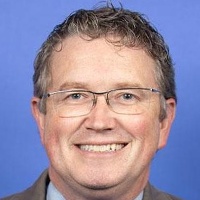
Thomas Massie
Representative
KY
Thomas Massie
Representative
KY
The PRIME Act, or Processing Revival and Intrastate Meat Exemption Act, exempts custom slaughter facilities from federal inspection requirements for meat that is processed and sold only within the state of origin. To qualify, facilities must comply with all applicable state laws regarding slaughter and preparation. This legislation ensures that states retain the authority to enforce their own, potentially stricter, regulations on local meat processing.
This Act increases penalties for health plans and insurers that violate surprise billing rules, imposes severe financial penalties for late payments after dispute resolution, and mandates more frequent and detailed transparency reporting on enforcement actions.
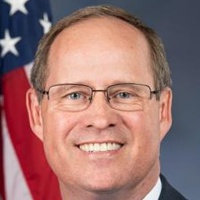
Gregory Murphy
Representative
NC
Gregory Murphy
Representative
NC
The No Surprises Act Enforcement Act significantly increases financial penalties for group health plans and insurance issuers that violate balance billing protections. It establishes steep fines, including up to $\$10,000$ per affected individual for serious non-compliance. Furthermore, the bill imposes severe penalties, including triple the disputed amount plus interest, for failing to make required payments promptly after an Independent Dispute Resolution (IDR) determination. Finally, it mandates more frequent and detailed transparency reporting on enforcement actions and violations.
This Act lowers the minimum age requirement for young employees to join certain retirement savings plans from 21 to 18, provided they meet specific service conditions.
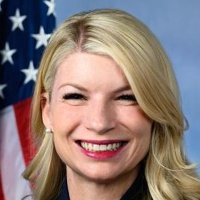
Brittany Pettersen
Representative
CO
Brittany Pettersen
Representative
CO
The Helping Young Americans Save for Retirement Act aims to encourage early retirement savings by lowering the minimum age for participation in certain employer-sponsored retirement plans from 21 to 18 for employees who meet specific service requirements. This change applies to both ERISA-covered pension plans and tax-qualified plans like 401(k)s. The legislation also includes special reporting provisions for plans that gain new, younger participants due to this rule change.
The Frederick Douglass Trafficking Victims Prevention and Protection Reauthorization Act of 2025 enhances efforts to combat human trafficking both domestically and internationally through prevention, survivor support, and strategic use of foreign assistance.
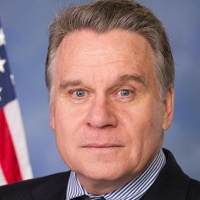
Christopher Smith
Representative
NJ
Christopher Smith
Representative
NJ
The Frederick Douglass Trafficking Victims Prevention and Protection Reauthorization Act of 2025 enhances efforts to combat human trafficking both within the United States and internationally. The act focuses on prevention education, survivor support, and international cooperation, while increasing funding authorizations for key anti-trafficking programs. It prioritizes resources for areas with high trafficking rates, improves data collection, and ensures that foreign assistance aligns with counter-trafficking goals. This legislation aims to protect vulnerable populations, empower survivors, and hold perpetrators accountable.
This bill amends federal law to include violations related to rioting within the definition of racketeering activity.
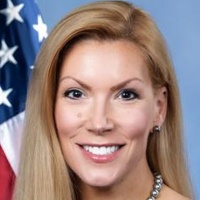
Beth Van Duyne
Representative
TX
Beth Van Duyne
Representative
TX
This bill amends federal law to explicitly include violations related to rioting within the definition of "racketeering activity." By adding this specific crime to the list under Title 18, Section 1961(1), the legislation makes participation in such activities subject to serious federal racketeering charges. This change treats rioting violations similarly to other established offenses like bribery or extortion for the purposes of federal prosecution.
This bill allows tax-exempt small nonprofit employers to claim retirement plan startup and auto-enrollment tax credits against their payroll taxes.
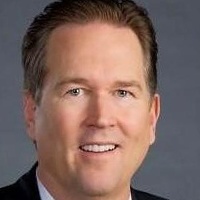
Vern Buchanan
Representative
FL
Vern Buchanan
Representative
FL
The Small Nonprofit Retirement Security Act of 2025 allows tax-exempt nonprofit organizations to claim valuable federal retirement plan startup and auto-enrollment tax credits. Instead of receiving a refund, eligible nonprofits can apply these credits directly against their required payroll tax obligations. This measure aims to encourage small tax-exempt employers to establish retirement plans for their employees.
This bill incentivizes federal transit grants for areas that adopt local policies removing barriers to building more housing, especially affordable housing, near transit facilities.
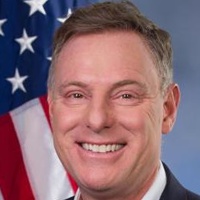
Scott Peters
Representative
CA
Scott Peters
Representative
CA
The Build More Housing Near Transit Act of 2025 incentivizes the construction of new housing near public transit by awarding extra points on federal capital investment grants. These extra points are given to applicants whose jurisdictions have adopted "pro-housing policies," such as reducing parking minimums or streamlining approval processes for multi-family housing. The Secretary must consult with HUD to ensure these local policies are expected to result in measurable increases in housing, particularly for low-income residents.
This Act prohibits U.S. commerce and services for vessels associated with ports in Western Hemisphere trade partners that have illegally seized access-controlling land belonging to American entities since 2024.
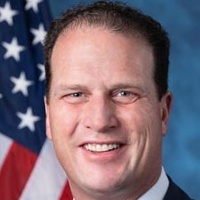
August Pfluger
Representative
TX
August Pfluger
Representative
TX
The Defending American Property Abroad Act of 2025 targets foreign governments in the Western Hemisphere that have seized or unfairly controlled port infrastructure essential to U.S. trade access since early 2024. The bill requires the executive branch to identify this "prohibited property" and subsequently ban any associated vessels from accessing U.S. ports or receiving services. Furthermore, the Act expands the definition of unfair trade practices to explicitly include the nationalization or discriminatory treatment of U.S. assets by foreign nations.
This resolution condemns the slogan "Globalize the Intifada" as a call for violence against Israeli and Jewish people globally and urges leaders to denounce it as such.
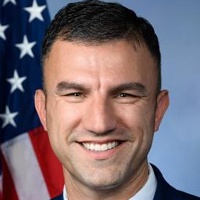
Rudy Yakym
Representative
IN
Rudy Yakym
Representative
IN
This resolution formally condemns the slogan "Globalize the Intifada" as a call for violence against Israeli and Jewish people worldwide. It cites the historical context of past Intifadas and recent antisemitic incidents to support this position. The bill urges all levels of U.S. leadership to publicly denounce the slogan.
The TRANS MICE Act prohibits federal funding for research on non-human vertebrates that involves interventions designed to alter the animal's body to not match its biological sex.
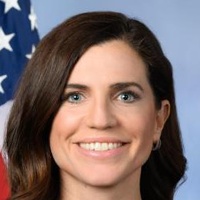
Nancy Mace
Representative
SC
Nancy Mace
Representative
SC
The TRANS MICE Act prohibits the use of federal funds for animal research that involves interventions like drugs or surgery intended to alter a non-human vertebrate animal's body to change its biological sex characteristics. This ban specifically targets research that disrupts natural development or physical appearance, while exempting animals that naturally change sex or possess both reproductive organs.
This act requires the CBO to score the long-term budget savings resulting from preventive healthcare measures when requested by key committee leaders.
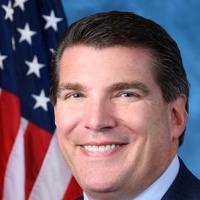
Jay Obernolte
Representative
CA
Jay Obernolte
Representative
CA
The Preventive Health Savings Act requires the Congressional Budget Office (CBO) to score the long-term budget savings resulting from preventive healthcare measures when requested by key congressional leaders. If savings are found, the CBO must include an estimate of these future reductions in its budget projections for the legislation. However, these supplementary savings estimates cannot be used to satisfy standard budget enforcement rules.
This Act prohibits lawsuits claiming discrimination based solely on the unintended, disproportionate statistical effect (disparate impact) of employment or housing practices.
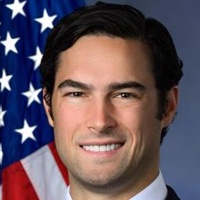
Brandon Gill
Representative
TX
Brandon Gill
Representative
TX
The Restoring Equal Opportunity Act aims to eliminate "disparate-impact liability" across major federal laws. This bill prohibits lawsuits claiming discrimination based solely on the unintended, disproportionate negative effect of a rule or practice. Consequently, it removes the ability to challenge employment and housing practices unless discriminatory intent can be proven. The Act also nullifies specific prior regulatory approvals related to civil rights enforcement.