Legislative Activity
Track Blake's sponsored bills, co-sponsored legislation, and voting record
This bill excludes restitution and civil damages awarded to human trafficking survivors from federal gross income for tax purposes.
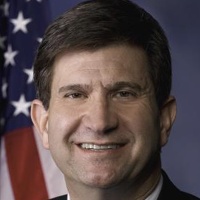
Bradley Schneider
Representative
IL
Bradley Schneider
Representative
IL
This bill, the Human Trafficking Survivor Tax Relief Act, amends the Internal Revenue Code to ensure that restitution and civil damages awarded to human trafficking survivors are excluded from their federal gross income. This provision aims to provide financial relief by preventing survivors from being taxed on the monetary compensation they receive for their recovery.
The SEMI Investment Act expands and extends the advanced manufacturing investment tax credit to cover facilities producing semiconductors, semiconductor equipment, and a broad range of qualifying semiconductor materials.
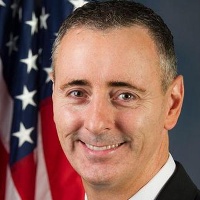
Brian Fitzpatrick
Representative
PA
Brian Fitzpatrick
Representative
PA
The SEMI Investment Act amends the Internal Revenue Code to expand and extend the advanced manufacturing investment credit. This legislation redefines "advanced manufacturing facility" to explicitly include facilities producing semiconductors, semiconductor equipment, and a broad range of qualifying semiconductor materials. Crucially, the bill extends the availability period for this investment credit through the end of 2031.
This bill reauthorizes key programs under the North Korean Human Rights Act of 2004, strengthens efforts to promote human rights and freedom of information in North Korea, and addresses the urgent need for family reunions for divided Korean Americans.
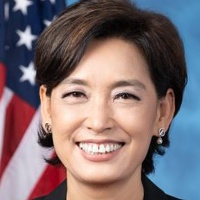
Young Kim
Representative
CA
Young Kim
Representative
CA
The North Korean Human Rights Reauthorization Act of 2025 seeks to continue and strengthen U.S. efforts to promote human rights and democracy in North Korea. The bill reauthorizes key programs and emphasizes the need to increase the flow of outside information into the isolated nation. It also urges China to cease forcibly repatriating North Korean refugees and calls for prioritizing family reunions for divided Korean Americans. Finally, the Act establishes new reporting requirements concerning U.S. human rights activities related to North Korea.
This bill implements the transfer and investment of frozen Russian sovereign assets into a dedicated Ukraine Support Fund, mandating regular aid disbursements and requiring diplomatic engagement with allies.
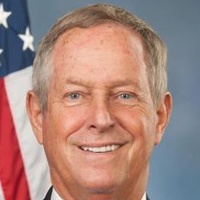
Joe Wilson
Representative
SC
Joe Wilson
Representative
SC
The REPO for Ukrainians Implementation Act of 2025 formally recognizes international calls to repurpose frozen Russian sovereign assets to aid Ukraine. This bill grants the President authority to transfer non-confiscated Russian assets into the Ukraine Support Fund, where they must be invested in U.S. government debt. Furthermore, the Secretary of State is mandated to obligate at least $250 million from the fund to Ukraine every quarter. The Act also requires the President to report on the location of these Russian assets globally and directs diplomatic efforts to encourage allies to contribute quarterly.
The ROOT Act modifies Medicare's tracking of appropriate use criteria for outpatient imaging by updating data collection requirements for clinical decision support systems and establishing new compliance monitoring for ordering physicians starting in 2026.
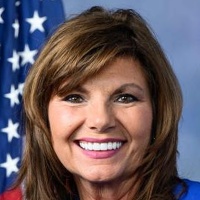
Diana Harshbarger
Representative
TN
Diana Harshbarger
Representative
TN
The Radiology Outpatient Ordering Transmission (ROOT) Act updates Medicare requirements for ordering advanced diagnostic imaging services. It mandates changes to how clinical decision support (CDS) systems report data directly to the government, starting in 2026. The bill also establishes new tracking mechanisms for identifying and reviewing "low compliant" ordering professionals. Finally, it provides specific exemptions to the consultation requirement for certain preventive scans and rural providers.
This bill prohibits the EPA from reallocating the renewable fuel obligations of small refineries granted exemptions, ensuring those volumes remain tied to the exempt facility while still counting toward the parent company's overall production for compliance calculations.
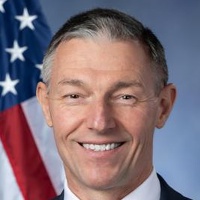
Mike Kennedy
Representative
UT
Mike Kennedy
Representative
UT
The Protect Consumers from Reallocation Costs Act of 2025 prohibits the EPA from reallocating the renewable fuel volume obligations of small refineries that receive exemption extensions. This ensures that the volume remains tied to the exempt refinery rather than being shifted to other obligated parties. Furthermore, the bill requires the EPA to count the fuel produced by an exempt small refinery when calculating the overall production obligations for its parent company.
This Act mandates the docking of pay for Members of Congress for each day a government shutdown occurs due to a failure to fund federal agencies.
Mike Kennedy
Representative
UT
Mike Kennedy
Representative
UT
The No Work, No Pay Act of 2025 mandates that Members of Congress will have their pay docked for each day a government shutdown occurs. This deduction is calculated based on one day's salary multiplied by the total number of shutdown days within a pay period. This provision applies to the One Hundred Twentieth Congress and all subsequent Congresses.
This bill adds eyeglass lens fittings to the list of medical services veterans can receive through the Veterans Community Care Program.
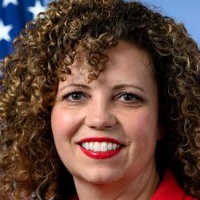
Celeste Maloy
Representative
UT
Celeste Maloy
Representative
UT
This bill amends the Veterans Community Care Program to officially include eyeglass lens fittings as a covered medical service provided by non-VA providers. It mandates that the VA quickly establish procedures to ensure veterans eligible for community care can easily access local providers for these fittings. The VA Secretary must report to Congress within 180 days on the implementation and impact of this new coverage.
This resolution honors the life and legacy of Charles "Charlie" James Kirk, condemns his assassination as political violence, and calls for a renewed commitment to civil discourse and American founding principles.

Mike Johnson
Representative
LA
Mike Johnson
Representative
LA
This resolution honors the life and legacy of Charles "Charlie" James Kirk, founder of Turning Point USA. It strongly condemns his assassination as an act of political violence. The bill calls for a renewed national commitment to civil discourse and the founding principles of the United States.
This Act streamlines the regulatory pathway for biosimilar biological products by clarifying interchangeability standards and updating related federal drug laws.
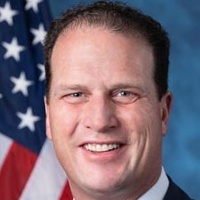
August Pfluger
Representative
TX
August Pfluger
Representative
TX
The Biosimilar Red Tape Elimination Act streamlines the regulatory pathway for biosimilar biological products by making technical and structural updates to existing law. This legislation clarifies when a biosimilar is automatically deemed "interchangeable" with its reference product, protecting existing exclusivity periods. Furthermore, it updates conforming language across federal drug laws and clarifies pediatric testing requirements for biosimilar applications.
This Act ensures that disability compensation or pension payments received by veterans are excluded when determining eligibility for low-income housing tax credits and residential rental project bonds.

Linda Sánchez
Representative
CA
Linda Sánchez
Representative
CA
The Fair Housing for Disabled Veterans Act ensures that veterans' disability compensation or pension payments are excluded when determining income eligibility for low-income housing tax credits and related rental project bonds. This change prevents veterans from being penalized for their service-related benefits when applying for affordable housing assistance. The Act takes effect immediately upon passage.
The PAAF Act grants automatic U.S. citizenship to certain internationally adopted individuals who meet specific residency and age requirements, clarifying and expanding existing pathways to citizenship.
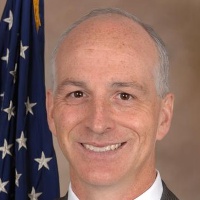
Adam Smith
Representative
WA
Adam Smith
Representative
WA
The Protect Adoptees and American Families Act (PAAF Act) aims to ensure that certain internationally adopted individuals automatically become U.S. citizens. This bill clarifies the requirements for automatic citizenship, particularly for adoptees who were physically present in the U.S. before turning 18. It also provides a pathway to citizenship for eligible adoptees residing abroad upon their legal entry into the United States.
This bill establishes the Presidents Council on Sports, Fitness, and Nutrition to advise the President on promoting youth physical activity and combating childhood obesity.
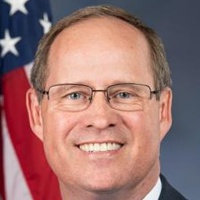
Gregory Murphy
Representative
NC
Gregory Murphy
Representative
NC
The Make America's Youth Healthy Again Act of 2025 establishes a new Presidents Council on Sports, Fitness, and Nutrition. This Council will advise the President on promoting physical activity and setting new national fitness goals for American youth. Its key responsibilities include recommending the return of the Presidential Fitness Award and developing strategies to combat childhood obesity. The Council is set to operate for two years unless the President extends its term.
This act amends the Fair Labor Standards Act to exclude direct sellers and qualified real estate agents from the definition of "employee."
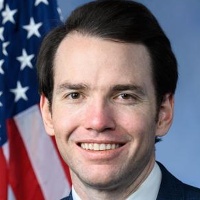
Kevin Kiley
Representative
CA
Kevin Kiley
Representative
CA
This act, the Direct Seller and Real Estate Agent Harmonization Act, amends the Fair Labor Standards Act to clarify employment status. Specifically, it excludes direct sellers and qualified real estate agents from the definition of "employee." This change aligns labor standards with existing IRS classifications for these professions.
This bill amends the Social Security Act to provide Medicare coverage for FDA-approved multi-cancer early detection screening tests starting in 2028.
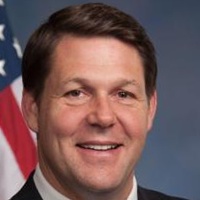
Jodey Arrington
Representative
TX
Jodey Arrington
Representative
TX
The Nancy Gardner Sewell Medicare Multi-Cancer Early Detection Screening Coverage Act amends the Social Security Act to provide Medicare Part B coverage for multi-cancer early detection screening tests starting January 1, 2028. This legislation establishes clear criteria for qualifying tests and outlines payment structures to ensure beneficiaries have access to these advanced diagnostic tools. Importantly, this coverage is designed to complement, rather than replace, existing Medicare-covered cancer screenings.
This Act ensures the automatic continuation of pay for active duty military personnel and essential civilian support staff if Congress fails to pass a budget for fiscal year 2026.
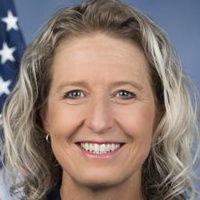
Jennifer Kiggans
Representative
VA
Jennifer Kiggans
Representative
VA
The Pay Our Troops Act of 2026 ensures that active duty military personnel and essential civilian support staff continue to receive their pay if Congress has not yet passed the full budget for fiscal year 2026. This act provides automatic continuing appropriations from the Treasury to prevent a lapse in military salaries due to budget delays. The funding automatically terminates once a new budget or continuing resolution is passed, or on January 1, 2027, whichever comes first.
This resolution condemns the assassination of Charlie Kirk and honors his life, legacy, and commitment to civil discourse.
Mike Kennedy
Representative
UT
Mike Kennedy
Representative
UT
This resolution condemns the assassination of conservative activist Charlie Kirk and extends condolences to his family. It honors his life and legacy, recognizing his founding of Turning Point USA and his commitment to encouraging civil discourse on college campuses.
The RESULTS Act reforms how Medicare determines payment rates for clinical diagnostic laboratory tests by mandating the use of comprehensive, real-world private payor claims data collected from an independent entity.
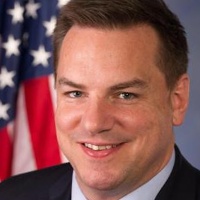
Richard Hudson
Representative
NC
Richard Hudson
Representative
NC
The Reforming and Enhancing Sustainable Updates to Laboratory Testing Services Act of 2025 (RESULTS Act) aims to improve Medicare payment rates for clinical lab tests by mandating the collection of more accurate, real-world payment data directly from large, independent private insurance claims databases. This legislation updates definitions, collection timelines, and calculation methods to ensure Medicare payments for widely available tests reflect current market rates. It also establishes default payment rules if sufficient private payor data cannot be secured.
This bill mandates a study on the energy impact of growing AI and data centers, especially in rural areas, and explores solutions for infrastructure and alternative power sources.
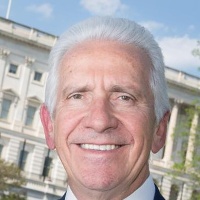
Jim Costa
Representative
CA
Jim Costa
Representative
CA
The Unleashing Low-Cost Rural AI Act mandates a comprehensive study by the Secretary of Energy to assess the impact of growing AI and data center infrastructure on the nation's energy supply. This study must specifically examine energy needs, alternative power sources, and consumer costs, with a special focus on frontier and remote areas. The goal is to identify supply gaps and explore ways to expedite necessary infrastructure permitting.
This bill excludes certain qualified payments received for wildfire-related losses and damages from gross income for federal tax purposes.
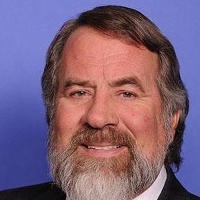
Doug LaMalfa
Representative
CA
Doug LaMalfa
Representative
CA
The Protect Innocent Victims of Taxation After Fire Extension Act ensures that certain qualified relief payments received by individuals for wildfire-related losses are excluded from their federal gross income. This provision applies to payments covering uninsured or underinsured expenses, damages, or lost wages resulting from federally declared forest or range fires. The tax exclusion is designed to prevent double benefits and is set to expire for payments received after December 31, 2032.