Legislative Activity
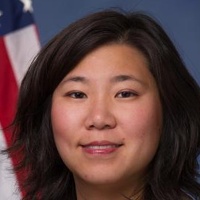
Track Grace's sponsored bills, co-sponsored legislation, and voting record
The Raise the Wage Act of 2025 gradually increases the federal minimum wage to \$17.00, phases out subminimum wages for tipped employees and workers with disabilities, and eliminates the subminimum wage for young workers.
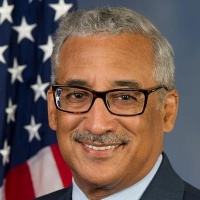
Robert Scott
Representative
VA
Robert Scott
Representative
VA
The Raise the Wage Act of 2025 establishes a phased increase of the federal minimum wage, culminating in a \$17.00 per hour rate five years after enactment, followed by automatic annual adjustments tied to median wage growth. This bill also phases out the lower minimum wage for tipped employees and workers under 20, ensuring they eventually earn the standard federal minimum wage. Furthermore, it sets a schedule to eliminate subminimum wages for individuals with disabilities and prohibits the issuance of new special certificates allowing for lower pay.
This Act establishes federal minimum standards for public employee collective bargaining rights, allowing states to maintain their own laws if they meet or exceed these standards, otherwise the Federal Labor Relations Authority will enforce federal rules.
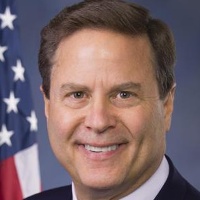
Donald Norcross
Representative
NJ
Donald Norcross
Representative
NJ
The Public Service Freedom to Negotiate Act of 2025 establishes federal minimum standards for collective bargaining rights for public employees across the nation. It requires the Federal Labor Relations Authority (FLRA) to review state laws to ensure they substantially provide these minimum rights, including the right to organize and bargain collectively. If a state fails to meet these standards, the FLRA will administer federal labor relations rules for the uncovered employees. The Act also prohibits strikes or lockouts that would measurably disrupt emergency or public safety services.
The No Tax Breaks for Union Busting Act denies businesses tax deductions for expenses incurred while influencing employees regarding union organization and activities.
Donald Norcross
Representative
NJ
Donald Norcross
Representative
NJ
The No Tax Breaks for Union Busting (NTBUB) Act aims to disallow businesses from deducting federal income taxes for expenses incurred while attempting to influence employees regarding union organization or activities. This change is intended to stop companies from subsidizing anti-union campaigns through tax write-offs. The bill also establishes new, significant reporting requirements and penalties for businesses and third-party consultants who engage in these influence expenditures.
This Act allows employees to fully deduct union dues above the line and restores the itemized deduction for certain other job-related business expenses.
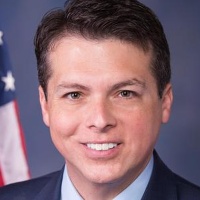
Brendan Boyle
Representative
PA
Brendan Boyle
Representative
PA
The Tax Fairness for Workers Act restores key federal tax deductions for employees, effective after 2024. This legislation makes union dues fully deductible "above the line," meaning they reduce Adjusted Gross Income without itemizing. Additionally, it allows itemizers to deduct certain other job-related business expenses that were previously limited.
This Act mandates the Department of Labor to establish and enforce comprehensive workplace violence prevention standards for healthcare and social service workers, while also tying compliance to Medicare funding for certain facilities.
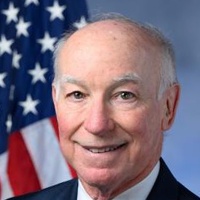
Joe Courtney
Representative
CT
Joe Courtney
Representative
CT
This Act mandates the Secretary of Labor to establish an interim and then a final standard requiring comprehensive workplace violence prevention plans for employers in the healthcare and social service sectors. These plans must be developed with employee input and detail risk assessments, hazard controls, reporting procedures, and annual training. Furthermore, the bill amends the Social Security Act to require Medicare-funded hospitals and skilled nursing facilities not covered by OSHA to comply with these new federal workplace violence prevention standards. The legislation also establishes clear definitions for workplace violence and includes strong anti-retaliation protections for employees who exercise their rights under the Act.
This Act imposes sweeping, mandatory sanctions, tariffs, and investment prohibitions on the Russian Federation and its affiliates until Russia negotiates a lasting peace with Ukraine.
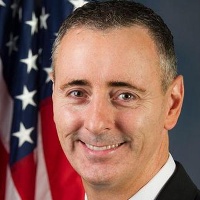
Brian Fitzpatrick
Representative
PA
Brian Fitzpatrick
Representative
PA
The Sanctioning Russia Act of 2025 imposes sweeping economic penalties on the Russian Federation in response to its aggression against Ukraine. This legislation mandates severe, immediate sanctions against key Russian officials, financial institutions, and energy sector entities, including asset freezes and trade prohibitions. Furthermore, the Act dramatically increases import duties on Russian goods and requires the President to review and reimpose these measures until Russia negotiates a lasting peace with Ukraine.
This Act establishes a program, managed by the Librarian of Congress, to create and disseminate educational resources countering denial of the Armenian Genocide.
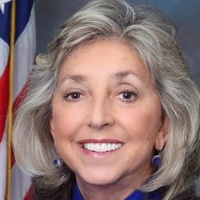
Dina Titus
Representative
NV
Dina Titus
Representative
NV
The Armenian Genocide Education Act establishes a program managed by the Librarian of Congress to develop and share educational resources combating denial of the 1915-1923 Armenian Genocide. This initiative will create online materials, train educators, and encourage the integration of accurate history into school curricula. The Act authorizes $2 million annually for five years to support these educational efforts aimed at promoting awareness and preventing future atrocities.
The Nutrition CARE Act of 2025 expands Medicare coverage to include medical nutrition therapy services provided by registered dietitians for beneficiaries diagnosed with an eating disorder, effective January 1, 2026.
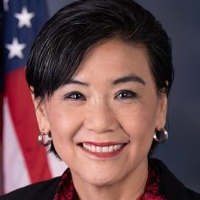
Judy Chu
Representative
CA
Judy Chu
Representative
CA
The Nutrition CARE Act of 2025 addresses the critical need for comprehensive eating disorder treatment under Medicare. This bill expands Medicare coverage to include essential medical nutrition therapy services for beneficiaries diagnosed with an eating disorder, starting January 1, 2026. It establishes initial and ongoing annual coverage limits for these crucial dietitian-led services, requiring a referral from a physician or psychologist. By covering this vital component of care, the Act aims to improve health outcomes and reduce the significant economic burden associated with these serious mental illnesses.
The Hunger-Free Future Act of 2025 mandates that any adjustment to the Thrifty Food Plan used for SNAP benefits cannot result in an increase in household food insecurity.
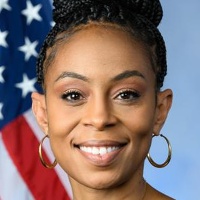
Shontel Brown
Representative
OH
Shontel Brown
Representative
OH
The Hunger-Free Future Act of 2025 mandates that any adjustment to the Thrifty Food Plan used for calculating SNAP benefits must not result in an increase in food insecurity. This ensures that updates to the cost of the food plan do not negatively impact households' ability to afford adequate nutrition.
This Act expands and reforms the Low-Income Home Energy Assistance Program (LIHEAP) to increase funding, simplify eligibility, mandate energy efficiency upgrades, and protect low-income families from high utility costs and shutoffs.
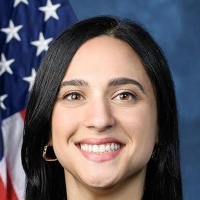
Yassamin Ansari
Representative
AZ
Yassamin Ansari
Representative
AZ
The Heating and Cooling Relief Act aims to significantly expand and modernize energy assistance for low-income families facing high utility costs and extreme weather. It increases funding for the Low-Income Home Energy Assistance Program (LIHEAP), streamlines eligibility requirements, and mandates that energy suppliers take steps to prevent shutoffs and eliminate late fees for recipients. Furthermore, the bill prioritizes using funds for weatherization and home retrofitting to reduce fossil fuel dependence and improve climate resilience for vulnerable households.
This bill designates numerous specific tracts of land across Utah as official Wilderness Areas to preserve their unique ecological, geological, and cultural values while establishing administrative rules for their management.
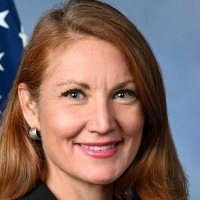
Melanie Stansbury
Representative
NM
Melanie Stansbury
Representative
NM
The America's Red Rock Wilderness Act focuses on designating numerous specific tracts of land across Utah as official Wilderness Areas, granting them the highest level of federal protection. This legislation aims to preserve the unique ecological, geological, and cultural values of these diverse landscapes from development. It also establishes administrative provisions for managing these new areas, including boundary definitions, water rights, and the continuation of existing uses like livestock grazing. Ultimately, the bill significantly expands protected wilderness in Utah while safeguarding critical natural and historical resources.
This bill authorizes specific funding levels for the United States to support the United Nations Population Fund (UNFPA) in its global efforts to improve sexual and reproductive health, reduce maternal mortality, and combat gender-based violence.
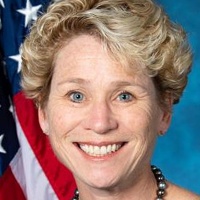
Chrissy Houlahan
Representative
PA
Chrissy Houlahan
Representative
PA
The Support UNFPA Funding Act authorizes specific funding levels for the United Nations Population Fund (UNFPA) for fiscal years 2026 and 2027. This legislation affirms that supporting UNFPA is in the U.S. strategic interest because it advances global health, reduces preventable maternal deaths, and combats gender-based violence. The bill emphasizes that UNFPA's work on voluntary family planning promotes stability and economic growth worldwide.
The Northern Rockies Ecosystem Protection Act of 2025 permanently protects vast tracts of public land, wildlife corridors, and rivers across five Western states while mandating ecological restoration and establishing rigorous monitoring protocols.
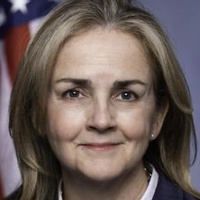
Madeleine Dean
Representative
PA
Madeleine Dean
Representative
PA
The Northern Rockies Ecosystem Protection Act of 2025 seeks to permanently safeguard vast public lands across five Western states by designating new wilderness areas, establishing critical wildlife corridors, and protecting numerous rivers as Wild and Scenic. The bill also mandates extensive ecological restoration in designated recovery zones and establishes rigorous scientific monitoring for the entire region. Furthermore, it explicitly protects existing Tribal rights and ensures that federal water claims remain unaffected by these new conservation mandates.
The SCREENS for Cancer Act of 2025 reauthorizes and updates the National Breast and Cervical Cancer Early Detection Program to enhance cancer prevention, reduce disparities, and ensure equitable access to screening services through increased funding and new reporting requirements.
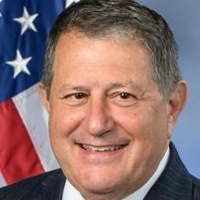
Joseph Morelle
Representative
NY
Joseph Morelle
Representative
NY
The **SCREENS for Cancer Act of 2025** seeks to reauthorize and update the National Breast and Cervical Cancer Early Detection Program (NBCCEDP). This legislation expands the program's focus to include cancer prevention and aims to reduce health disparities in screening access. The bill authorizes $235 million annually for fiscal years 2026 through 2030 and mandates a GAO study on program eligibility and service trends.
This Act removes existing restrictions and clarifies eligibility requirements for striking workers seeking Supplemental Nutrition Assistance Program (SNAP) benefits.
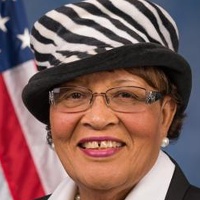
Alma Adams
Representative
NC
Alma Adams
Representative
NC
The Food Secure Strikers Act of 2025 aims to clarify and simplify eligibility rules for striking workers seeking Supplemental Nutrition Assistance Program (SNAP) benefits. This legislation removes outdated restrictions and clarifies the precise conditions under which participation in a labor strike affects a worker's SNAP eligibility. The goal is to streamline the existing law regarding striker access to food assistance.
This bill seeks to restore public faith in elections by imposing contribution limits on Super PACs to curb the influence of large donors and reduce the appearance of corruption.
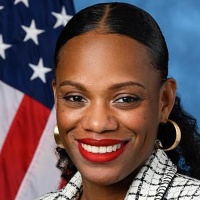
Summer Lee
Representative
PA
Summer Lee
Representative
PA
The Abolish Super PACs Act seeks to curb the influence of large, unlimited political donations by imposing new contribution limits on independent expenditure committees (Super PACs). Congress finds that uncapped spending has led to the appearance of corruption and damaged public trust in elections. This legislation aims to reduce the potential for corrupt deals and restore faith in the fairness of federal campaigns.
This Act raises the minimum age for Federal Firearms Licensees to sell certain semiautomatic rifles and shotguns to 21, with exceptions for qualified individuals aged 18-20, and mandates an FBI report on its public access line operations.
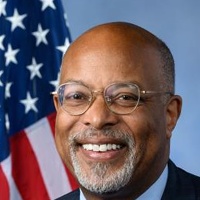
Glenn Ivey
Representative
MD
Glenn Ivey
Representative
MD
The Raise the Age Act of 2025 generally prohibits Federal Firearms Licensees from selling certain semiautomatic centerfire rifles or shotguns capable of holding magazines over five rounds to anyone under 21, with exceptions for qualified military or government personnel. The bill also maintains the existing minimum age of 18 for general firearm purchases, excluding the newly restricted categories. Finally, it mandates that the FBI Director report on the operational procedures of its public access line within 90 days of enactment.
This bill expands Medicare coverage under Part B to pay qualified home infusion suppliers for augmentation therapy kits and nursing services for Medicare beneficiaries with Alpha-1 Antitrypsin Deficiency Disorder who require emphysema treatment in their homes.
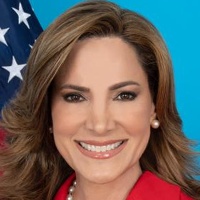
Maria Salazar
Representative
FL
Maria Salazar
Representative
FL
The John W. Walsh Alpha-1 Home Infusion Act of 2025 amends Medicare to specifically cover augmentation therapy for individuals with severe Alpha-1 Antitrypsin Deficiency Disorder when administered in the home. This legislation establishes new payment rules under Medicare Part B for the necessary intravenous kits and associated nursing services. The goal is to ensure qualified home infusion suppliers are reimbursed directly for providing this essential, ongoing maintenance treatment.
This resolution formally recognizes the persistent gender wage gap and reaffirms Congress's commitment to achieving pay equity.
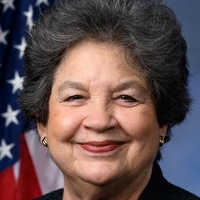
Lois Frankel
Representative
FL
Lois Frankel
Representative
FL
This resolution formally recognizes the significant and persistent wage gap between men and women in the United States, highlighting statistics that show women earn substantially less. It serves as a strong public statement reaffirming Congress's commitment to achieving pay equity. The measure does not enact new laws but emphasizes the economic harm caused by unequal pay for women and their families.
This bill imposes terrorism sanctions on the Popular Resistance Committees (PRC) for their role in the October 7th attacks and mandates a report on designating the PRC and the Lions Den as terrorist entities.
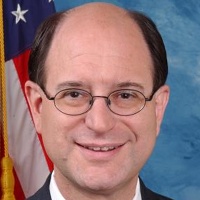
Brad Sherman
Representative
CA
Brad Sherman
Representative
CA
This Act imposes immediate sanctions, including asset freezes and visa bans, on the Popular Resistance Committees (PRC) for their involvement in terrorism, particularly the October 7th attacks. It also mandates a report from the Secretary of State on designating the Lions Den and the PRC as Specially Designated Global Terrorists. Furthermore, the bill requires ongoing reviews to identify and potentially sanction successor or affiliated terrorist groups.