Legislative Activity
Track Michael's sponsored bills, co-sponsored legislation, and voting record
The PAST Act of 2025 significantly strengthens the Horse Protection Act by increasing penalties, banning specific action devices, and mandating licensed inspectors to combat the practice of horse soring.
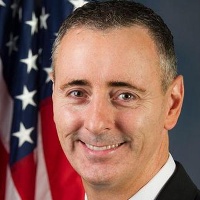
Brian Fitzpatrick
Representative
PA
Brian Fitzpatrick
Representative
PA
The PAST Act of 2025 significantly strengthens the Horse Protection Act to combat the painful practice of soring in specific horse breeds. This bill increases penalties for violations, establishes stricter licensing and oversight for inspectors, and explicitly bans the use of "action devices" designed to cause unnatural gaits. The legislation aims to enhance enforcement, ensure fairer competition, and hold violators accountable through increased fines and disqualifications.
The Rural Veterans Transportation to Care Act expands transportation grants to include rural areas, broadens eligible recipients, increases grant amounts, and removes funding limits to improve healthcare access for veterans.
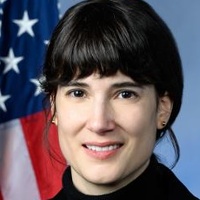
Marie Gluesenkamp Perez
Representative
WA
Marie Gluesenkamp Perez
Representative
WA
The Rural Veterans Transportation to Care Act expands the Department of Veterans Affairs' transportation grant program to include rural areas, not just highly rural ones. It broadens the range of eligible grant recipients to include county veterans service organizations and tribal organizations. The bill also increases the maximum grant amount to $60,000, with a possible increase to $80,000 for vehicle purchases needed to comply with the Americans with Disabilities Act and authorizes necessary funding by removing the previous funding limit.
The "Preventing Deep Fake Scams Act" establishes a task force to study and report on the use of artificial intelligence in the financial services sector, including its potential risks and benefits, and to recommend best practices and regulations to protect consumers from AI-enabled fraud.
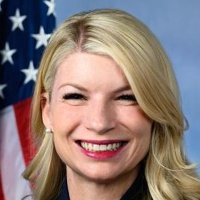
Brittany Pettersen
Representative
CO
Brittany Pettersen
Representative
CO
The "Preventing Deep Fake Scams Act" establishes a task force to study and report on the use of artificial intelligence in the financial services sector. The task force will assess both the benefits and potential risks, especially regarding deep fakes and their potential use in fraud and identity theft. The goal is to develop best practices and recommend legislation or regulations to protect consumers from AI-related financial crimes.
The Humane Cosmetics Act of 2025 bans cosmetic animal testing in the U.S., restricts the use of animal testing data, and sets penalties for violations, while also preventing states from enacting conflicting regulations.
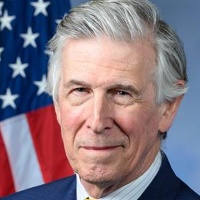
Donald Beyer
Representative
VA
Donald Beyer
Representative
VA
The Humane Cosmetics Act of 2025 bans cosmetic animal testing in the U.S. and restricts the use of animal testing data for cosmetic safety, with certain exceptions. It authorizes the Secretary of Health and Human Services to impose civil penalties for non-compliance and preempts states from enacting conflicting regulations. The Act defines key terms related to cosmetic animal testing and cosmetics.
The SAFE Act of 2025 amends existing law to include equines (horses) in the prohibition of slaughtering animals for human consumption.
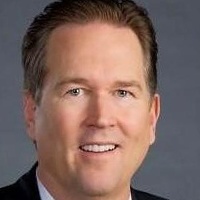
Vern Buchanan
Representative
FL
Vern Buchanan
Representative
FL
The SAFE Act of 2025 amends existing legislation to explicitly prohibit the slaughter of horses for human consumption, reinforcing protections for these animals. This bill seeks to prevent the inhumane treatment of American equines by closing loopholes that allow their slaughter and export for human consumption.
The "TOTAL Care Act" initiates a five-year pilot program within TRICARE Prime, enabling female beneficiaries to access obstetrical and gynecological care without referrals and potentially select a TRICARE OBGYN provider as an additional primary care manager.
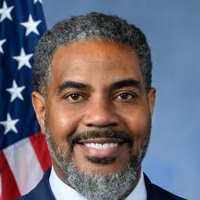
Steven Horsford
Representative
NV
Steven Horsford
Representative
NV
The TOTAL Care Act initiates a five-year pilot program within the TRICARE Prime program, allowing female beneficiaries to access obstetrical and gynecological care without needing a referral, including the option to select a TRICARE OBGYN provider as an additional primary care manager. Within four years, the Secretary of Defense must report to Congress on the program's impact on TRICARE Prime enrollment and costs.
The "Rectifying UDAAP Act" amends the Consumer Financial Protection Act of 2010 to refine the definitions and enforcement process for unfair, deceptive, or abusive acts or practices, including limitations on the CFPB's authority and new requirements for transparency and due process.
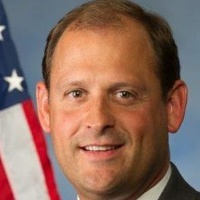
Garland Barr
Representative
KY
Garland Barr
Representative
KY
The Rectifying UDAAP Act amends the Consumer Financial Protection Act of 2010, modifying the rulemaking process for unfair, deceptive, or abusive acts or practices. It requires the CFPB to define "abusive act or practice," conduct cost-benefit analyses for new rules, and consider mitigating factors when assessing civil penalties. The act also sets new limitations and standards for the CFPB's enforcement authority, including where they can file enforcement actions, the clarity of their claims, and the remedies they can seek. Furthermore, it provides a notice and cure period for covered entities that self-report potential violations.
The "Grown in America Act of 2025" establishes a tax credit for businesses that use domestically produced agricultural commodities in their products, aiming to incentivize the use of American-grown ingredients.
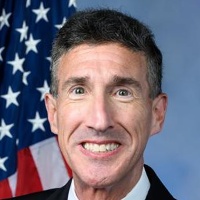
David Kustoff
Representative
TN
David Kustoff
Representative
TN
The "Grown in America Act of 2025" introduces a tax credit for businesses that use domestic agricultural commodities in their products for human consumption. This credit, capped at $100,000,000, aims to incentivize the use of U.S.-produced agricultural inputs by offering a tax benefit based on the percentage of domestic agricultural commodities used. The percentage of domestic inputs required to receive the full credit increases over time, with the Secretary of Agriculture maintaining a list of agricultural commodities that cannot be produced domestically. These provisions will be effective for taxable years starting after December 31, 2025.
This bill modifies the definition of "qualifying single source drug" under the Social Security Act to include certain advanced drugs using genetically targeted technology for a limited time.
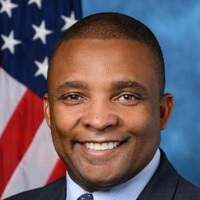
Donald Davis
Representative
NC
Donald Davis
Representative
NC
The "Maintaining Investments in New Innovation Act" amends the Social Security Act's definition of "qualifying single source drug" to include advanced drugs using genetically targeted technology. This update applies to drugs that can modify gene function, potentially impacting drug pricing and access regulations under the Act.
The "PLUS for Veterans Act of 2025" aims to protect veterans by clarifying who can assist with VA claims, regulating fees charged by agents and attorneys, and reinstating penalties for unauthorized charges.
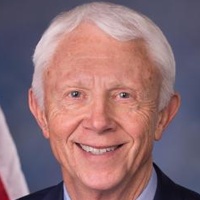
Jack Bergman
Representative
MI
Jack Bergman
Representative
MI
The PLUS for Veterans Act of 2025 aims to protect veterans by clarifying who can assist with VA claims, reinstating penalties for charging unauthorized fees, and ensuring fair representation. It requires agents and attorneys to apply for recognition, limits fees for initial claims, and mandates transparency regarding free services available to veterans. The Act also overrides conflicting state laws to ensure consistent enforcement of these protections.
Permanently allows individuals with health savings accounts (HSAs) to utilize telehealth services without needing to meet their deductible.
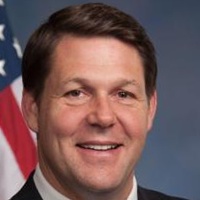
Jodey Arrington
Representative
TX
Jodey Arrington
Representative
TX
The "Telehealth Expansion Act of 2025" permanently allows individuals with Health Savings Accounts (HSAs) to access telehealth services without needing to meet their deductible first, starting after December 31, 2024. This removes a barrier to accessing telehealth services for HSA holders.
This Act directs the Architect of the Capitol to create, bury, and seal a time capsule on the U.S. Capitol grounds to commemorate the nation's 250th anniversary, to be opened in 2276.
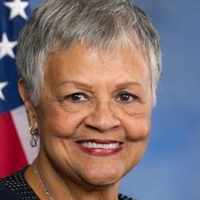
Bonnie Watson Coleman
Representative
NJ
Bonnie Watson Coleman
Representative
NJ
The Semiquincentennial Congressional Time Capsule Act directs the Architect of the Capitol to create and bury a time capsule on the U.S. Capitol grounds to commemorate the nation’s 250th anniversary. Curated by congressional leadership, the capsule will contain historical items and legislative milestones to be preserved for future generations. It is scheduled to be sealed on July 4, 2026, and reopened by Congress on July 4, 2276.
This bill directs the Joint Committee on the Library to procure and install a statue of Benjamin Franklin in the United States Capitol by the end of 2026.
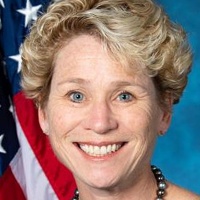
Chrissy Houlahan
Representative
PA
Chrissy Houlahan
Representative
PA
This bill directs the Joint Committee on the Library to procure a statue of Benjamin Franklin for permanent display within the United States Capitol. The statue is required to be acquired by the end of 2025 and installed in a publicly accessible location by December 31, 2026.
This resolution condemns the Iranian regime’s terrorism and human rights abuses while affirming support for the Iranian people’s right to establish a democratic, secular, and non-nuclear republic.
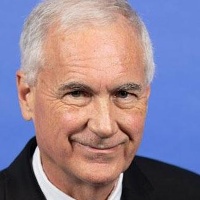
Tom McClintock
Representative
CA
Tom McClintock
Representative
CA
This resolution condemns the Iranian regime for its ongoing human rights abuses, state-sponsored terrorism, and regional instability. It expresses strong support for the Iranian people's struggle for a democratic, secular, and non-nuclear republic. Furthermore, the bill advocates for international accountability for the regime's crimes and calls for the protection of Iranian political refugees.
The TREATS Act amends the Controlled Substances Act to allow telehealth evaluations for prescribing certain medications for substance use disorder treatment.
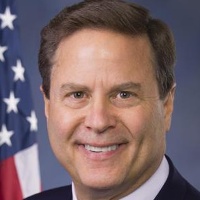
Donald Norcross
Representative
NJ
Donald Norcross
Representative
NJ
The TREATS Act amends the Controlled Substances Act to allow telehealth evaluations for prescribing certain controlled substances used in substance use disorder treatment. This removes the prior requirement for an in-person evaluation, enabling remote medical assessments via real-time audio-visual or audio-only communication, in accordance with federal and state laws. The goal of this bill is to increase access to treatment for substance use disorders.
The FIRE Cancer Act of 2025 would establish cancer prevention programs for firefighters, including early detection testing, and allocate funding for grants and a voluntary data sharing program to identify cancer trends.
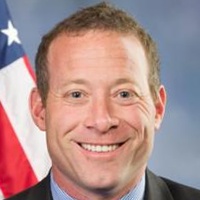
Josh Gottheimer
Representative
NJ
Josh Gottheimer
Representative
NJ
The FIRE Cancer Act of 2025 aims to improve cancer prevention among firefighters by establishing cancer prevention programs, including early detection testing. It allocates $700 million in grants for these programs. The bill also directs FEMA and the CDC to create a voluntary program for firefighters to share anonymized screening results to identify cancer trends and causes.
Extends preferential trade treatment for certain apparel imports from Haiti and restores eligibility for specific articles under the Caribbean Basin Economic Recovery Act until September 30, 2035.
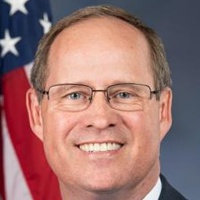
Gregory Murphy
Representative
NC
Gregory Murphy
Representative
NC
The Haiti Economic Lift Program Extension Act of 2025 extends preferential trade treatment to Haiti under the Caribbean Basin Economic Recovery Act until September 30, 2035. It clarifies eligibility for apparel articles containing U.S. fabric and restores preferential treatment for certain articles that were previously eligible. The Act aims to promote economic development in Haiti through trade benefits.
To award a Congressional Gold Medal to the 761st Tank Battalion, the first Black soldiers to serve in an American armored unit, for their valor and crucial contributions to the Allied victory in Europe.
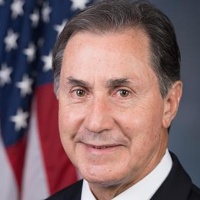
Gary Palmer
Representative
AL
Gary Palmer
Representative
AL
This bill authorizes the Speaker of the House and the President pro tempore of the Senate to award a Congressional Gold Medal to the 761st Tank Battalion, also known as the "Black Panthers," in recognition of their courageous service and crucial contributions during World War II. The medal will be given to the National Museum of African American History and Culture for display, honoring the 761st as the first Black soldiers to serve in an American armored unit and their significant role in the Allied victory in Europe. The bill also allows for the creation and sale of bronze duplicates of the medal to support the United States Mint Public Enterprise Fund.
This resolution establishes the procedural framework for the House to consider and vote on permitting parental remote voting by proxy.
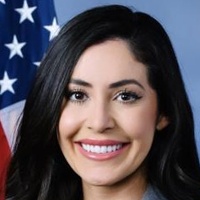
Anna Luna
Representative
FL
Anna Luna
Representative
FL
This resolution establishes the procedural framework for the House to immediately debate and vote on H. Res. 23, which proposes permitting parental remote voting by proxy. It outlines specific rules for floor debate and ensures the measure proceeds directly to a final vote. Additionally, the resolution temporarily waives standard procedural restrictions to allow for continued debate and amendments.
The "Voluntary Public Access Improvement Act of 2025" allocates \$150 million from 2025-2029 to improve public access to private lands for recreational activities, with \$3 million earmarked for enhancing access to wetland reserve easements.
Debbie Dingell
Representative
MI
Debbie Dingell
Representative
MI
The "Voluntary Public Access Improvement Act of 2025" allocates $150 million from 2025 to 2029 to improve public access to private lands for recreational purposes. It sets aside $3 million of this funding to specifically enhance access to lands covered by wetland reserve easements, through partnerships with state and tribal governments.