Legislative Activity
Track Mike's sponsored bills, co-sponsored legislation, and voting record
This act increases the annual and aggregate loan limits for Federal Direct Unsubsidized Stafford Loans for graduate and professional students, effective July 1, 2026.
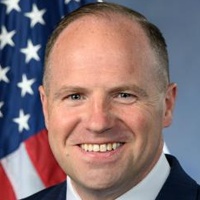
Timothy Kennedy
Representative
NY
Timothy Kennedy
Representative
NY
The Loan Equity for Advanced Professionals Act raises the federal student loan limits for graduate and professional students. Effective July 1, 2026, the annual borrowing limit for Federal Direct Unsubsidized Stafford Loans will increase to \$50,000, and the aggregate limit will rise to \$200,000. This aims to provide greater financial support for advanced degree candidates.
This bill exempts qualifying less-than-lethal projectile devices and their ammunition from federal excise taxes and the regulations of the National Firearms Act.
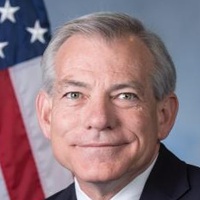
David Schweikert
Representative
AZ
David Schweikert
Representative
AZ
This bill exempts specific, carefully defined less-than-lethal projectile devices and their ammunition from the federal excise tax on firearms and ammunition. It also removes these qualifying devices from regulation under the National Firearms Act. The legislation establishes clear criteria, including velocity limits and design restrictions, to ensure the exemption applies only to tools intended for de-escalation rather than lethal force. Manufacturers can request official classification for their products to confirm eligibility for these tax and regulatory benefits.
This bill officially designates the U.S. Postal Service facility at 130 South Patterson Avenue in Santa Barbara, California, as the Brigadier General Frederick R. Lopez Post Office Building.
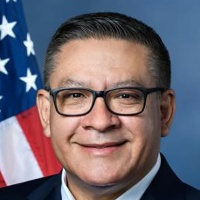
Salud Carbajal
Representative
CA
Salud Carbajal
Representative
CA
This bill officially designates the United States Postal Service facility located at 130 South Patterson Avenue in Santa Barbara, California, as the **Brigadier General Frederick R. Lopez Post Office Building**. This change ensures all federal records and documents will use the new name for this specific post office.
The HELP Copays Act mandates that financial assistance from non-profits and drug manufacturers must count toward a patient's deductible, copay, and out-of-pocket maximum for prescription drugs.
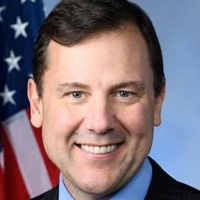
Thomas Kean
Representative
NJ
Thomas Kean
Representative
NJ
The HELP Copays Act requires that financial assistance provided by non-profit organizations and drug manufacturers must count toward a patient's deductible, copayments, and out-of-pocket maximums for prescription drugs. This change ensures that patient assistance dollars directly reduce the amount a patient must pay before their coverage fully kicks in. The legislation specifically applies to specialty drugs and those subject to utilization management. These provisions will take effect for plan years beginning on or after January 1, 2026.
This bill mandates a report on the feasibility of using emerging technologies to enhance internet freedom in Iran.
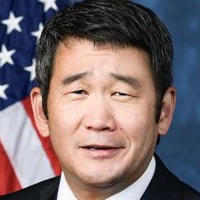
Dave Min
Representative
CA
Dave Min
Representative
CA
The Feasibility Review of Emerging Equipment for Digital Open Media Act (FREEDOM Act) mandates the Secretary of State to report on internet freedom in Iran. This report must assess the feasibility of using emerging technologies, like direct-to-cell wireless, to expand internet access. It will also analyze the impact of current drone and jamming technologies on these efforts.
The Dignity for Detained Immigrants Act establishes comprehensive standards, rigorous oversight, and new custody procedures to ensure humane treatment and due process for all noncitizens detained by the Department of Homeland Security, while phasing out for-profit detention facilities.

Pramila Jayapal
Representative
WA
Pramila Jayapal
Representative
WA
The Dignity for Detained Immigrants Act aims to overhaul immigration detention by establishing mandatory, high standards based on ABA guidelines and increasing transparency through rigorous, unannounced inspections. The bill prohibits the use of private, for-profit detention facilities within three years and ends the mandatory detention of most noncitizens, prioritizing release or community-based alternatives. Furthermore, it establishes new due process rights, including timely custody hearings, a presumption of release, and prohibitions on detaining children or using solitary confinement.
This act establishes a grant program to help colleges and universities create and operate dedicated Student Veteran Centers to support the academic and transitional success of student veterans.
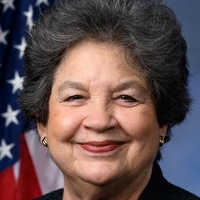
Lois Frankel
Representative
FL
Lois Frankel
Representative
FL
The Veteran Education Empowerment Act establishes a grant program to help colleges and universities create and operate dedicated Student Veteran Centers. These centers will serve as centralized hubs to coordinate academic support, transition services, and community building for student veterans. The bill authorizes funding for these grants, which can be used for establishing and operating the centers, with specific reporting requirements to track effectiveness.
The Mikaela Naylon Give Kids a Chance Act primarily focuses on enhancing pediatric drug research, ensuring completion of pediatric study requirements, extending incentives for rare pediatric disease treatments, and making targeted updates to FDA and organ transplant network operations.
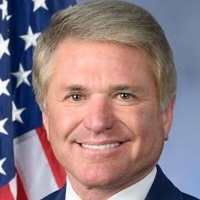
Michael McCaul
Representative
TX
Michael McCaul
Representative
TX
The Mikaela Naylon Give Kids a Chance Act focuses primarily on improving pediatric drug development and ensuring patient access to necessary treatments. This legislation mandates new research requirements for molecularly targeted pediatric cancer drugs, strengthens FDA enforcement of pediatric study completion, and extends incentives for developing drugs for rare pediatric diseases. Additionally, the bill updates organ transplant network functions and establishes an Abraham Accords Office within the FDA to enhance international regulatory cooperation.
The ADOPT Act of 2025 establishes federal crimes for unlawful adoption practices, such as using unlicensed intermediaries or making unauthorized payments, to protect families and prevent child commodification in private interstate adoptions.
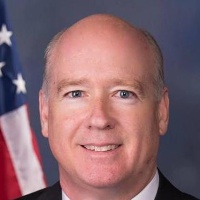
Robert Aderholt
Representative
AL
Robert Aderholt
Representative
AL
The ADOPT Act of 2025 aims to protect families and prevent the commodification of children in private domestic interstate adoptions. It establishes new federal crimes for unlicensed intermediaries who illegally solicit placements or make unauthorized payments to placing parents. The legislation ensures access to licensed and regulated adoption providers by creating clear exceptions for authorized professionals and agencies.
This Act mandates FERC to modernize and standardize electric utility reporting, establishes a centralized, public data repository, and directs research and a public dashboard to analyze grid expansion costs and interconnection processes.
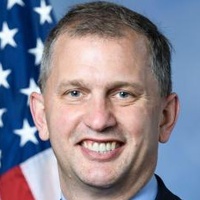
Sean Casten
Representative
IL
Sean Casten
Representative
IL
The Grid Research and Development Act mandates the Federal Energy Regulatory Commission (FERC) to modernize and standardize how electric utilities report detailed data on transmission projects, costs, and operations. This law establishes a centralized, publicly accessible data repository, managed by FERC and the EIA, to make this information searchable and machine-readable. Furthermore, it directs the Secretary of Energy to conduct research and develop a public dashboard to analyze grid expansion costs, interconnection efficiency, and overall system performance for improved affordability and planning.
This act caps the interest rate at 6% for student loans servicemembers consolidate or refinance during their military service.
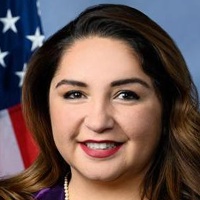
Delia Ramirez
Representative
IL
Delia Ramirez
Representative
IL
The Servicemember Student Loan Affordability Act of 2025 extends existing protections by imposing a 6% interest rate cap on new loans servicemembers take out to consolidate or refinance pre-existing student debt during their military service. This amendment specifically targets the refinancing of prior student loans, ensuring servicemembers do not face excessive interest rates on this debt while serving. The bill clarifies that this cap only applies when the refinancing exclusively covers eligible student loans.
This bill, the Tax Cuts for Veterans Act of 2025, excludes all military retirement and disability benefits from federal income tax.
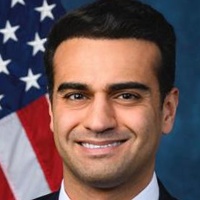
Abraham Hamadeh
Representative
AZ
Abraham Hamadeh
Representative
AZ
This bill, the Tax Cuts for Veterans Act of 2025, aims to provide significant financial relief to service members and veterans. It proposes to exclude all military retirement pay and disability benefits from federal income tax. The legislation specifically covers benefits received by members of the U.S. Armed Forces and makes related provisions for other uniformed services.
This Act prohibits discrimination based on religion, sex, or marital status in federally funded child welfare services to improve outcomes for all children, especially LGBTQ youth.
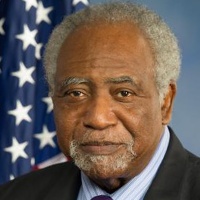
Danny Davis
Representative
IL
Danny Davis
Representative
IL
The John Lewis Every Child Deserves a Family Act prohibits discrimination based on religion, sex, or marital status in federally funded child welfare services. This aims to increase the number of stable, family-like placements for children, especially for LGBTQ youth who are overrepresented in foster care. The bill mandates federal guidance, training, and data collection to improve safety and well-being outcomes for all children involved in the system.
This Act establishes mandatory, standardized annual scorecards for electricity transmission entities, detailing performance metrics on interconnection, investment, and reliability, to be made publicly available and subject to independent verification.
Sean Casten
Representative
IL
Sean Casten
Representative
IL
The Electricity Transmission Scorecard Act mandates that major electricity transmission entities annually report detailed performance data to FERC and the EIA. This data, covering interconnection queues, project development, and system performance, will be made publicly available via an online portal. The goal is to create standardized transparency to improve accountability, reliability, and affordability across the national transmission system. FERC is also required to periodically review and update these scorecard metrics with stakeholder input.
This act ensures the uninterrupted storage of National Oceanic and Atmospheric Administration (NOAA) data sets by restricting the Secretary of Commerce's ability to cancel cloud service contracts without a transition plan.
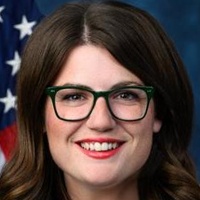
Sarah Elfreth
Representative
MD
Sarah Elfreth
Representative
MD
The NOAA Data Preservation Act aims to ensure the uninterrupted storage of critical National Oceanic and Atmospheric Administration (NOAA) data sets. This legislation restricts the Secretary of Commerce from canceling cloud storage contracts unless a comprehensive plan for seamless data transition and protection is established in collaboration with NOAA. The bill focuses on maintaining continuous access to vital environmental data.
The EXPERTS Act of 2025 aims to reform federal rulemaking by increasing transparency around submitted studies, establishing new disclosure requirements for conflicts of interest, streamlining agency review timelines, and creating an Office of the Public Advocate focused on social equity.
Pramila Jayapal
Representative
WA
Pramila Jayapal
Representative
WA
The EXPERTS Act of 2025 aims to enhance transparency and accountability in the federal rulemaking process. It introduces new disclosure requirements for studies submitted during public comment periods and mandates greater public awareness of agency actions. Furthermore, the bill establishes the Office of the Public Advocate to improve public involvement and explicitly requires agencies to consider social equity in their cost-benefit analyses. Finally, it streamlines the Office of Information and Regulatory Affairs (OIRA) review timeline and clarifies judicial review standards for agency interpretations.
The First Responders’ Care Expansion Act of 2025, or FORCE Act, establishes an early Medicare enrollment option at age 57 for eligible first responders with at least ten years of service.
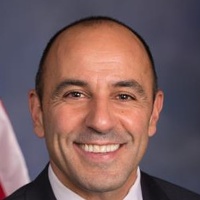
Jimmy Panetta
Representative
CA
Jimmy Panetta
Representative
CA
The First Responders’ Care Expansion Act of 2025, or FORCE Act, establishes an early enrollment option for Medicare coverage for eligible first responders starting at age 57, provided they have ten or more years of service. This allows qualified individuals to access standard Medicare benefits (Parts A, B, and D) years before the traditional age of 65. Premiums paid under this option will be deposited into a newly created Medicare First Responder Trust Fund. The Act also mandates revisions to Medigap standards to ensure guaranteed acceptance for these early enrollees.
This bill officially renames the United States Postal Service facility at 28201 Franklin Parkway in Santa Clarita, California, as the "Deputy Ryan Clinkunbroomer Post Office Building."
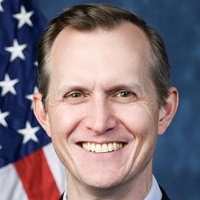
George Whitesides
Representative
CA
George Whitesides
Representative
CA
This bill officially designates the United States Postal Service facility at 28201 Franklin Parkway in Santa Clarita, California, as the "Deputy Ryan Clinkunbroomer Post Office Building." The legislation ensures that all future official references to this location will use the new name.
This bill establishes sanctions against foreign individuals responsible for human rights violations against LGBTQI people and mandates enhanced tracking and reporting of such abuses in annual human rights reports.
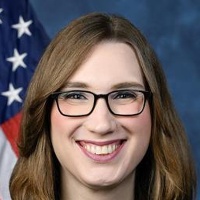
Sarah McBride
Representative
DE
Sarah McBride
Representative
DE
The Global Respect Act aims to promote and protect the human rights of LGBTQI individuals worldwide. It mandates the President to identify and report foreign persons responsible for human rights violations against LGBTQI people, leading to their inadmissibility to the United States. Furthermore, the Act requires enhanced tracking and reporting of violence and discrimination targeting individuals based on sexual orientation, gender identity, or sex characteristics in the annual human rights reports.
This bill authorizes the minting and sale of commemorative gold, silver, and clad coins in 2029 to celebrate the history and contributions of the United States Foreign Service, with surcharges benefiting the Association for Diplomatic Studies and Training.
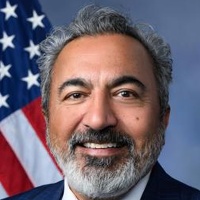
Ami Bera
Representative
CA
Ami Bera
Representative
CA
This Act authorizes the Secretary of the Treasury to mint and issue a series of commemorative gold, silver, and clad coins in 2029 to celebrate the centennial of the United States Foreign Service. The coins will feature designs representing the importance of American diplomacy and the contributions of the Foreign Service. All surcharges collected from the sale of these coins will be paid to the Association for Diplomatic Studies and Training to support its historical preservation work. The Treasury must ensure that the minting and issuance of these coins result in no net cost to the U.S. government.