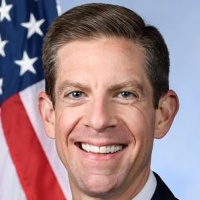
Legislative Activity
Track Mike's sponsored bills, co-sponsored legislation, and voting record
The Wildlife Movement Through Partnerships Act of 2025 establishes grant programs and interagency coordination to conserve, map, and improve habitat connectivity for migratory big game and other native wildlife.
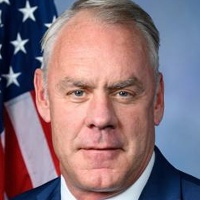
Ryan Zinke
Representative
MT
Ryan Zinke
Representative
MT
The Wildlife Movement Through Partnerships Act of 2025 establishes grant and research programs to improve habitat connectivity and conserve migration corridors for big game and other native wildlife. By fostering collaboration between federal, state, tribal, and private partners, the bill provides funding for voluntary conservation projects and scientific mapping efforts. The legislation ensures these initiatives remain non-regulatory, protecting private property rights and existing land-use authorities while enhancing wildlife movement across the landscape.
This bill amends the Harmful Algal Bloom and Hypoxia Research and Control Act of 1998 to expand federal research, monitoring, and mitigation efforts for harmful algal blooms and hypoxia events across marine and freshwater systems.
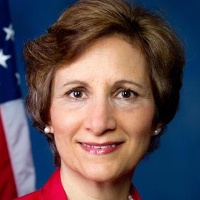
Suzanne Bonamici
Representative
OR
Suzanne Bonamici
Representative
OR
The Harmful Algal Bloom and Hypoxia Research and Control Amendments Act of 2025 strengthens federal efforts to monitor, forecast, and mitigate harmful algal blooms and hypoxia events across marine, estuarine, and freshwater systems. The bill establishes a permanent national program, creates a new technology incubator for bloom control, and enhances coordination between NOAA, the EPA, and tribal and local partners. Additionally, it expands research priorities and improves the process for declaring and responding to events of national significance to better protect public health, food security, and local economies.
The Assuring Medicare’s Promise Act of 2025 strengthens the Medicare Hospital Insurance Trust Fund by expanding the net investment income tax and directing its revenue toward long-term program solvency.

Lloyd Doggett
Representative
TX
Lloyd Doggett
Representative
TX
The Assuring Medicare’s Promise Act of 2025 aims to strengthen the Medicare Hospital Insurance Trust Fund by redirecting revenue from the net investment income tax directly to the program. Additionally, the bill expands the scope of this tax for high-income earners by including certain trade or business income and foreign earnings in the tax base. These measures are designed to improve the long-term financial stability of Medicare starting in 2026.
The BEACH Act of 2025 expands coastal water quality monitoring, authorizes funding through 2029, and requires the EPA to incorporate the latest testing technologies into its guidance.
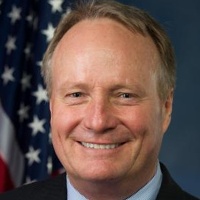
David Joyce
Representative
OH
David Joyce
Representative
OH
The BEACH Act of 2025 strengthens coastal water safety by expanding monitoring requirements to include upstream waters and public beach access points. The bill provides $30 million in annual funding through 2029 to support these efforts and allows states to use grants to identify specific sources of contamination. Additionally, it mandates that the EPA incorporate the latest testing technologies into its guidance for state and local water quality programs.
This Act permanently protects the Boundary Waters Canoe Area Wilderness by withdrawing over 225,000 acres of federal land in the Rainy River Watershed from future mineral leasing and sulfide-ore mining.
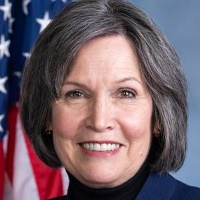
Betty McCollum
Representative
MN
Betty McCollum
Representative
MN
The Boundary Waters Wilderness Protection and Pollution Prevention Act permanently protects over 225,000 acres of federal land and water in Minnesota’s Rainy River Watershed from the risks of sulfide-ore copper mining. By withdrawing these lands from mineral leasing and development, the bill safeguards the region’s pristine water quality, wilderness values, and treaty-protected resources. This legislation ensures the long-term ecological integrity of the Boundary Waters Canoe Area Wilderness and supports the local amenity-based economy.
The Cleaner Air Spaces Act of 2025 authorizes EPA grants to help local and Tribal agencies provide free air filtration units and establish clean air centers for vulnerable, low-income communities at risk from wildland fire smoke.
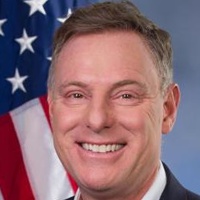
Scott Peters
Representative
CA
Scott Peters
Representative
CA
The Cleaner Air Spaces Act of 2025 authorizes the EPA to provide grants to air pollution control agencies for the establishment of community-based clean air centers and the distribution of free air filtration units to vulnerable, low-income households. This program aims to protect public health during wildland fire smoke events by improving indoor air quality and providing essential educational resources.
The Saving the Civil Service Act protects the merit-based federal workforce by restricting the ability of agencies to reclassify competitive service positions into the excepted service.

Gerald Connolly
Representative
VA
Gerald Connolly
Representative
VA
The Saving the Civil Service Act protects the merit-based federal workforce by restricting the ability of agencies to reclassify competitive service positions into the excepted service. The bill establishes strict oversight, limits the number of positions that can be transferred, and mandates employee consent for such reclassifications. These measures ensure that federal staffing remains professional and protected from arbitrary political interference.
This act mandates sanctions against any foreign individuals or entities that threaten the safety or operational control of Ukraine’s Zaporizhzhia Nuclear Power Station.
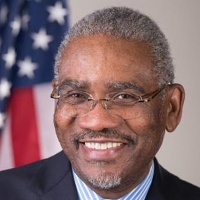
Gregory Meeks
Representative
NY
Gregory Meeks
Representative
NY
The Sanction Russian Nuclear Safety Violators Act of 2025 mandates sanctions against any foreign individuals or entities that threaten the safety or operational control of Ukraine’s Zaporizhzhia Nuclear Power Station. These measures include asset freezes and travel restrictions for those involved in undermining the facility's integrity. The bill aims to hold accountable those responsible for endangering the plant while providing exceptions for humanitarian aid and efforts to restore Ukrainian control.
The FAIR Act mandates a 3.3 percent basic pay increase and a 1 percent locality pay adjustment for federal civilian employees in 2026.
Gerald Connolly
Representative
VA
Gerald Connolly
Representative
VA
The FAIR Act (Federal Adjustment of Income Rates Act) proposes a 2026 pay adjustment for federal civilian employees. This legislation mandates a 3.3 percent increase in basic pay for both statutory and prevailing rate employees, alongside a 1 percent increase in locality pay.
The Equal COLA Act amends federal law to ensure Federal Employees Retirement System (FERS) annuities receive full annual cost-of-living adjustments regardless of the annuity's start date.
Gerald Connolly
Representative
VA
Gerald Connolly
Representative
VA
The Equal COLA Act amends the Federal Employees Retirement System (FERS) to ensure that retirees receive the full annual cost-of-living adjustment (COLA). This legislation eliminates current discrepancies in calculation methods, providing federal annuitants with a COLA that matches the full percentage change in the price index.
This bill increases the railroad track maintenance tax credit, introduces annual inflation adjustments, and extends the eligibility period for qualifying expenditures.
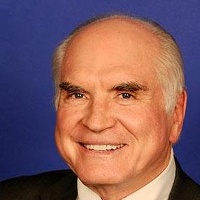
Mike Kelly
Representative
PA
Mike Kelly
Representative
PA
This bill amends the Internal Revenue Code to expand the railroad track maintenance credit by increasing the per-mile tax credit to $6,100 and implementing annual inflation adjustments starting in 2026. It also extends the eligibility window for qualifying maintenance expenditures to include costs incurred through 2023. These updates aim to provide greater financial support for ongoing railroad infrastructure improvements.
This bill amends the International Emergency Economic Powers Act to prohibit the President from using emergency authorities to impose import duties or quotas.

Suzan DelBene
Representative
WA
Suzan DelBene
Representative
WA
The Prevent Tariff Abuse Act amends the International Emergency Economic Powers Act to restrict the President's authority to impose import duties or quotas. This bill clarifies that emergency economic powers do not include the ability to levy trade restrictions on goods entering the United States.
The SALT Deductibility Act repeals the $10,000 federal cap on state and local tax (SALT) deductions, effective for tax years beginning after 2024.
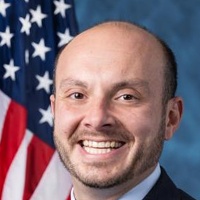
Andrew Garbarino
Representative
NY
Andrew Garbarino
Representative
NY
The SALT Deductibility Act aims to provide tax relief by repealing the current $10,000 federal cap on state and local tax (SALT) deductions. This legislation would allow taxpayers to fully deduct their state and local tax payments from their federal income taxes starting in the 2025 tax year.
The LNG Public Interest Determination Act of 2025 mandates that the Secretary of Energy conduct rigorous climate, economic, and environmental justice assessments before authorizing any natural gas exports to ensure they align with the public interest.
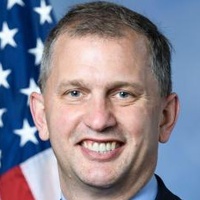
Sean Casten
Representative
IL
Sean Casten
Representative
IL
The LNG Public Interest Determination Act of 2025 mandates that the Secretary of Energy approve natural gas exports only after a rigorous public interest review. This process requires comprehensive climate, economic, and environmental justice assessments to ensure that exports do not negatively impact U.S. consumer prices, global climate goals, or vulnerable communities. Additionally, the bill eliminates previous regulatory exemptions, ensuring all export authorizations undergo full environmental review under the National Environmental Policy Act.
The End Oil and Gas Tax Subsidies Act of 2025 eliminates various tax breaks, deductions, and accounting advantages for the oil and gas industry to increase federal revenue and modernize tax policy.
Sean Casten
Representative
IL
Sean Casten
Representative
IL
The End Oil and Gas Tax Subsidies Act of 2025 seeks to eliminate various tax preferences and accounting benefits currently available to the oil and gas industry. The bill repeals several deductions, credits, and accounting methods—such as percentage depletion and intangible drilling cost deductions—to increase tax revenue from fossil fuel producers. These changes are designed to align the tax treatment of oil and gas activities more closely with other business sectors starting in 2025.
The TRUST in Congress Act requires Members of Congress, their spouses, and their dependent children to place certain investment assets into qualified blind trusts to prevent conflicts of interest.
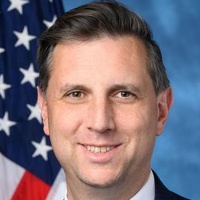
Seth Magaziner
Representative
RI
Seth Magaziner
Representative
RI
The TRUST in Congress Act requires Members of Congress, their spouses, and their dependent children to place covered financial investments into qualified blind trusts to prevent conflicts of interest. The bill establishes strict deadlines for asset transfers and mandates public certification of compliance. These measures ensure that lawmakers cannot influence or benefit from their personal investments while serving in office.
Goldie’s Act strengthens the Animal Welfare Act by mandating more frequent USDA inspections, requiring the prompt confiscation of suffering animals, and increasing financial penalties for violators.

Nicole Malliotakis
Representative
NY
Nicole Malliotakis
Representative
NY
Goldie’s Act strengthens the Animal Welfare Act by mandating more rigorous USDA inspections and requiring the prompt confiscation of animals suffering from neglect. The bill increases financial penalties for violators, ensures the immediate sharing of violation records with local law enforcement, and establishes stricter oversight to prevent future animal abuse.
Allows Members of the House of Representatives, Delegates, and the Resident Commissioner to designate a proxy to vote on their behalf in the House, in committee, and in the Committee of the Whole for a period of 12 weeks following the birth of a child or in the event of a pregnancy-related serious medical condition.
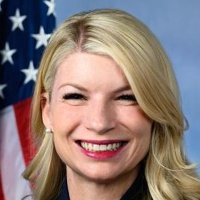
Brittany Pettersen
Representative
CO
Brittany Pettersen
Representative
CO
The "Proxy Voting for New Parents Resolution" allows Members of the House, Delegates, and the Resident Commissioner who have recently given birth or whose spouse has given birth to designate another Member to vote on their behalf in the House, in committee, and in the Committee of the Whole for a period of 12 weeks. This proxy voting authority can begin before the birth if a doctor advises that the pregnancy presents a serious medical condition or that she is unable to travel safely. The resolution outlines specific procedures for designating, changing, and revoking proxy designations, ensuring transparency and adherence to instructions. Members whose votes are cast by proxy will not be counted for quorum purposes.
This bill proposes a constitutional amendment to limit the President's pardon power, prohibiting pardons for themselves, their relatives, administration members, campaign employees, or anyone who benefited them financially or acted at their direction; it also invalidates pardons issued for corrupt purposes and grants Congress the power to enforce these limitations.

Steve Cohen
Representative
TN
Steve Cohen
Representative
TN
This proposed constitutional amendment limits the President's pardon power, prohibiting pardons for themselves, their family, administration members, campaign employees, or anyone who financially benefited the aforementioned. It also restricts pardons for offenses directed by or coordinated with the President. Pardons issued for corrupt purposes would be invalid, and Congress is granted the power to enforce these limitations.
This bill prohibits Members of Congress, their spouses, and their dependents from owning or trading individual stocks and other financial assets to prevent conflicts of interest.
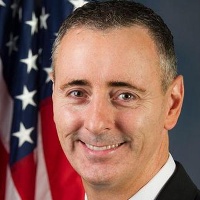
Brian Fitzpatrick
Representative
PA
Brian Fitzpatrick
Representative
PA
The Bipartisan Restoring Faith in Government Act prohibits Members of Congress, their spouses, and their dependents from owning or trading individual stocks, commodities, and other specified financial instruments. To comply, covered individuals must divest these assets or place them into a qualified blind trust. The bill establishes strict oversight, reporting requirements, and civil penalties for non-compliance to prevent conflicts of interest.