Legislative Activity
Track Susie's sponsored bills, co-sponsored legislation, and voting record
This Act requires explicit Congressional approval via a joint resolution, with specific supermajority requirements, before the United States can conduct any explosive nuclear testing.
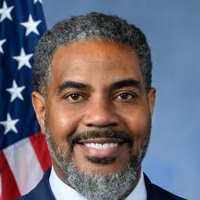
Steven Horsford
Representative
NV
Steven Horsford
Representative
NV
The No Nuclear Testing Without Approval Act prohibits the United States from conducting any explosive nuclear testing unless a foreign state tests first or a technical need is certified. If testing is proposed, the President must submit a detailed notification to Congress at least 180 days in advance. Ultimately, Congress must enact a joint resolution of approval into law, which requires a two-thirds affirmative vote in the Senate.
This resolution urges the USDA to use its contingency funds and interchange authority to ensure continued funding for the Supplemental Nutrition Assistance Program (SNAP), especially during potential government shutdowns.
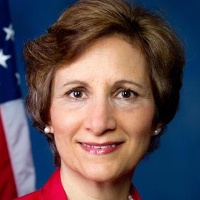
Suzanne Bonamici
Representative
OR
Suzanne Bonamici
Representative
OR
This resolution expresses the sense of the House that the Department of Agriculture should utilize its existing contingency funds and interchange authority to ensure the Supplemental Nutrition Assistance Program (SNAP) remains fully funded. The bill specifically urges the administration to immediately use these resources to finance SNAP operations, particularly during potential government funding lapses. This action is deemed crucial to support millions of vulnerable Americans, including children, seniors, and veterans, who rely on these benefits.
This Act establishes new regulations and serial number requirements for tableting and encapsulating machines and their critical parts to combat illicit drug manufacturing.
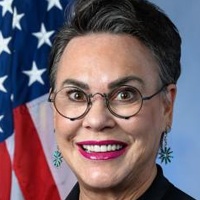
Harriet Hageman
Representative
WY
Harriet Hageman
Representative
WY
The Fight Illicit Pill Presses Act amends the Controlled Substances Act to regulate equipment used in illicit drug manufacturing. This legislation requires manufacturers and distributors of tableting and encapsulating machines, and their critical parts, to apply permanent serial numbers to these items. The bill also prohibits the removal or alteration of these required serial numbers.
This resolution officially congratulates the Las Vegas Aces on winning the 2025 WNBA Championship, recognizing their record-breaking season and historic achievements.
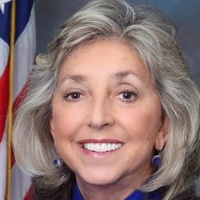
Dina Titus
Representative
NV
Dina Titus
Representative
NV
This resolution officially congratulates the Las Vegas Aces on winning the 2025 Women's National Basketball Association (WNBA) Finals. It celebrates their dominant performance, including sweeping the Phoenix Mercury, and recognizes the contributions of the players and organization leadership. The bill also highlights the team's record-setting regular season and Aja Wilson's historic MVP win.
This Act mandates recordkeeping for distributors of highly pathogenic agents and requires strategic evaluations and new standards for high-containment laboratories to protect public health and national security.
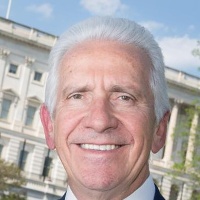
Jim Costa
Representative
CA
Jim Costa
Representative
CA
The Preventing Illegal Laboratories and Protecting Public Health Act of 2025 establishes new federal requirements for tracking the transfer of highly pathogenic biological agents by requiring distributors to maintain detailed sales logs. It also mandates a comprehensive, ongoing evaluation of all high-containment laboratories (BSL-3 and above) to assess national biosafety and biosecurity readiness. The bill further directs the creation of a centralized team to coordinate oversight and provide resources to state and local agencies regarding lab safety. Finally, it requires a study on establishing a national database of these high-containment facilities.
This bill mandates that the House of Representatives convene daily during a government shutdown, requiring recorded quorum calls with fines for non-attendance.
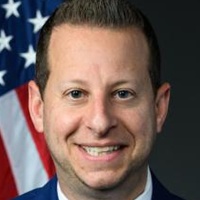
Jared Moskowitz
Representative
FL
Jared Moskowitz
Representative
FL
This bill mandates that the House of Representatives must convene daily during a government shutdown, limiting their ability to adjourn. It requires recorded quorum calls on session days, imposing escalating fines on members who fail to check in electronically for two consecutive days. These fines must be paid by the member personally, with procedures established for appeals and automatic salary deduction for non-payment.
This resolution condemns the October 7th Hamas attacks, demands the immediate and unconditional surrender of Hamas and the release of all hostages, and reaffirms support for Israel's right to self-defense while condemning global antisemitism.
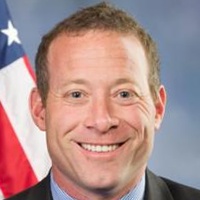
Josh Gottheimer
Representative
NJ
Josh Gottheimer
Representative
NJ
This resolution strongly condemns the brutal October 7th attacks by Hamas, demanding the immediate and unconditional surrender of the terrorist group and the release of all hostages, including Americans. It reaffirms Israel's right to self-defense while urging international action against Hamas and condemning the global surge in antisemitism. The measure serves as a formal statement of U.S. policy and support following the attacks.
The Co-Location Energy Act streamlines the process for developing solar and wind energy projects on federal lands already covered by existing energy leases, contingent upon the current leaseholder's consent.
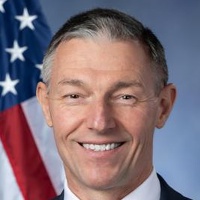
Mike Kennedy
Representative
UT
Mike Kennedy
Representative
UT
The Co-Location Energy Act aims to streamline the development of solar and wind energy projects by allowing them to be built on federal land already covered by existing energy leases. This process requires the explicit permission of the current leaseholder for both site evaluation and project permitting. Furthermore, the Act directs the Secretary of the Interior to expedite environmental reviews for certain renewable energy activities on these sites.
This resolution expresses support for National Public Lands Day, encouraging Americans to visit public lands on the fee-free day to recognize their cultural and economic value.
Dina Titus
Representative
NV
Dina Titus
Representative
NV
This resolution officially expresses support for National Public Lands Day, recognizing the vast spiritual, cultural, and economic value of America's public lands. It encourages all citizens to visit these lands on the designated fee-free day. The measure highlights the significant acreage managed by various federal agencies that support recreation and the national economy.
This bill prohibits the removal of Federal employees during a lapse in discretionary appropriations, ensuring job security for civil servants during government shutdowns.
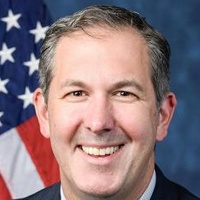
Johnny Olszewski
Representative
MD
Johnny Olszewski
Representative
MD
This bill prohibits federal agencies from removing civil service employees during any lapse in discretionary appropriations, commonly known as a government shutdown. If an employee is terminated in violation of this rule during a shutdown, they will have the option to be reinstated with full back pay once funding resumes. This measure aims to protect federal workers from job loss caused by budget impasses.
This bill establishes a centralized online portal managed by the Appraisal Subcommittee for appraiser credentialing, AMC registration, fee collection, and streamlined FBI background checks, while preserving state licensing authority.
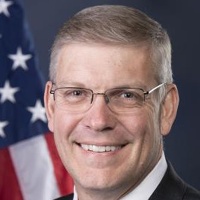
Barry Loudermilk
Representative
GA
Barry Loudermilk
Representative
GA
The Portal for Appraisal Licensing Act of 2025 establishes a centralized, cloud-based system managed by the Appraisal Subcommittee for appraiser credentialing and AMC registration. This portal will streamline license submissions, fee payments, and access to required FBI background checks for state regulators. While the system centralizes data and tracking via unique IDs, states retain final authority over licensing decisions. The Subcommittee will establish an advisory committee and charge reasonable user fees to fund the portal's development and maintenance.
This resolution urges that all future U.S. trade agreements must mandate reasonable cooperation from partner nations to facilitate the search and recovery of missing American service members from past conflicts.
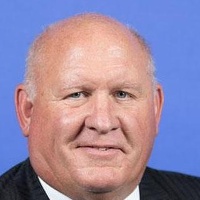
Glenn Thompson
Representative
PA
Glenn Thompson
Representative
PA
This resolution expresses the sense of Congress that all future U.S. trade agreements must require partner nations to provide reasonable access and collaboration for the search and recovery of missing U.S. service members. It directs that cooperation on accounting for Prisoners of War/Missing in Action (POW/MIA) be a mandatory component of international trade partnerships. The goal is to streamline and accelerate efforts to bring closure for families of personnel missing from past conflicts.
The MAP Roads Act establishes a pilot program to provide federal grants to states for digitizing and publicly mapping their county road systems to improve access and safety.
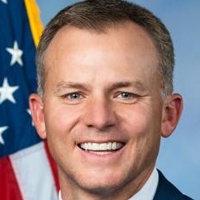
Blake Moore
Representative
UT
Blake Moore
Representative
UT
The MAP Roads Act establishes a pilot program to help states digitally map their unmapped county roads, aiming to improve rural business, safety, and navigation. The Secretary of Transportation will award grants to states that commit to creating a centralized, public repository for this standardized road data. Participating states must ensure the collected data is publicly accessible and updated annually. This grant authority is set to expire in 2031.
This Act modernizes Department of Veterans Affairs outreach by expanding communication methods for new veterans and allowing beneficiaries to opt into digital correspondence for education benefits, while also extending certain pension payment limits.
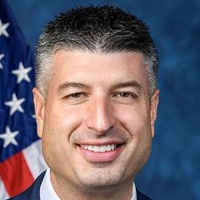
Tom Barrett
Representative
MI
Tom Barrett
Representative
MI
The Delivering Digitally to Our Veterans Act of 2025 modernizes how the Department of Veterans Affairs communicates with veterans by expanding outreach methods beyond traditional calling and mail to include texts and electronic messaging. This legislation specifically updates the Solid Start program and allows veterans to opt-in for digital correspondence regarding their educational assistance benefits. Additionally, the Act extends the expiration date for certain existing limits on pension payments.
This Act mandates that new passenger motor vehicles sold in the U.S. must include standard equipment capable of receiving AM broadcast radio signals.

Gus Bilirakis
Representative
FL
Gus Bilirakis
Representative
FL
The AM Radio for Every Vehicle Act of 2025 mandates that the Secretary of Transportation establish a rule requiring AM broadcast radio receivers to be installed as standard equipment in new passenger motor vehicles. This requirement aims to ensure public access to AM radio signals, which are often used for emergency alerts. The bill also directs a GAO study on the effectiveness of AM radio within the national emergency alert system compared to other technologies. Finally, the Act preempts state and local laws on this matter and includes a sunset provision eight years after enactment.
This constitutional amendment grants Congress and the states the authority to regulate campaign contributions and expenditures, and to establish public financing systems for political campaigns.
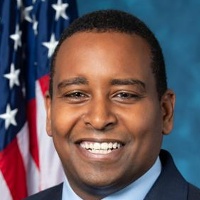
Joe Neguse
Representative
CO
Joe Neguse
Representative
CO
This constitutional amendment seeks to grant Congress and the states the authority to regulate contributions and expenditures in political campaigns. It specifically allows for the establishment of public financing systems to offset the influence of private money in elections. The amendment ensures that any regulations enacted must not infringe upon the freedom of the press.
This bill amends the Social Security Act to provide Medicare coverage for FDA-approved multi-cancer early detection screening tests starting in 2028.
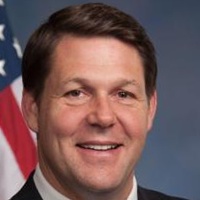
Jodey Arrington
Representative
TX
Jodey Arrington
Representative
TX
The Nancy Gardner Sewell Medicare Multi-Cancer Early Detection Screening Coverage Act amends the Social Security Act to provide Medicare Part B coverage for multi-cancer early detection screening tests starting January 1, 2028. This legislation establishes clear criteria for qualifying tests and outlines payment structures to ensure beneficiaries have access to these advanced diagnostic tools. Importantly, this coverage is designed to complement, rather than replace, existing Medicare-covered cancer screenings.
This Act ensures the automatic continuation of pay for active duty military personnel and essential civilian support staff if Congress fails to pass a budget for fiscal year 2026.
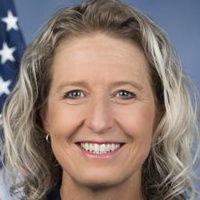
Jennifer Kiggans
Representative
VA
Jennifer Kiggans
Representative
VA
The Pay Our Troops Act of 2026 ensures that active duty military personnel and essential civilian support staff continue to receive their pay if Congress has not yet passed the full budget for fiscal year 2026. This act provides automatic continuing appropriations from the Treasury to prevent a lapse in military salaries due to budget delays. The funding automatically terminates once a new budget or continuing resolution is passed, or on January 1, 2027, whichever comes first.
The FAMILY Act establishes a national paid family and medical leave insurance program administered by the Social Security Administration, providing benefits for caregiving related to serious health conditions or victims of violence.
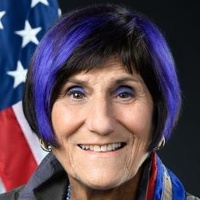
Rosa DeLauro
Representative
CT
Rosa DeLauro
Representative
CT
The FAMILY Act establishes a national Paid Family and Medical Leave Insurance program administered by a new office within the Social Security Administration. This program provides monthly benefits to eligible individuals who take time off for qualified caregiving reasons, including serious health conditions or victims of violence. The Act also sets forth detailed eligibility requirements, benefit calculation formulas, and job protection guarantees for employees utilizing the leave. Finally, it creates a funding mechanism to support existing state-level paid leave programs that meet federal standards.
This Act permanently classifies the entire class of highly potent synthetic opioids known as nitazenes as Schedule I controlled substances to combat overdose deaths.
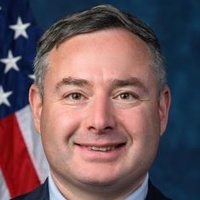
Eugene Vindman
Representative
VA
Eugene Vindman
Representative
VA
The Nitazene Control Act of 2025 permanently classifies the entire class of highly potent synthetic opioids known as nitazenes (2-Benzylbenzimidazole opioids) as Schedule I controlled substances. This action is taken due to their extreme danger, high potential for abuse, and role in fatal overdoses across the country. By scheduling the entire chemical class at once, the bill aims to proactively stop the emergence of new, dangerous analogs. This permanent scheduling subjects nitazenes to the strictest federal controls, mirroring those applied to fentanyl.