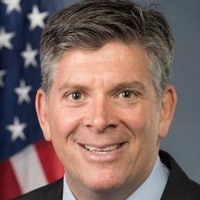
Legislative Activity
Track Darin's sponsored bills, co-sponsored legislation, and voting record
The Chemical Tax Repeal Act eliminates federal excise taxes on specific chemicals and substances, effective January 1, 2024.

Beth Van Duyne
Representative
TX
Beth Van Duyne
Representative
TX
The Chemical Tax Repeal Act eliminates existing excise taxes on specific chemicals and substances. By amending the Internal Revenue Code, this legislation removes these financial burdens effective January 1, 2024.
This bill prohibits federal funding for abortions and for health insurance plans that cover abortions, clarifies these prohibitions under the Affordable Care Act, and requires health plans to disclose the extent of their abortion coverage and any related surcharges.
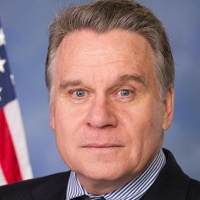
Christopher Smith
Representative
NJ
Christopher Smith
Representative
NJ
The "No Taxpayer Funding for Abortion and Abortion Insurance Full Disclosure Act of 2025" seeks to prohibit the use of federal funds for abortions and for health plans that cover abortions, while allowing individuals and entities to purchase separate abortion coverage with non-federal funds. It clarifies that premium tax credits and cost-sharing reductions under the Affordable Care Act (ACA) cannot be used for health plans that include abortion coverage. The Act also revises notice requirements for health plans, mandating clear disclosure of abortion coverage and any associated premium surcharges to enrollees. Exceptions to the funding restrictions are included for cases of rape, incest, or when the mother's life is in danger.
The Defending American Jobs and Investment Act establishes a retaliatory tax and enforcement framework to penalize foreign countries that impose extraterritorial or discriminatory taxes on U.S. businesses and individuals.
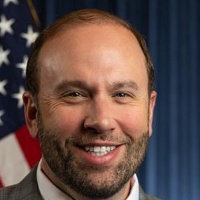
Jason Smith
Representative
MO
Jason Smith
Representative
MO
The Defending American Jobs and Investment Act establishes a formal enforcement mechanism to counter foreign taxes that are extraterritorial or discriminatory toward U.S. interests. The bill mandates that the Treasury Secretary identify offending countries and engage in bilateral negotiations to seek the repeal of these taxes. Should these policies persist, the Act authorizes escalating retaliatory measures, including increased U.S. tax rates for citizens and corporations of the offending nation, as well as potential federal procurement restrictions.
The Increased TSP Access Act of 2025 expands and streamlines the certification process for third-party technical service providers to improve the delivery of conservation assistance to farmers and ranchers.
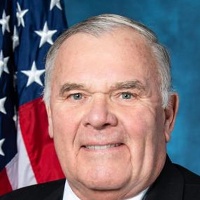
James Baird
Representative
IN
James Baird
Representative
IN
The Increased TSP Access Act of 2025 aims to expand and accelerate the delivery of conservation technical assistance to farmers and ranchers by diversifying the certification process for third-party providers. The bill authorizes non-federal entities and state agencies to certify providers, streamlines credentialing for qualified professionals, and mandates fair payment rates. These reforms are designed to increase capacity, improve transparency, and ensure more efficient implementation of conservation practices nationwide.
The ALIGN Act permanently establishes 100 percent bonus depreciation for qualified business property, eliminating scheduled phase-downs to encourage long-term capital investment.
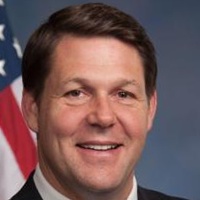
Jodey Arrington
Representative
TX
Jodey Arrington
Representative
TX
The ALIGN Act makes 100% "bonus depreciation" permanent for qualified business property, eliminating scheduled phase-downs to encourage long-term capital investment. By allowing businesses to fully expense these investments immediately, the bill provides a consistent tax incentive for growth. These changes apply retroactively to ensure stability for businesses that have invested in equipment and property since 2017.
This bill mandates the destruction of existing firearm transaction records from closed businesses and prohibits the ATF from collecting such records in the future.
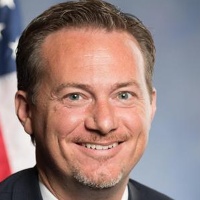
Michael Cloud
Representative
TX
Michael Cloud
Representative
TX
The "No Retaining Every Gun In a System That Restricts Your Rights Act" mandates the destruction of all firearm transaction records currently held by the ATF from discontinued businesses. Furthermore, it amends federal law to prohibit the future collection and transfer of these records to the government when a firearms business ceases operations. The bill also requires the ATF to submit a formal report to Congress confirming the number of records destroyed.
The NO GOTION Act prohibits companies linked to China, Russia, Iran, or North Korea from claiming federal green energy tax credits and deductions.

John Moolenaar
Representative
MI
John Moolenaar
Representative
MI
The NO GOTION Act prohibits companies with ties to China, Russia, Iran, or North Korea from claiming federal green energy tax credits and deductions. By restricting these financial benefits, the bill aims to ensure that U.S. taxpayer-funded incentives are not used to support entities controlled by designated foreign adversaries.
The Chiropractic Medicare Coverage Modernization Act of 2025 expands Medicare coverage to include all services provided by doctors of chiropractic that are within the scope of their state licensure.
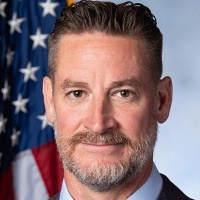
W. Steube
Representative
FL
W. Steube
Representative
FL
The Chiropractic Medicare Coverage Modernization Act of 2025 expands Medicare coverage to include all services legally authorized under a chiropractor’s state license, moving beyond the current restriction limited to manual spinal manipulation. This legislation aligns Medicare benefits with private insurance and other federal health programs to better reflect modern chiropractic practice. To provide these expanded services, chiropractors will be required to complete a one-time training program verified by the Secretary of Health and Human Services.
This bill delays the mandatory transition to electronic Clinical Quality Metrics (eCQMs) for Accountable Care Organizations until 2030 while establishing a pilot program to test and standardize digital quality reporting methods.

Vern Buchanan
Representative
FL
Vern Buchanan
Representative
FL
The Health Care Efficiency Through Flexibility Act delays the mandatory transition to electronic Clinical Quality Metrics (eCQMs) for Accountable Care Organizations (ACOs) until January 1, 2030. During this period, the bill establishes a pilot program to test new digital reporting methods and mandates the development of standardized, accessible reporting technology. This approach ensures ACOs can continue using existing reporting methods without penalty while the government works with stakeholders to refine future digital standards.
This bill increases the railroad track maintenance tax credit, introduces annual inflation adjustments, and extends the eligibility period for qualifying expenditures.

Mike Kelly
Representative
PA
Mike Kelly
Representative
PA
This bill amends the Internal Revenue Code to expand the railroad track maintenance credit by increasing the per-mile tax credit to $6,100 and implementing annual inflation adjustments starting in 2026. It also extends the eligibility window for qualifying maintenance expenditures to include costs incurred through 2023. These updates aim to provide greater financial support for ongoing railroad infrastructure improvements.
This legislation permanently increases the standard deduction for head of household and single filers while establishing a new formula for annual inflation adjustments.

Max Miller
Representative
OH
Max Miller
Representative
OH
The Permanent Tax Cuts for American Families Act of 2025 permanently increases the standard deduction for head of household and single filers. This legislation also establishes a new formula for annual inflation adjustments to ensure these deduction amounts remain current. These changes take effect for taxable years beginning after the date of enactment.
* **Title I:** Reduces taxes on Taiwanese residents and businesses operating in the U.S., contingent upon Taiwan offering reciprocal benefits to U.S. individuals and companies. * **Title II:** Authorizes the President to negotiate a tax agreement with Taiwan to avoid double taxation, subject to Congressional approval and adherence to U.S. tax laws.
Jason Smith
Representative
MO
Jason Smith
Representative
MO
The United States-Taiwan Expedited Double-Tax Relief Act aims to reduce double taxation and encourage economic activity between the U.S. and Taiwan by lowering tax rates on certain income for Taiwanese residents and businesses in the U.S., contingent upon Taiwan offering reciprocal benefits to U.S. individuals and companies. Additionally, the United States-Taiwan Tax Agreement Authorization Act outlines the process for establishing a tax agreement with Taiwan, ensuring congressional oversight and adherence to existing U.S. tax laws, to further reduce double taxation.
The FAIR PREP Act of 2025 prohibits the Treasury Secretary from developing or operating government-run electronic tax preparation services, excluding existing programs like IRS Free File.

Adrian Smith
Representative
NE
Adrian Smith
Representative
NE
The FAIR PREP Act of 2025 prohibits the IRS from developing or operating its own electronic tax preparation and filing services. The bill restricts the Treasury Secretary from preparing tax returns or refund claims, while explicitly protecting existing programs like IRS Free File and volunteer tax assistance services. Additionally, it prevents the use of federal funds for the development of new government-run tax preparation systems without explicit congressional authorization.
The Thin Blue Line Act amends federal law to include the killing or attempted killing of law enforcement officers, firefighters, and other first responders as an aggravating factor in capital sentencing cases.
Vern Buchanan
Representative
FL
Vern Buchanan
Representative
FL
The Thin Blue Line Act amends federal law to designate the killing or attempted killing of a law enforcement officer, firefighter, or first responder as an aggravating factor in capital sentencing. This legislation ensures that when a jury considers the death penalty, they must take into account whether the victim was targeted due to their status as a public servant or while performing their official duties.
The Prosecutors Need to Prosecute Act requires large district attorney offices receiving federal Byrne grant funding to publicly report detailed data on their case outcomes, plea agreements, and recidivism rates for specific violent and firearm-related offenses.

Nicole Malliotakis
Representative
NY
Nicole Malliotakis
Representative
NY
The **Prosecutors Need to Prosecute Act** requires district attorneys in larger jurisdictions who receive federal Byrne grant funding to submit annual reports on their prosecution and plea agreement data for serious offenses. This legislation mandates that the Attorney General establish uniform reporting standards and publish this data publicly to increase transparency regarding prosecutorial decisions.
The Small Business Growth Act increases the Section 179 expensing limits for qualifying business assets and implements annual inflation adjustments to support small business investment.

Blake Moore
Representative
UT
Blake Moore
Representative
UT
The Small Business Growth Act supports business investment by doubling the maximum immediate tax deduction for qualifying equipment and property purchases from $1 million to $2 million. It also raises the phase-out threshold to $3.5 million and implements annual inflation adjustments starting in 2026 to ensure these benefits keep pace with the economy.
This bill imposes a one-year moratorium on federal funding for Planned Parenthood and redirects those funds to community health centers.
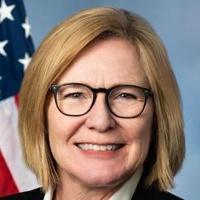
Michelle Fischbach
Representative
MN
Michelle Fischbach
Representative
MN
The Defund Planned Parenthood Act of 2025 imposes a one-year moratorium on federal funding for Planned Parenthood Federation of America, its affiliates, and its clinics unless they certify that they will not perform abortions. The bill redirects these funds to community health centers to ensure continued access to women’s health services. It includes specific exceptions for cases of rape, incest, or life-threatening medical conditions.
This bill proposes a constitutional amendment to limit members of the House of Representatives to three terms and Senators to two terms, with specific provisions for partial terms. Terms served before the amendment's ratification would not be counted towards these limits, and the amendment must be ratified within seven years to be valid.
Ralph Norman
Representative
SC
Ralph Norman
Representative
SC
This bill proposes a constitutional amendment to limit the number of terms a member of Congress can serve. Representatives would be limited to 3 terms and Senators to 2 terms, with specific rules for partial terms. Terms served before the amendment's ratification would not be counted. The amendment must be ratified by three-fourths of the states within seven years to be valid.
The TCJA Permanency Act makes the individual tax reforms and Alternative Minimum Tax exemptions from the Tax Cuts and Jobs Act permanent, simplifying tax filing while adjusting credits, deductions, and exemptions for families and small businesses.
Vern Buchanan
Representative
FL
Vern Buchanan
Representative
FL
The TCJA Permanency Act makes the individual tax reforms of the Tax Cuts and Jobs Act permanent, including lowered income tax rates, an increased standard deduction, and an expanded Child Tax Credit. The legislation also solidifies higher exemptions for the Alternative Minimum Tax to protect more households from the parallel tax system. By locking in these provisions, the bill aims to simplify tax filing while providing long-term stability for families, small business owners, and individual taxpayers.
This bill rescinds certain unobligated funds previously appropriated to the Internal Revenue Service.
Adrian Smith
Representative
NE
Adrian Smith
Representative
NE
The Family and Small Business Taxpayer Protection Act rescinds unobligated funding previously appropriated to the Internal Revenue Service. This legislation effectively cancels these unused funds and returns them to the U.S. Treasury.