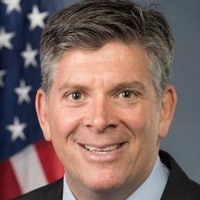
Legislative Activity
Track Darin's sponsored bills, co-sponsored legislation, and voting record
This bill expands Medicaid coverage for assisted living services and prioritizes Low-Income Housing Tax Credits for projects that reduce long-term care costs through non-institutional settings.
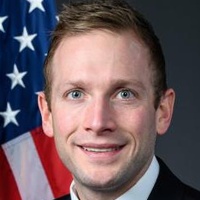
Max Miller
Representative
OH
Max Miller
Representative
OH
This bill amends Medicaid to mandate coverage for assisted living services starting in 2027 for eligible individuals, ensuring costs do not exceed current nursing facility rates. Additionally, it updates the Low-Income Housing Tax Credit criteria to prioritize housing projects that facilitate these non-institutional long-term care options. The goal is to expand access to assisted living while incentivizing cost-effective, community-based care.
This act amends the Chafee Foster Care Program to mandate that states provide legal counseling access and address specific legal issues for current and former foster youth.
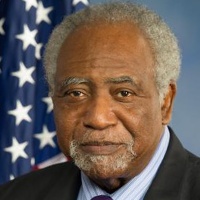
Danny Davis
Representative
IL
Danny Davis
Representative
IL
The Fresh Starts for Foster Youth Act amends the Chafee Foster Care Program to ensure that current and former foster youth have access to crucial legal counseling. This legislation requires participating states to certify that their case planning addresses specific legal issues impacting youth, such as those related to housing, education, and employment. The goal is to improve the transition to adulthood for foster youth by proactively addressing their legal needs.
This Act clarifies that clergy are considered employees for Social Security and Medicare tax purposes, mandates employer withholding, and allows previously exempt clergy to revoke their opt-out status.
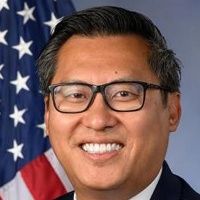
Vince Fong
Representative
CA
Vince Fong
Representative
CA
This bill amends federal law to reclassify clergy and religious workers as employees for Social Security and Medicare tax purposes, requiring churches to withhold these taxes. It also repeals the existing religious exemption that allows clergy to opt out of Social Security coverage. Furthermore, the Act establishes a process for currently exempt clergy to revoke their exemption and mandates the IRS to report on informing these workers of their new options.
The SEED Act extends key biodiesel and renewable diesel tax incentives through 2029 while preventing taxpayers from claiming overlapping benefits for the same fuel.
Mike Carey
Representative
OH
Mike Carey
Representative
OH
The Supporting Energy and Economic Development (SEED) Act primarily extends key tax incentives for biodiesel and renewable diesel through 2029. It also introduces new provisions to prevent taxpayers from claiming multiple overlapping benefits for the same fuel, ensuring credits are not double-counted.
This bill establishes a whistleblower incentive and protection program within the Department of Commerce to encourage reporting of violations of U.S. export control laws, particularly concerning advanced AI chips.
Thomas Kean
Representative
NJ
Thomas Kean
Representative
NJ
This bill, the "Stop Stealing our Chips Act," establishes a new whistleblower incentive and protection program within the Department of Commerce. It rewards individuals who provide original information leading to successful enforcement actions against violations of U.S. export control laws, particularly concerning advanced AI chips. The legislation also prohibits employers from retaliating against whistleblowers who report these violations.
This Act establishes penalties and restrictions to deter foreign adversaries from stealing proprietary, closed-source artificial intelligence models owned by U.S. entities through model extraction attacks.
Bill Huizenga
Representative
MI
Bill Huizenga
Representative
MI
The Deterring American AI Model Theft Act of 2026 aims to protect proprietary, closed-source Artificial Intelligence models owned by U.S. entities from theft by foreign adversaries. It establishes new legal restrictions and penalties targeting "model extraction attacks" used by designated "entities of concern" to replicate advanced AI capabilities. The bill mandates government assessments, public reporting, and grants the President authority to impose sanctions against those found violating these provisions.
This Act repeals the federal beneficial ownership information reporting requirements for domestic persons and entities, limiting them only to foreign individuals and foreign-connected companies, and mandates the deletion of existing domestic data.
Warren Davidson
Representative
OH
Warren Davidson
Representative
OH
The Repealing Big Brother Overreach Act significantly narrows the federal beneficial ownership information reporting requirements. This legislation limits reporting obligations exclusively to foreign individuals and foreign-connected companies. Furthermore, it mandates the deletion of all previously collected data pertaining to domestic persons and entities.
This bill designates April as Distracted Driving Awareness Month to promote efforts to prevent crashes, deaths, and injuries caused by distracted driving.
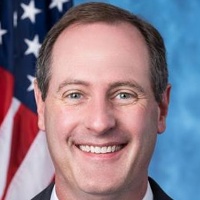
Tracey Mann
Representative
KS
Tracey Mann
Representative
KS
This bill officially designates April as National Distracted Driving Awareness Month to combat the rising number of tragic crashes caused by distracted driving. It highlights the severe dangers of visual, manual, and cognitive distractions, such as texting while driving. The resolution supports ongoing public education and enforcement efforts aimed at encouraging drivers to put away their phones and focus solely on the road.
This act establishes a federal crime with severe penalties for knowingly misrepresenting the source of DNA used in assisted reproductive technology or artificial insemination.
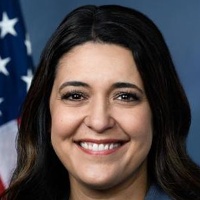
Stephanie Bice
Representative
OK
Stephanie Bice
Representative
OK
The Protecting Families from Fertility Fraud Act of 2026 establishes a new federal crime for knowingly misrepresenting the source of DNA used in assisted reproductive technology (ART) or artificial insemination. This offense, which applies when interstate or foreign commerce is involved, carries penalties of a fine and up to 10 years in prison. The bill also extends the statute of limitations for prosecution once the perpetrator is identified.
This bill officially renames the United States Postal Service facility at 14855 South Van Dyke Road in Plainfield, Illinois, as the Staff Sergeant Jose Dueñez Jr. Post Office Building.
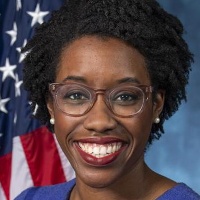
Lauren Underwood
Representative
IL
Lauren Underwood
Representative
IL
This bill officially renames the United States Postal Service facility located at 14855 South Van Dyke Road in Plainfield, Illinois. The facility will now be known as the Staff Sergeant Jose Dueñez Jr. Post Office Building. This designation will apply to all official federal references to the building.
This bill officially renames the U.S. Postal Service facility in Palatine, Illinois, to the Bernie Bluestein Post Office Building.
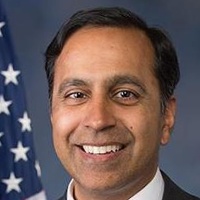
Raja Krishnamoorthi
Representative
IL
Raja Krishnamoorthi
Representative
IL
This bill officially renames the United States Postal Service facility located at 1300 East Northwest Highway in Palatine, Illinois. The facility will now be known as the "Bernie Bluestein Post Office Building." This designation will be used in all official records and documents pertaining to this location.
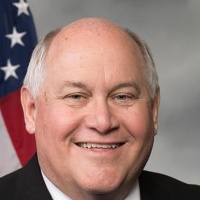
This bill repeals recent modifications to the calculation of adjusted taxable income, restoring previous standards for business interest expense deductions starting in 2026.
Ron Estes
Representative
KS
Ron Estes
Representative
KS
The Ensuring Better Interest Treatment and Deductibility (EBITDA) Act repeals recent modifications to the calculation of adjusted taxable income regarding business interest limitations. By removing these specific constraints, the bill aims to restore previous tax treatment standards for businesses starting in the 2026 tax year.
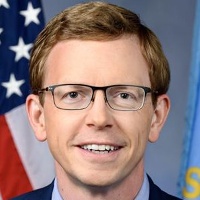
The Fertilizer Transparency Act of 2026 mandates weekly price and quantity reporting for fertilizer manufacturers and wholesalers to provide farmers with greater market transparency through a public USDA dashboard.
Dusty Johnson
Representative
SD
Dusty Johnson
Representative
SD
The Fertilizer Transparency Act of 2026 mandates weekly price and quantity reporting for fertilizer manufacturers and wholesalers to increase market transparency for farmers. The bill also establishes a public dashboard to track these reports alongside new weekly retail price surveys conducted by the USDA. These measures aim to provide clearer market data while protecting confidential business information and maintaining existing antitrust oversight.
This Act mandates the implementation of security mechanisms on advanced integrated circuit products before export to protect U.S. technology and enhance national security.
Bill Huizenga
Representative
MI
Bill Huizenga
Representative
MI
The Chip Security Act mandates the installation of security mechanisms on advanced integrated circuit products before they are exported from the United States. These requirements aim to verify chip location, prevent diversion, and protect U.S. technological leadership. The Secretary of Commerce must also study and implement additional security features to enhance export control enforcement and national security.
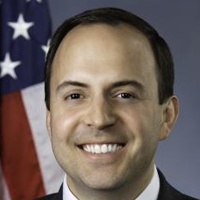
This bill establishes a dedicated Department of Justice initiative to counter intellectual property theft, economic espionage, and investment risks posed by the Chinese Communist Party.
Lance Gooden
Representative
TX
Lance Gooden
Representative
TX
This bill establishes the "CCP Initiative" within the Department of Justice to aggressively counter threats from the Chinese Communist Party (CCP). The initiative focuses on protecting U.S. intellectual property, combating economic espionage, and reviewing foreign investment risks from the PRC. It mandates coordination across federal agencies and requires annual reporting on progress and challenges.
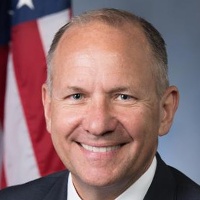
This bill mandates an investigation into Canada’s digital streaming regulations to determine if they unfairly burden U.S. companies and authorizes retaliatory trade actions if discriminatory practices are identified.
Lloyd Smucker
Representative
PA
Lloyd Smucker
Representative
PA
The Protecting American Streaming and Innovation Act mandates an investigation into Canada’s Online Streaming Act to determine if its content requirements and taxes unfairly discriminate against U.S. digital service providers. The bill requires the U.S. Trade Representative to report on these trade barriers and authorizes potential retaliatory actions if Canada fails to remedy policies that violate the USMCA. Furthermore, the legislation establishes a framework to address similar protectionist digital trade practices adopted by other nations in the future.
This Act establishes new federal standards and requirements for states issuing commercial driver's licenses (CDLs) to individuals who are not residents of that issuing state, particularly focusing on drivers from foreign countries and U.S. territories.
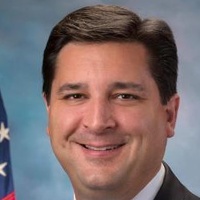
David Rouzer
Representative
NC
David Rouzer
Representative
NC
The Non-Domiciled CDL Integrity Act establishes new federal standards for states issuing Commercial Driver's Licenses (CDLs) to individuals who do not reside in that state. This bill sets specific, strict requirements for foreign nationals seeking a CDL, including proof of lawful status and job-related visas, while also outlining distinct procedures for applicants residing in U.S. territories. The legislation mandates enhanced record-keeping and reporting by states to the Secretary of Transportation regarding these non-domiciled licenses.
The Enhanced Iran Sanctions Act of 2025 mandates broad economic and immigration sanctions on foreign individuals, entities, and financial institutions that support Iran’s nuclear, missile, drone, or terrorist activities, while specifically targeting the country's petroleum and petrochemical sectors.
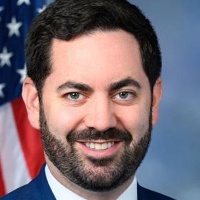
Michael Lawler
Representative
NY
Michael Lawler
Representative
NY
The Enhanced Iran Sanctions Act of 2025 strengthens U.S. policy by imposing mandatory sanctions on foreign persons and financial institutions that support Iran’s nuclear, ballistic missile, drone, and terrorist activities. The bill specifically targets Iran’s petroleum and petrochemical sectors to cut off funding for these malign programs. Additionally, it expands the State Department’s "Rewards for Justice" program to incentivize the reporting of individuals who evade these sanctions.
The MINT Act removes the time restriction on Federal Home Loan Bank letters of credit supporting tax-exempt bonds and delegates safety and soundness requirements to the Director of the Federal Housing Finance Agency.

Lisa McClain
Representative
MI
Lisa McClain
Representative
MI
The MINT Act, or Municipal Investment and Neighborhood Transformation Act, modernizes rules regarding Federal Home Loan Bank (FHLB) letters of credit supporting tax-exempt bonds. This legislation removes an outdated time restriction on when FHLB guarantees can be used with these bonds. Furthermore, it grants the Director of the Federal Housing Finance Agency the authority to set the necessary safety and soundness requirements for these guarantees.
This Act authorizes sanctions against foreign actors who obstruct free and fair Lebanese parliamentary elections or interfere with the voting rights of Lebanese citizens living abroad.
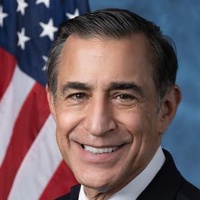
Darrell Issa
Representative
CA
Darrell Issa
Representative
CA
This Act authorizes the President to impose sanctions on foreign individuals or entities that obstruct Lebanon's parliamentary elections or interfere with the voting rights of Lebanese citizens living abroad. It establishes Congressional findings emphasizing the importance of free and fair elections for Lebanon's stability. The law requires the President to report regularly to Congress on identified actors and sanctions imposed.