Legislative Activity
Track Doug's sponsored bills, co-sponsored legislation, and voting record
This bill mandates the destruction of existing firearm transaction records from closed businesses and prohibits the ATF from collecting such records in the future.
Michael Cloud
Representative
TX
Michael Cloud
Representative
TX
The "No Retaining Every Gun In a System That Restricts Your Rights Act" mandates the destruction of all firearm transaction records currently held by the ATF from discontinued businesses. Furthermore, it amends federal law to prohibit the future collection and transfer of these records to the government when a firearms business ceases operations. The bill also requires the ATF to submit a formal report to Congress confirming the number of records destroyed.
This bill amends federal law to require express Congressional authorization for the establishment or expansion of national monuments, effectively removing the President’s unilateral authority to designate them.
Celeste Maloy
Representative
UT
Celeste Maloy
Representative
UT
The Ending Presidential Overreach on Public Lands Act seeks to remove the President’s unilateral authority to establish or expand national monuments. Under this legislation, any new national monument designation or extension would require express authorization and a direct vote from Congress.
This bill increases the railroad track maintenance tax credit, introduces annual inflation adjustments, and extends the eligibility period for qualifying expenditures.
Mike Kelly
Representative
PA
Mike Kelly
Representative
PA
This bill amends the Internal Revenue Code to expand the railroad track maintenance credit by increasing the per-mile tax credit to $6,100 and implementing annual inflation adjustments starting in 2026. It also extends the eligibility window for qualifying maintenance expenditures to include costs incurred through 2023. These updates aim to provide greater financial support for ongoing railroad infrastructure improvements.
This bill expresses support for the Geneva Consensus Declaration, which promotes women's health, strengthens the family, and asserts national sovereignty in healthcare, while opposing abortion and coercive family planning. It urges the U.S. to rejoin the declaration and uphold its principles.
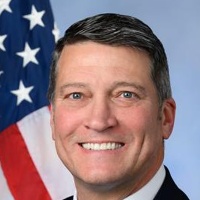
Ronny Jackson
Representative
TX
Ronny Jackson
Representative
TX
This bill expresses support for the Geneva Consensus Declaration, which promotes women's health, strengthens the family, and upholds national sovereignty in healthcare. It affirms the principles of the declaration, including the value of life and the family's role in society and seeks to ensure that U.S. policy aligns with these values by not funding abortions or coercive family planning in foreign countries. The bill also encourages other countries to uphold these principles.
This bill proposes the full repeal of the National Firearms Act, eliminating federal taxes, registration requirements, and transfer restrictions on items such as silencers and short-barreled firearms.
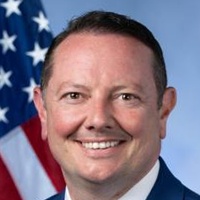
Eric Burlison
Representative
MO
Eric Burlison
Representative
MO
The "Repeal the NFA Act" proposes the complete elimination of the National Firearms Act (NFA). This legislation would remove federal taxes, registration requirements, and transfer restrictions currently imposed on items such as machine guns, short-barreled rifles, short-barreled shotguns, and silencers.
The SAGA Act prohibits state and local governments from imposing firearm regulations, taxes, or licensing requirements on rifles and shotguns that are stricter than federal law.
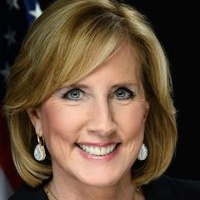
Claudia Tenney
Representative
NY
Claudia Tenney
Representative
NY
The Second Amendment Guarantee Act (SAGA Act) prohibits state and local governments from imposing firearm regulations, taxes, or licensing requirements on rifles and shotguns that are stricter than federal law. Any existing or future local ordinances that exceed these federal standards would be rendered null and void. Additionally, the bill allows individuals to recover attorney’s fees if they successfully challenge non-compliant state or local regulations in court.
This bill prohibits the EPA from granting or maintaining waivers for state vehicle emission standards that restrict the sale or use of new internal combustion engine vehicles.
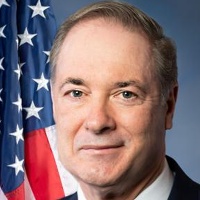
John Joyce
Representative
PA
John Joyce
Representative
PA
The Preserving Choice in Vehicle Purchases Act prohibits the EPA from granting waivers for state emission standards that restrict the sale or use of new internal combustion engine vehicles. Additionally, the bill requires the revocation of any existing waivers granted since January 1, 2022, that conflict with this new federal policy.
This bill imposes a one-year moratorium on federal funding for Planned Parenthood and redirects those funds to community health centers.
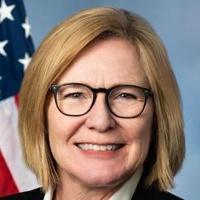
Michelle Fischbach
Representative
MN
Michelle Fischbach
Representative
MN
The Defund Planned Parenthood Act of 2025 imposes a one-year moratorium on federal funding for Planned Parenthood Federation of America, its affiliates, and its clinics unless they certify that they will not perform abortions. The bill redirects these funds to community health centers to ensure continued access to women’s health services. It includes specific exceptions for cases of rape, incest, or life-threatening medical conditions.
This bill prohibits federal funding for any entity that performs abortions, with specific exceptions for cases of rape, incest, or life-threatening medical conditions.
Michelle Fischbach
Representative
MN
Michelle Fischbach
Representative
MN
The Protecting Life and Taxpayers Act of 2025 prohibits federal funding for any entity that performs abortions or provides financial support to organizations that do. Exceptions are granted for cases involving rape, incest, or medical emergencies where the mother's life is at risk.
The Protect Local Farms Act prevents states from enforcing agricultural overtime laws that mandate a workweek of fewer than 60 hours.
Claudia Tenney
Representative
NY
Claudia Tenney
Representative
NY
The Protect Local Farms Act establishes a federal 60-hour workweek floor for agricultural employees. This legislation preempts any state laws that attempt to cap agricultural work hours at fewer than 60 per week, ensuring a uniform standard across the industry.
The Federal Employee Return to Work Act prohibits federal teleworkers from receiving annual pay adjustments and mandates that their basic pay be set to the "Rest of U.S." locality rate.
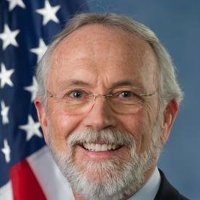
Dan Newhouse
Representative
WA
Dan Newhouse
Representative
WA
The Federal Employee Return to Work Act mandates that federal employees who telework at least one day per week are ineligible for annual pay adjustments. Additionally, the bill requires that these employees be compensated based on the "Rest of U.S." locality pay scale, regardless of their actual work location. Certain groups, including employees with disabilities and law enforcement officers, are exempt from these provisions.
The FIND Act prohibits federal agencies from contracting with entities that discriminate against the firearm and ammunition industry, ensuring fair access to government contracts for these businesses. Contractors must certify they do not discriminate against firearm entities, with violations leading to contract termination.
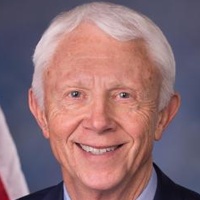
Jack Bergman
Representative
MI
Jack Bergman
Representative
MI
The FIND Act prohibits federal agencies from contracting with entities that discriminate against the firearm and ammunition industry. It requires federal contractors to certify they do not discriminate against firearm entities and prohibits them from awarding subcontracts to entities that do not provide a similar certification. Violations of these clauses will result in contract termination. The act defines "discriminate" as making judgments or refusing/limiting services based on biased criteria, rather than case-by-case evaluations, empirical data, financial risk, or legal non-compliance.
The "WHO Withdrawal Act" withdraws the United States from the World Health Organization, prohibits funding to the WHO, and repeals the act that authorized U.S. participation.
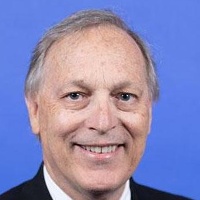
Andy Biggs
Representative
AZ
Andy Biggs
Representative
AZ
The WHO Withdrawal Act withdraws the United States from the World Health Organization (WHO) upon enactment. It also prohibits any federal funds from being used to support the WHO or any successor organization. Finally, the act repeals the Act of June 14, 1948, which previously authorized U.S. participation and funding of the WHO.