Legislative Activity
Track Timothy's sponsored bills, co-sponsored legislation, and voting record
This Act updates Medicare coverage and payment rules for home infusion therapy starting in 2026 to ensure continued patient access, clarify covered services, and adjust supplier reimbursement.

Vern Buchanan
Representative
FL
Vern Buchanan
Representative
FL
The Preserving Patient Access to Home Infusion Act updates Medicare coverage and payment rules for home infusion therapy starting in 2026 to ensure continued patient access. The bill explicitly adds pharmacy services to covered home infusion care and clarifies payment calculations for suppliers, including transitional rules based on infusion hours. Furthermore, it expands who can establish and review patient care plans to include nurse practitioners and physician assistants. Finally, the Act modifies definitions and payment rules for certain non-pump infusion drugs and stops separate Medicare payment for specific disposable supplies when infusion therapy is already being reimbursed.
The HELPER Act of 2025 establishes a new FHA mortgage insurance program offering 100% financing with an upfront premium and no monthly premiums for eligible first responders, educators, and law enforcement officers.

John Rutherford
Representative
FL
John Rutherford
Representative
FL
The HELPER Act of 2025 establishes a new FHA mortgage insurance program to assist first responders, educators, and law enforcement officers in purchasing homes. This program offers eligible first-time homebuyers 100% financing with no down payment required. Instead of monthly premiums, borrowers pay an upfront FHA insurance premium at closing.
The Major Richard Star Act ensures that military retirees with combat-related disabilities can concurrently receive their full military retirement pay and VA disability compensation without reduction.

Gus Bilirakis
Representative
FL
Gus Bilirakis
Representative
FL
The Major Richard Star Act ensures that military retirees with combat-related disabilities can receive both their military retirement pay and VA disability compensation concurrently without reduction. This law removes previous restrictions that caused military retirement pay to be offset by VA disability payments for these specific cases. The changes take effect on the first day of the month following the Act's enactment.
This bill establishes a commission to study the feasibility, planning, and funding strategy for creating a National Museum of Irish American History.

Brian Fitzpatrick
Representative
PA
Brian Fitzpatrick
Representative
PA
This bill establishes a 23-member Commission tasked with studying the feasibility and planning for the creation of a National Museum of Irish American History in Washington, D.C. The Commission must develop comprehensive plans for the museum's establishment, operation, and governance, including a strategy to fund it without relying on future federal tax dollars for maintenance. The Commission is authorized specific funding for two fiscal years and will terminate 30 days after submitting its final required reports to Congress and the President.
This bill mandates that veterans' disability compensation, dependency and indemnity compensation, and clothing allowance rates increase starting December 1, 2025, by the same percentage as the Social Security cost-of-living adjustment for that year.

Morgan Luttrell
Representative
TX
Morgan Luttrell
Representative
TX
The Veterans’ Compensation Cost-of-Living Adjustment Act of 2025 mandates an increase in disability compensation and dependency and indemnity compensation (DIC) rates for veterans and survivors. This increase, effective December 1, 2025, will match the percentage increase applied to Social Security benefits for that year. The bill also requires the VA to publish the adjusted rates according to the Social Security Administration's COLA announcement schedule.
This bill directs Congress to award a Congressional Gold Medal to honor the service of the Red Cross "Donut Dollies" who provided recreation and morale support to U.S. troops during the Vietnam War.

Mikie Sherrill
Representative
NJ
Mikie Sherrill
Representative
NJ
This bill, the Donut Dollies Congressional Gold Medal Act, directs the striking of a Congressional Gold Medal to honor the American Red Cross volunteers who served in the Supplemental Recreation Activities Overseas (SRAO) program during the Vietnam War. These volunteers, known as "Donut Dollies," provided crucial morale support to troops on the front lines. The original medal will be presented on behalf of Congress and ultimately housed at the Smithsonian Institution, with provisions made for selling bronze duplicates.
This Act establishes a statutory right to access Assisted Reproductive Technology (ART) services and prohibits overly burdensome state or local regulations that interfere with that access.
Laura Gillen
Representative
NY
Laura Gillen
Representative
NY
The Access to Family Building Act aims to guarantee that patients can access Assisted Reproductive Technology (ART) services and that healthcare providers can offer them without unreasonable interference. This legislation preempts state and local laws that impose burdens on ART services not required for similar medical procedures or that hinder access without improving safety. The Act establishes the right to access ART and provides robust legal avenues for individuals, providers, and the government to challenge and strike down restrictive regulations.
This bill allows investors to defer taxes on capital gain dividends from mutual funds when those dividends are automatically reinvested until the shares are sold or the investor passes away.

Beth Van Duyne
Representative
TX
Beth Van Duyne
Representative
TX
This bill, the Generating Retirement Ownership through Long-Term Holding Act, allows individual investors to defer paying taxes on capital gain dividends from mutual funds if those dividends are automatically reinvested into more fund shares. Taxes on these deferred gains are only due when the investor sells the shares or upon death. This provision aims to encourage long-term investment in mutual funds by providing immediate tax relief on reinvested earnings.
Condemns House Republican leadership for allowing a xenophobic post questioning a Congressman's citizenship.
Sylvia Garcia
Representative
TX
Sylvia Garcia
Representative
TX
This bill condemns the House Republican Conference for a xenophobic social media post questioning Congressman Adriano Espaillat's immigration status and patriotism. It specifically condemns the House Republican leadership team for allowing the false statement that questioned Congressman Espaillat's citizenship.
The Caring for Survivors Act of 2025 increases dependency and indemnity compensation for surviving spouses and lowers the required period of total disability rating before death for survivors to qualify for certain benefits.

Jahana Hayes
Representative
CT
Jahana Hayes
Representative
CT
The Caring for Survivors Act of 2025 aims to increase financial support for surviving spouses of veterans. This bill raises the monthly Dependency and Indemnity Compensation (DIC) payment rate for surviving spouses. Additionally, it lowers the required duration of total disability rating before death from ten years to five years for survivors to qualify for certain DIC benefits. If the disability period was between five and ten years, the benefit amount will be proportionally adjusted.
The REDI Act allows medical and dental interns and residents to defer both principal and interest payments on their student loans while in training.

Brian Babin
Representative
TX
Brian Babin
Representative
TX
The Resident Education Deferred Interest (REDI) Act amends federal student loan regulations to provide a specific deferment for medical and dental residents. This allows borrowers currently serving in an internship or residency program to pause principal payments and prevent interest accrual on their student loans during that training period.
The Stop Comstock Act streamlines federal statutes by removing outdated and redundant language concerning "indecent" or "immoral" materials, focusing legal definitions on "obscene materials."

Becca Balint
Representative
VT
Becca Balint
Representative
VT
The Stop Comstock Act aims to modernize and streamline federal statutes concerning obscene materials. It revises several sections of federal law, including those related to crimes, transportation, and importation, by removing outdated or redundant language like "indecent" or "immoral." This legislative cleanup focuses the legal definitions to center specifically on "obscene materials."
This Act eliminates the waiting periods for Social Security disability benefits and Medicare coverage for individuals diagnosed with metastatic breast cancer.
Andrew Garbarino
Representative
NY
Andrew Garbarino
Representative
NY
The Metastatic Breast Cancer Access to Care Act aims to improve support for individuals diagnosed with metastatic breast cancer. This bill eliminates the standard waiting period for receiving Social Security disability insurance benefits and waives the 24-month waiting period for Medicare coverage. These changes ensure immediate access to crucial financial and healthcare support upon diagnosis.
This Act converts Transportation Security Administration (TSA) personnel to standard federal employment rules under Title 5, establishes transition protections, mandates workforce reviews, and addresses labor relations and employee safety.
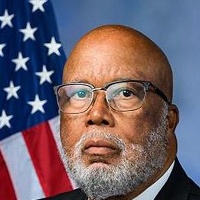
Bennie Thompson
Representative
MS
Bennie Thompson
Representative
MS
The Rights for the Transportation Security Administration Workforce Act transitions TSA personnel to standard federal employment rules under Title 5 of the U.S. Code by a set date no later than December 31, 2025. This mandates the freezing of current personnel policies during the transition while protecting current employee pay and benefits. The bill also requires extensive reviews by the Comptroller General on hiring, diversity, and workplace safety, and mandates consultation with employee representatives regarding labor relations. Finally, it ensures that screening agents retain collective bargaining rights and addresses specific concerns for Federal Air Marshals.
This Act resets the probationary period for certain federal employees unfairly separated between January 20, 2025, and January 20, 2029, by crediting them for time already served.
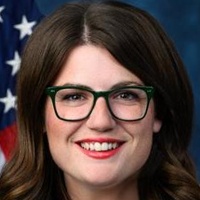
Sarah Elfreth
Representative
MD
Sarah Elfreth
Representative
MD
The Protect Our Probationary Employees Act resets the probationary period for certain federal employees who were involuntarily separated between January 20, 2025, and January 20, 2029. If these employees are rehired into a similar role at the same agency, their new probationary period will be reduced by the time they already served previously. This provision is temporary and will expire on January 20, 2029.
This bill mandates salary reductions for Members of Congress when the national debt limit is reached or during a government shutdown, with special temporary rules applying to the 119th Congress.

Eugene Vindman
Representative
VA
Eugene Vindman
Representative
VA
This bill mandates automatic pay reductions for Members of Congress if the nation hits the public debt limit or experiences a government shutdown. The pay cut is calculated based on one day's salary multiplied by the number of days the crisis lasts. Special, temporary escrow rules apply to the 119th Congress to address constitutional concerns, with general rules taking full effect after the November 2026 election. The Secretary of the Treasury is required to assist congressional payroll offices in implementing these provisions.
This act allows State homes caring for veterans to choose between direct reimbursement or direct furnishing of high-cost medications.
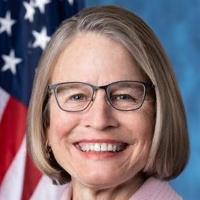
Mariannette Miller-Meeks
Representative
IA
Mariannette Miller-Meeks
Representative
IA
The Providing Veterans Essential Medications Act allows State homes caring for veterans to choose how they receive reimbursement for very high-cost medications. State homes can opt to be reimbursed directly for the medication's cost or have the Secretary of the VA furnish the drug directly. This provision applies only when the cost of a specific medication exceeds a defined threshold relative to the standard monthly payment for that veteran's care.
The HERO Act establishes a national data system for tracking public safety officer suicides, funds peer-support mental health programs for fire and EMS personnel, supports wellness programs for healthcare providers, and develops educational resources and best practices for treating first responder mental health issues.
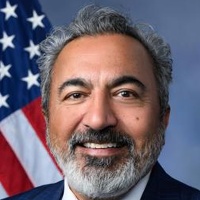
Ami Bera
Representative
CA
Ami Bera
Representative
CA
The HERO Act establishes a national system to track suicides among public safety officers to better understand prevention needs. It also creates grant programs to fund peer-support and wellness programs for fire, EMS, and healthcare workers. Finally, the bill mandates the development of educational resources to improve mental health treatment for first responders dealing with trauma and PTSD.
This bill authorizes the posthumous presentation of a Congressional Gold Medal to James Earl Jones, honoring his contributions to the United States and his work promoting inclusion in film and theatre.
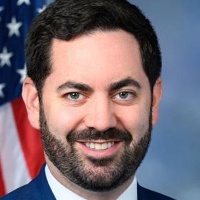
Michael Lawler
Representative
NY
Michael Lawler
Representative
NY
The James Earl Jones Congressional Gold Medal Act directs the Speaker of the House and the President pro tempore of the Senate to arrange for the posthumous presentation of a Congressional Gold Medal to James Earl Jones, honoring his contributions to the United States and his work promoting inclusion in film and theatre. The Secretary of the Treasury will create the gold medal, and bronze duplicates will be made available for sale to the public.
This bill establishes federal civil and criminal penalties for sharing non-consensual, digitally altered intimate images (deepfakes) of identifiable individuals.
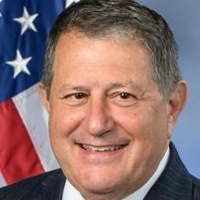
Joseph Morelle
Representative
NY
Joseph Morelle
Representative
NY
The Preventing Deepfakes of Intimate Images Act establishes a federal civil right of action allowing victims to sue those who share non-consensual, intimate digital depictions (deepfakes) of them, providing for significant monetary damages and court orders. Additionally, the bill creates a new federal crime for sharing or threatening to share such images with intent to harass or cause harm, carrying penalties up to ten years in prison for serious offenses. The law strictly defines consent and intimate depictions, while offering limited liability protections to online service providers who cooperate in removing the content.