
Legislative Activity
Track Young's sponsored bills, co-sponsored legislation, and voting record
The Puppy Protection Act of 2025 establishes stricter housing, daily care, veterinary, and breeding standards for dog dealers under the Animal Welfare Act.
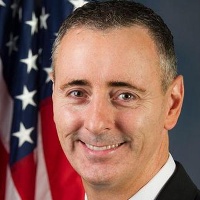
Brian Fitzpatrick
Representative
PA
Brian Fitzpatrick
Representative
PA
The Puppy Protection Act of 2025 significantly increases humane treatment standards for dog dealers under the Animal Welfare Act. This legislation mandates specific minimum space requirements, daily exercise access, and mandatory socialization for housed dogs. Furthermore, it establishes strict limits on female dog breeding frequency and age, alongside enhanced veterinary care protocols.
The PARA-EMT Act of 2025 establishes pilot grant programs to combat the national shortage of EMTs and paramedics by funding recruitment, training, and veteran credentialing, alongside mandating a comprehensive study of the workforce crisis.

Marie Gluesenkamp Perez
Representative
WA
Marie Gluesenkamp Perez
Representative
WA
The PARA-EMT Act of 2025 addresses the critical national shortage of EMTs and paramedics by establishing a pilot grant program to help agencies hire, train, and support their emergency medical workforce. It also creates a federal grant program to assist states in streamlining the transition of veterans with military medical training into civilian EMS roles. Finally, the bill mandates a comprehensive study to quantify the current and projected workforce shortage and recommend solutions, including potential visa considerations.
The Air America Act of 2025 authorizes one-time monetary awards to former Air America employees or their survivors for service supporting the CIA between 1950 and 1976.
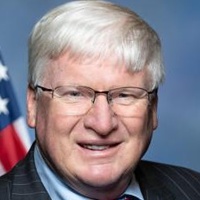
Glenn Grothman
Representative
WI
Glenn Grothman
Representative
WI
The Air America Act of 2025 recognizes the sacrifices of former Air America employees who served the U.S. Government between 1950 and 1976. This Act authorizes a one-time monetary award, up to $40,000 plus potential additional amounts, for qualifying service members or their survivors. The CIA Director is responsible for administering these payments, which are capped at a total of $60 million, and establishing the application procedures. Decisions made by the Director regarding these awards are final and not subject to judicial review.
This act establishes a mandatory, value-based case rate payment system for Medicare radiation oncology services to incentivize quality care and cost efficiency while protecting patient access and offering transportation assistance.
Brian Fitzpatrick
Representative
PA
Brian Fitzpatrick
Representative
PA
The Radiation Oncology Case Rate Value Based Program Act of 2025 establishes a new Medicare payment system that pays providers a single, set rate for an entire episode of radiation therapy care, rather than paying for individual services. This program aims to incentivize high-quality, efficient care while achieving cost savings for Medicare. It also includes specific provisions to support patient access, such as a health equity bonus for addressing transportation insecurity. Finally, the bill exempts the savings generated by this new payment structure from standard Medicare budget neutrality adjustments.
The SPEAK Act of 2025 mandates that HHS develop guidance to ensure individuals with limited English proficiency receive effective language access during telehealth services.
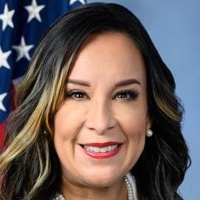
Mónica De La Cruz
Representative
TX
Mónica De La Cruz
Representative
TX
The SPEAK Act of 2025 directs the Department of Health and Human Services (HHS) to issue updated guidance on ensuring meaningful language access during telehealth services. This guidance must establish best practices for incorporating interpreters, improving access to technology, and providing multilingual patient materials for individuals with limited English proficiency. The goal is to ensure equitable care delivery across virtual health platforms.
The Major Richard Star Act ensures that military retirees with combat-related disabilities can concurrently receive their full military retirement pay and VA disability compensation without reduction.

Gus Bilirakis
Representative
FL
Gus Bilirakis
Representative
FL
The Major Richard Star Act ensures that military retirees with combat-related disabilities can receive both their military retirement pay and VA disability compensation concurrently without reduction. This law removes previous restrictions that caused military retirement pay to be offset by VA disability payments for these specific cases. The changes take effect on the first day of the month following the Act's enactment.
This bill allows investors to defer taxes on capital gain dividends from mutual funds when those dividends are automatically reinvested until the shares are sold or the investor passes away.
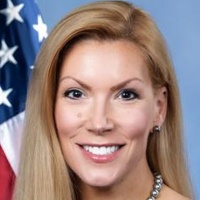
Beth Van Duyne
Representative
TX
Beth Van Duyne
Representative
TX
This bill, the Generating Retirement Ownership through Long-Term Holding Act, allows individual investors to defer paying taxes on capital gain dividends from mutual funds if those dividends are automatically reinvested into more fund shares. Taxes on these deferred gains are only due when the investor sells the shares or upon death. This provision aims to encourage long-term investment in mutual funds by providing immediate tax relief on reinvested earnings.
This Act eliminates the waiting periods for Social Security disability benefits and Medicare coverage for individuals diagnosed with metastatic breast cancer.
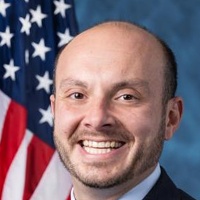
Andrew Garbarino
Representative
NY
Andrew Garbarino
Representative
NY
The Metastatic Breast Cancer Access to Care Act aims to improve support for individuals diagnosed with metastatic breast cancer. This bill eliminates the standard waiting period for receiving Social Security disability insurance benefits and waives the 24-month waiting period for Medicare coverage. These changes ensure immediate access to crucial financial and healthcare support upon diagnosis.
This Act mandates the development and dissemination of a high school curriculum focused on the history, dangers, and human rights violations associated with communism, alongside oral history resources contrasting these regimes with American democratic principles.

Maria Salazar
Representative
FL
Maria Salazar
Representative
FL
The Crucial Communism Teaching Act mandates the development of a high school civic education curriculum focused on the history and dangers of communism. This curriculum must detail the death toll caused by communist regimes and highlight ongoing human rights abuses. The Act also requires the creation of "Portraits in Patriotism" oral history resources featuring victims of oppressive political systems.
This Act mandates regular reports on Houthi threats and capabilities while imposing sanctions on those supporting their attacks against international shipping in the Red Sea and Gulf of Aden.

Mark Green
Representative
TN
Mark Green
Representative
TN
The Combating Houthi Threats and Aggression Act commits the U.S. to working with allies to secure vital shipping lanes against Houthi attacks. The bill mandates several detailed, regular reports to Congress regarding Houthi capabilities, their threats to navigation, and violations of the UN arms embargo. Furthermore, it authorizes the President to impose strict sanctions, including asset freezes and travel bans, on foreign individuals supporting Houthi aggression against international shipping. This entire Act is set to expire five years after its enactment.
This Act expands Medicare eligibility for home health services by explicitly including the need for occupational therapy as a qualifying factor.
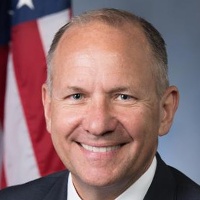
Lloyd Smucker
Representative
PA
Lloyd Smucker
Representative
PA
The Medicare Home Health Accessibility Act updates Medicare rules to explicitly include the need for occupational therapy as a valid basis for qualifying for home health services under both Part A and Part B. This change ensures that occupational therapy is treated equally alongside physical and speech therapy when determining eligibility for in-home care. These new provisions will take effect for services provided on or after January 1, 2026.
This Act requires the Department of Defense to seek stricter stormwater discharge permits mandating quarterly PFAS testing and cleanup actions at its facilities, dedicating at least 1% of annual PFAS cleanup funds to this testing.
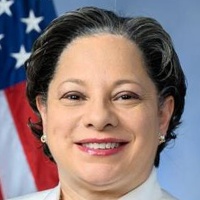
Jennifer McClellan
Representative
VA
Jennifer McClellan
Representative
VA
This Act mandates that the Department of Defense (DoD) immediately seek to update its stormwater discharge permits to require quarterly testing for PFAS chemicals at all facilities. Furthermore, the DoD must implement necessary cleanup measures to reduce these discharges. At least one percent of annual PFAS cleanup funding must be dedicated specifically to this required stormwater testing.
This bill authorizes the posthumous presentation of a Congressional Gold Medal to James Earl Jones, honoring his contributions to the United States and his work promoting inclusion in film and theatre.
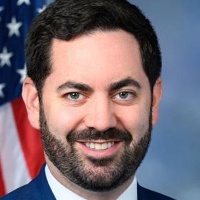
Michael Lawler
Representative
NY
Michael Lawler
Representative
NY
The James Earl Jones Congressional Gold Medal Act directs the Speaker of the House and the President pro tempore of the Senate to arrange for the posthumous presentation of a Congressional Gold Medal to James Earl Jones, honoring his contributions to the United States and his work promoting inclusion in film and theatre. The Secretary of the Treasury will create the gold medal, and bronze duplicates will be made available for sale to the public.
This bill establishes permanent, higher base pay rates, incident response premium pay, and mandatory rest and recuperation leave for federal wildland firefighters.
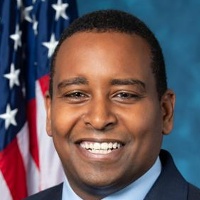
Joe Neguse
Representative
CO
Joe Neguse
Representative
CO
The Wildland Firefighter Paycheck Protection Act of 2025 establishes permanent, higher base pay rates for federal wildland firefighters based on their GS grade. It also creates a significant daily premium pay bonus for time spent responding to qualifying wildfire incidents. Finally, the bill mandates new paid rest and recuperation leave for firefighters following deployment to ensure proper recovery.
This Act simplifies regulations to allow child care providers to easily serve fresh, minimally prepared fruits and vegetables to children.
Marie Gluesenkamp Perez
Representative
WA
Marie Gluesenkamp Perez
Representative
WA
The Cutting Red Tape on Child Care Providers Act of 2025 aims to improve child nutrition by simplifying regulations that hinder the serving of fresh foods. This bill prohibits states from creating barriers that prevent licensed and exempt child care facilities from performing simple food preparation, such as washing and cutting fruits and vegetables. By streamlining these rules, the Act seeks to support providers and encourage healthier eating habits for children.
The "Stop Fentanyl Money Laundering Act of 2025" aims to combat fentanyl trafficking by targeting money laundering activities through enhanced regulations, advisories, and reporting requirements for financial institutions, along with a comprehensive review of past drug crises to inform current strategies.
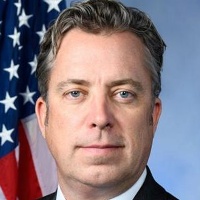
Andrew Ogles
Representative
TN
Andrew Ogles
Representative
TN
The "Stop Fentanyl Money Laundering Act of 2025" aims to combat fentanyl and narcotics trafficking by enhancing financial institutions' ability to detect and report money laundering activities. It authorizes the Treasury Secretary to impose special measures against financial institutions involved in illicit fentanyl financing, mandates updated advisories on identifying Chinese professional money laundering networks, and requires guidance for reporting suspicious transactions linked to transnational criminal organizations involved in narcotics trafficking. The Act also calls for a comprehensive report on lessons learned from past drug crises to inform strategies for addressing the opioid crisis.
This resolution disapproves the Consumer Financial Protection Bureau’s rule defining "larger participants" in the digital consumer payment application market, effectively preventing it from taking legal effect.
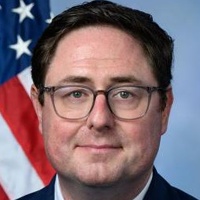
Mike Flood
Representative
NE
Mike Flood
Representative
NE
This resolution disapproves the Consumer Financial Protection Bureau’s final rule regarding the oversight of "larger participants" in the digital payment application market. If enacted, this measure prevents the rule from taking effect and ensures it holds no legal force.
The "TOTAL Care Act" initiates a five-year pilot program within TRICARE Prime, enabling female beneficiaries to access obstetrical and gynecological care without referrals and potentially select a TRICARE OBGYN provider as an additional primary care manager.
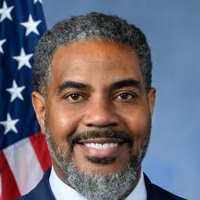
Steven Horsford
Representative
NV
Steven Horsford
Representative
NV
The TOTAL Care Act initiates a five-year pilot program within the TRICARE Prime program, allowing female beneficiaries to access obstetrical and gynecological care without needing a referral, including the option to select a TRICARE OBGYN provider as an additional primary care manager. Within four years, the Secretary of Defense must report to Congress on the program's impact on TRICARE Prime enrollment and costs.
The Humane Cosmetics Act of 2025 bans cosmetic animal testing in the U.S., restricts the use of animal testing data, and sets penalties for violations, while also preventing states from enacting conflicting regulations.
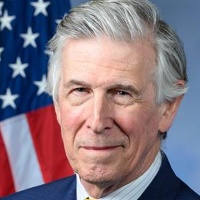
Donald Beyer
Representative
VA
Donald Beyer
Representative
VA
The Humane Cosmetics Act of 2025 bans cosmetic animal testing in the U.S. and restricts the use of animal testing data for cosmetic safety, with certain exceptions. It authorizes the Secretary of Health and Human Services to impose civil penalties for non-compliance and preempts states from enacting conflicting regulations. The Act defines key terms related to cosmetic animal testing and cosmetics.
The PAST Act of 2025 significantly strengthens the Horse Protection Act by increasing penalties, banning specific action devices, and mandating licensed inspectors to combat the practice of horse soring.
Brian Fitzpatrick
Representative
PA
Brian Fitzpatrick
Representative
PA
The PAST Act of 2025 significantly strengthens the Horse Protection Act to combat the painful practice of soring in specific horse breeds. This bill increases penalties for violations, establishes stricter licensing and oversight for inspectors, and explicitly bans the use of "action devices" designed to cause unnatural gaits. The legislation aims to enhance enforcement, ensure fairer competition, and hold violators accountable through increased fines and disqualifications.