Legislative Activity
Track Young's sponsored bills, co-sponsored legislation, and voting record
This bill authorizes the creation and sale of commemorative coins for the 2028 Los Angeles and 2034 Salt Lake City Olympic and Paralympic Games to help fund the events, with all surcharges going to the respective organizing committees after covering production costs.
Brad Sherman
Representative
CA
Brad Sherman
Representative
CA
This Act authorizes the Secretary of the Treasury to mint and sell special commemorative coins for the 2028 Los Angeles Olympic and Paralympic Games and the 2034 Salt Lake City Winter Olympic and Paralympic Games. The coins will feature designs celebrating American athletes and the Games themselves. All surcharges collected from the sale of these coins will be directed to the respective organizing committees to help fund the events and related youth sports programs. The entire program must be conducted at no cost to the U.S. Government.
This resolution expresses the sense of Congress demanding that Serbia investigate and prosecute those responsible for the 1999 execution-style murders of U.S. citizens Ylli, Agron, and Mehmet Bytyqi.
Nicolas LaLota
Representative
NY
Nicolas LaLota
Representative
NY
This resolution expresses the sense of Congress regarding the unsolved, execution-style murders of U.S. citizens Ylli, Agron, and Mehmet Bytyqi in Serbia in 1999. Congress demands that the Serbian government prioritize investigating and prosecuting all individuals responsible for the brothers' deaths. Furthermore, the resolution states that Serbia's progress in achieving justice for the Bytyqi brothers will significantly impact the future U.S.-Serbia relationship.
The Building Civic Bridges Act establishes an Office of Civic Bridgebuilding to fund and promote research-backed projects that reduce community division and strengthen social connection, using only donated funds.
Chrissy Houlahan
Representative
PA
Chrissy Houlahan
Representative
PA
The Building Civic Bridges Act establishes a new Office of Civic Bridgebuilding within the National and Community Service Corporation to promote activities that unite divided communities. This Office will manage a competitive, research-backed grant program to fund local projects focused on reducing conflict and improving social cohesion. The Act mandates that the program be implemented using only donated funds, with no new federal appropriations authorized.
The 123 GO Act directs the Secretary of State to lead negotiations for at least 20 new international nuclear cooperation agreements and establishes a program to enhance U.S. competitiveness in the global nuclear energy market.
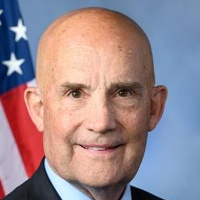
Keith Self
Representative
TX
Keith Self
Representative
TX
The 123 GO Act directs the Secretary of State to lead negotiations for international nuclear cooperation agreements, setting a goal to sign at least 20 new agreements by 2029. The bill also establishes a program to enhance the global competitiveness of U.S. nuclear energy companies by streamlining regulatory hurdles and promoting U.S. technology abroad. This legislation aims to strengthen U.S. leadership in international nuclear diplomacy and commerce.
This resolution condemns Russia's forced deportation and Russification of Ukrainian children and demands their return before any final peace agreement is reached.
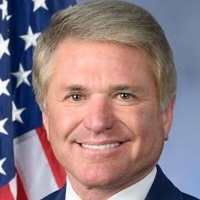
Michael McCaul
Representative
TX
Michael McCaul
Representative
TX
This resolution strongly condemns Russia for the abduction and forced "Russification" of Ukrainian children, highlighting these actions as grave violations of international law. It emphasizes that these children must be safely returned to Ukraine before any final peace agreement to end the war is considered. The document also underscores the heightened risks of trafficking, violence, and trauma faced by Ukrainian children due to the ongoing invasion.
This resolution expresses support for designating September 25th as National Stop SuiSilence Day to encourage open conversation and action regarding suicide prevention.
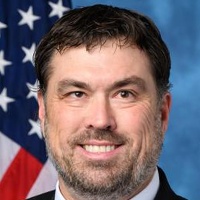
Morgan Luttrell
Representative
TX
Morgan Luttrell
Representative
TX
This resolution expresses strong support for designating **September 25th** as **National Stop SuiSilence Day**. The bill emphasizes that open conversation is crucial for reducing the stigma surrounding suicide and preventing loss of life. It encourages individuals, communities, and the government to actively engage in suicide prevention awareness and action on this designated day.
The CONNECT for Health Act of 2025 permanently expands Medicare telehealth access by removing geographic restrictions, increasing practitioner flexibility, bolstering program integrity, and mandating supports for quality remote care delivery.
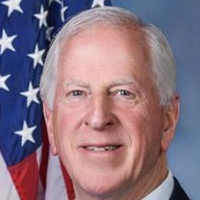
Mike Thompson
Representative
CA
Mike Thompson
Representative
CA
The CONNECT for Health Act of 2025 significantly expands and permanently secures access to Medicare telehealth services by eliminating outdated geographic restrictions and allowing more practitioners to offer remote care. The bill also strengthens program integrity by dedicating funds for telehealth oversight while clarifying rules around providing necessary technology to patients. Finally, it mandates the creation of tailored educational resources and public reporting to improve quality measurement and transparency in remote care delivery.
This bill extends the maximum holding period for certain real estate assets for Federal credit unions from 15 to 20 years and clarifies loan eligibility language.
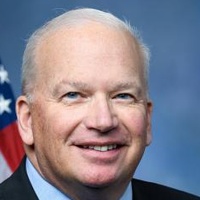
Scott Fitzgerald
Representative
WI
Scott Fitzgerald
Representative
WI
The Expanding Access to Lending Options Act directs the National Credit Union Administration (NCUA) to prioritize the safety and soundness of federally chartered credit unions. This legislation primarily amends the Federal Credit Union Act by extending the maximum holding period for certain real estate assets from 15 to 20 years. It also clarifies the eligibility language for property involved in these real estate loans.
This Act provides tax relief by excluding income received for wildfire prevention work and allowing a new above-the-line deduction for landowner expenditures on certified hazardous fuel reduction activities.
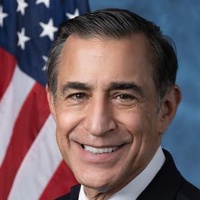
Darrell Issa
Representative
CA
Darrell Issa
Representative
CA
The Wildfire Infrastructure and Landowner Tax Relief Act of 2025 (WILTR Act) aims to incentivize wildfire prevention efforts by landowners. This bill excludes certain federal grants received for hazardous fuel reduction activities from gross income, making them tax-free. Additionally, it creates a new above-the-line tax deduction for qualified expenditures landowners make on certified fire mitigation work on their property.
This Act establishes presidential authority to impose asset freezes and visa bans on foreign individuals and groups knowingly involved in piracy, while directing the U.S. to cooperate internationally to combat rising maritime threats.
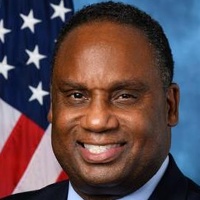
Jonathan Jackson
Representative
IL
Jonathan Jackson
Representative
IL
The Sanction Sea Pirates Act of 2025 mandates the President to impose asset freezes and entry bans on foreign individuals knowingly involved in piracy, responding to a recent surge in attacks off the Somali Coast. This legislation directs the U.S. government to cooperate with international partners to combat global maritime threats. The Act includes specific exemptions for humanitarian aid and U.S. national security operations.
This Act allows certain investment companies to exclude the fees and expenses of underlying business development companies when reporting total acquired fund costs on their SEC registration statements.
Brad Sherman
Representative
CA
Brad Sherman
Representative
CA
The Access to Small Business Investor Capital Act amends SEC reporting requirements for certain investment companies. This change allows these companies to exclude the indirect fees and expenses incurred from investing in an Acquired Fund, provided that Acquired Fund is a business development company. This simplifies the calculation of total "Acquired Fund Fees and Expenses" disclosed on registration statements.
This Act directs the Secretary of HHS to issue guidance on Medicaid/CHIP coverage for postpartum pelvic health services and establishes a national education campaign on the topic.
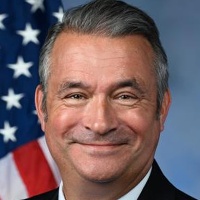
Don Bacon
Representative
NE
Don Bacon
Representative
NE
The Optimizing Postpartum Outcomes Act of 2025 aims to improve women's health after childbirth by clarifying Medicaid/CHIP coverage for essential pelvic health services. It mandates federal guidance for states on covering services like pelvic floor exams and physical therapy, alongside establishing a national education campaign for both providers and new mothers. The bill also directs the GAO to study existing coverage gaps for postpartum women under Medicaid.
The FIGHT Act of 2025 strengthens federal prohibitions against animal fighting, enhances enforcement mechanisms, and allows citizens to sue violators of animal fighting provisions.
Don Bacon
Representative
NE
Don Bacon
Representative
NE
The FIGHT Act of 2025 significantly strengthens federal prohibitions against animal fighting ventures, specifically targeting the sponsorship, exhibition, and gambling associated with these events. This legislation clarifies the definition of a rooster for legal purposes and bans the interstate transport of roosters for fighting. Furthermore, it empowers private citizens to file lawsuits against violators, allowing for civil penalties and the potential seizure of property used to facilitate illegal animal fighting.
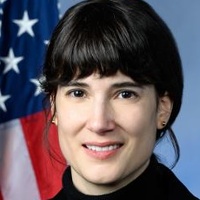
This bill funds research into mitigating the impact of microplastics and PFAS on farmland while extending key agricultural research programs through 2031.
Marie Gluesenkamp Perez
Representative
WA
Marie Gluesenkamp Perez
Representative
WA
The Research for Healthy Soils Act expands agricultural research funding to specifically address the presence and impact of microplastics and PFAS contaminants on farmland. This legislation authorizes new research grants to track these substances, develop mitigation strategies, and study their effects on crops and soil health. Additionally, the bill reauthorizes several existing high-priority agricultural research and extension initiatives through 2031.
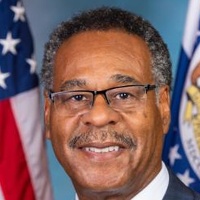
The BUDS Resolution allows legislation in the House of Representatives to have two primary sponsors, one from the majority and one from the minority party, to encourage bipartisan introduction of bills.
Emanuel Cleaver
Representative
MO
Emanuel Cleaver
Representative
MO
The Building Unity through Dual Sponsors (BUDS) Resolution amends House rules to allow public bills and resolutions to have two primary sponsors, provided one is from the majority party and the other from the minority party. This formalizes bipartisan introduction of legislation from the outset. The resolution also adjusts related rules concerning cosponsorship and required submission statements for these jointly sponsored measures.
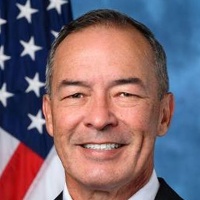
This resolution officially recognizes the 127th anniversary of Philippine Independence on June 12, 2025, celebrating Filipino culture, supporting Filipino Americans, and reaffirming the strong U.S.-Philippines relationship.
James (Jim) Moylan
Representative
GU
James (Jim) Moylan
Representative
GU
This resolution officially recognizes June 12, 2025, as the observance of the 127th anniversary of the Philippines Independence Day. It celebrates the enduring friendship between the U.S. and the Philippines, honors the Filipino people and the contributions of Filipino Americans, and reaffirms support for the nation's security. The bill also recognizes the service and sacrifice of Filipino and Filipino American service members.
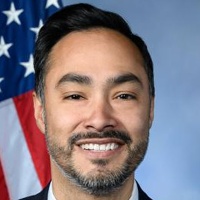
This bill grants the President the authority to extend diplomatic privileges and immunities to the Association of Southeast Asian Nations (ASEAN) under specific conditions.
Joaquin Castro
Representative
TX
Joaquin Castro
Representative
TX
The PARTNER with ASEAN Act of 2025 grants the President the authority to extend diplomatic privileges and immunities to the Association of Southeast Asian Nations (ASEAN). This change amends the International Organizations Immunities Act to recognize ASEAN similarly to other international organizations. Such status would be granted contingent upon U.S. participation in ASEAN through treaty, law, or funding.
The SKIM Act mandates stricter sentencing guidelines for credit card and identity misuse crimes and requires a report on federal and local cooperation to combat access device fraud.
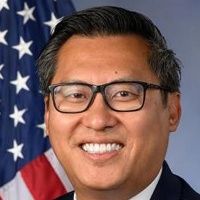
Vince Fong
Representative
CA
Vince Fong
Representative
CA
The SKIM Act, or Stopping Klepto-card and Identity Misuse Act, mandates stricter sentencing guidelines for crimes involving counterfeit or stolen credit and debit cards, ensuring a minimum offense level for such offenses. It also requires the Attorney General and Secretary of Homeland Security to report to Congress on federal and local cooperation in combating access device fraud. This legislation aims to increase penalties and improve coordination against identity and payment card misuse.
This bill prohibits FEMA from delaying the issuance of map revision letters solely because fill material has been placed on a property.
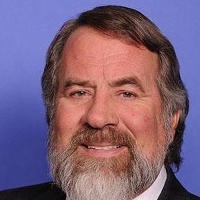
Doug LaMalfa
Representative
CA
Doug LaMalfa
Representative
CA
The Keeping Homeownership Costs Down Act prohibits the Federal Emergency Management Agency (FEMA) from delaying the issuance of official map revision letters solely because fill material has been placed on a property. This ensures timely updates to flood maps, which can impact property owners' insurance requirements and costs. This provision remains in effect until FEMA fully complies with relevant biological opinions from federal wildlife agencies.
The Safe Stay Act mandates the installation of compliant carbon monoxide alarms in all lodging units of public accommodations operating across state lines and requires businesses to notify guests of this compliance.
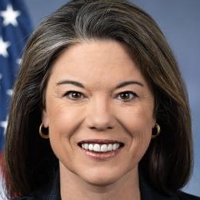
Angie Craig
Representative
MN
Angie Craig
Representative
MN
The Safe Stay Act mandates the installation of compliant carbon monoxide alarms in sleeping or living units within all places of public accommodation that operate across state lines. This legislation updates fire prevention guidelines by adopting the latest safety standards for alarm installation and requires these establishments to provide guests with written notice confirming compliance. The Federal Trade Commission is tasked with enforcing this new notification requirement, treating violations as unfair or deceptive business practices.