Legislative Activity
Track John's sponsored bills, co-sponsored legislation, and voting record
This act expands Medicare Part B coverage to include certain pharmacist services related to public health needs, effective January 1, 2026.
John Thune
Senator
SD
John Thune
Senator
SD
The Equitable Community Access to Pharmacist Services Act expands Medicare Part B coverage to include services provided by pharmacists starting in 2026. This legislation covers pharmacist services that align with state law and are provided in collaboration with a physician or approved practitioner. The bill specifies payment rates for these covered services, particularly enhancing reimbursement for services related to public health emergencies like COVID-19, flu, and RSV. Furthermore, it prohibits pharmacists from balance billing Medicare patients for these covered services.
This bill amends federal law to include rioting as a form of racketeering activity under the RICO Act.
Ted Cruz
Senator
TX
Ted Cruz
Senator
TX
This bill proposes amending federal law to explicitly include the crime of arson and bombing threats within the definition of "racketeering activity" under the RICO Act. By adding this offense to Title 18, U.S. Code, the legislation makes it easier to prosecute individuals involved in such acts under federal racketeering statutes.
This resolution officially congratulates the Louisiana State University Fighting Tigers baseball team for winning the 2025 NCAA Division I College World Series.
Bill Cassidy
Senator
LA
Bill Cassidy
Senator
LA
This resolution formally congratulates the Louisiana State University (LSU) Fighting Tigers baseball team for winning the 2025 NCAA Division I College World Series. It recognizes their undefeated performance in Omaha and celebrates the achievements of the players and coaching staff. The Senate is also honoring the dedication of LSU fans and the entire state in supporting the championship team.
This Act immediately classifies structurally similar fentanyl compounds as Schedule I controlled substances and strengthens penalties for trafficking them, while also streamlining research registration.
Bill Cassidy
Senator
LA
Bill Cassidy
Senator
LA
The Halt All Lethal Trafficking of Fentanyl (HALT Fentanyl) Act aims to combat the opioid crisis by immediately classifying structurally similar fentanyl-related substances as Schedule I controlled substances. The bill also streamlines the registration process for researchers working with Schedule I drugs and strengthens criminal penalties for trafficking these compounds. The Attorney General is required to issue implementing rules within six months of enactment.
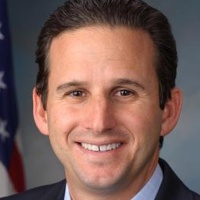
The Unsubscribe Act of 2025 strengthens consumer protection by mandating clear upfront disclosures, explicit consent, and easy electronic cancellation for all negative option subscription services.
Brian Schatz
Senator
HI
Brian Schatz
Senator
HI
The Unsubscribe Act of 2025 significantly increases consumer protection regarding "negative option" subscriptions, such as automatic renewals and free trials that convert to paid services. This legislation mandates that businesses must obtain explicit, informed consent before charging consumers and provide a simple, electronic mechanism for cancellation if the service was signed up for online. Furthermore, the Act requires clear upfront disclosure of all terms and ongoing reminders about contract status and cancellation procedures. Enforcement will be handled by the Federal Trade Commission (FTC) and state attorneys general.
This bill reauthorizes and extends dedicated federal funding for Type 1 Diabetes research and diabetes programs for Native Americans through fiscal year 2027.

Susan Collins
Senator
ME
Susan Collins
Senator
ME
The Special Diabetes Program Reauthorization Act of 2025 extends critical funding for both Type 1 Diabetes research programs and diabetes programs serving Native Americans. This legislation secures specific annual appropriations of \$160 million for fiscal years 2026 and 2027, along with a transition allocation in late 2027. The bill ensures continued financial support for these vital public health initiatives through the end of 2027.
This bill mandates the Committee on Foreign Investment in the United States (CFIUS) to annually review, update, and report on U.S. Government facilities and property deemed national security sensitive for real estate transaction reviews.

Tim Scott
Senator
SC
Tim Scott
Senator
SC
This bill mandates that the Committee on Foreign Investment in the United States (CFIUS) annually review and update a specific list of U.S. Government facilities and property deemed sensitive for national security. CFIUS must also report on any real estate transaction reviews involving these sensitive sites. This ensures the list remains current based on agency-specific annual reviews.
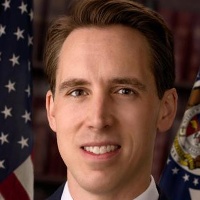
The STOP CSAM Act of 2025 overhauls federal court protections for child victims, mandates stricter reporting of online child exploitation to NCMEC, and expands civil remedies for victims against perpetrators and online platforms.
Joshua Hawley
Senator
MO
Joshua Hawley
Senator
MO
The STOP CSAM Act of 2025 significantly overhauls federal protections for child victims and witnesses in court proceedings by expanding definitions of abuse and strengthening rules around protecting personal information. It mandates stricter reporting requirements for online service providers regarding child sexual exploitation material and imposes substantial penalties for non-compliance. Furthermore, the Act expands civil remedies, allowing victims to sue online platforms directly for damages related to hosting or promoting such content. Finally, it facilitates the payment of restitution to vulnerable victims by allowing for the appointment of trustees to manage those funds.
This resolution formally establishes an annual "Life Month" to affirm the inherent value of all human life, especially the unborn, and to encourage legislative action and support for life-affirming resources.
Ted Cruz
Senator
TX
Ted Cruz
Senator
TX
This resolution formally declares the nation's foundational belief in the inherent right to life for every human being, including the unborn. It recognizes the Supreme Court's decision to return authority over life protection laws to the people and their elected officials. Furthermore, the bill establishes an annual "Life Month" to commend organizations supporting life and urge lawmakers to enact protections for the unborn.
This resolution formally honors the life, achievements, and legacy of former United States Senator Christopher "Kit" Bond of Missouri.
Joshua Hawley
Senator
MO
Joshua Hawley
Senator
MO
This resolution serves as a formal tribute honoring the life, achievements, and enduring legacy of former United States Senator Christopher "Kit" Bond of Missouri. It recognizes his decades of public service, including his terms as Missouri Governor and U.S. Senator, where he championed infrastructure, agriculture, and conservative values. The Senate expresses deep sadness over his passing and directs that official copies of this tribute be sent to his family.
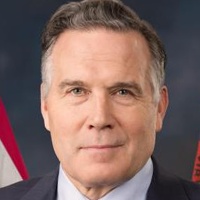
This Act amends SEC reporting requirements to allow certain investment companies to exclude indirect fees paid through investments in business development companies from their acquired fund fees and expenses disclosure.
Dave McCormick
Senator
PA
Dave McCormick
Senator
PA
The Access to Small Business Investor Capital Act modifies how certain investment companies report their fees to the SEC. Specifically, it allows registered investment companies to exclude indirect fees and expenses paid through investments in business development companies from their "acquired fund fees and expenses" disclosure. This change aims to streamline the reporting process for funds investing in these specific entities.
This bill mandates new electronic, transparent, and timely prior authorization requirements for Medicare Advantage plans to improve seniors' access to care.

Roger Marshall
Senator
KS
Roger Marshall
Senator
KS
The Improving Seniors’ Timely Access to Care Act of 2025 aims to modernize and increase transparency in the prior authorization process for Medicare Advantage plans. This bill mandates the adoption of electronic prior authorization systems and requires plans to publicly report detailed data on their approval, denial, and appeal rates. Furthermore, it establishes new standards to protect enrollees and grants the Secretary authority to enforce faster decision timelines for care requests.
This Act revises federal charter school grant funding to prioritize experienced educators, enhance technical assistance for authorizers, and adjust fund allocation percentages.

John Cornyn
Senator
TX
John Cornyn
Senator
TX
The Empower Charter School Educators to Lead Act revises federal grant management for high-quality charter schools to enhance technical assistance and oversight for authorizing agencies. The bill establishes new experience and planning requirements for educator-led groups applying for pre-charter planning grants. It also adjusts the required percentages for how states must allocate these federal grant funds across various authorized activities.
This bill clarifies that the federal government, not states, has exclusive authority to set emission standards for certain existing locomotives and small engines used in construction or farm equipment.

Joni Ernst
Senator
IA
Joni Ernst
Senator
IA
The LOCOMOTIVES Act clarifies federal authority under the Clean Air Act regarding emissions standards for certain existing locomotives and engines used in construction or farm equipment. This legislation ensures that federal standards, rather than varying state standards, apply to these specific engines, particularly those under 175 horsepower and locomotives engaged in commerce. Essentially, it centralizes regulatory power over these emissions sources at the federal level.
The Honoring Our Fallen Heroes Act of 2025 establishes a presumption that certain cancers leading to death or disability in public safety officers are the result of on-duty exposure to carcinogens.

Amy Klobuchar
Senator
MN
Amy Klobuchar
Senator
MN
The Honoring Our Fallen Heroes Act of 2025 establishes a presumption that certain cancers leading to death or disability in public safety officers were caused by on-duty exposure to recognized carcinogens. This law defines specific exposure-related cancers and sets conditions, such as five years of service, for the presumption to apply. It also updates review processes for adding new cancers to the list and grants retroactive application and filing extensions for eligible past and present claims.
The Conscience Protection Act of 2025 strengthens federal protections for healthcare entities refusing to participate in abortion and establishes new enforcement mechanisms, including the ability for affected parties to sue for damages.

James Lankford
Senator
OK
James Lankford
Senator
OK
The Conscience Protection Act of 2025 aims to strengthen protections for healthcare entities and individuals who object to participating in specific medical procedures, such as abortion, based on moral or religious beliefs. It prohibits discrimination against providers who refuse such services and significantly bolsters enforcement mechanisms within the Department of Health and Human Services. Furthermore, the Act explicitly grants individuals and affected parties the right to file private lawsuits seeking damages when these conscience protections are violated.
This Act aims to improve charter school facilities by supporting state policies for funding and financing, authorizing new competitive grants for facility aid, and expanding technical assistance for high-quality charter schools.
Bill Cassidy
Senator
LA
Bill Cassidy
Senator
LA
The Equitable Access to School Facilities Act aims to improve charter school facilities by supporting states in developing policies that enhance funding and financing options for school buildings. It authorizes a new competitive grant program for states to create or improve their own facility aid programs, prioritizing fairness and access, especially for schools in low-income and rural areas. Furthermore, the bill adjusts existing grant structures to allow states more flexibility in using funds for facility acquisition, renovation, and startup loans for high-quality charter schools.
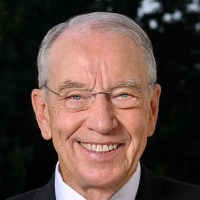
This resolution officially designates the week of May 11 through May 17, 2025, as National Police Week to honor law enforcement officers, remember those killed in the line of duty, and encourage public observance.
Charles Grassley
Senator
IA
Charles Grassley
Senator
IA
This resolution officially designates the week of May 11 through May 17, 2025, as "National Police Week." It serves to honor the valor and integrity of law enforcement officers across the nation. The resolution specifically remembers the officers killed in the line of duty during 2024 and encourages the public to observe this week to show appreciation for law enforcement personnel.
The INDEX Act mandates that investment advisers must proportionally follow shareholder instructions when voting proxies for passively managed funds, ensuring investor democracy in proxy decisions.
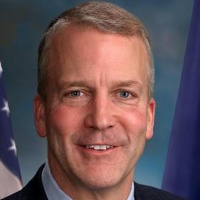
Dan Sullivan
Senator
AK
Dan Sullivan
Senator
AK
The INDEX Act mandates that investment advisers managing passively managed funds must ensure actual investors have a say in proxy voting by adhering to proportional voting instructions. If instructions are not received for non-routine matters, advisers generally cannot vote those shares unless specific exceptions apply. This legislation aims to enhance investor democracy by clarifying proxy voting responsibilities for funds tracking market indexes.
The Chip Security Act mandates security mechanisms on advanced integrated circuit products exported from the U.S. to protect national security and prevent unauthorized use.
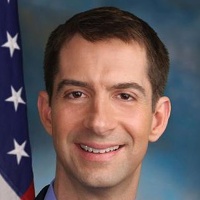
Tom Cotton
Senator
AR
Tom Cotton
Senator
AR
The Chip Security Act mandates the implementation of security mechanisms on advanced integrated circuit products before they are exported to protect U.S. national security interests. This requires the Secretary of Commerce to ensure chips include features verifying location and reporting unauthorized use or tampering. Furthermore, the Act calls for an assessment and potential rollout of secondary security features to enhance export control compliance and prevent misuse by adversaries. The goal is to maintain the U.S. competitive edge by securing sensitive hardware sent to allies and partners.