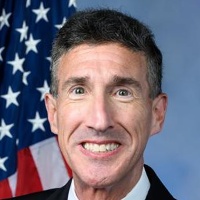
Legislative Activity
Track David's sponsored bills, co-sponsored legislation, and voting record
This resolution strongly condemns the rise of antisemitism in the United States and honors the memory of Yaron Lischinsky and Sarah Milgrim, who were murdered while promoting peace.

Addison McDowell
Representative
NC
Addison McDowell
Representative
NC
This resolution strongly condemns the rise of antisemitism in the United States and around the world. It specifically honors the memory of Yaron Lischinsky and Sarah Milgrim, who were tragically murdered while promoting peace. Ultimately, Congress reaffirms its commitment to combating all forms of hate and ensuring the vigorous enforcement of laws protecting religious freedom.
This bill establishes a new excise tax on proceeds received by parties from third-party litigation financing agreements, effective after 2025.
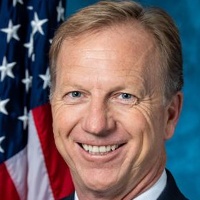
Kevin Hern
Representative
OK
Kevin Hern
Representative
OK
The Tackling Predatory Litigation Funding Act establishes a new federal excise tax on proceeds received from third-party litigation financing agreements. This tax is calculated at the highest income tax rate plus an additional 3.8 percentage points, applied annually to the proceeds received by a "covered party." The bill also institutes specific withholding requirements on payments made to financiers and reclassifies litigation funding proceeds to ensure this new tax structure is applied.
This bill moves the drug tianeptine and its analogues to Schedule III of the Controlled Substances Act.
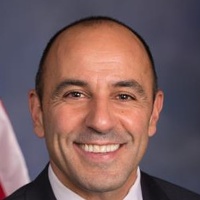
Jimmy Panetta
Representative
CA
Jimmy Panetta
Representative
CA
The STAND Against Emerging Opioids Act aims to control the emerging threat of tianeptine by reclassifying it under federal law. This bill specifically moves tianeptine, along with its analogues, salts, and isomers, to Schedule III of the Controlled Substances Act. This scheduling change will take effect 90 days after the Act is signed into law.
This resolution expresses the House's strong support for the enduring U.S.-Israel alliance and calls for expanding defense cooperation to counter evolving regional threats.
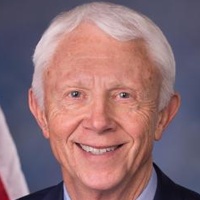
Jack Bergman
Representative
MI
Jack Bergman
Representative
MI
This resolution expresses the strong sense of the House of Representatives affirming the enduring U.S.-Israel alliance based on shared democratic values. It emphasizes the necessity of expanding defense cooperation to address evolving regional threats and maintain Israel's qualitative military edge. The bill calls for continued joint efforts in missile defense, technology sharing, and intelligence to ensure the security of both nations.
This resolution condemns Hamas for its brutal October 7th terrorist attacks on Israel and demands the immediate release of all remaining hostages.

Haley Stevens
Representative
MI
Haley Stevens
Representative
MI
This resolution strongly condemns Hamas for its premeditated and brutal terrorist attacks against Israel on October 7, 2023. It details the resulting casualties and the ongoing hostage crisis, emphasizing the severe mistreatment of those held captive. The bill demands that Hamas immediately release all remaining hostages and allow them safe return.
This resolution formally expresses Congress's support, gratitude, and recognition for the dedication and sacrifices of local law enforcement officers.
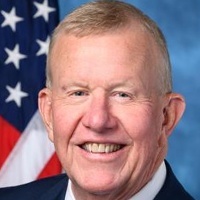
Mike Ezell
Representative
MS
Mike Ezell
Representative
MS
This Concurrent Resolution formally expresses the appreciation of Congress for the dedication and service of local law enforcement officers across the nation. It recognizes the sacrifices made by officers and their families in keeping communities safe. The resolution also encourages strong partnerships between police departments and the communities they serve.
This resolution calls upon local communities to support organizations that aid Gold Shield Families—the loved ones of first responders who died in the line of duty.
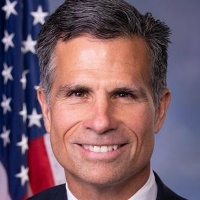
Daniel Meuser
Representative
PA
Daniel Meuser
Representative
PA
This resolution expresses gratitude to the families of first responders who died in the line of duty, known as Gold Shield Families. It recognizes the profound sacrifice made by these families and calls upon local communities to support the nonprofit organizations that provide them with essential resources and aid during their time of need. The bill emphasizes the nation's ongoing commitment to honoring both the fallen heroes and their surviving loved ones.
This bill removes federal tax and registration requirements for firearm silencers, preempts certain state regulations, mandates the destruction of existing federal silencer owner records, and updates related definitions and marking requirements.
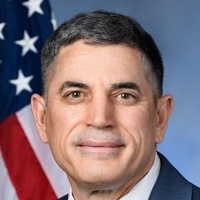
Andrew Clyde
Representative
GA
Andrew Clyde
Representative
GA
The Constitutional Hearing Protection Act aims to treat firearm silencers equally under federal tax law by updating definitions and removing certain registration requirements if existing firearm laws are followed. The bill also preempts state and local governments from imposing special taxes or registration burdens on silencers. Furthermore, it mandates the destruction of existing federal records identifying silencer owners within one year of enactment.
The CHOICE for Veterans Act of 2025 establishes new federal standards, oversight, and penalties for agents and attorneys who assist veterans in filing Department of Veterans Affairs benefit claims while extending certain pension payment limitations.
Jack Bergman
Representative
MI
Jack Bergman
Representative
MI
The CHOICE for Veterans Act of 2025 aims to overhaul how veterans receive assistance with their Department of Veterans Affairs (VA) benefit claims. It establishes new rules for the recognition, fees, and conduct of agents and attorneys who represent veterans. The bill also mandates increased transparency regarding available assistance and requires a review of the entire representative recognition process.
The Shipbuilding and Harbor Infrastructure for Prosperity and Security for America Act of 2025 establishes a centralized maritime authority, creates a dedicated funding trust, strengthens sealift capability, mandates increased use of U.S.-flagged vessels, invests heavily in domestic shipbuilding, and enhances workforce development and tax incentives for the maritime industry.
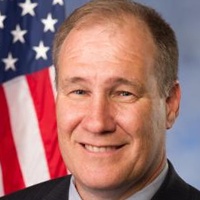
Trent Kelly
Representative
MS
Trent Kelly
Representative
MS
The **Shipbuilding and Harbor Infrastructure for Prosperity and Security for America Act of 2025** is a comprehensive bill designed to revitalize the U.S. maritime industry and secure critical supply chains. It establishes new centralized oversight for maritime policy, creates a dedicated Maritime Security Trust Fund financed by new vessel taxes, and mandates significant federal investment in domestic shipbuilding and workforce development. The legislation also imposes stricter cargo preference rules and tax incentives to ensure U.S.-flagged vessels dominate international commerce and defense sealift operations.
This Act promotes private employee ownership by extending tax deferrals for S corporation ESOP sales, ensuring ESOP-owned businesses retain small business status, and establishing new Treasury and Labor offices to provide assistance and advocacy.
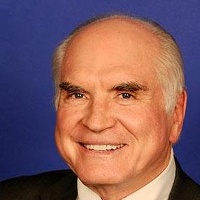
Mike Kelly
Representative
PA
Mike Kelly
Representative
PA
The Promotion and Expansion of Private Employee Ownership Act of 2025 aims to significantly boost employee ownership in S corporations through Employee Stock Ownership Plans (ESOPs). The bill extends key tax deferral benefits for stock sales to ESOPs and removes a major restriction on this tax treatment. Furthermore, it establishes new government offices and an Advocate for Employee Ownership to provide technical assistance and resolve disputes, while ensuring ESOP-owned businesses retain small business status for federal programs.
This Act clarifies the duty treatment of whiskies by updating the Harmonized Tariff Schedule and requiring the USITC to add statistical tracking codes for imported whiskies.
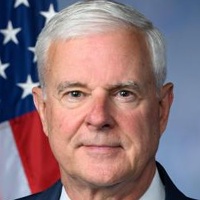
Steve Womack
Representative
AR
Steve Womack
Representative
AR
The Duty Drawback Clarification Act updates the U.S. tariff schedule to standardize the classification of whiskies under Chapter 22. This legislation removes an outdated whiskey classification code and requires the U.S. International Trade Commission to add new statistical tracking codes for imports. These changes will take effect 15 days after the Act is officially enacted.
The Historic Tax Credit Growth and Opportunity Act of 2025 modifies rehabilitation tax credits by increasing rates for small projects, eliminating basis adjustments, and changing eligibility rules for various building improvements.
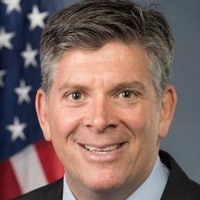
Darin LaHood
Representative
IL
Darin LaHood
Representative
IL
The Historic Tax Credit Growth and Opportunity Act of 2025 significantly enhances historic rehabilitation tax incentives. It establishes a permanent 20% credit rate for qualified expenditures and introduces an optional 30% credit for smaller projects, which includes the ability to transfer the credit. Furthermore, the bill simplifies calculations by eliminating the requirement to reduce the property's basis when claiming the credit.
This bill removes the current restriction preventing direct charitable rollovers from Individual Retirement Accounts (IRAs) to Donor Advised Funds (DAFs).

Adrian Smith
Representative
NE
Adrian Smith
Representative
NE
The IRA Charitable Rollover Facilitation and Enhancement Act of 2025 removes the current restriction preventing individuals from making direct charitable rollovers from their Individual Retirement Accounts (IRAs) to Donor Advised Funds (DAFs). This change immediately allows IRA owners to transfer retirement assets directly to DAFs for charitable purposes. The bill simplifies and enhances charitable giving options for IRA holders.
The Neighborhood Homes Investment Act establishes a new federal tax credit to incentivize the development and substantial rehabilitation of affordable starter homes in low-income communities by closing the financing gap between construction costs and sale prices.
Mike Kelly
Representative
PA
Mike Kelly
Representative
PA
The Neighborhood Homes Investment Act establishes a new federal tax credit designed to close the financing gap hindering the construction and rehabilitation of affordable starter homes in distressed communities. This credit incentivizes developers to build or substantially renovate housing in specific low-income census tracts and sell it affordably to qualified moderate-income homeowners. State agencies will manage the allocation of these credits, ensuring projects meet affordability standards and promoting revitalization in struggling neighborhoods.
This bill formally rejects the Internal Revenue Service's proposed rule requiring brokers to report gross proceeds from digital asset sales.

Mike Carey
Representative
OH
Mike Carey
Representative
OH
This bill seeks to formally reject a recent rule issued by the Internal Revenue Service (IRS) concerning gross proceeds reporting by brokers for digital asset sales. Through this joint resolution, Congress is exercising its authority to disapprove the specific IRS regulation. Consequently, the proposed reporting requirement will not take effect.
The Affordable Housing Credit Improvement Act of 2025 updates state allocation formulas, reforms tenant eligibility and credit determination rules, and enhances assistance for Native American and rural housing projects.
Darin LaHood
Representative
IL
Darin LaHood
Representative
IL
The Affordable Housing Credit Improvement Act of 2025 updates federal housing tax credit allocations to reflect current economic realities and boosts minimum state allotments. It reforms tenant eligibility rules to stabilize tenancy and enhance protections for vulnerable residents, including victims of abuse. The bill also provides disaster relief for property owners, increases incentives for housing the extremely low-income, and directs greater resources toward Native American and rural housing needs. Finally, it streamlines administrative processes and signals a future focus on data transparency and discouraging restrictive local zoning.
This bill repeals the requirement for financial institutions to collect and report specific data on small business loans to reduce compliance costs and improve small business access to credit.
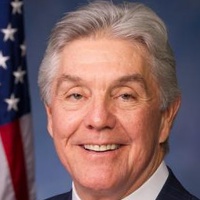
Roger Williams
Representative
TX
Roger Williams
Representative
TX
The 1071 Repeal to Protect Small Business Lending Act aims to eliminate the mandatory data collection and reporting requirements for small business loans previously established under Section 704B of the Equal Credit Opportunity Act. Proponents argue that these regulations impose unnecessary compliance costs on lenders, potentially hindering small business access to credit. This bill repeals those specific reporting mandates to reduce regulatory burdens on financial institutions.
This bill expands the employer Social Security tax credit for tips to beauty service establishments, creates an IRS tip reporting safe harbor for these employers, and mandates information reporting for beauty space rentals.
Darin LaHood
Representative
IL
Darin LaHood
Representative
IL
The Small Business Tax Fairness and Compliance Simplification Act aims to provide tax relief and compliance clarity for the beauty service industry. It extends the employer Social Security tax credit for tips to beauty establishments and creates a new IRS audit "safe harbor" for employers who properly train staff and track tips. Additionally, the bill introduces new information reporting requirements for businesses that rent space to multiple beauty service providers.
This bill mandates sanctions on Iranian natural gas transactions to curb the growth of Iran's gas industry.
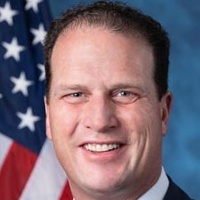
August Pfluger
Representative
TX
August Pfluger
Representative
TX
The No Iranian Energy Act aims to strengthen U.S. policy by explicitly targeting Iran's growing natural gas industry with sanctions. This bill amends existing law to ensure that sanctions apply to the sale, supply, or transfer of Iranian natural gas. The legislation reflects Congress's intent to restrict Iran's energy sector activities.