Legislative Activity
Track David's sponsored bills, co-sponsored legislation, and voting record
The CARE for Children Act officially recognizes and funds "cottage family homes" as a new option for foster care placements, ensuring they meet strict standards for child well-being and family connection.
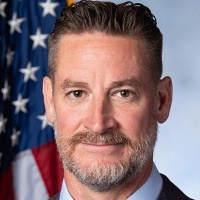
W. Steube
Representative
FL
W. Steube
Representative
FL
The Create Accountable Respectful Environments (CARE) for Children Act officially recognizes and integrates "cottage family homes" into federal foster care regulations. This allows these specialized homes to receive federal maintenance payments if they meet strict standards focused on family connection, trauma-informed care, and prohibiting harmful restraints. The bill ensures states maintain flexibility in utilizing these placements while upholding high standards for child well-being.
The Veterans’ ACCESS Act of 2025 improves veteran health care by establishing clear eligibility standards for community care, mandating timely mental health treatment, and streamlining administrative processes to ensure faster, more transparent access to services.
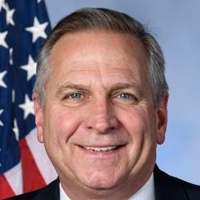
Mike Bost
Representative
IL
Mike Bost
Representative
IL
The Veterans’ ACCESS Act of 2025 strengthens the Veterans Community Care Program by establishing clear, enforceable standards for care eligibility and wait times while streamlining the referral process. The legislation also overhauls access to residential mental health and substance abuse treatment, ensuring veterans receive timely, localized care with robust oversight. Additionally, it mandates the development of digital tools and pilot programs to reduce bureaucratic hurdles and improve transparency across the VA healthcare system.
This Act modernizes seasonal agricultural CDLs by allowing online renewal for eligible employees and clarifying that implements of husbandry are not considered commercial motor vehicles.
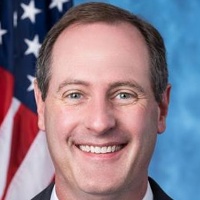
Tracey Mann
Representative
KS
Tracey Mann
Representative
KS
The Seasonal Agriculture CDL Modernization Act streamlines the process for farm workers by allowing states to establish online systems for renewing seasonal, restricted Commercial Driver's Licenses (CDLs). This legislation also clarifies that implements of husbandry (farm equipment) are not classified as commercial motor vehicles for licensing purposes. Overall, the bill aims to modernize and simplify CDL requirements for those in the farm-related service industries.
This bill establishes a State judicial threat intelligence and resource center to monitor threats, coordinate security, and report on incidents targeting state and local judges and court staff.
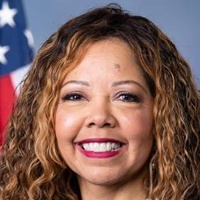
Lucy McBath
Representative
GA
Lucy McBath
Representative
GA
This bill establishes a new State judicial threat intelligence and resource center to enhance the security of state and local judges and court staff. The center will provide training, monitor threats, standardize reporting, and create a national database for incidents against the judiciary. It also requires annual reporting to Congress on the number and severity of threats received.
This bill expedites security assistance to Middle Eastern and North African partners who normalize relations with Israel and cooperate against Iranian threats, while safeguarding Israel's qualitative military edge.
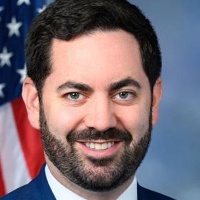
Michael Lawler
Representative
NY
Michael Lawler
Representative
NY
The Abraham Accords Defense Against Terror Act expedites security assistance and defense sales to Middle Eastern and North African countries that have normalized relations with Israel and cooperate against Iranian threats. This process requires a shortened 15-day congressional notification period from the President for approved transfers. Furthermore, the State Department must submit regular, public reports detailing the security strategy, threat assessments, and progress in countering Iranian proxies. Crucially, the Act ensures that these provisions do not undermine Israel's qualitative military edge.
This bill amends federal law to include violations related to rioting within the definition of racketeering activity.
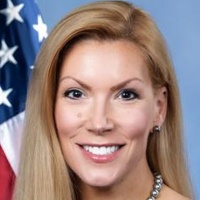
Beth Van Duyne
Representative
TX
Beth Van Duyne
Representative
TX
This bill amends federal law to explicitly include violations related to rioting within the definition of "racketeering activity." By adding this specific crime to the list under Title 18, Section 1961(1), the legislation makes participation in such activities subject to serious federal racketeering charges. This change treats rioting violations similarly to other established offenses like bribery or extortion for the purposes of federal prosecution.
This Act prohibits lawsuits claiming discrimination based solely on the unintended, disproportionate statistical effect (disparate impact) of employment or housing practices.
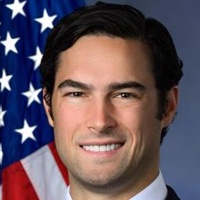
Brandon Gill
Representative
TX
Brandon Gill
Representative
TX
The Restoring Equal Opportunity Act aims to eliminate "disparate-impact liability" across major federal laws. This bill prohibits lawsuits claiming discrimination based solely on the unintended, disproportionate negative effect of a rule or practice. Consequently, it removes the ability to challenge employment and housing practices unless discriminatory intent can be proven. The Act also nullifies specific prior regulatory approvals related to civil rights enforcement.
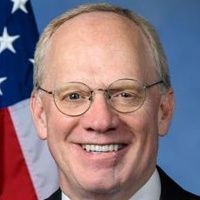
This Act authorizes livestock producers and their employees to take certain black vultures that threaten their livestock, with the exception of using poison, and requires annual reporting of such actions.
John Rose
Representative
TN
John Rose
Representative
TN
The Black Vulture Relief Act authorizes livestock producers and their employees to take action against black vultures that pose an imminent threat to their livestock. This permission overrides certain existing regulations but strictly prohibits the use of poison. Those who take vultures under this authority must submit an annual report to the U.S. Fish and Wildlife Service once the required reporting form is made available.
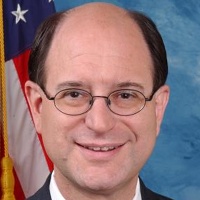
This bill authorizes the creation and sale of commemorative coins for the 2028 Los Angeles and 2034 Salt Lake City Olympic and Paralympic Games to help fund the events, with all surcharges going to the respective organizing committees after covering production costs.
Brad Sherman
Representative
CA
Brad Sherman
Representative
CA
This Act authorizes the Secretary of the Treasury to mint and sell special commemorative coins for the 2028 Los Angeles Olympic and Paralympic Games and the 2034 Salt Lake City Winter Olympic and Paralympic Games. The coins will feature designs celebrating American athletes and the Games themselves. All surcharges collected from the sale of these coins will be directed to the respective organizing committees to help fund the events and related youth sports programs. The entire program must be conducted at no cost to the U.S. Government.
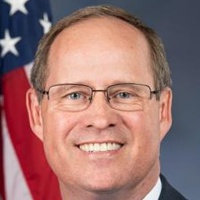
This bill mandates quarterly rebates from manufacturers of selected drugs based on the difference between standard Medicare payment rates and the negotiated Maximum Fair Price, while adjusting beneficiary coinsurance accordingly.
Gregory Murphy
Representative
NC
Gregory Murphy
Representative
NC
This bill, the Protecting Patient Access to Cancer and Complex Therapies Act, establishes a new mandatory rebate system for manufacturers of certain drugs selected for Maximum Fair Price (MFP) negotiation under Medicare. Manufacturers must pay quarterly rebates based on the difference between the standard Medicare payment and the lower negotiated MFP for units sold under Part B. These changes also adjust beneficiary coinsurance calculations to reflect the lower MFP, ensuring patient out-of-pocket costs are based on the negotiated price.
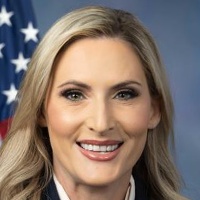
This bill clarifies the Holocaust Expropriated Art Recovery Act of 2016 by explicitly barring time-based and other procedural defenses to ensure claims for Nazi-looted art are decided on their merits.
Laurel Lee
Representative
FL
Laurel Lee
Representative
FL
This bill significantly strengthens the Holocaust Expropriated Art Recovery Act of 2016 by explicitly blocking time-based and procedural defenses that have previously prevented claims for Nazi-looted art from being heard on their merits. The changes ensure that courts must now focus on whether the art was actually stolen, regardless of when the claim is brought or the citizenship of the original owner. These improvements apply immediately to both pending and future lawsuits seeking the return of art expropriated during the Nazi era.
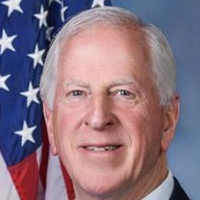
The CONNECT for Health Act of 2025 permanently expands Medicare telehealth access by removing geographic restrictions, increasing practitioner flexibility, bolstering program integrity, and mandating supports for quality remote care delivery.
Mike Thompson
Representative
CA
Mike Thompson
Representative
CA
The CONNECT for Health Act of 2025 significantly expands and permanently secures access to Medicare telehealth services by eliminating outdated geographic restrictions and allowing more practitioners to offer remote care. The bill also strengthens program integrity by dedicating funds for telehealth oversight while clarifying rules around providing necessary technology to patients. Finally, it mandates the creation of tailored educational resources and public reporting to improve quality measurement and transparency in remote care delivery.
This bill makes technical corrections and clarifications to the Camp Lejeune Justice Act of 2022, including adjusting venue options, setting standards of proof, and capping attorney fees, all retroactively applied to August 10, 2022.
Gregory Murphy
Representative
NC
Gregory Murphy
Representative
NC
The Ensuring Justice for Camp Lejeune Victims Act of 2025 makes technical corrections to the 2022 Camp Lejeune Justice Act to clarify standards for proving harm and venue for trials. This legislation sets specific caps on attorney fees and retroactively applies these changes to all existing and future claims filed under the original 2022 Act. The bill ensures that existing statutes of limitations for filing claims remain unchanged.
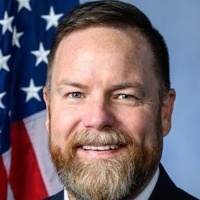
This bill mandates increased public transparency regarding detailed Medicare spending data by HHS, requires MedPAC to conduct annual, apples-to-apples comparisons of Medicare Advantage and traditional Medicare expenditures, and updates the Trustees' annual report with categorized spending information.
Aaron Bean
Representative
FL
Aaron Bean
Representative
FL
The Apples to Apples Comparison Act of 2025 mandates greater public transparency regarding Medicare spending by requiring the Secretary of HHS to publish detailed, machine-readable expenditure data broken down by county and beneficiary type. Furthermore, the bill requires the Medicare Payment Advisory Commission (MedPAC) to annually compare the average cost of Medicare Advantage enrollees versus traditional Medicare beneficiaries, accounting for plan differences and risk factors. Finally, the Medicare Trustees must also report detailed expenditure information categorized by specific beneficiary enrollment statuses.
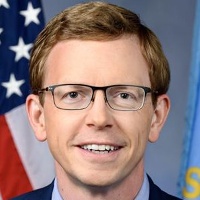
This bill prohibits males from participating in athletic programs or activities designated for women or girls at the U.S. military service academies.
Dusty Johnson
Representative
SD
Dusty Johnson
Representative
SD
This bill prohibits males from participating in any athletic program or activity at the U.S. military service academies that is designated for women or girls. It mandates that sex in this context is defined by reproductive biology and genetics at birth. While males may practice with women's teams, they cannot displace female athletes from rosters, competition opportunities, or scholarships.
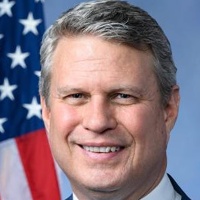
This bill mandates the withholding of federal highway funds from states that fail to adequately prevent dangerous, non-governmental obstructions on their roadways.
Bill Huizenga
Representative
MI
Bill Huizenga
Representative
MI
The Clear the ROADS Act mandates that states actively prevent dangerous and reckless obstruction of federal-aid highways by non-government actors. If a state fails to demonstrate a good-faith effort to clear these hazards, the federal government will begin withholding 10% of its federal highway funds. The Secretary of Transportation is tasked with establishing the necessary rules to implement this requirement.
This resolution strongly condemns the rise in ideologically motivated attacks against Jewish individuals in the U.S., including the recent Boulder assault, and reaffirms the House's commitment to combating antisemitism and political violence.
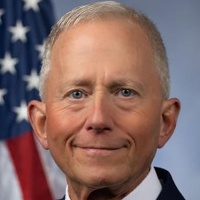
Jefferson Van Drew
Representative
NJ
Jefferson Van Drew
Representative
NJ
This resolution strongly condemns the recent rise in ideologically motivated attacks targeting Jewish individuals and institutions across the United States, including the violent assault in Boulder, Colorado. The House of Representatives reaffirms its commitment to combating antisemitism and politically motivated violence in all its forms. It calls for thorough investigation and prosecution of such incidents and urges all sectors of society to speak out against hate.
The Don't Miss Your Flight Act establishes a grant program to fund infrastructure improvements connecting to public airports to reduce traffic and increase access.
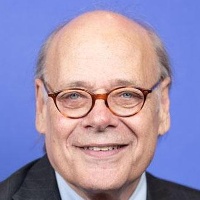
Steve Cohen
Representative
TN
Steve Cohen
Representative
TN
The "Don't Miss Your Flight Act" establishes a new grant program managed by the Secretary of Transportation to fund infrastructure improvements connecting to public airports. These grants aim to reduce traffic, increase capacity, and improve access roads, rail, or transit lines within five miles of an airport. Funding is specifically allocated to benefit large and medium hub airports, drawing $1 billion annually from the Highway Trust Fund between 2027 and 2031.
This resolution strongly condemns the antisemitic terrorist attack in Boulder, Colorado, addresses the rise of antisemitism, and calls for accountability for the attacker and stronger immigration enforcement.
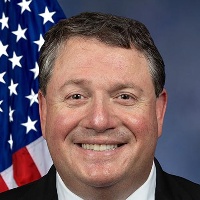
Randall Fine
Representative
FL
Randall Fine
Representative
FL
This resolution strongly condemns the antisemitic terrorist attack in Boulder, Colorado, and expresses solidarity with the victims and first responders. It highlights the alarming rise of antisemitism across the nation and calls for the perpetrator to be prosecuted to the fullest extent of the law. Furthermore, the bill urges immediate action to secure the border and address visa overstays.
This act exempts drugs from Medicare price negotiation if they are produced by small biotech manufacturers that dedicate a significant portion of their revenue to research and development.
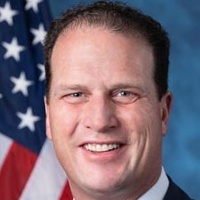
August Pfluger
Representative
TX
August Pfluger
Representative
TX
The Small Biotech Innovation Act creates an exception to the Medicare drug price negotiation program for qualifying small biotech manufacturers heavily invested in research and development. This exception shields their single-source drugs from negotiation, provided the company meets specific R&D spending thresholds relative to their number of drugs. Manufacturers must apply annually to certify their status and investment levels to maintain this protection.